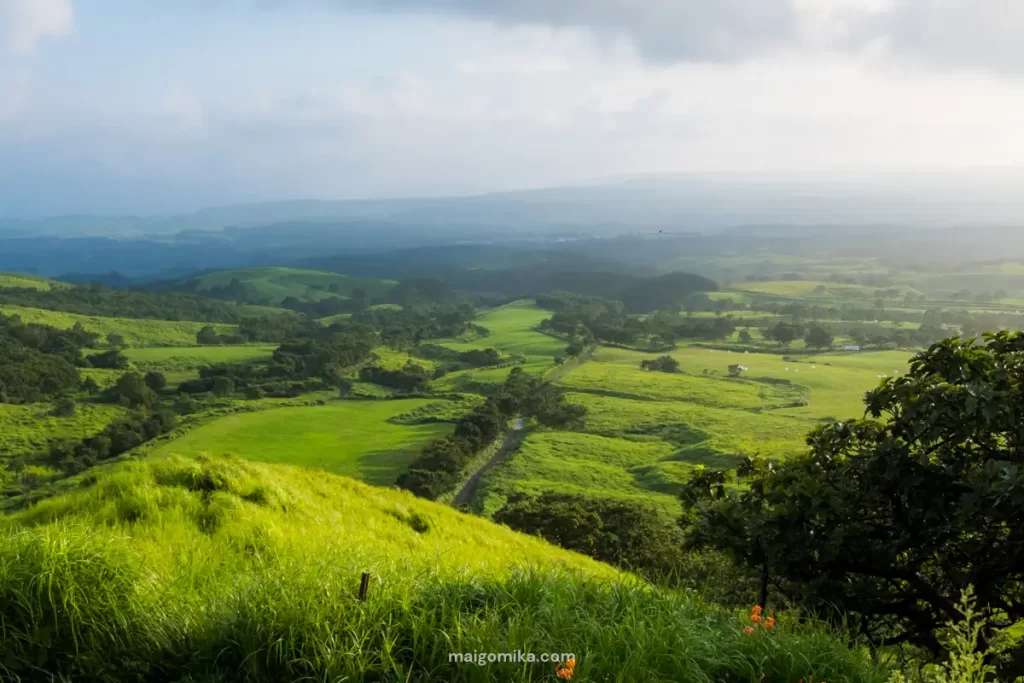
As someone who lives here in rural Japan, my concept of the countryside, “inaka,” is shaped by daily life. For me, it means a mountain road with no signal, no convenience store within a 30-minute radius, and a bus that comes twice a day (and if you miss it… well, you’re waiting awhile).
However, depending on who you ask, inaka — which simply means “countryside” in Japanese — can mean something completely different.
I’ve heard it used to describe bamboo forests next to trendy cafés in the outskirts of Kyoto. Or even a suburb just 30 minutes outside an urban center. Meanwhile, I’m thinking, Wait… you can get there without a rental car?
And honestly? All of these places count as the inaka. The real difference comes down to the logistics when incorporating it into your Japan itinerary. So, if you’re planning a rural Japan itinerary and wondering where the best places to visit in the Japanese countryside are, the better question isn’t just What is the inaka? It’s: What level of countryside fits your travel style?
To help you put together your rural Japan itinerary, I’ve come up with three distinct “inaka levels” — from easy countryside day trips to deep mountain isolation, so that you can choose the version of rural Japan that actually works for you.
Level 1: For first-time visitors: Easy countryside day trips near major cities
Level 2: For slower travel: Small rural towns accessible by train with overnight stays
Level 3: For adventurous travelers: Remote mountain villages and hidden onsen best reached by car
- Level 1: Easy Countryside (Best for First-Time Visitors)
- Level 2: Rural Base Towns (Easy Overnight Stays)
- Level 3: Deep Inaka (For Adventurous Travelers)
- How to Choose the Right Rural Japan Itinerary for You
- What’s Your Inaka Level? (Quick Quiz)
- Final Thoughts: There Is No “Best” Countryside — Only the Right One for You
- FAQ: Rural Japan & Countryside Travel
Level 1: Easy Countryside (Best for First-Time Visitors)
✅ Best for: People who want rural scenery without the stress.
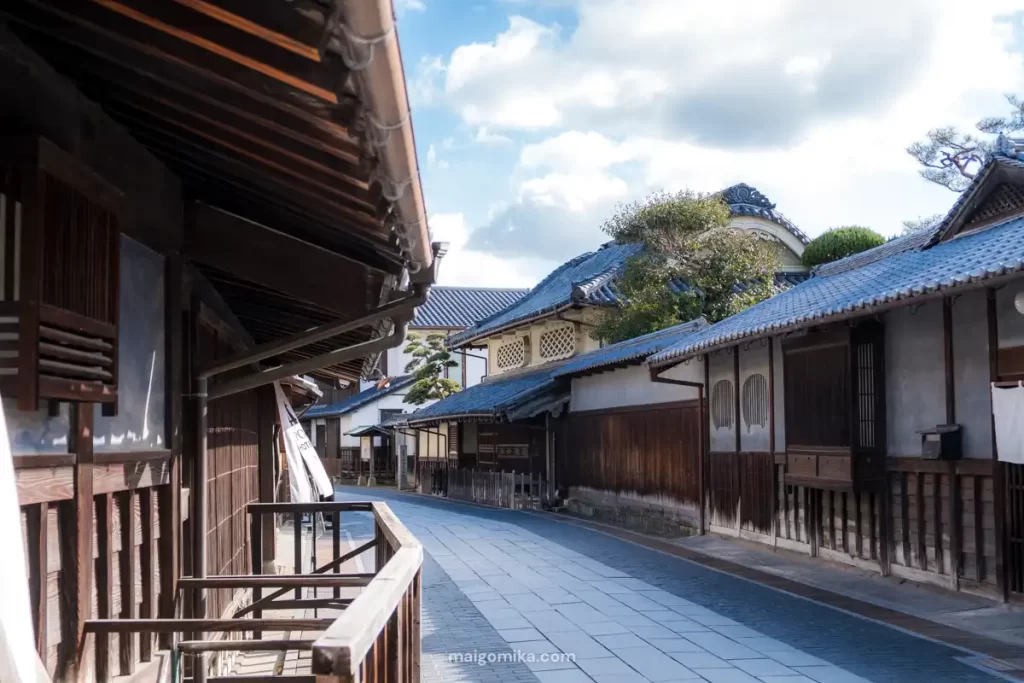
This level of inaka is perfect if it’s your first trip to Japan — or if you’re short on time but still want to experience the Japanese countryside.
With a Level 1 inaka trip, you can hop on a train and get that slow-train-through-the-countryside moment. You’ll find yourself surrounded by rice fields, quiet shrines, coastal views, or little mountain villages that feel a world away from the city.
And then, at the end of the day, you head back to a hotel with reliable Wi-Fi and a 24-hour convenience store downstairs.
Often, just a 30–60-minute train ride is enough to land you somewhere that feels distinctly non-metropolitan but still incredibly manageable.
From a logistics standpoint, Level 1 countryside destinations are straightforward to visit. They’re typically reachable by frequent trains and well-connected public transport, and many restaurants offer English menus. Credit cards are commonly accepted, and cell service is usually strong enough for maps and travel apps.
A level 1 inaka destination is also great as a day-trip.
Who is this Rural Japan level for?
- First-time Japan travelers
- People doing a 7–10 day trip
- Travelers nervous about driving
- Anyone who wants a countryside taste without committing fully
- Have a hub base in a major city and want just a day trip
Best Level 1 Rural Day Trips in Japan
Tomonoura, Hiroshima
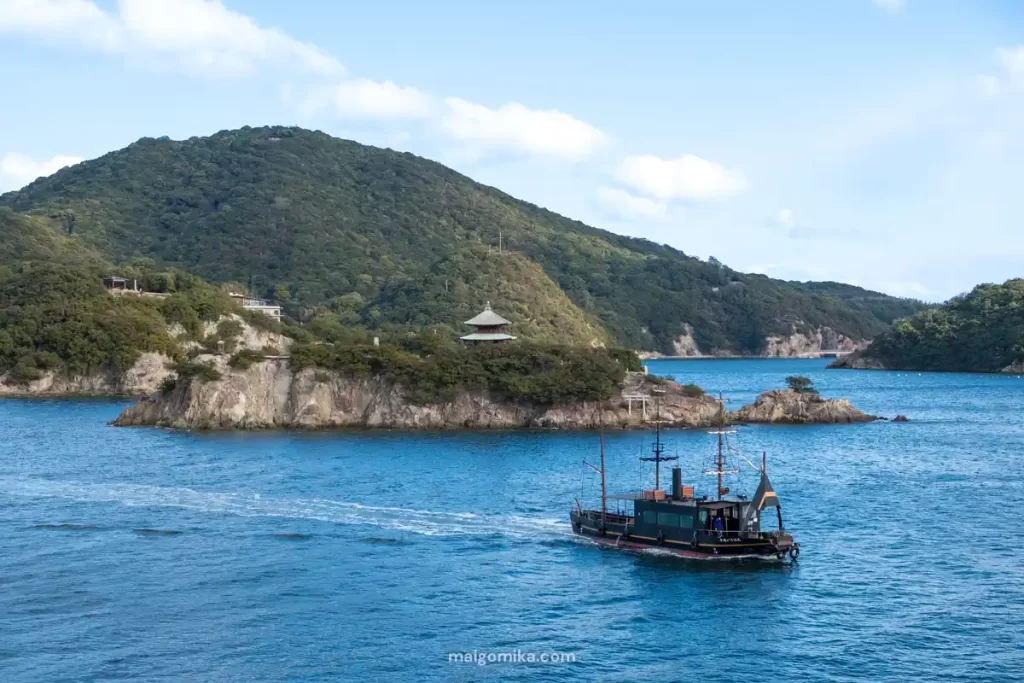
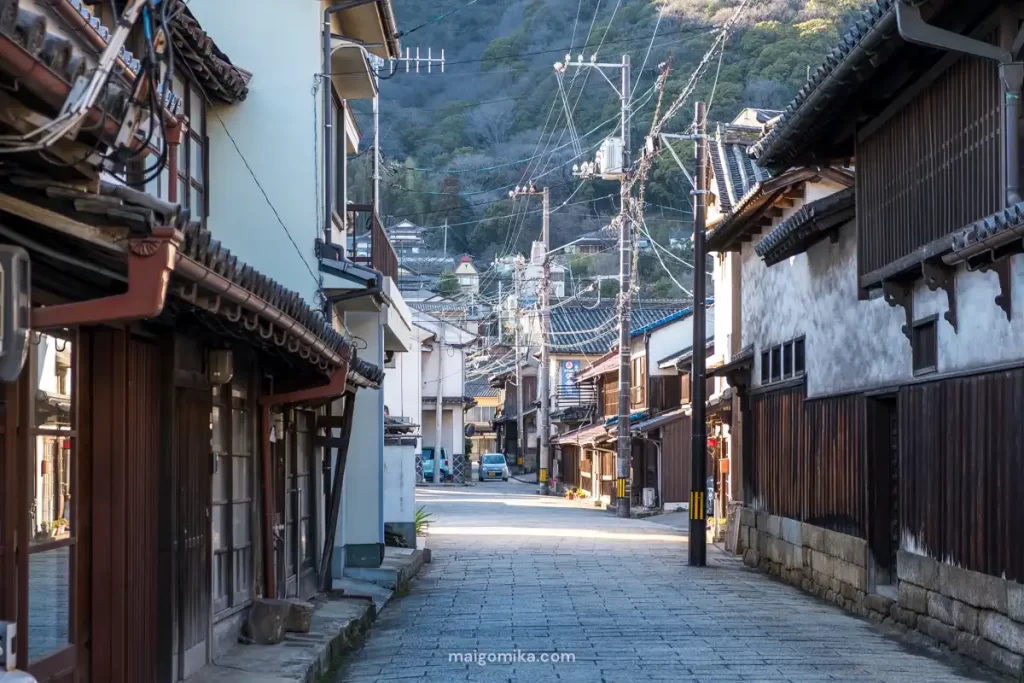
A port town along the Seto Inland Sea, Tomonoura is all narrow lanes, Edo-period merchant homes (keep your eyes peeled for walls sheeted with wooden boards from fishing boats), and a harbor that inspired the scenery from Ghibli’s Ponyo.
Onomichi, Hiroshima
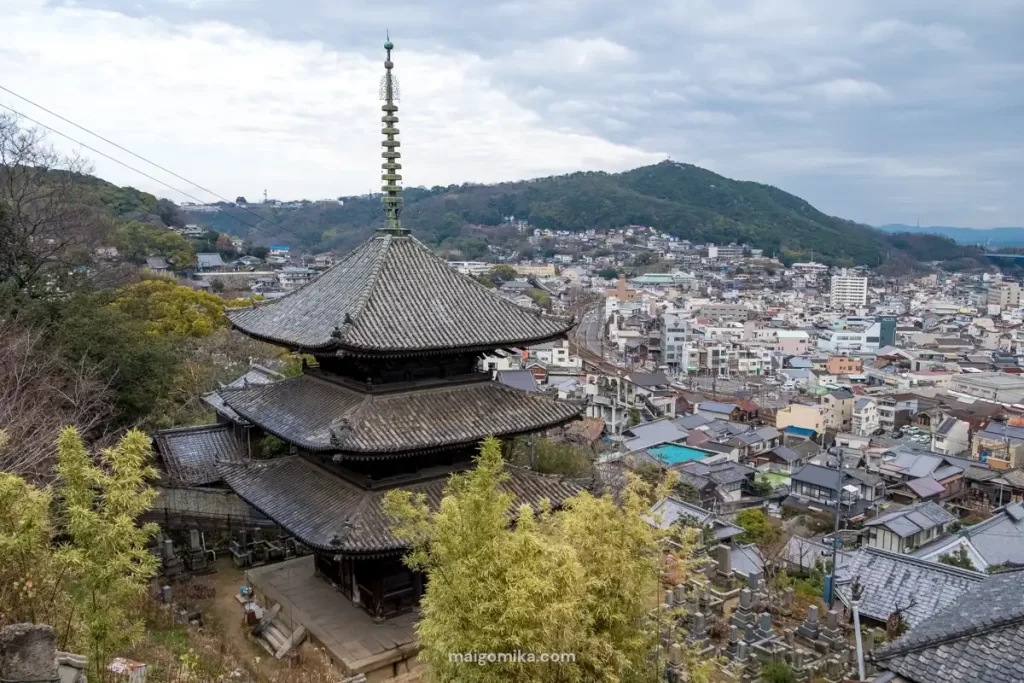
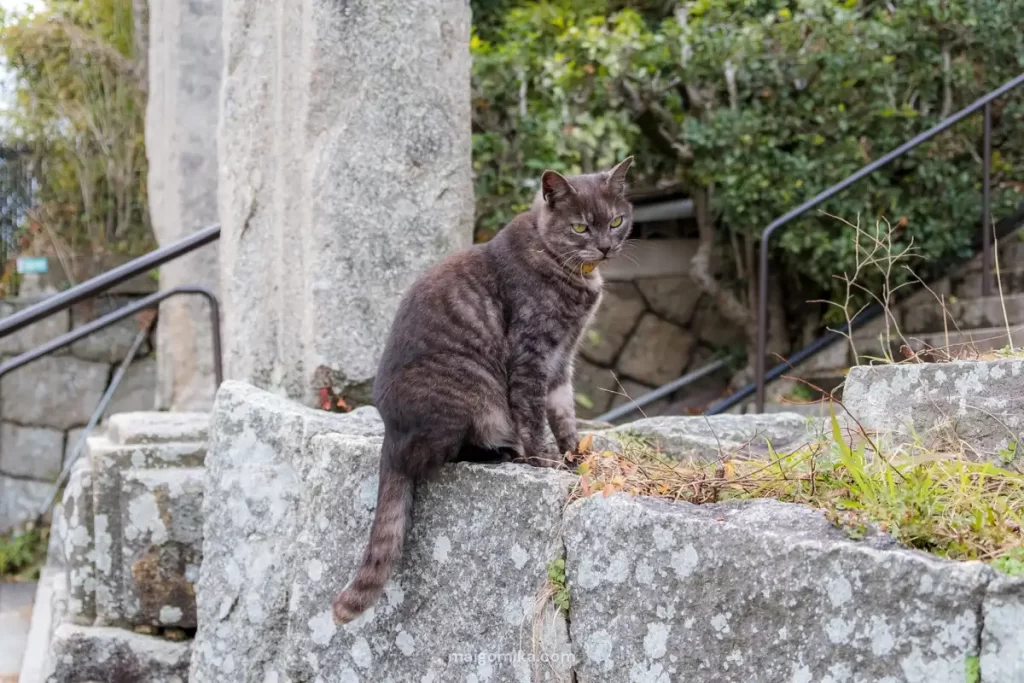
Onomichi is famous for its temple walk, the second-longest shopping arcade in Japan, and a relaxed literary atmosphere. Oh, and lots of cats. It’s also the gateway to the Shimanami Kaido cycling route — making it feel rural and scenic, but still incredibly accessible.
Takehara, Hiroshima
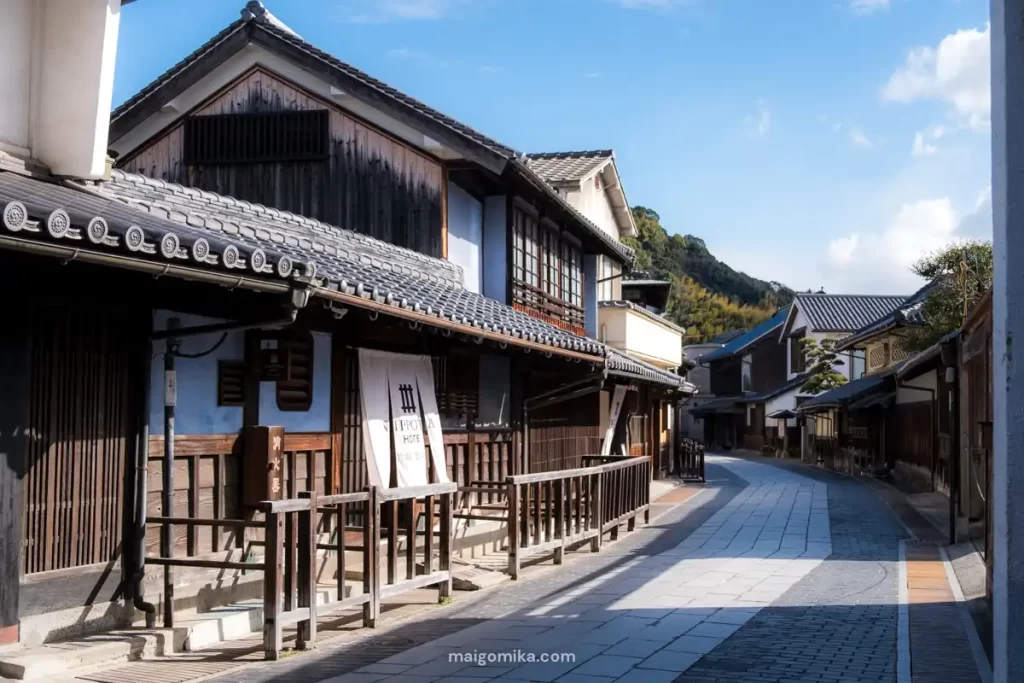
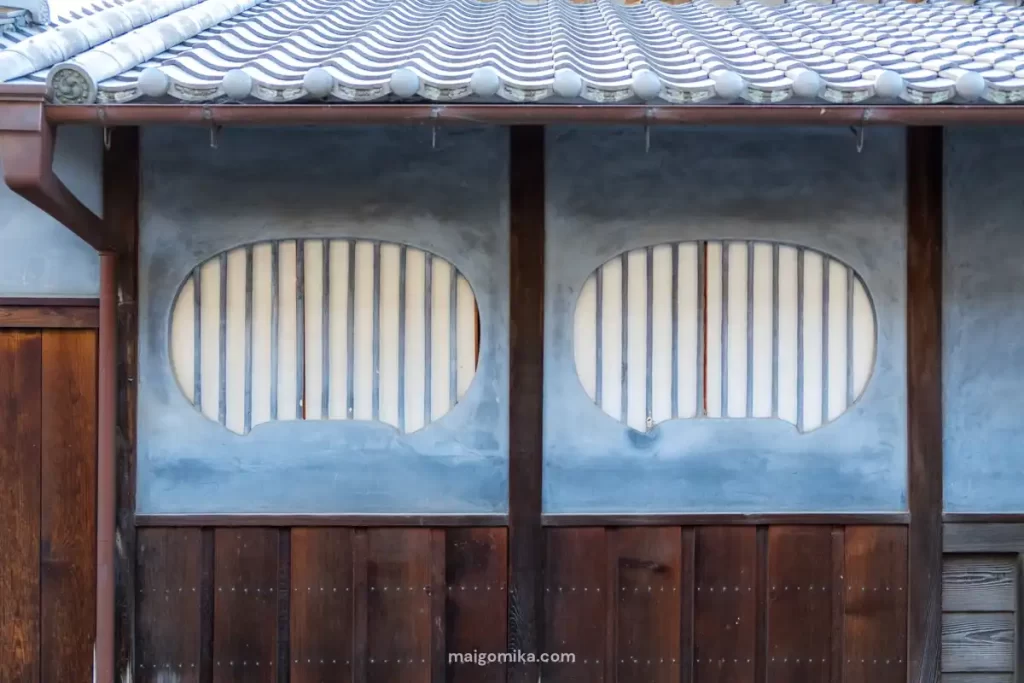
Takehara is really charming with its merchant district, award-winning historic sake breweries, and bamboo crafts decorating the streets. It’s very compact and ideal if you love traditional architecture and, of course, good sake. And if you feel like splurging, there’s a Nipponia boutique hotel here — a hotelier who converts historic buildings into wonderful overnight experiences. In Takehara’s case, you can sleep inside a former bank vault.
Aside from my above excursions, I’ve also included a few recommendations from my friend Kristina from inner-japan.com if you are in Tokyo, Osaka, or Nara. She’s more of an expert when it comes to city-based tips and easy countryside escapes from those major centers:
- Mitake Valley, Tokyo — Just outside central Tokyo, Mitake Valley offers clear river walks, forested hiking trails, and shrine visits around Mount Mitake. It’s a refreshing nature reset that still feels very doable as a day trip.
- Chihaya Akasaka, Osaka — This small village in the mountains south of Osaka is all terraced rice fields, hiking paths up Mount Kongo, and quiet rural scenery. It’s surprisingly peaceful given how close it is to the city.
- Oku Yamato, Nara — Beyond Nara’s famous deer lies Oku Yamato — a region of pilgrimage routes, hidden temples, and layered mountain landscapes. It feels deeply historical, yet still manageable as a planned day trip.
If this is your first trip to Japan, this level is honestly perfect.
Level 2: Rural Base Towns (Easy Overnight Stays)
✅ Best for: Slow travel + scenic routes.
This is the sweet spot for many people. It feels authentic — but not isolating.
Level 2 is perfect if you want a small-city hub with easy access to nature. There are a few supermarkets, a convenience store or two, a bakery everyone loves, a train station, and maybe even taxis waiting there. Things close earlier. It’s quieter. You can actually hear the river at night.
There might be a small tourist area, but it’s the kind you can wander out of on foot or by bike — and within minutes, you’re in residential lanes or rice fields.
You might need to spend one to three hours on public transit from a major city.
Once you arrive at a level two destination, bikes can be useful for exploring beyond the main streets and into the surrounding countryside. Restaurants tend to close earlier than in cities, and while many places accept cards, having some cash on hand is still wise. Renting a car can make things easier, but it isn’t essential.
Unless you have a car, a level two inaka trip is usually better as an overnight stay rather than a day trip.
Who Is This Rural Japan Level For?
- Travelers staying 10–21 days
- People who like slower mornings
- Willing to spend up to a couple of hours on public transport to get there
Best Level 2 Countryside Towns in Japan (To Get You Started)
These places I’ve personally visited strike that beautiful Level 2 balance. They feel distinctly countryside, but they’re not logistically overwhelming. You get charm, local character, and slower rhythms… without feeling completely cut off.
Takayama, Gifu
Think preserved Edo-period streets, morning markets along the river, and cafés tucked into wooden townhouses. Add snowy, capped thatched-roof houses if you visit in the winter. They also have an open-air museum (a collection of historic buildings from various regions of Japan and historical periods) if you don’t want to take the bus to the more famous, but touristy, Shirakawa-Go. Takayama is one of the first places I visited outside Tokyo, and still one of my most memorable.
(P.S. In recent years, Takayama has become more popular with visitors, so a side trip to Hida Furukawa Old Town will give you some calm you might be seeking if Takayama doesn’t deliver for you.)
Tamba Sasayama, Hyogo
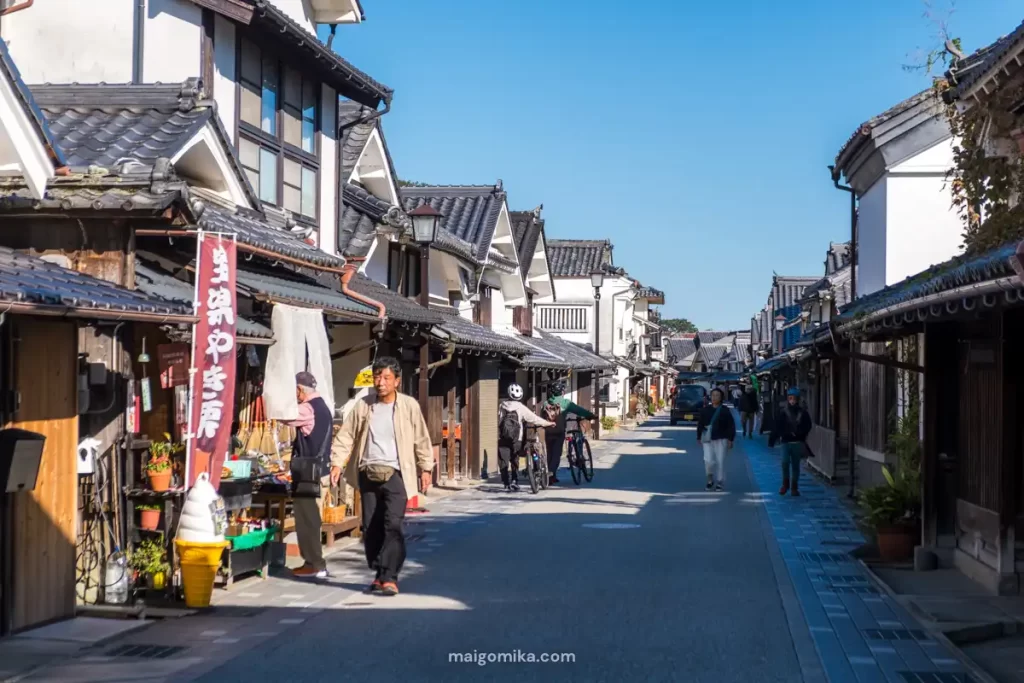
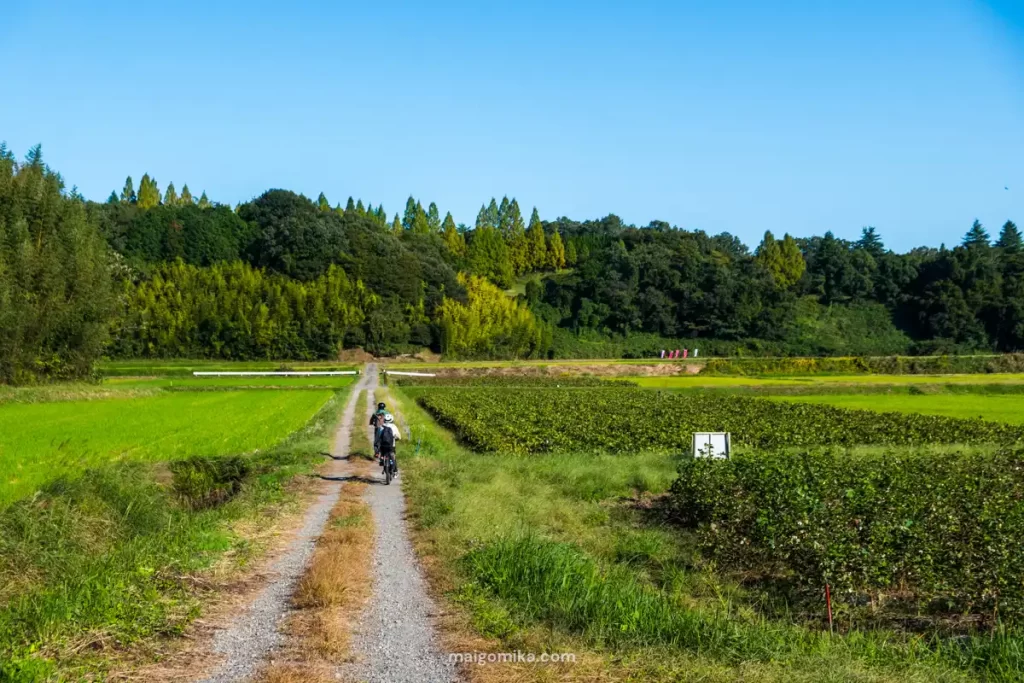
The first time I visited Tamba Sasayama, it was stormy, rainy, and thoroughly dreary — and yet I could still see how lovely this town was. Its walkable castle-town layout, 800-year-old pottery tradition, and sake breweries that play classical music to fermenting vats (apparently to improve the flavor) give it depth and character, all without feeling overly polished or tourist-heavy. If it does get busy (which it can, admittedly, with tour buses), the surrounding farmland is close enough to escape into. Just hop on a bike, and within minutes you’re pedaling through open fields and quiet country roads again.
Yufuin, Oita
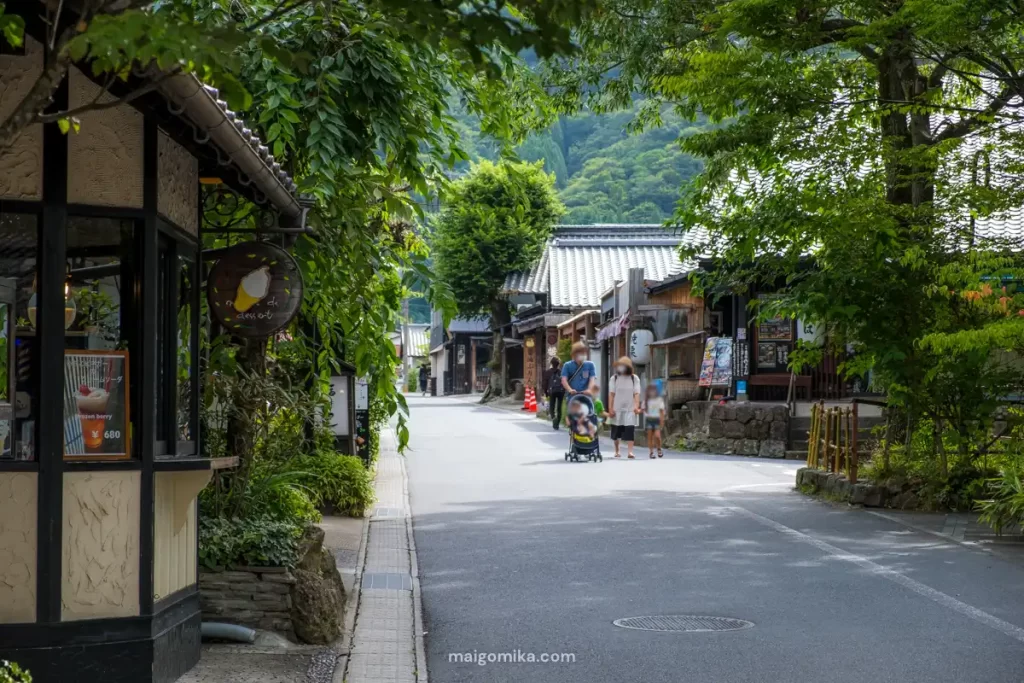
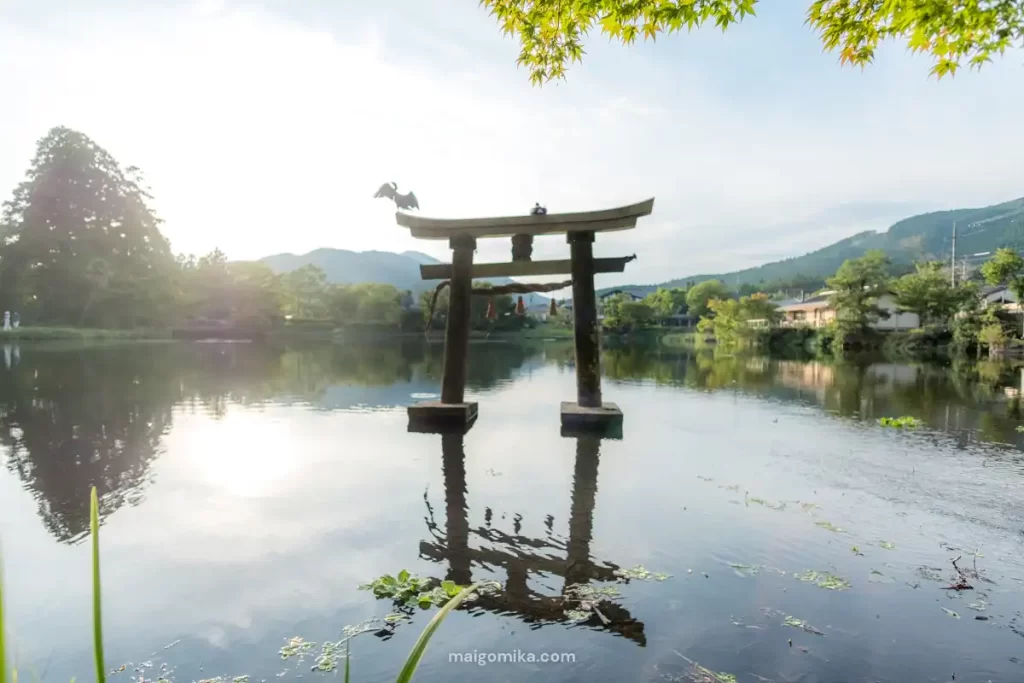
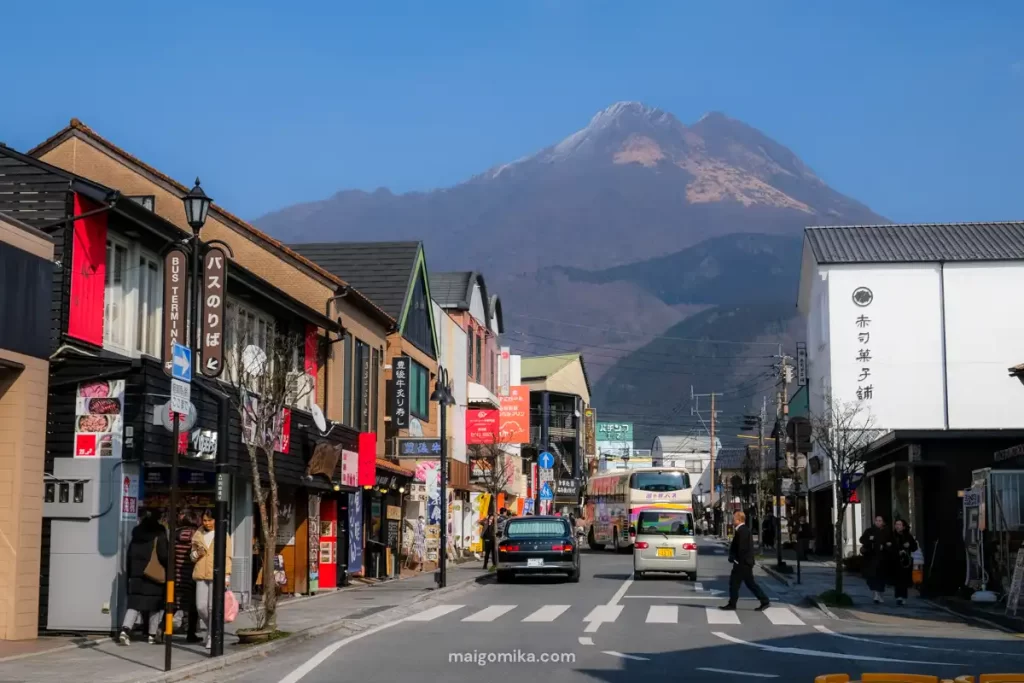
Yufuin is a famous hot spring town with some of the lushest green meadows I’ve seen, and its iconic Mount Yufu, with its twin-peaked top. While I have met people who complain that Yufuin is too touristy (and yes, it does have one touristy shopping street and those owl cafés I dislike…), I still stand by this one. Even a short walk or bike ride (which you can rent from their Shigeru Ban-designed tourist center) will take you through some of the most beautiful countryside landscapes I have ever seen in Japan.
Hita, Oita
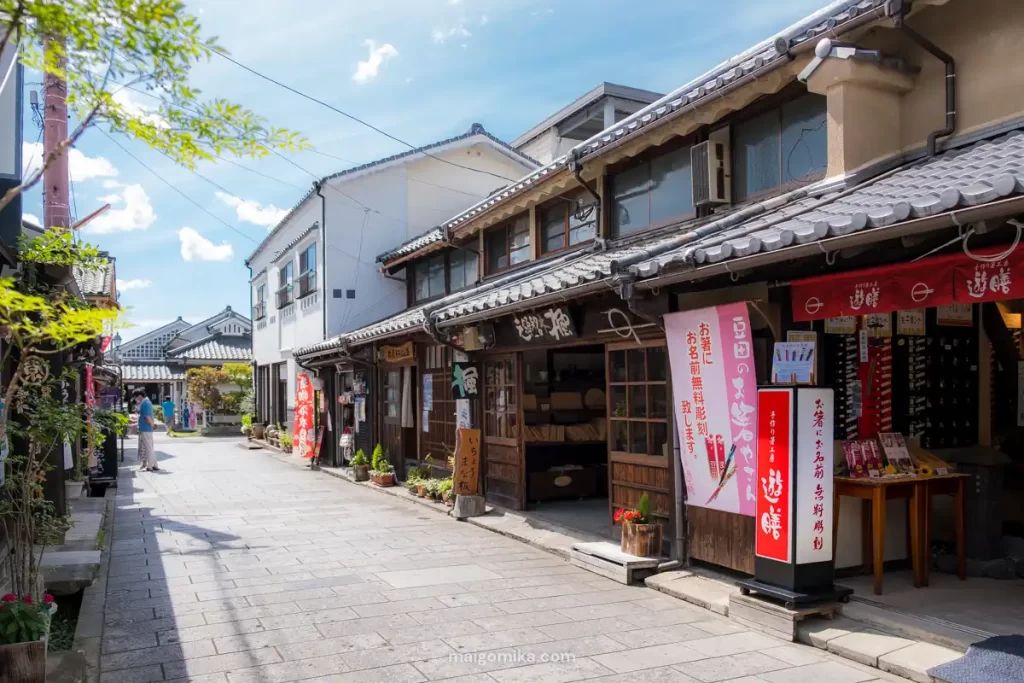
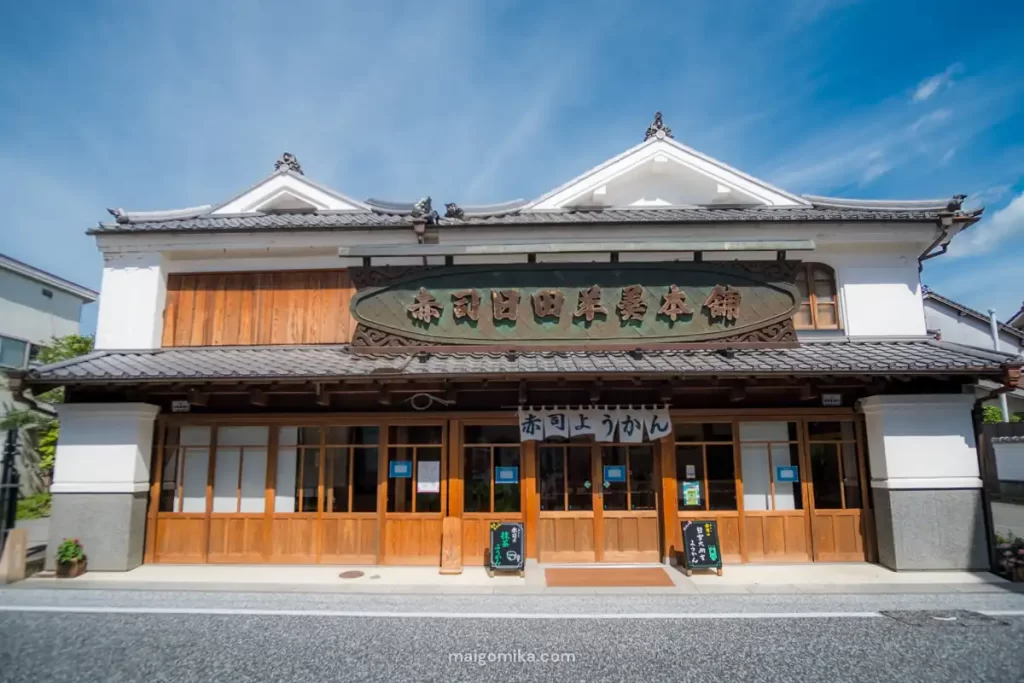
Once an important river port and administrative center during the Edo period, Hita is now a merchant district with white-walled storehouses, wooden facades, and narrow streets, all of which are very walkable. There’s a museum at the back of the soy sauce brewery with a really impressive collection of Hina dolls (for Japan’s March 3rd Girls’ Day Festival). Hita is also the birthplace of the Attack on Titan manga artist Hajime Isayama. Fans can also plan a visit to his dedicated museum and to the statues in front of Hita Station.
If you include Onta Yaki Village in your Hita itinerary, a living craft village that still uses traditional water-powered wooden pounders to prepare clay, Hita might feel more like a bridge between Level 2 and Level 3 inaka levels.
👉 If you’re considering this level, read 15 Things No One Tells You About Traveling Rural Japan. It covers early train cutoffs, reservation culture, and why spontaneity works differently out here.
If this is your first or second trip to Japan, this level will still be very doable, depending on how much time you have in your itinerary.
Level 3: Deep Inaka (For Adventurous Travelers)
✅Best for: Curious globe trotters who are seeking mountain villages, hidden onsens, and very rural destinations. (And yes, I live in this category!)
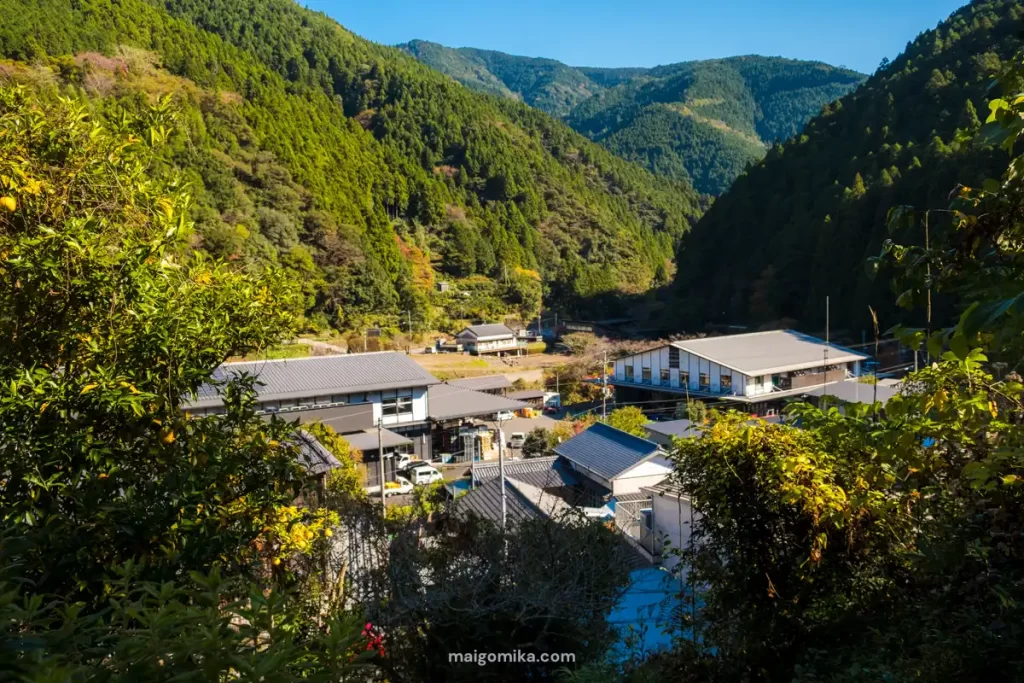
A level three deep inaka is true remote countryside. It’s quiet-quiet. This is where you stumble across hidden onsen in caves, deep in the forest, or right along the edge of the sea. Where mountain roads wind endlessly, local festivals are community first, and people are out in their gardens, and someone might hand you a cucumber or a bag of mikan. You might go an entire afternoon without seeing another tourist (except yourselves).
However, you will likely find little to no late dining options. No English signage. Infrequent public transportation. No convenience stores for late-night snack runs. And the internet might cut out on you randomly.
You might travel a couple of hours from a major city to a regional hub… transfer to a local train… switch at a smaller station… and then catch a bus that runs a few times a day. In some cases, you should anticipate most of a full travel day to get there.
It’s not impossible for a first-time traveler — but it does require patience, flexibility, and a bit of confidence reading timetables. A more seasoned traveler, especially someone comfortable renting a car and navigating rural roads, will usually find this level much easier to manage.
Restaurant options can be limited and may close irregularly, convenience stores might be half an hour away, and internet or cell service can disappear entirely once you enter deeper mountain areas.
For a deep inaka trip, plan 2–4 days for overnight stays and travel time combined.
Who Is This Rural Japan Level For?
- Repeat visitors to Japan
- Travelers staying 14+ days
- Travelers who are willing to accommodate travel time in their itinerary
- People are comfortable driving
- Travelers who are flexible with plans to shift
Best Level 3 Deep Inaka Destinations in Japan
These are the kind of places where you check the train schedule twice, pack snacks “just in case.” But once you get there? You’ll get what the fuss is about.
Bungo Takeda, Oita
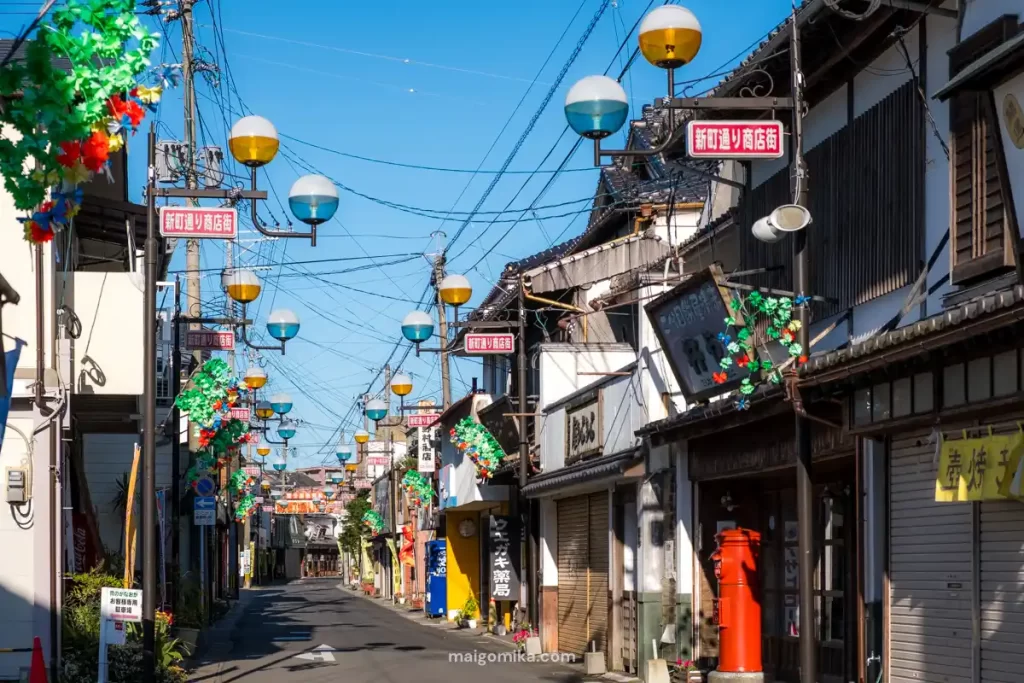
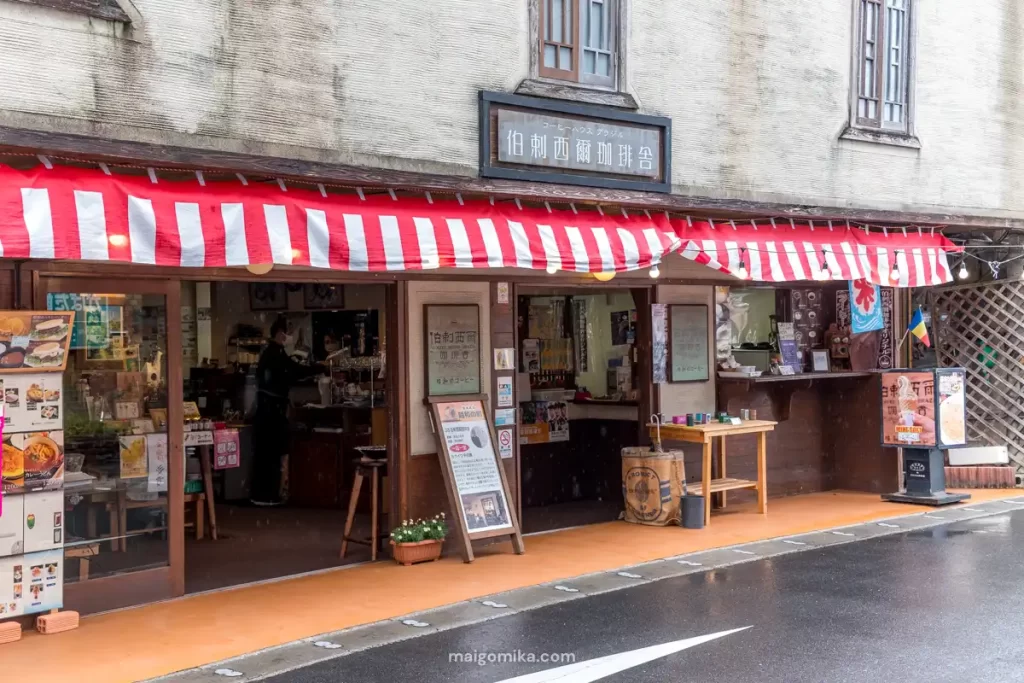
Retro Showa-era shopping streets. An immersive TeamLab museum. A toy museum housing over 3,000 antique treasures. It’s also home to one of my personal favorite Showa museums in Japan. While you can reach Bungo Takeda by public transport, I’d recommend pairing your visit with a car.
Having your own wheels will let you explore beyond the town itself into the neighbouring Kunisaki Peninsula — a mountainous, quietly spiritual landscape where ascetic monks once trekked between shrines more than 1,200 years ago (plus some impressive Buddhist carvings in a rock cliff you can trek to see).
Staying overnight out there, surrounded by forested peaks and ancient temple paths, is what really completes the inaka experience.
Kurokawa Onsen, Kumamoto
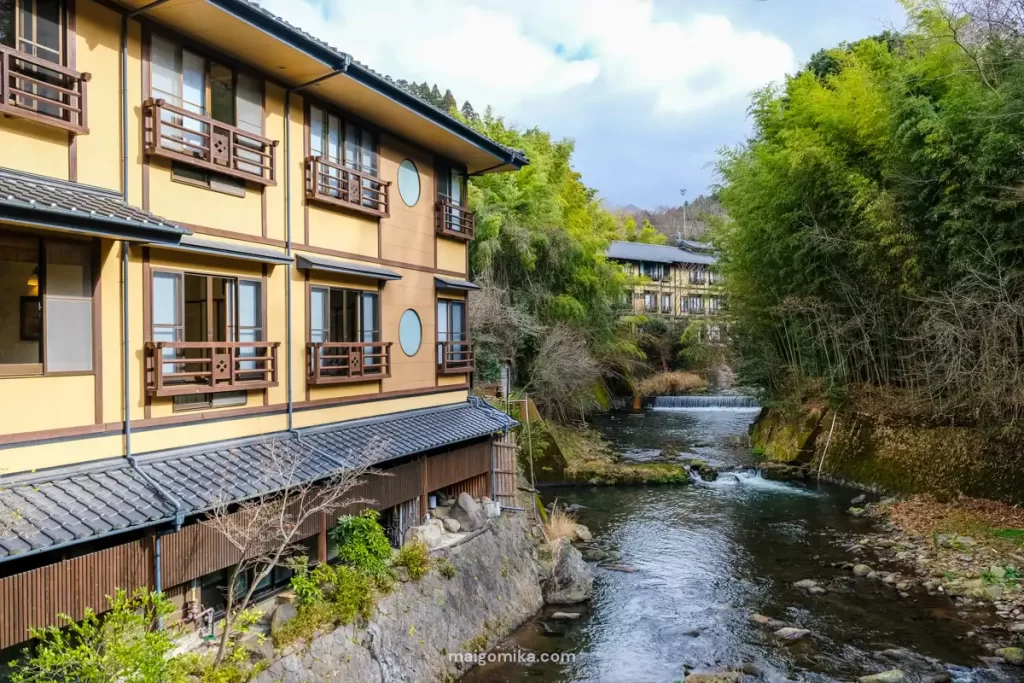
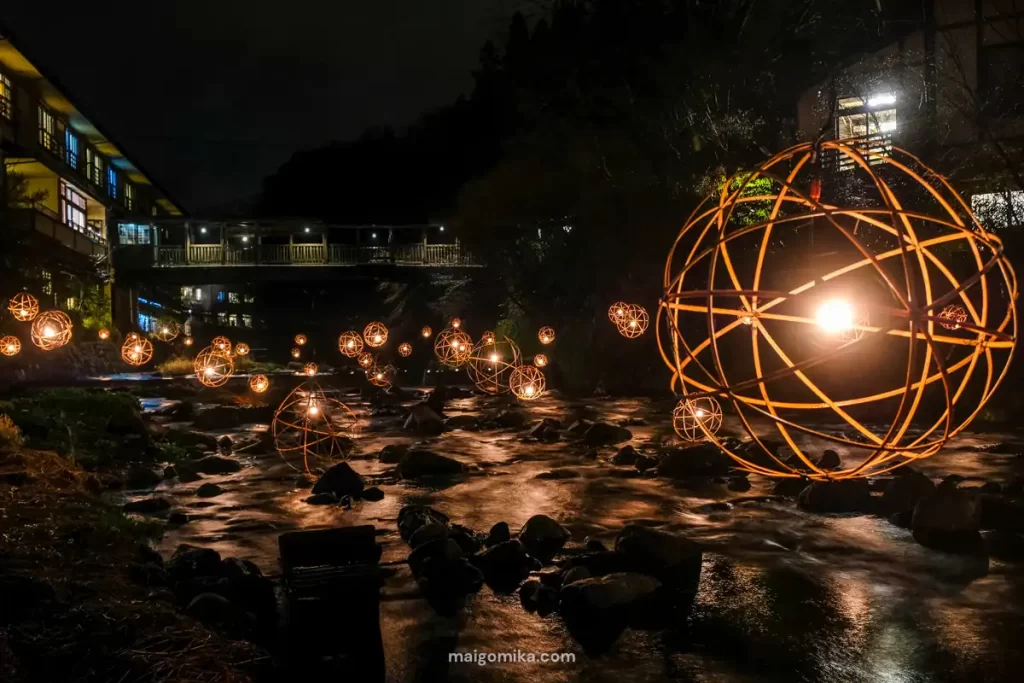
An utterly magical onsen town in the mountains, with open-air baths (rotenburo). All you have to do is walk around the village in a yukata, moving from bath to bath with a wooden bath pass, eat in your ryokan, sleep on a futon bed, and repeat.
Umaji Village, Kochi
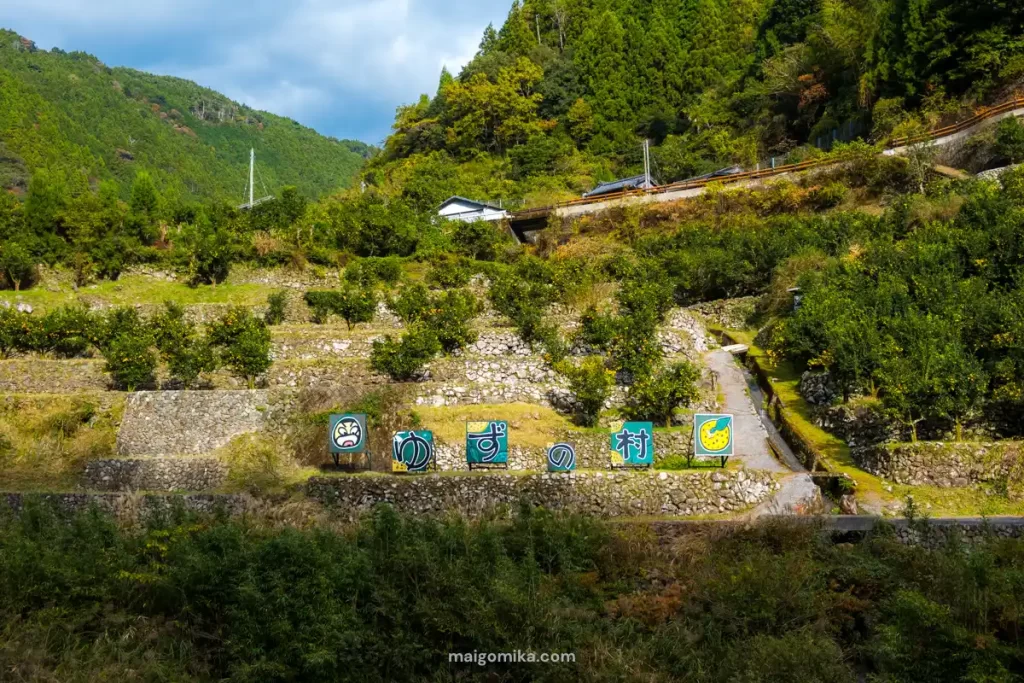
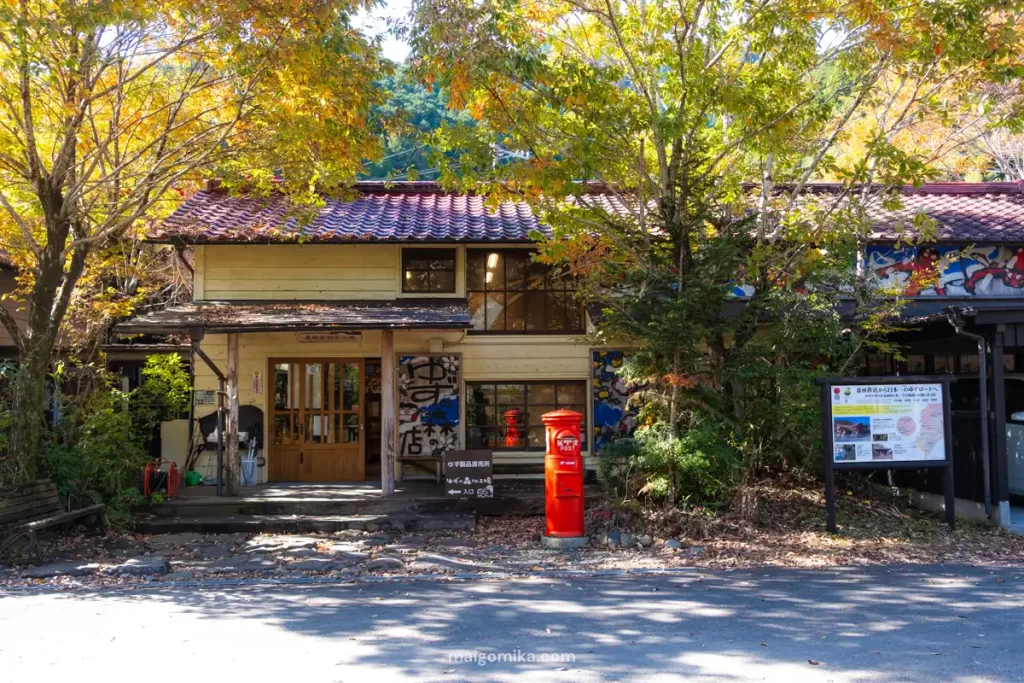
Umaji Village is Kochi Prefecture’s second smallest village, best known for its organic yuzu. There’s a single bakery and coffee shop, a self-guided tour through the packing facility for their ready-made yuzu products, and one onsen hotel. This is the kind of place where you wander slowly, stock up on bottles of yuzu ponzu and marmalade, dip your feet in the river, and watch locals greet each other by name as they go about their day.
The journey to a level 3 countryside destination isn’t hard. And usually, once you arrive, you’ll understand why it takes a little effort to reach.
How to Choose the Right Rural Japan Itinerary for You
The wrong level isn’t “too rural.” Instead, it might just not be a good match for your travel style. Before you book anything, ask yourself:
- Am I comfortable adjusting to early closing times?
- How stressed do I get if plans shift?
- Do I want silence — or convenience?
- Am I willing to rent a car?
Ultimately, the further you go from cities like Tokyo and Kyoto, the more these questions matter.
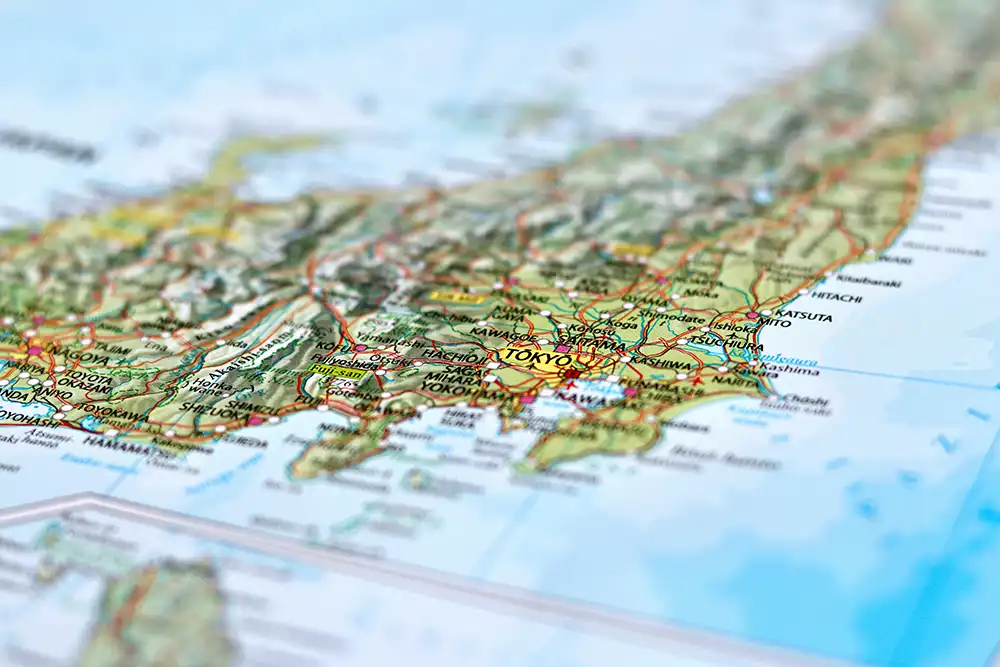
If internet reliability matters to you (for maps, translation apps, train schedules), I break down the pros and cons in my full eSIM vs Pocket WiFi in Japan Guide, including what to watch out for when traveling in the countryside.
What’s Your Inaka Level? (Quick Quiz)
To really find out what your inaka level is, take a quick quiz to see which one aligns with you and find your inaka match!
1. How do you feel about driving on the left side of the road?
A) Absolutely not
B) Maybe, if needed
C) Sounds fun!
2. If the last train leaves at 7:12 PM, you…
A) Panic
B) Adjust plans
C) Think, “Perfect!”
3. Your ideal evening is:
A) Izakaya hopping late into the early morning
B) A quiet dinner and an early night
C) Crickets, stars, and zero noise
4. How important is strong Wi-Fi?
A) Extremely
B) Moderately
C) I can survive offline
If you are mostly A’s, you’re Level 1 Inaka: Easy Countryside. You’ll love scenic day trips with a comfortable city base.
If you are mostly B’s, you’re Level 2 Inaka: Rural Base Town. You’re ready for a rural Japan experience without going fully off-grid.
If you are mostly C’s, you’re Level 3 Inaka: Deep Inaka. Pack snacks, download your maps, and welcome to the quiet life.
Final Thoughts: There Is No “Best” Countryside — Only the Right One for You
I love deep rural Japan. The winding roads. The quiet. That said, “more remote” doesn’t automatically mean better.
Some of my most memorable countryside moments have been just a 30-minute train ride out of the city — an afternoon among rice fields, a quiet shrine, a bakery that closes at 3 p.m. — followed by an easy ride back to the city. Other times, it’s been sitting in total silence in a mountain village, sitting in an onsen overlooking a river, with only the sounds of crickets filling the night air.
Wherever you land on the inaka scale, I hope you find the version that feels like yours — and that you enjoy it fully, at your own pace.
Planning Your Countryside Trip?
If you’re leaning toward Level 2 or Level 3, these guides will help you prepare realistically:
FAQ: Rural Japan & Countryside Travel
The best countryside in Japan for tourists depends on your travel style. If you want an easy introduction, choose a countryside day trip near a major city (Level 1). If you want a quieter base with nature and local life, choose a small rural town for an overnight stay (Level 2). If you want remote villages and hidden onsen, choose deep inaka destinations (Level 3).
“Inaka” (田舎) simply means “countryside” in Japanese. But in practice, it can describe everything from a small town outside Tokyo to remote mountain villages with limited transportation and few services.
Yes — rural Japan is worth visiting if you want quieter scenery, local food culture, small-town festivals, and a slower pace. Many travelers find countryside Japan more memorable than big cities because it feels more personal and less crowded.
Often, yes — especially Level 1 and many Level 2 destinations. You can reach plenty of countryside towns by train and bus. For Level 3 destinations, a rental car is often the easiest (and sometimes the only practical) option.
For a countryside day trip (Level 1), you only need one day. For a rural base town (Level 2), plan at least 1–2 nights. For deep inaka (Level 3), plan 2–4 days for overnight stays and travel time combined.
The most common challenges are early train cutoffs, infrequent buses, fewer English menus, limited late-night dining, and unreliable cell service in mountainous areas. Planning ahead helps a lot.
For most first-time visitors, Level 1 countryside destinations are the easiest starting point. These are scenic day trips near major cities like Tokyo, Kyoto, or Osaka, with frequent trains, clear signage, and simple logistics. These give you rural scenery without complicated logistics. However, if you’re staying in Japan for 10 days or more, a Level 2 rural base town can also be a great option. These small regional towns are reachable by public transit and offer a deeper countryside experience — just plan for at least one overnight stay. Level 3 destinations — remote mountain villages and hidden onsen — are possible for first-timers, but they require more flexibility, longer travel time, and often a rental car. Travelers who feel confident navigating rural transport can absolutely consider them.
It depends on the level. Level 1 and Level 2 towns usually have enough restaurants, but they often close earlier than cities. In Level 3 areas, options may be limited or irregular, so it’s smart to plan meals and keep snacks on hand.
Rural Japan is not necessarily more expensive than cities — and in some ways, it can be cheaper. Accommodation in small towns is often more affordable than Tokyo or Kyoto, and many nature-based experiences (shrines, hiking trails, scenic walks) are free. However, transportation can increase costs, especially if you need a rental car or multiple train transfers. Planning ahead helps keep countryside travel very manageable.