It all started with Showa no Machi (昭和の町).
It was my first taste of Japan’s preserved retro towns, and sparked a fascination that would lead me to seek out more of the country’s Showa-era museums, parks, and streetscapes.
Located on the Kunisaki Peninsula in Oita Prefecture, Bungo Takada’s Showa no Machi is a historic shopping district where much of the town still evokes the Showa era. Old buildings from the period line the streets, alongside vintage signs, lanterns, and storefronts that have been carefully preserved. Rather than being a single museum, Showa no Machi is a place you can simply walk around, explore the streets, and see real businesses operating in this retro setting.
At the heart of the district is Showa Roman Gura (昭和ロマン蔵), a former rice storehouse that has been transformed into a collection of Showa-themed museums and attractions. Here, the experience becomes more immersive, with recreated homes, classrooms, toys, and other exhibits dedicated to everyday life during the Showa period.
I had spent my first few years in Japan teaching English in Oita, but it wasn’t until I decided to play tourist that I finally visited Bungo Takada. What I found felt like stepping into a Japan I had never lived in, and it left enough of an impression that I’ve returned again and again ever since.
The Showa Roman Gura Museum
At the heart of Showa no Machi is Showa Roman Gura (昭和ロマン蔵), a former rice storehouse built in 1935 by a wealthy local businessman.
Today, the building has been transformed into a collection of Showa-themed attractions, including the Dagashiya Dream Museum, Showa no Machi Yumemachi 3-chome, and TeamLab Gallery Showa no Machi.
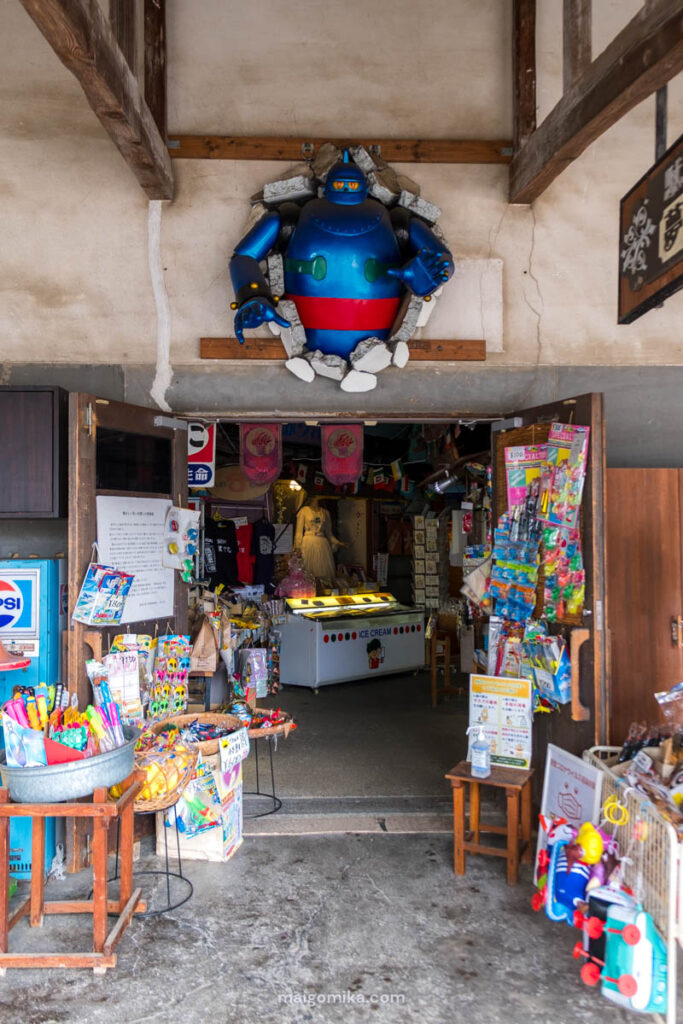
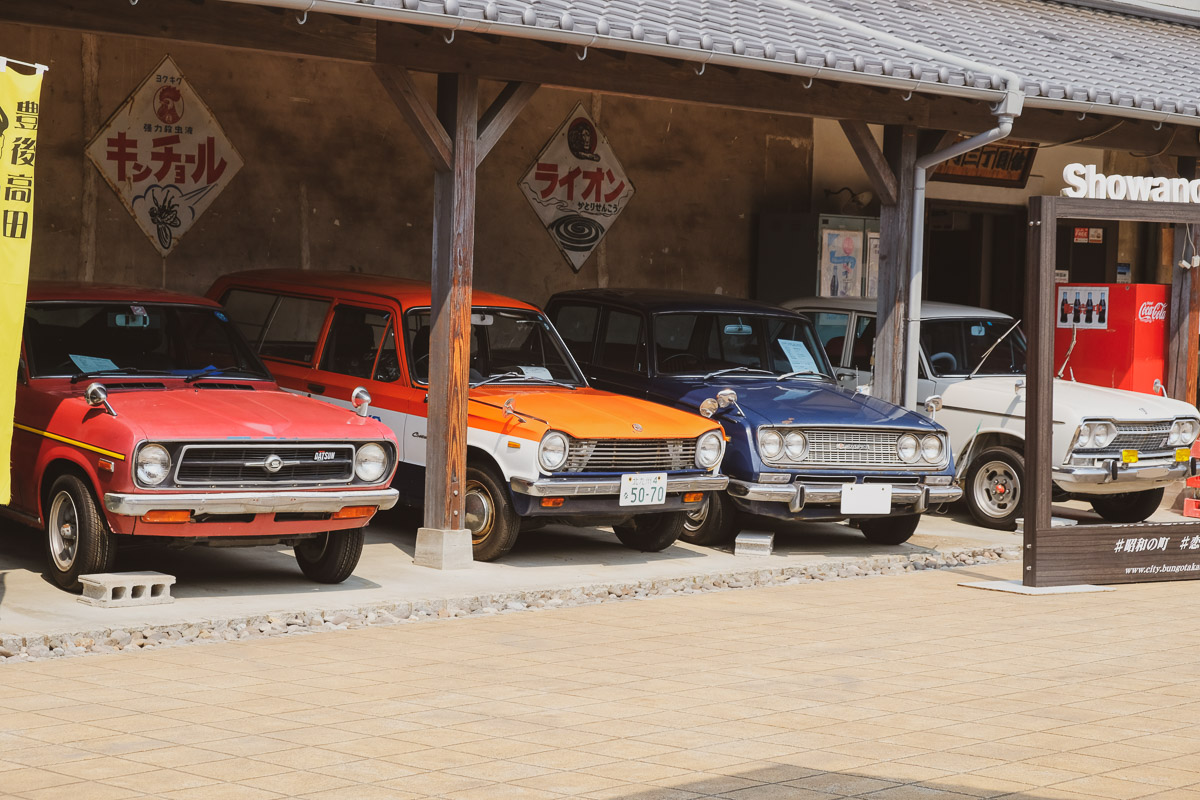
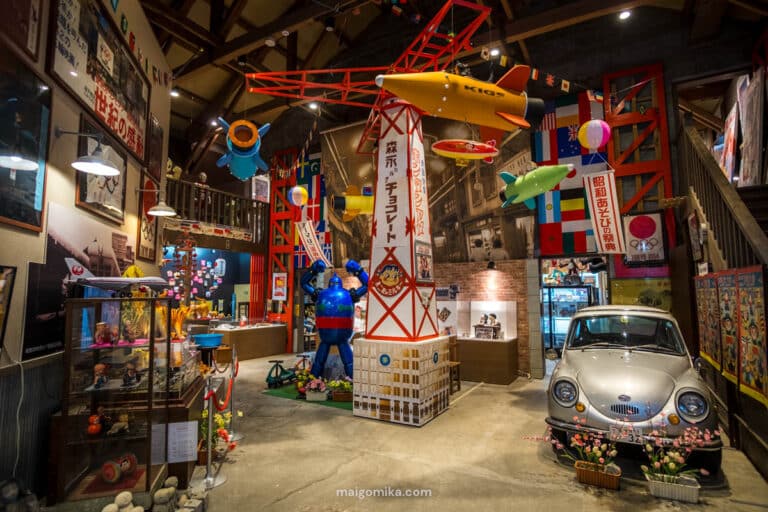
Before even stepping inside, the retro atmosphere begins with displays of old cars and bicycles—and a giant blue robot seemingly bursting through the museum wall.
Tip: There are separate entry fees for the Dagashiya Dream Museum, Showa no Machi Yumemachi 3-chome, and TeamLab Gallery Showa no Machi, though I recommend the package ticket for convenient access to this incredible museum.
Dagashiya Dream Museum
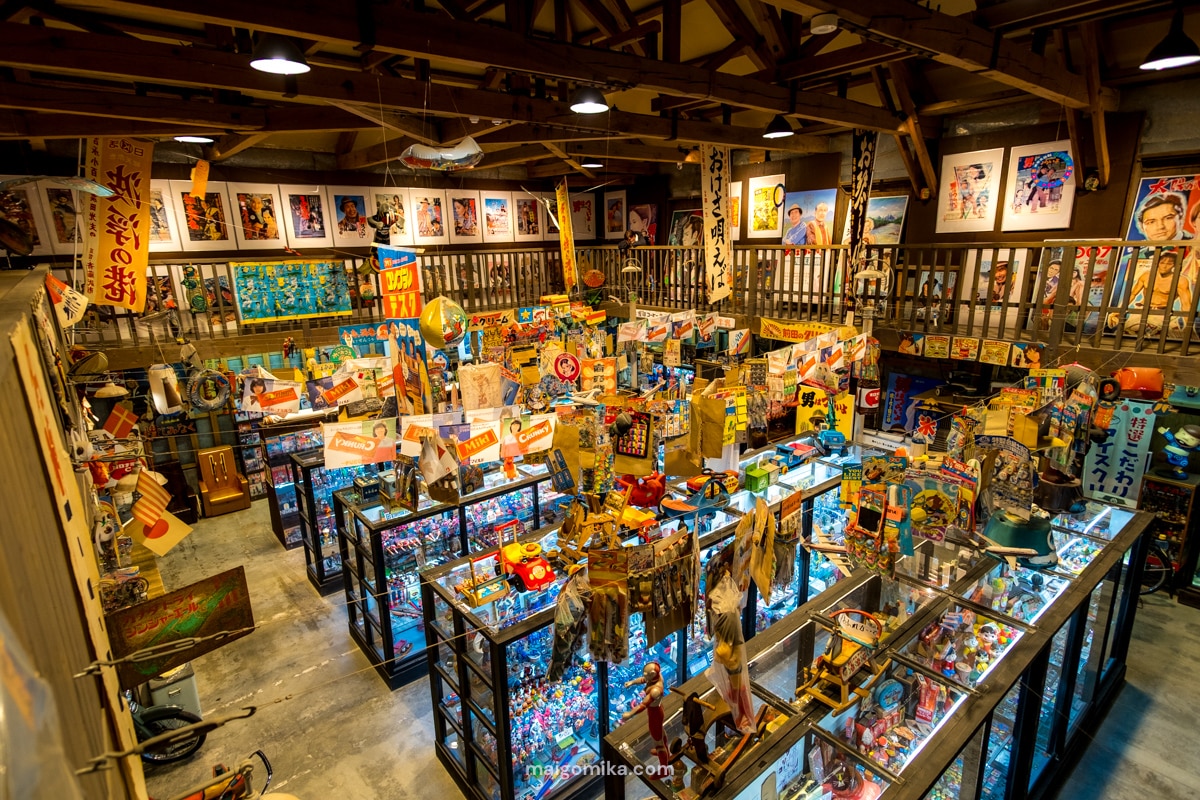
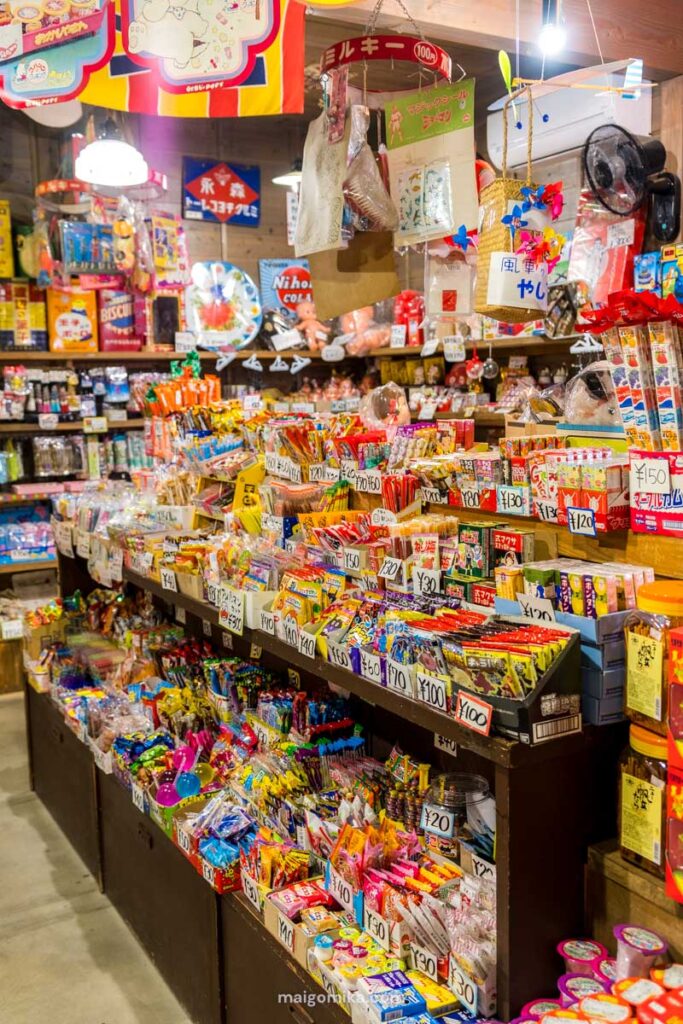
The Dagashiya Dream Museum, whose Japanese name “Dakashiya no Yume Museum” (駄菓子屋の夢博物館) charmingly translates to Candy Shop Dream Museum, is a true trove of Japanese nostalgia.
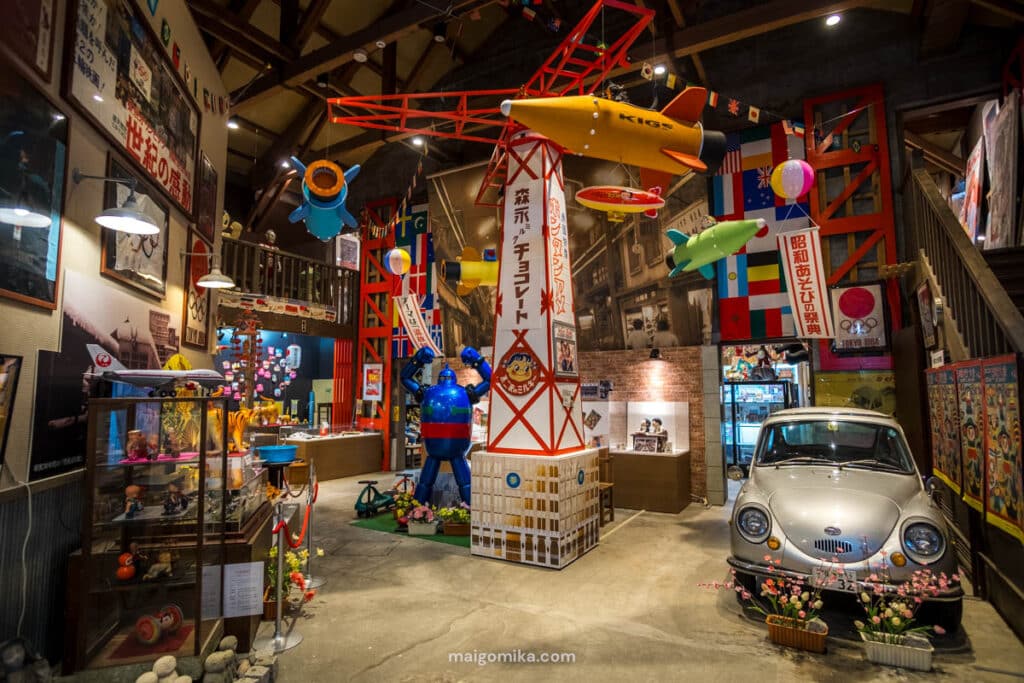
With its immense collection of over 300,000 toys, old painted movie posters, and models, a retro toy or design enthusiast could spend hours browsing through the gallery before going up to the second-story balcony for the old painted movie posters.
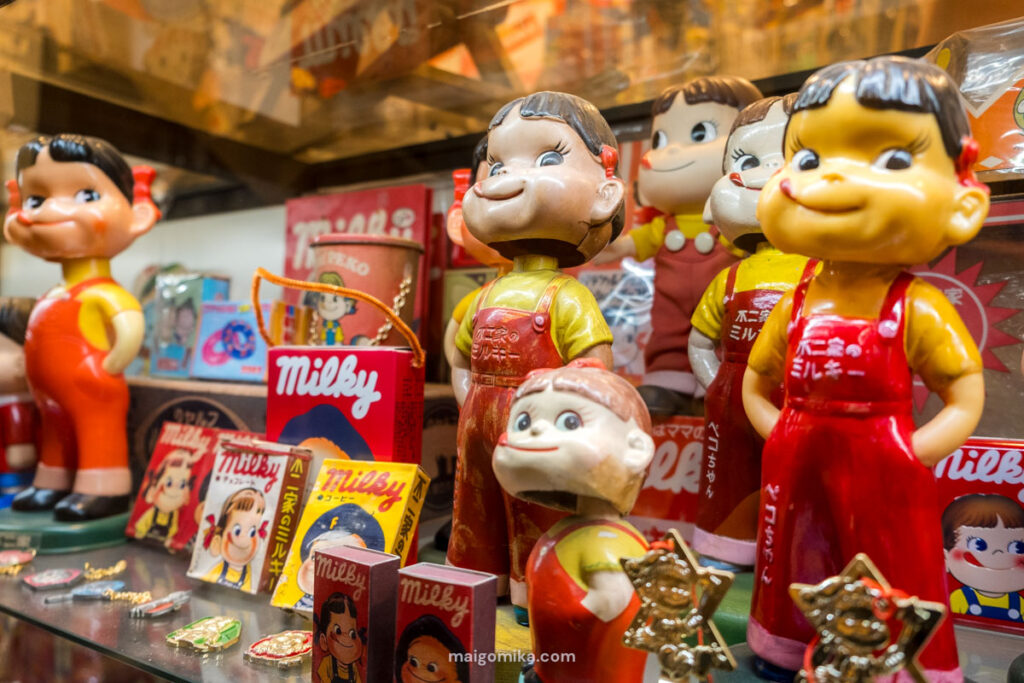
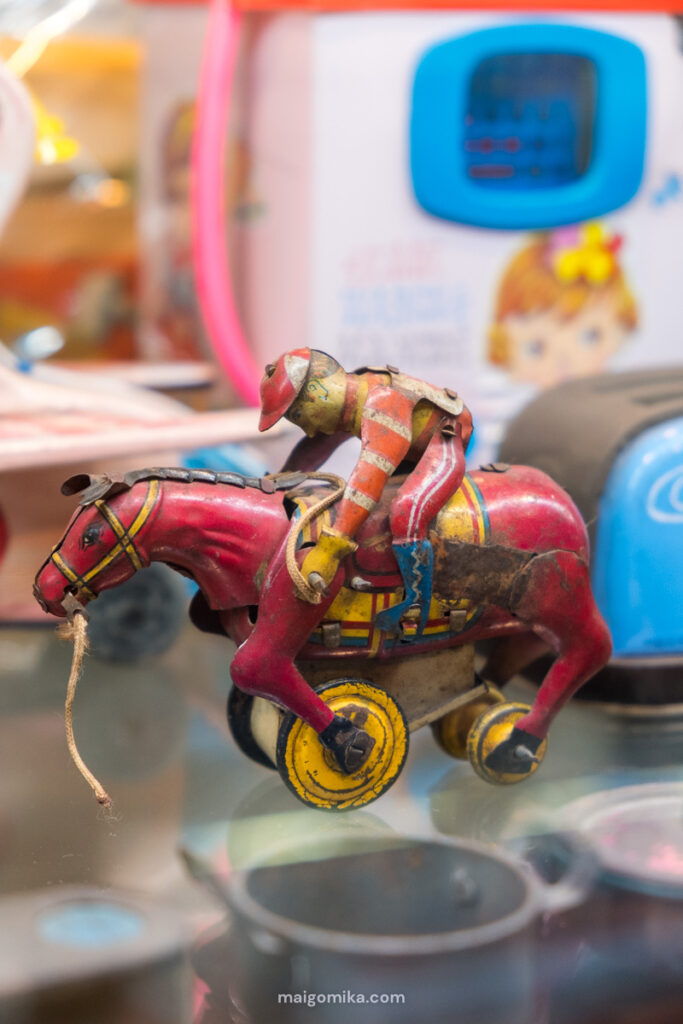
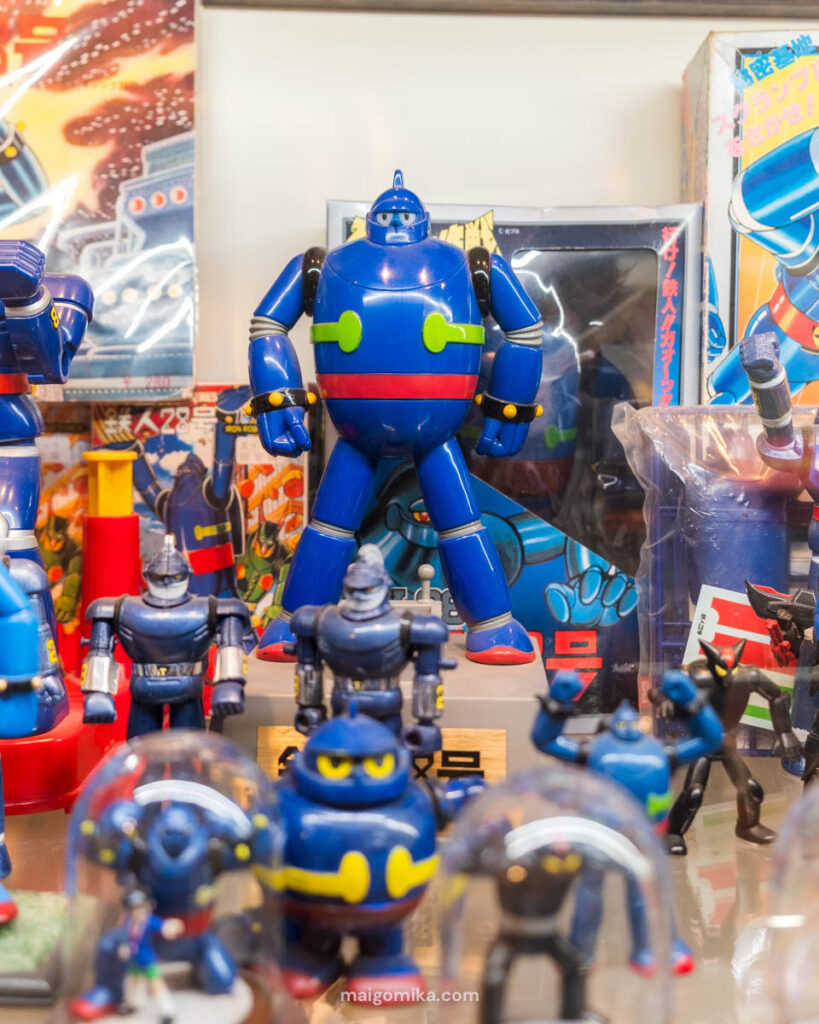
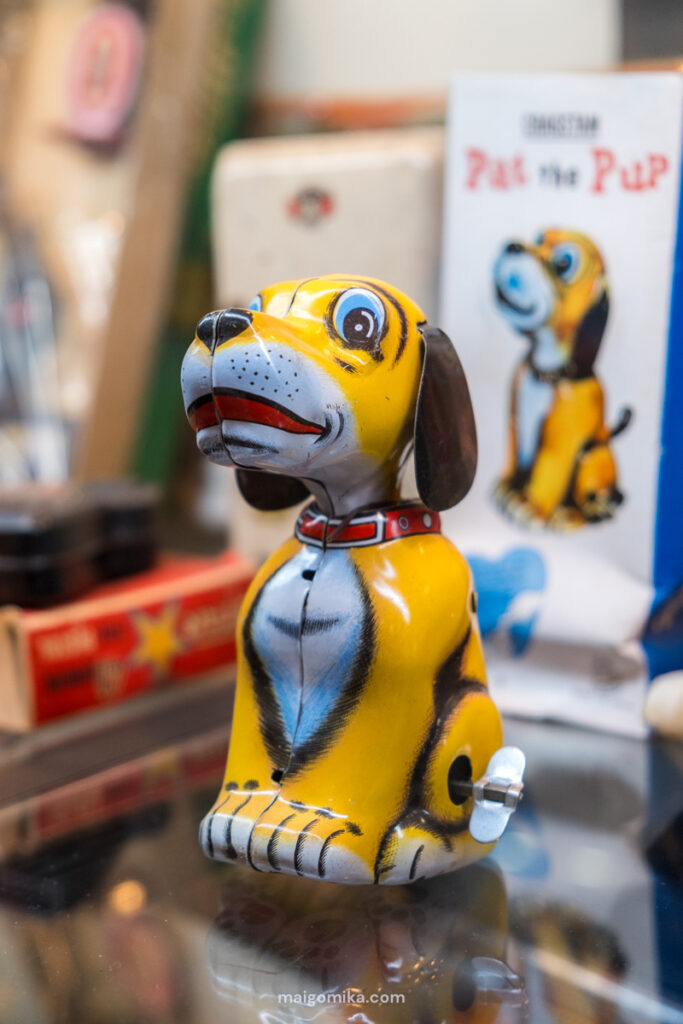
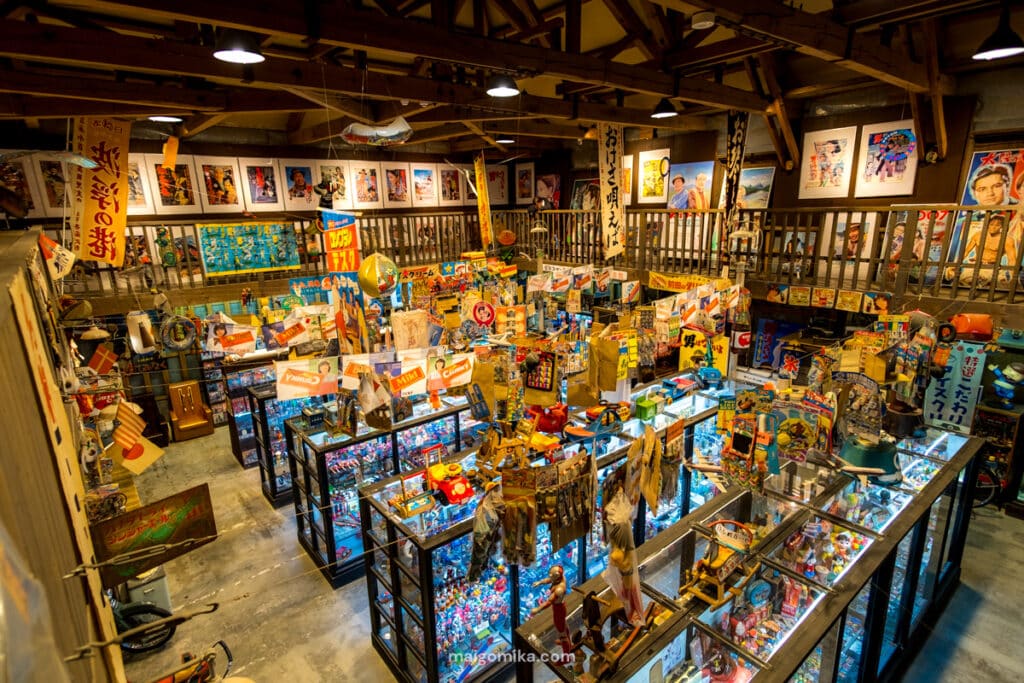
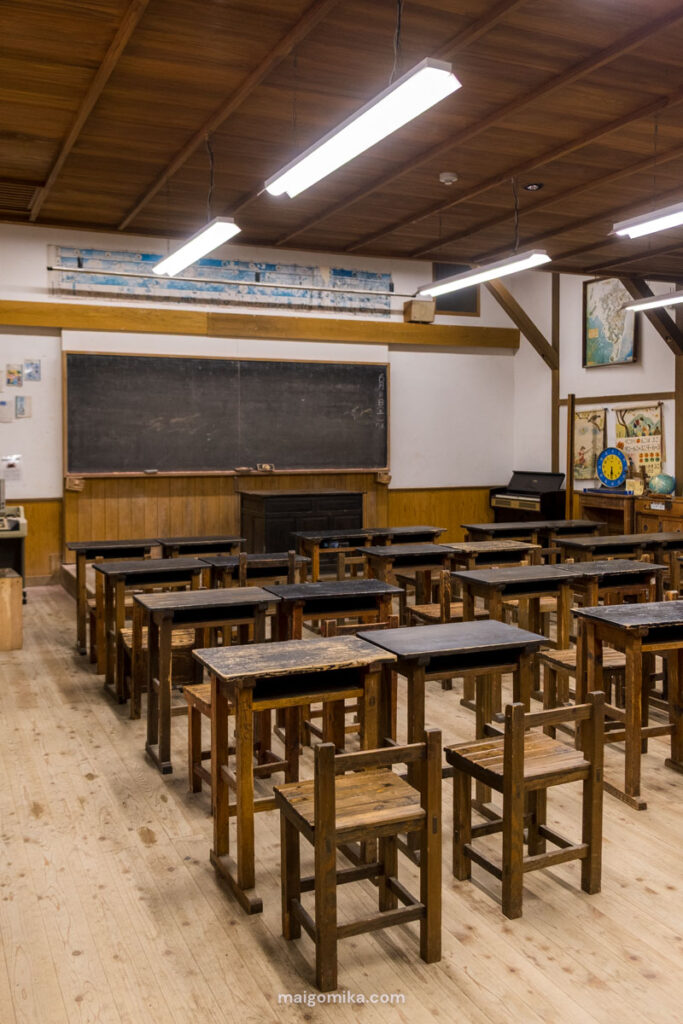
Beyond the toy displays, Showa Roman Gura continues alongside a miniature indoor arcade shopping street filled with tiny recreated Showa-era stores, featuring scaled-down facades of candy shops, a beauty parlor, a dentist’s office, and even an old classroom that I could enter and interact with.
A Day in Showa Japan
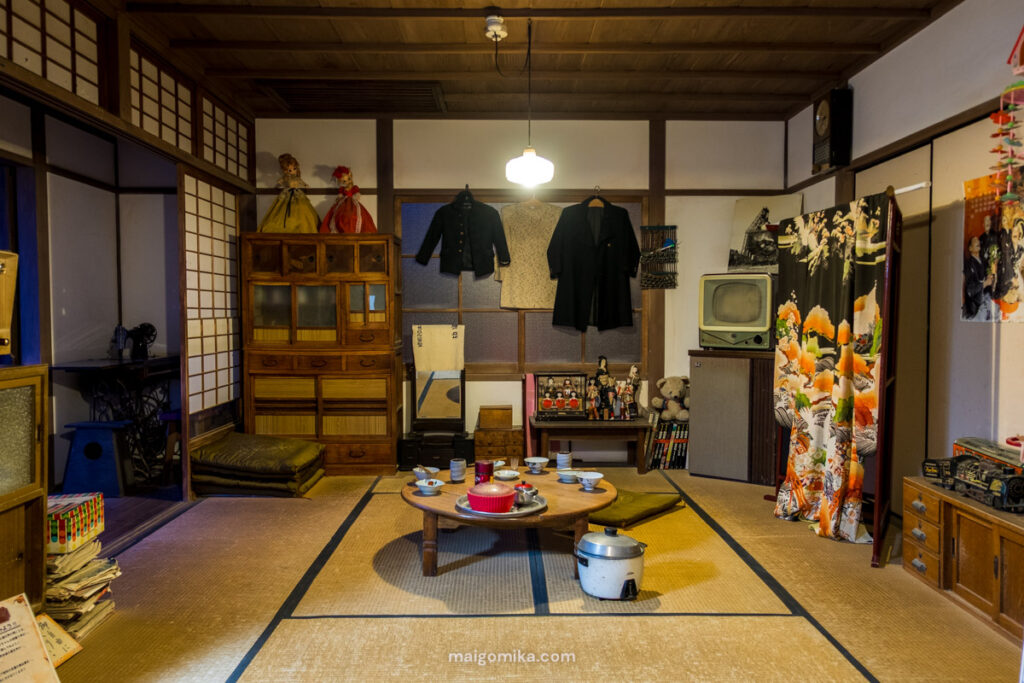
Another section of Showa Roman Gura takes the immersion even further, recreating everyday life in Japan during the 1950s and 60s.
Inside the Showa no Yumechi 3 Chrome Hall (昭和の夢町三丁目館) area, is enclosed a Showa-era home, with a kitchen, living room, and traditional Goemonburo cauldron bath.
The lighting gradually changes throughout the hall, moving from morning to midday and eventually into a star-filled night. Birdsong gives way to the sounds of daily life, followed by the chirping of crickets after dark.


It’s a simple idea, but surprisingly effective. Rather than simply looking at objects from the past, you get a small glimpse of what an ordinary day might have felt like.
Dress the Part
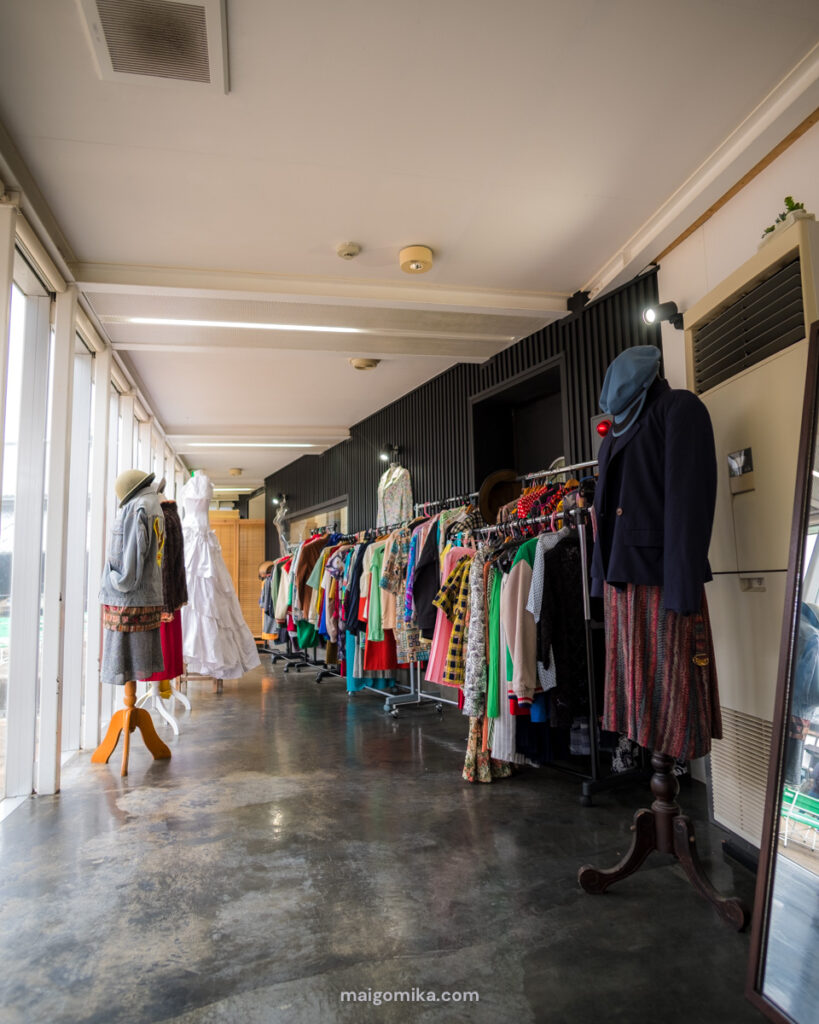
A recent, fun addition lets you fully commit to the experience: the Showa Retro Fashion Experience.
Just outside the Gura entrance, there’s a stylish glass-encased area showcasing a great selection of vintage clothing. Trying on an authentic outfit is the perfect way to truly immerse yourself in the Showa vibe and get some incredibly unique travel photos.
A Modern Twist: TeamLab Gallery Showa no Machi
Not everything here is stuck in the past.
Inside Showa Roman Gura, the TeamLab Gallery Showa no Machi (チームラボギャラリー昭和の町) provides a surprisingly modern contrast to the surrounding nostalgia.
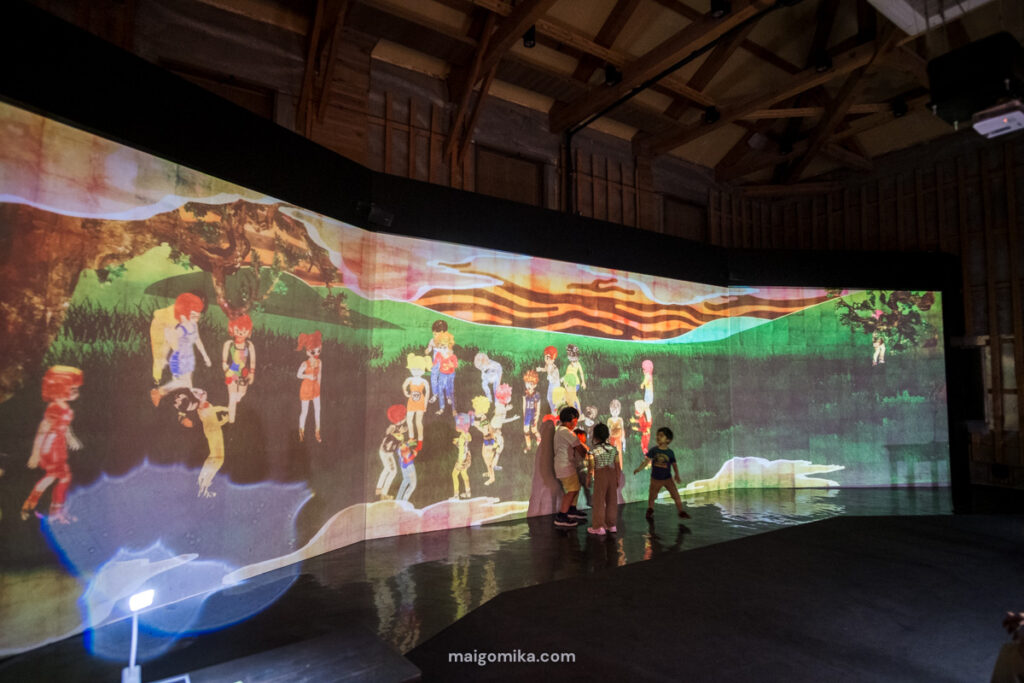
If you’re familiar with their work, you know TeamLab is a Japanese art collective famous for their immersive, light-filled digital experiences, beautifully blurring the lines between art and technology to create stunningly interactive spaces.
TeamLab is a Japanese art collective known for immersive digital installations, and its Drawing Meadow Dance exhibit lets visitors draw their own figures before watching them come to life on a huge projection screen.
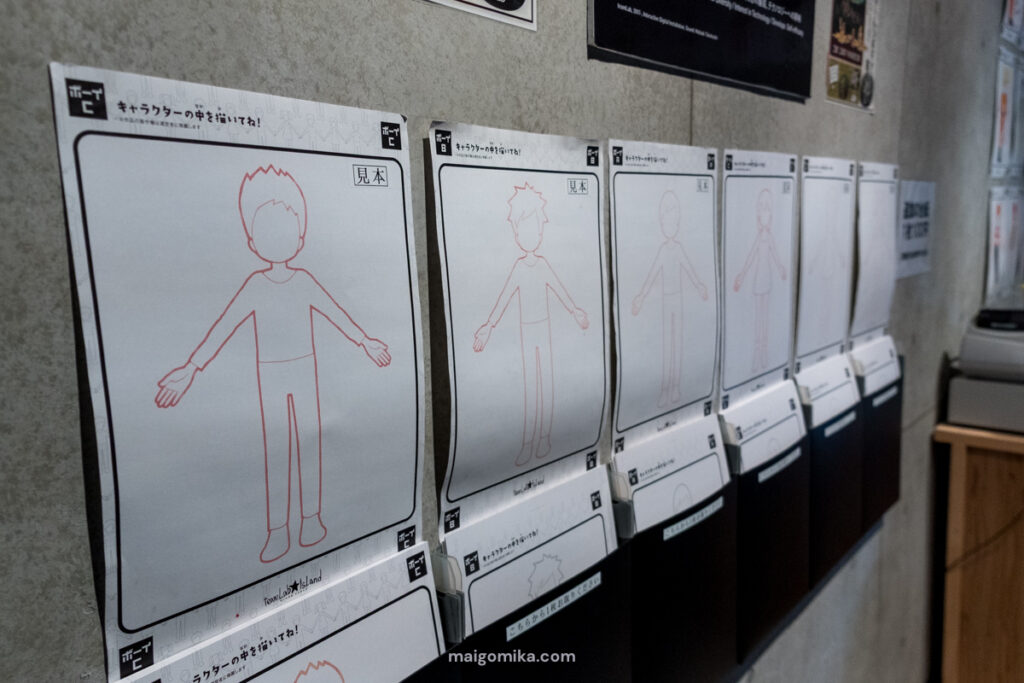
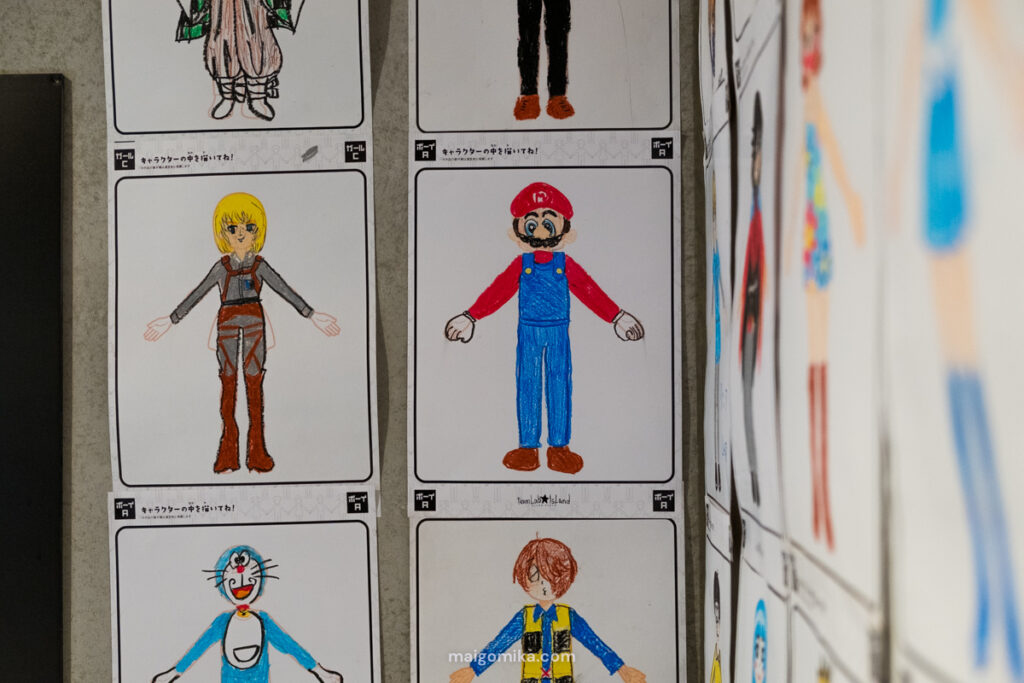
I chose one of the paper figures, grabbed some crayons, and started drawing. Once I handed it to the staff, my creation appeared on a digital grassland, wandering across the screen with the sunset of Matama Beach in Oita behind it.
Touching the figure made it react, and when the music began, the wandering characters suddenly broke into a synchronized dance.
After spending so much time surrounded by objects from the past, the contrast was a fun reminder that Showa no Machi isn’t simply trying to freeze Bungo Takada in time.
The Street Vibe: Authentic Shopping Streets
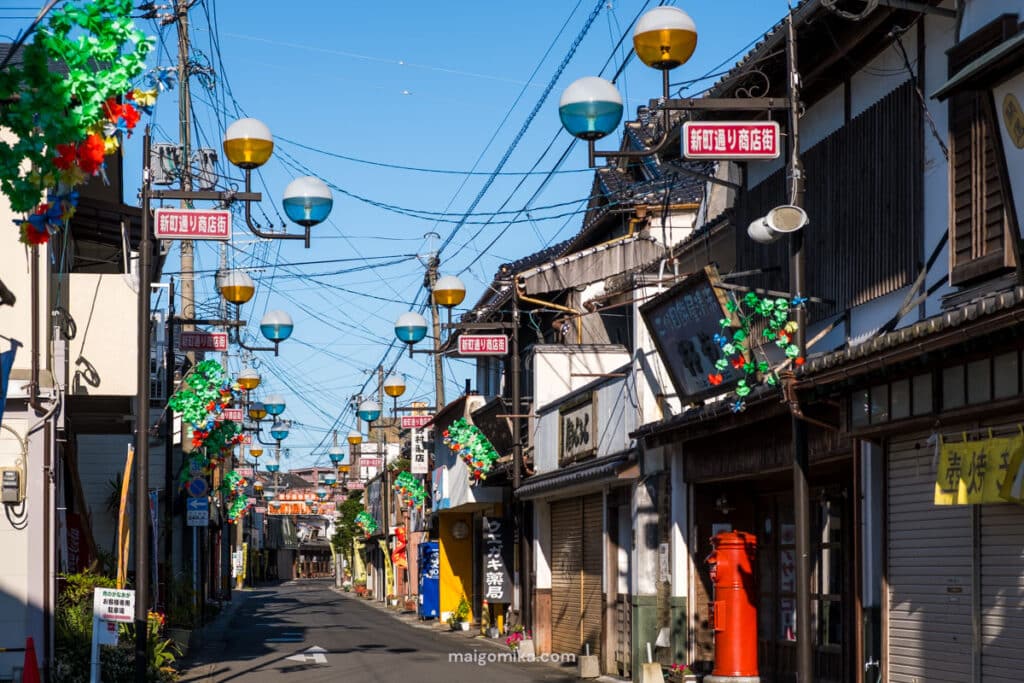
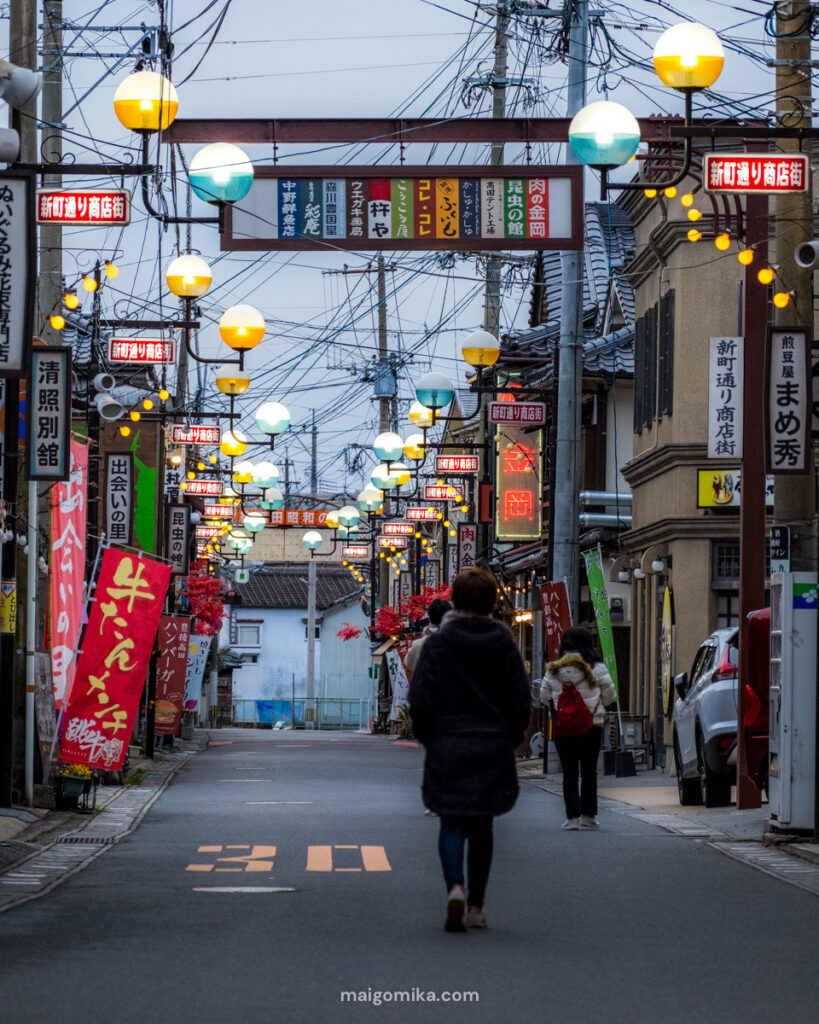
Once you’ve explored Showa Roman Gura, head back outside and wander through the streets of Shinmachi-dori shopping district (新町通り商店街).
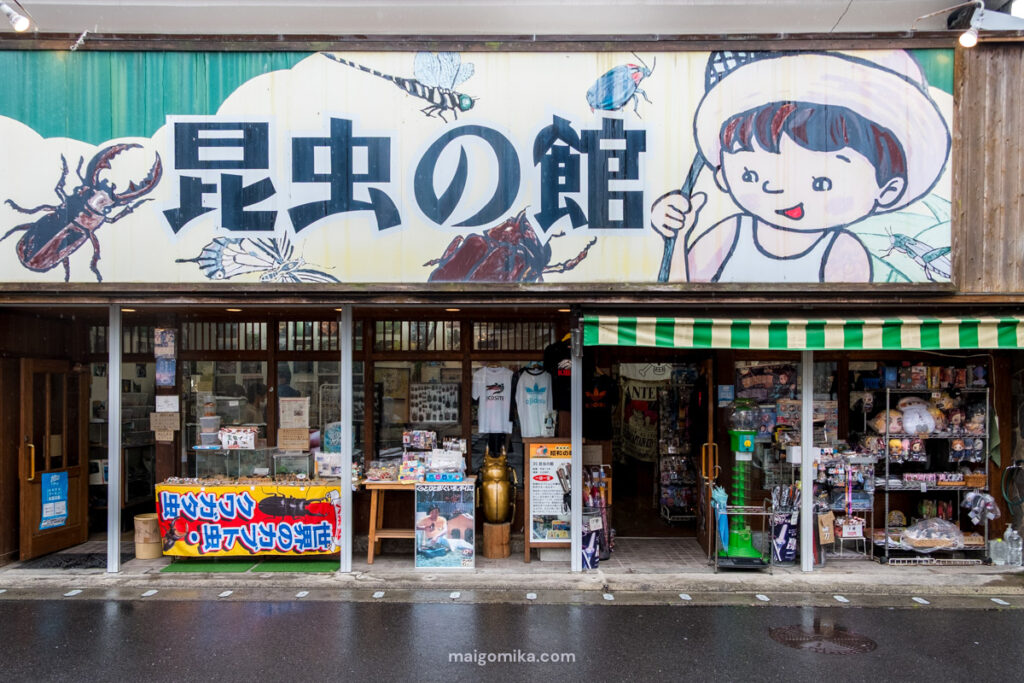
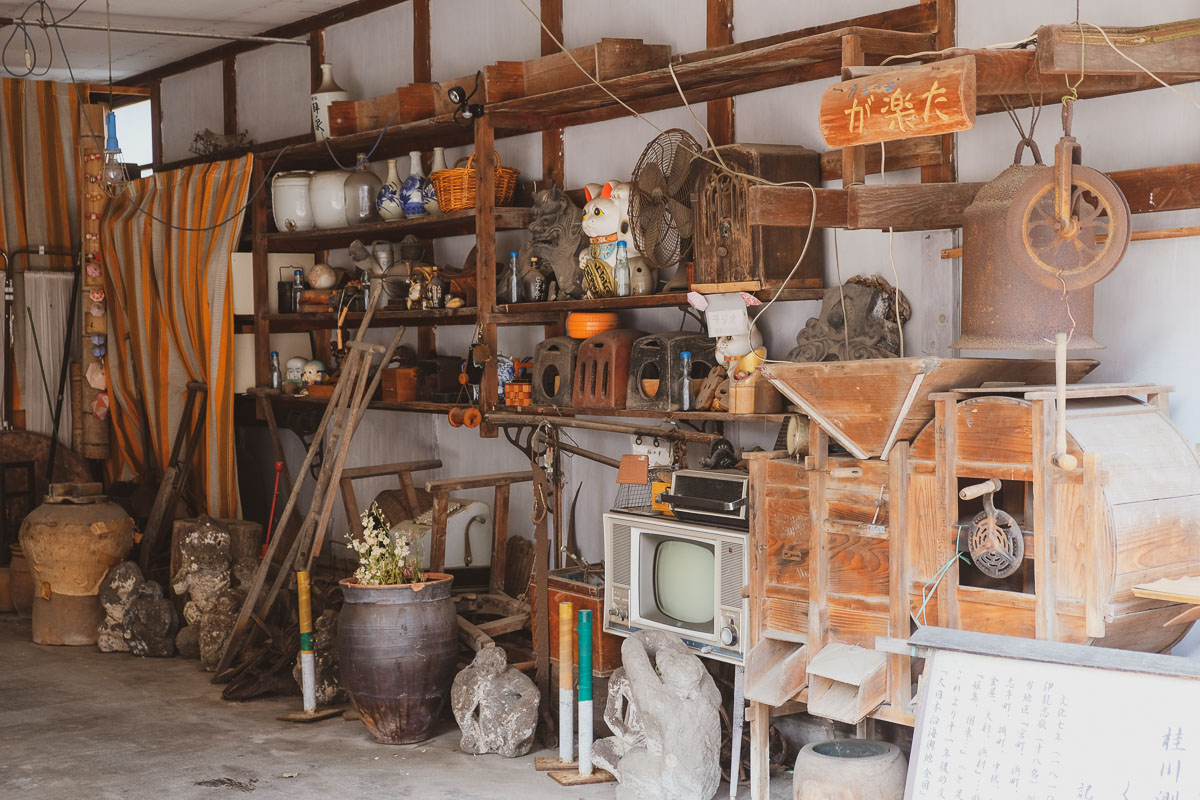
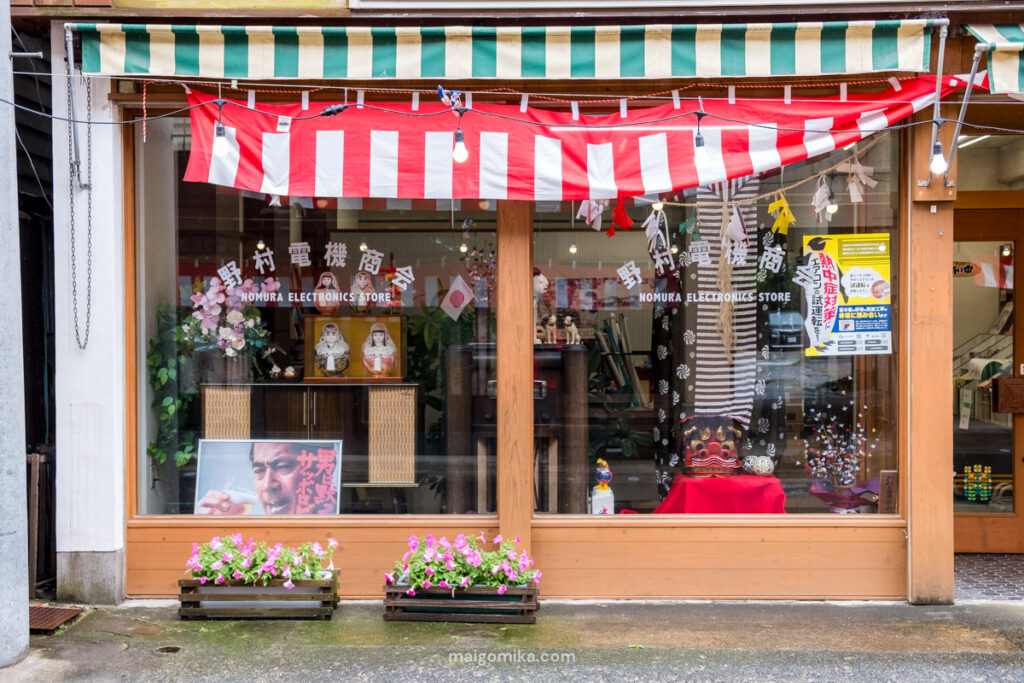
This is the part of Showa no Machi that feels less like a museum and more like a real town. Many of the buildings date back to the Showa era, and the streets are filled with old-fashioned signs, shopfronts, and amber and green lanterns that give the area its distinctive retro atmosphere.
The district is compact and easy to explore on foot, with a mix of long-established businesses and newer shops and restaurants. You can pop into the stores, stop for a coffee, browse local goods, and simply wander without having to follow a particular itinerary.
That’s what I love most about Showa no Machi: the nostalgia isn’t contained behind museum doors. It spills out into the streets, where the old buildings and businesses are still part of everyday life.
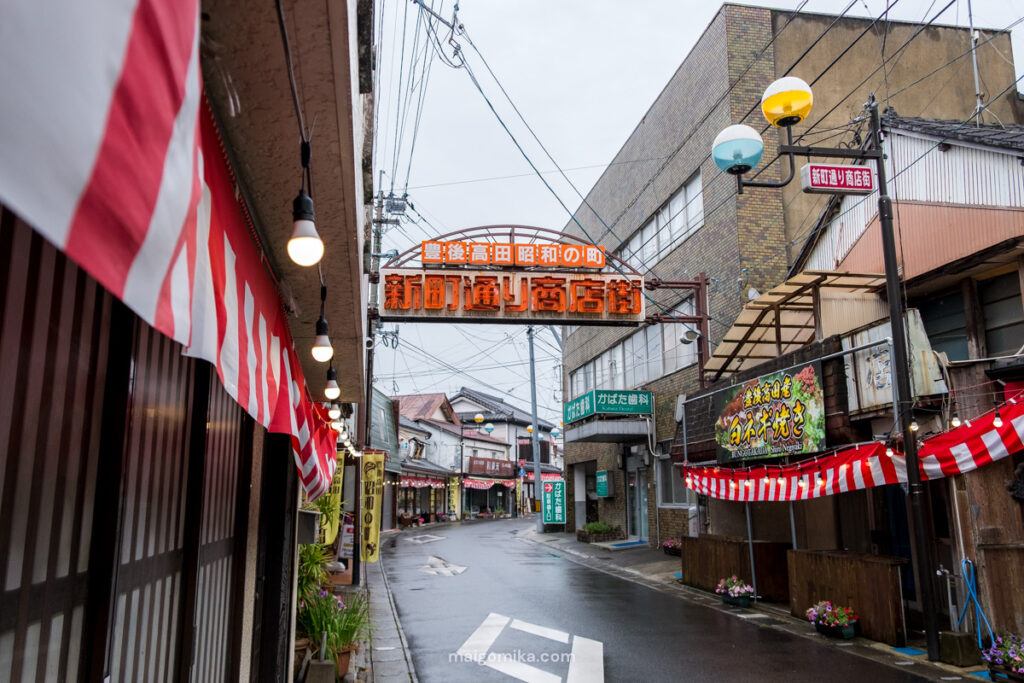
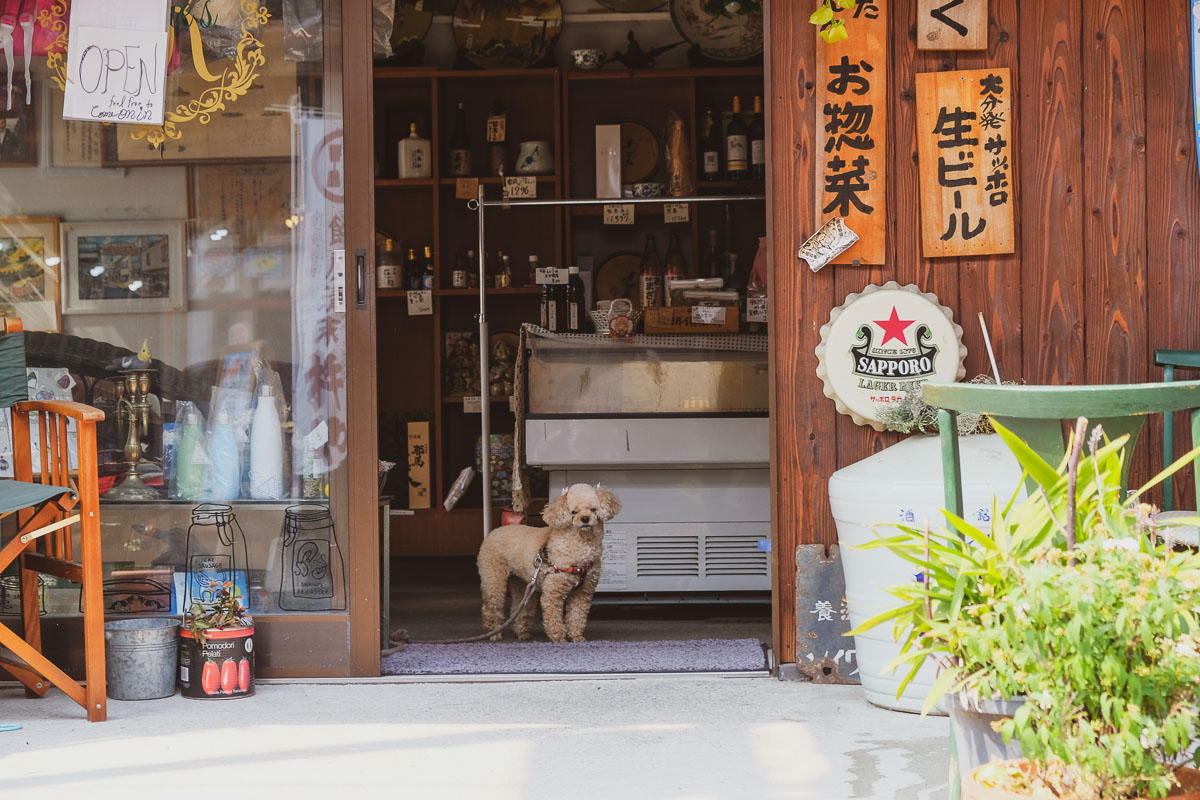

Coffee Brazil Showa: A Stop for the Soul
Among these, Coffee Brazil Showa (@coffee.brazil.showa) is one where I stopped in to really soak up the nostalgic atmosphere.
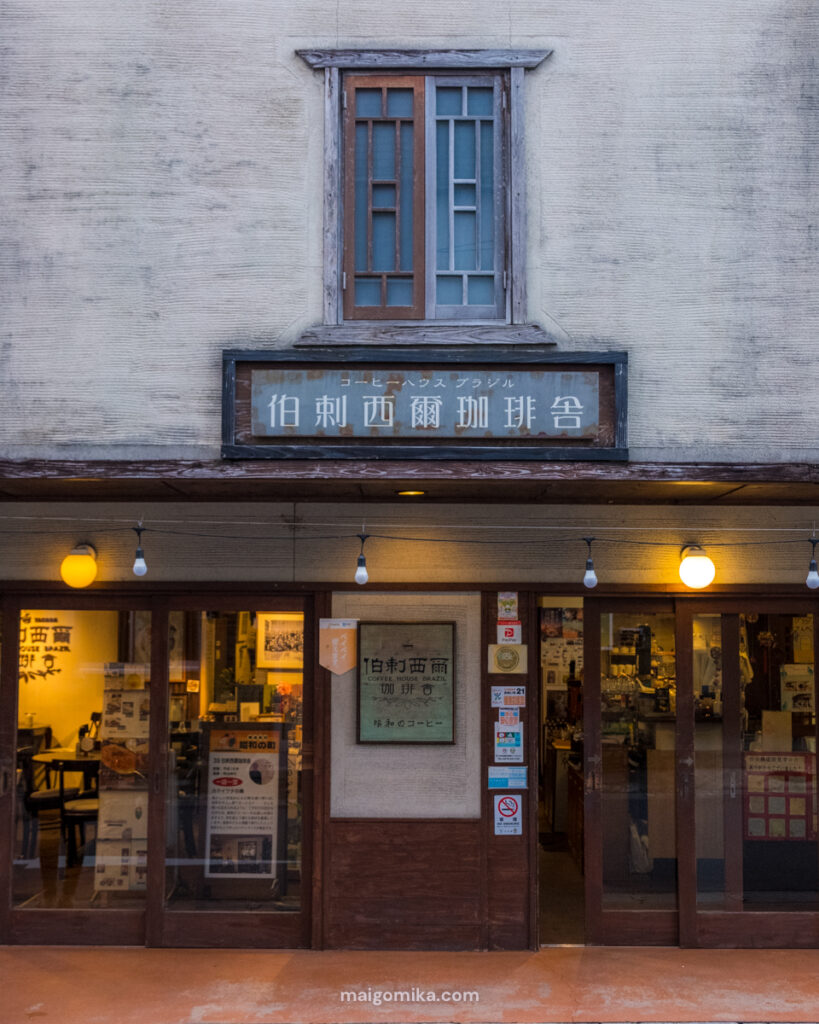
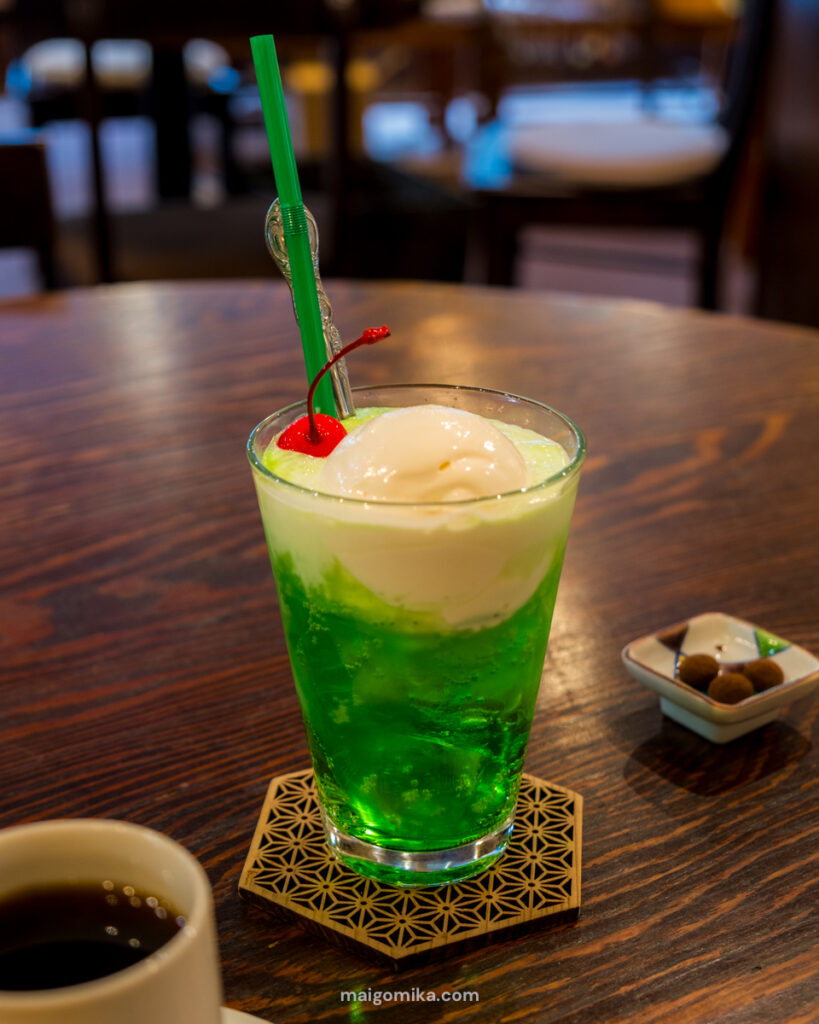
Housed in a century-old building that used to be a kimono shop, the owner’s passion for art and gourmet cuisine shines through in the masterfully crafted coffee and cream soda float, which features a unique vanilla ice cream blend that’s rare to find elsewhere!
Is Showa no Machi Worth Visiting?
For anyone interested in Japan’s Showa era, Showa no Machi is one of the most enjoyable places I’ve found to experience it firsthand.
What makes Bungo Takada particularly interesting is the combination of the two: carefully recreated museums alongside an actual shopping district where original buildings and businesses are still part of everyday life.
You can spend a few hours exploring the museums, wandering the old streets, stopping for coffee, and still have time to explore more of the Kunisaki Peninsula.
For me, though, Showa no Machi became more than just another place to visit.
It was the beginning of my fascination with Japan’s retro side, and the reason I started seeking out more of these unusual glimpses into the country’s past.
If you’re interested in exploring more of this side of Japan, check out my guide to The Retro World of Showa-Themed Museums and Parks in Japan.
What part of the Showa era intrigues you the most? Do you know of any other retro spots I should check out on my quest? Let me know in the comments!
Showa no Machi Business Hours
How to Get to Showa no Machi
If you’re coming from Fukuoka (Hakata), take an express train on the Nippo Main Line toward Usa Station. The journey takes approximately 1 hour and 35 minutes.
From Oita City, the express train to Usa Station takes around 40 minutes.
From Usa Station to Showa no Machi
From Usa Station, Bungo Takada is about 10 minutes away by car or bus.
- Taxi: The quickest option, taking around 10 minutes.
- Bus: Take a bus heading toward Bungo Takada or Imi and get off at Bungo Takada Bus Terminal, which is around 10 minutes away.



Where was Himitsu no Akko chan?
I didn’t see her, but they were playing the opening theme song on speakers!!!