Latest Update: October 2025
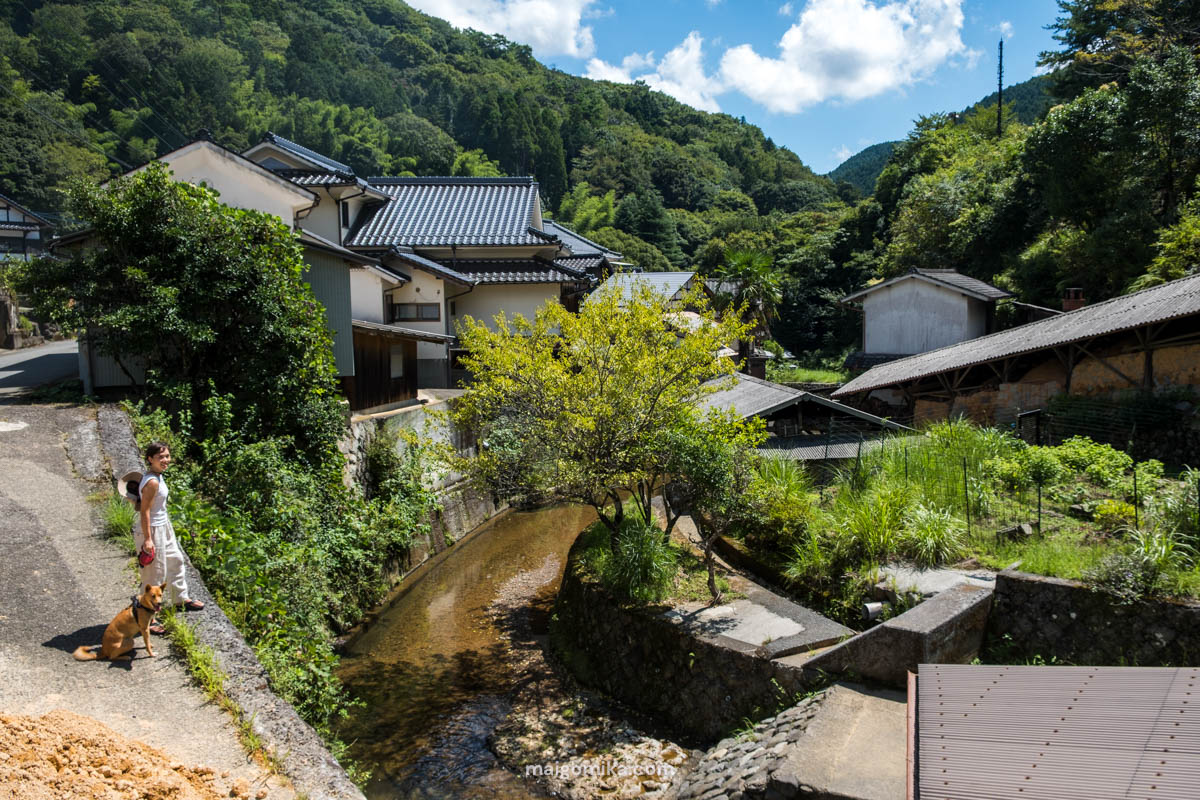
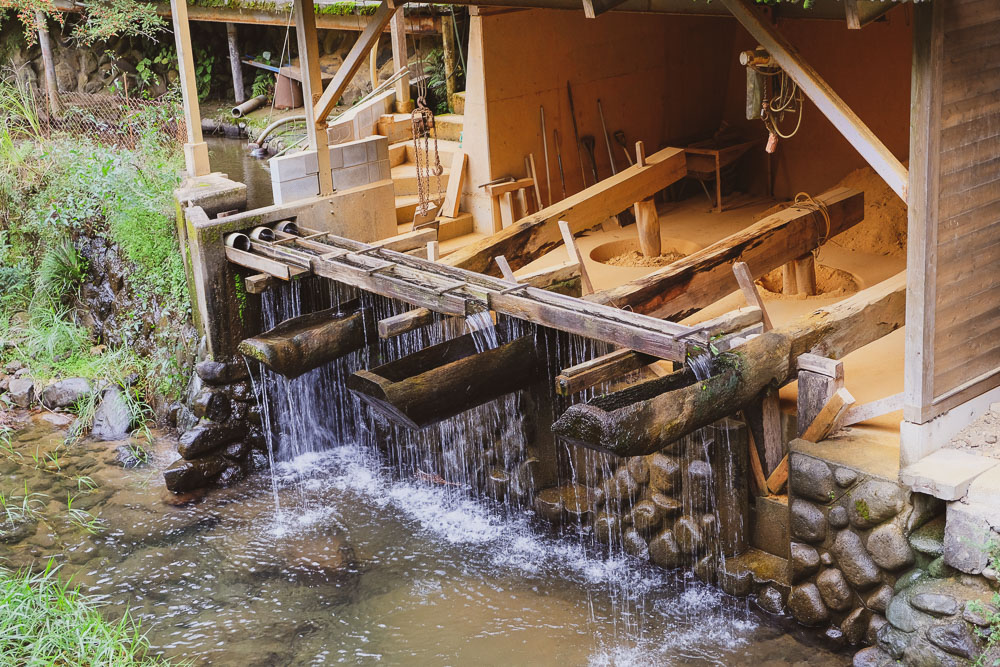
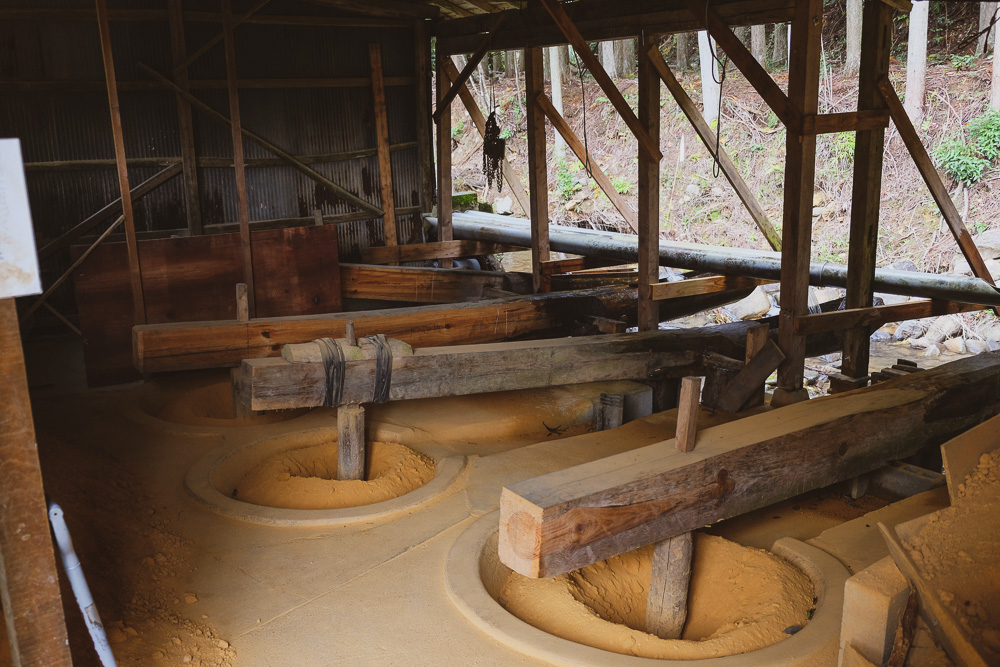
The moment you turn your car down the narrow, wooded road into the remote village of Onta-yaki, it’s not the sight of the workshops that hits you first—it’s the sound. That rhythmic, echoing “clunk… clunk… clunk…” is the unmistakable heartbeat of Onta: the kara-usu. This water-powered wooden hammer harnesses the river’s flow to tirelessly crush raw clay. It is this ambient soundscape, and the very remoteness of this village, that have preserved this unique rhythm, which is key to Onta’s magic.
For me, Onta-yaki holds a deeply nostalgic spot. When we first arrived in Japan, our apartment was utterly bare, screaming for color and life, and Onta-yaki was one of the very first day trips we took. We loaded up on their distinctive, chatter-marked pottery (pictures of our first Onta-yaki haul below👇), essentially decorating our new life in Japan with these beautiful, tangible memories of our first home here.


The 300-year-old Onta-yaki History
The history of Onta-yaki officially dates back to the early 18th century, forging a 300-year tradition that relies entirely on the local environment. Every grain of clay is harvested right here from the surrounding mountains, a dedication to local materials and ancient methods that remains absolute—no modern machinery is involved at any stage.
Long before the tradition was formalized in the 1700s, the groundwork was laid. As early as the 1500s, Korean potters introduced sophisticated kiln designs and advanced ash-glazing techniques to the region, beautiful practices that still shape the craft today.
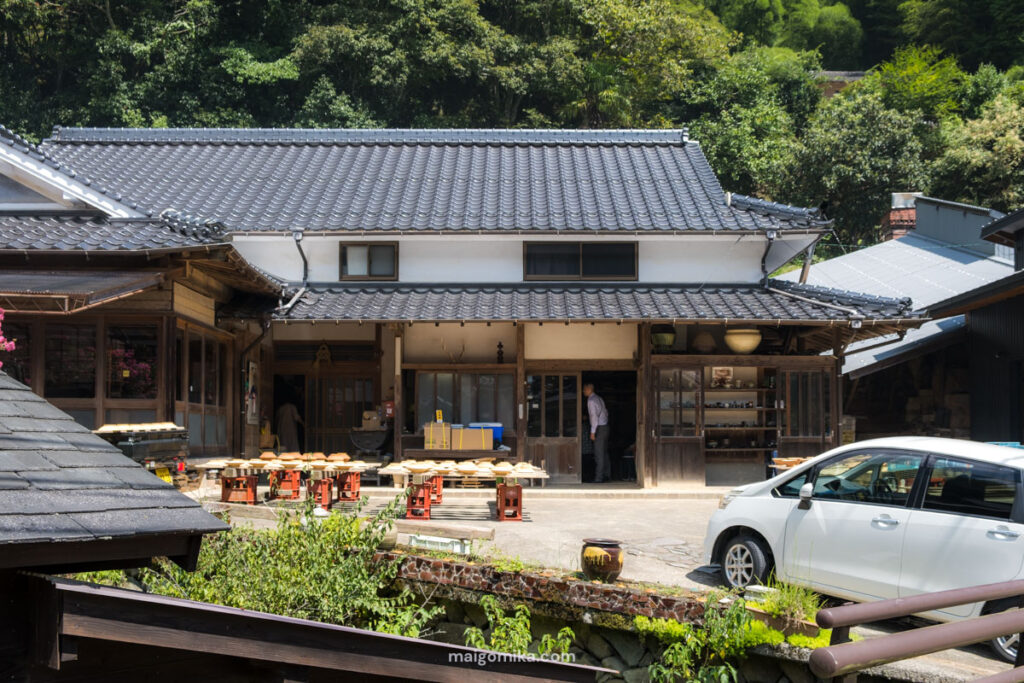
In this tiny village, where only ten households create these ceramics, the knowledge is preserved through family succession. While the art of pottery-making is traditionally passed down to the eldest son in each family, women play a vital role, taking on the heavy responsibilities of mining, processing, and refining the clay. Every single piece is a testament to this collective spirit, which is formalized in the final product: no piece is individually signed. Instead, every item bears the general Onta-yaki stamp, honoring the village’s name and shared effort.

Because of this unbroken chain of tradition, Onta pottery has been rightfully honored as a Nationally Designated Important Intangible Cultural Property of Japan. This designation acts as a vow—it means the village has officially chosen to keep the old ways alive, deliberately setting aside modern machinery and methods to preserve the sound and charm of traditional craftsmanship for generations to come.
The Onta Signature: Collective Design and the “Chattered” Mark

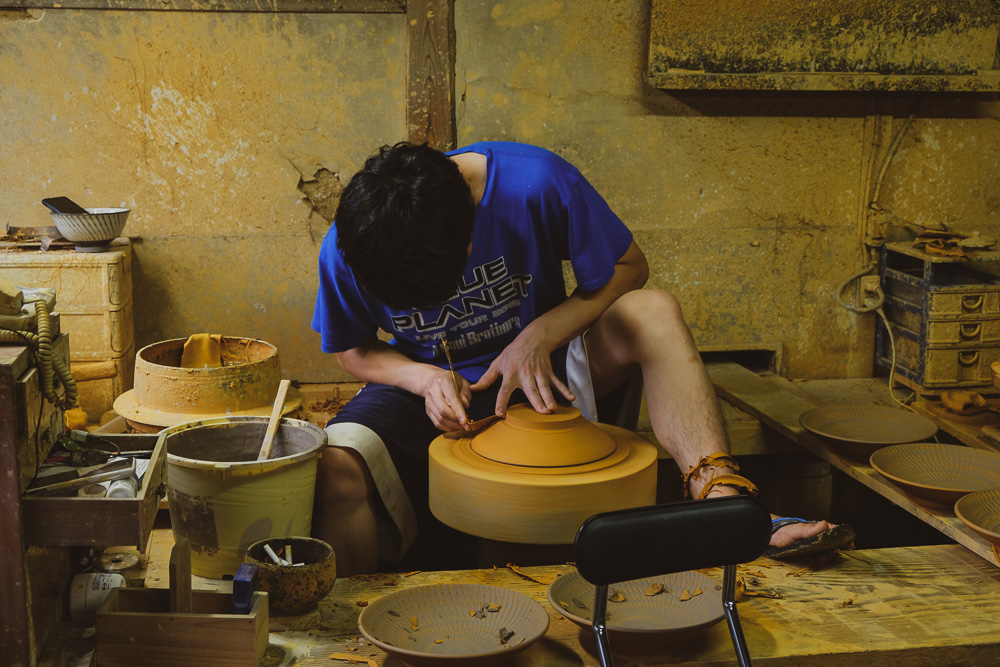
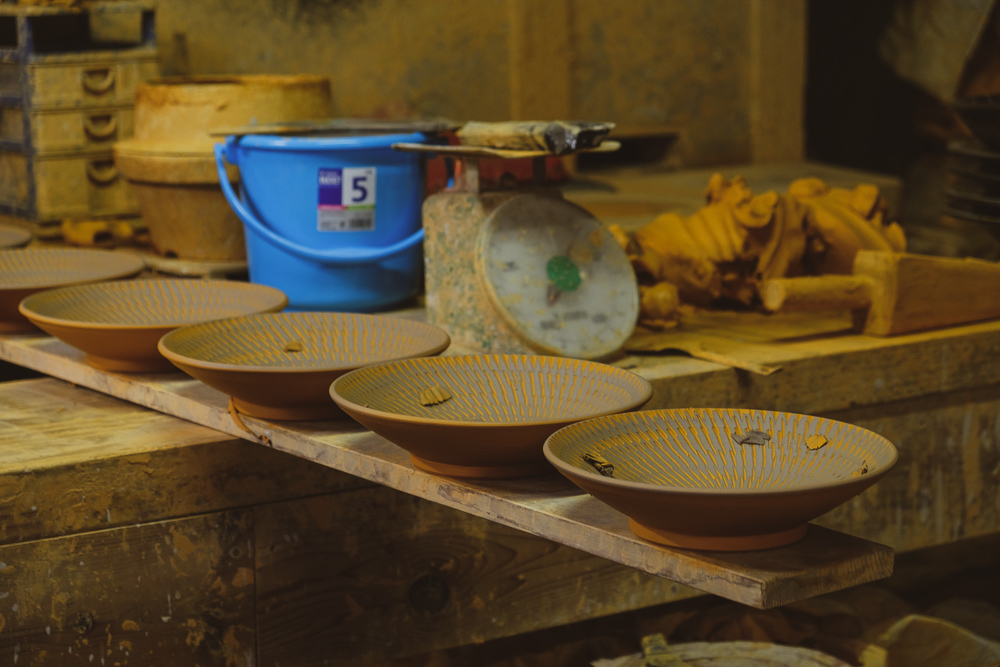
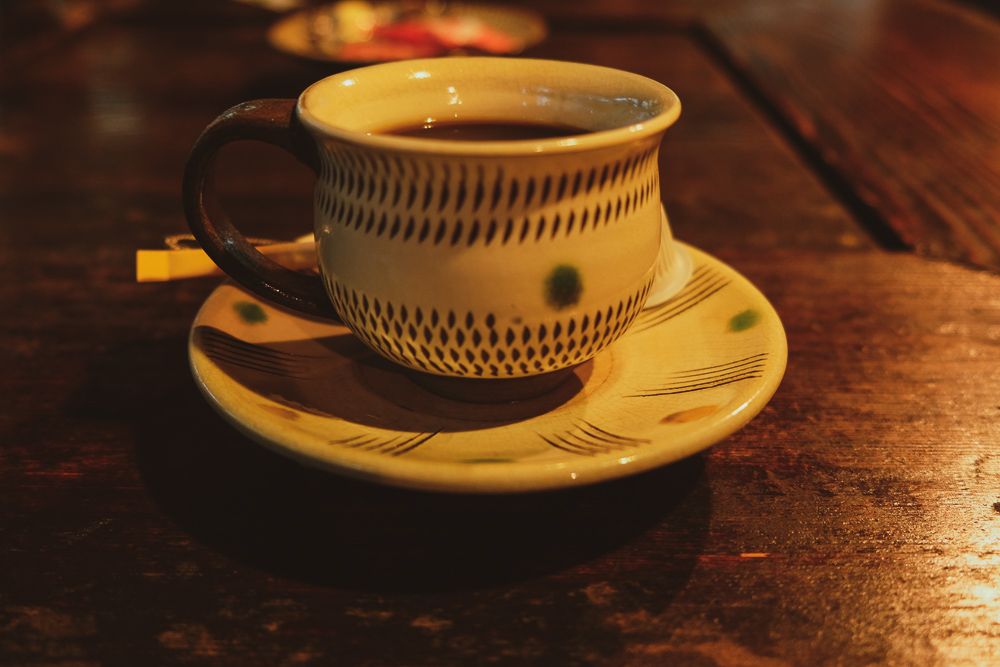
The Onta-yaki pieces are instantly recognizable by their rhythmic, textured surface—the signature “chattered” look (tobikanna). This characteristic pattern is not applied by machine but created through focused handwork. As the leather-hard clay spins on the kick-wheel (often powered by the artisan’s foot), a thin, notched stick called a kanna is held gently against the surface. This causes the tool to skip and chatter across the clay, producing the concentric ripple effect that defines the ware.
While each of the ten houses has its own slight variation in shape, glaze, or patterning, the focus remains firmly on the community—hence, the absence of individual signatures.
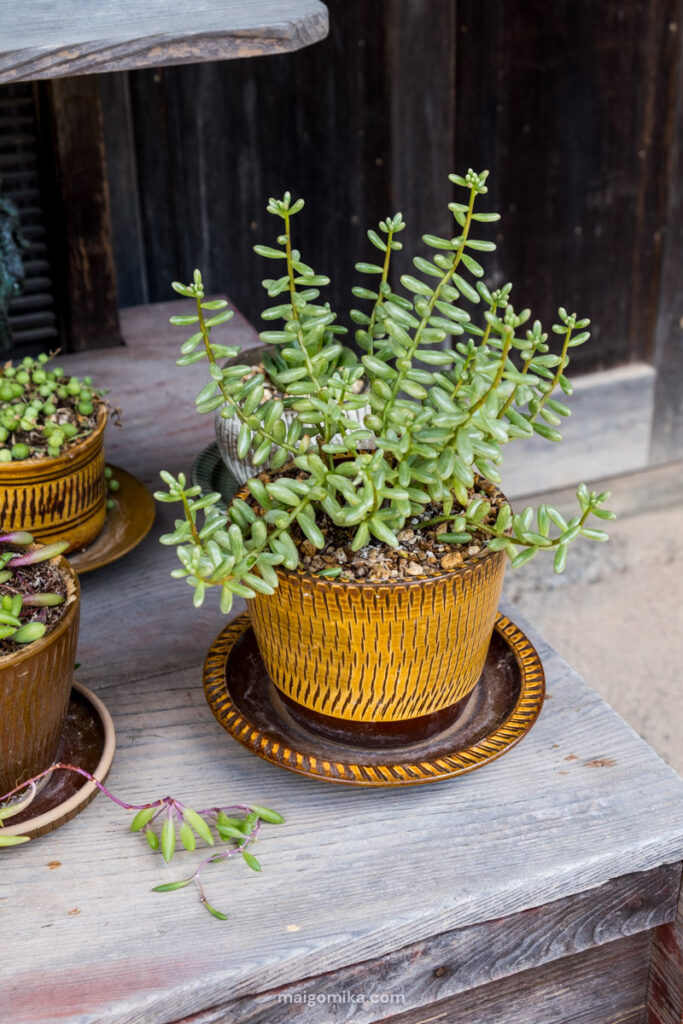
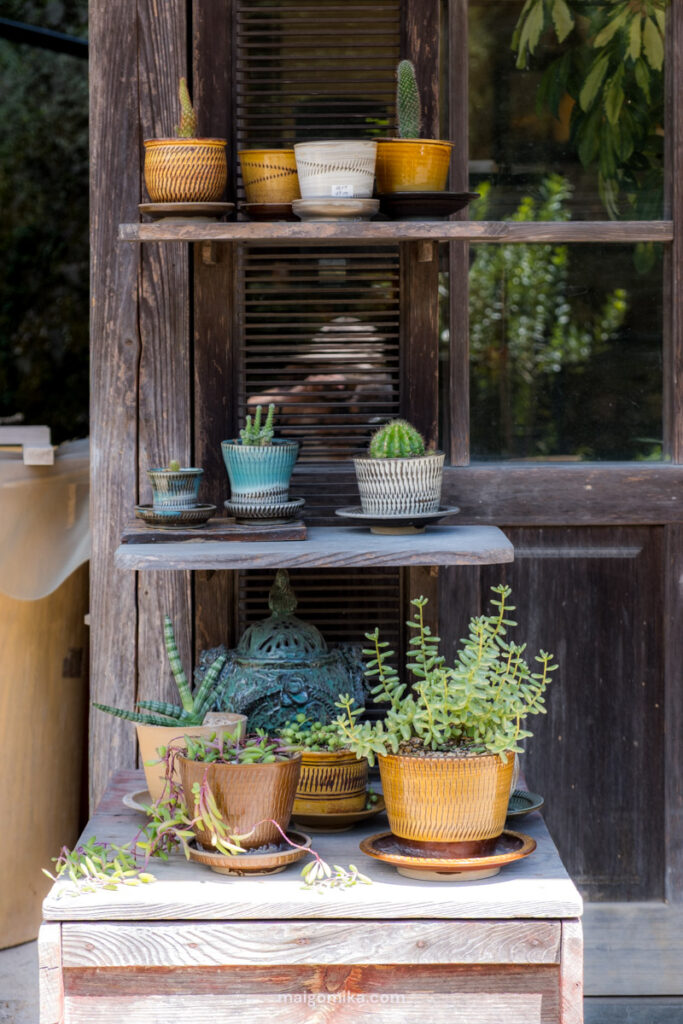
Beyond the texture, the colors of Onta-yaki are equally recognizable, drawing from the mountain’s natural palette. You’ll primarily see deep, rich browns, created using glazes containing local iron oxide, and beautiful, sweeping strokes of indigo or bluish-green, often achieved with copper ash. These glazes are poured over the surface in techniques like nagashikake (pouring) or uchikake (splashing), creating intentional drips and streaks that add depth.
The Long Process: From Mountain Clay to Kiln
The true story of Onta-yaki begins long before the wheel, where the raw, local clay can take a whole month just to be processed.
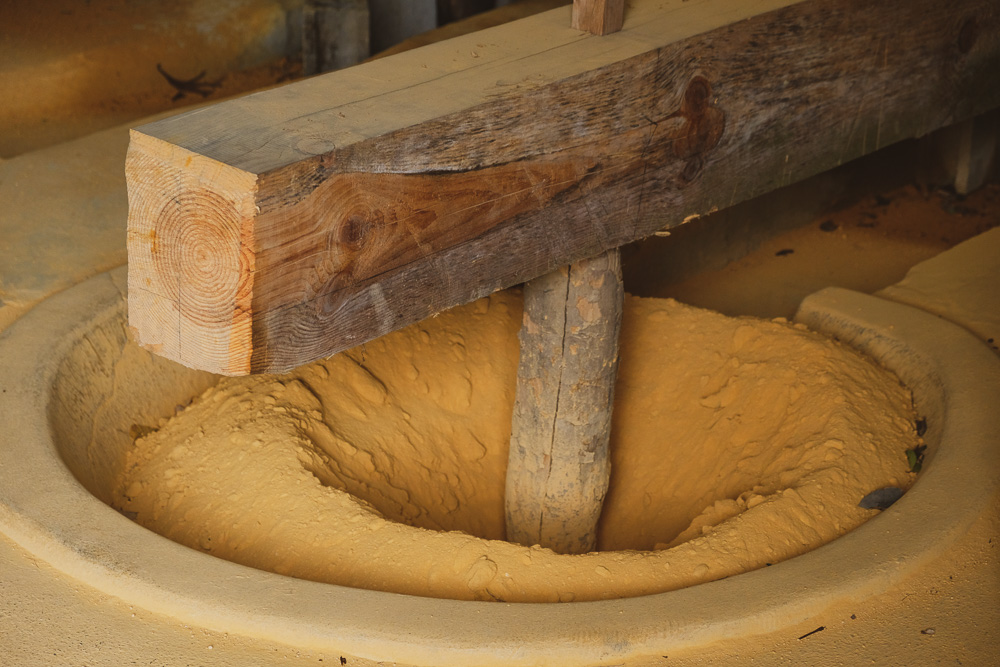
First, the water-powered kara-usu pounds the mountain earth into a fine powder. This powder is then dissolved in water, repeatedly filtered through a fine mesh to remove impurities, and laid out on a dewatering platform, where it rests for several days until it reaches the perfect maturity.
Once transformed, the clay is handed over to the artisan for final kneading and molding. We loved watching this part. In one of the shops, a young man was spinning plates on a wheel powered entirely by his foot. We talked to the owner—his father—who had been making Onta pottery since his late teens. It’s these moments of quiet, inherited mastery that truly bring the village to life.
The Firing: A Collective Effort in the Kiln
The work isn’t finished until the pieces meet the heat. The final, dramatic stage takes place in the communal Noborigama (climbing kiln), often built right into the side of the hill. These massive, multi-chambered kilns are fueled by wood, and the firing process itself is an intense, multi-day affair—a collective effort requiring constant monitoring and stoking.
The true magic happens here, as the flames and wood ash create unique, subtle variations in the color and texture of the glazes. The ash that settles on the pieces can result in an accidental, natural glaze effect, making each batch slightly different and adding to the inherent collective charm of Onta-yaki.
eSim:
Onta-Yaki’s One and Only Restaurant
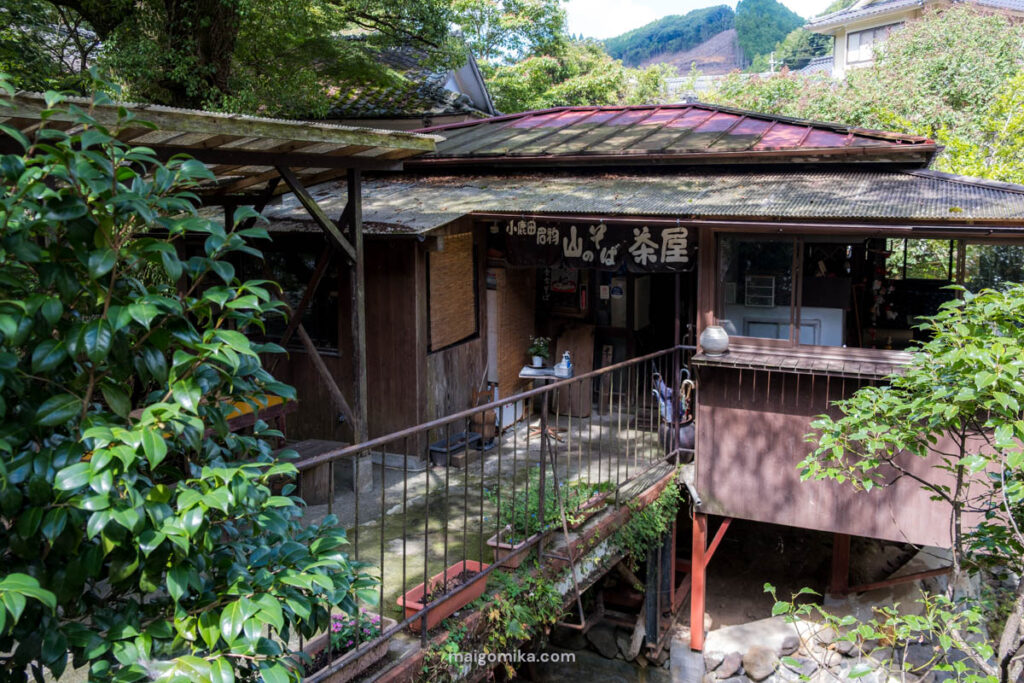
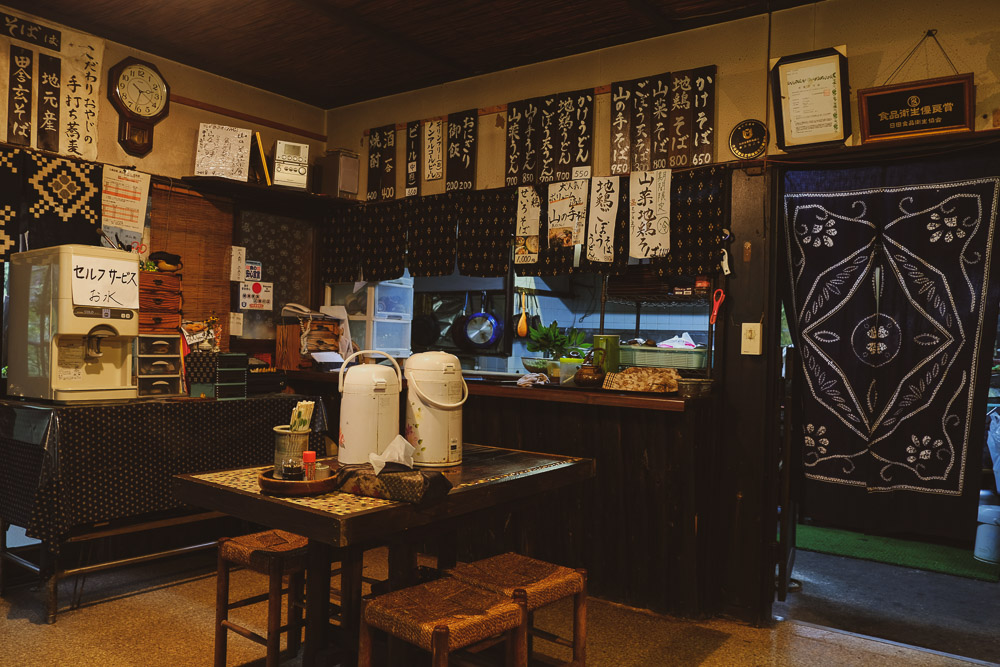
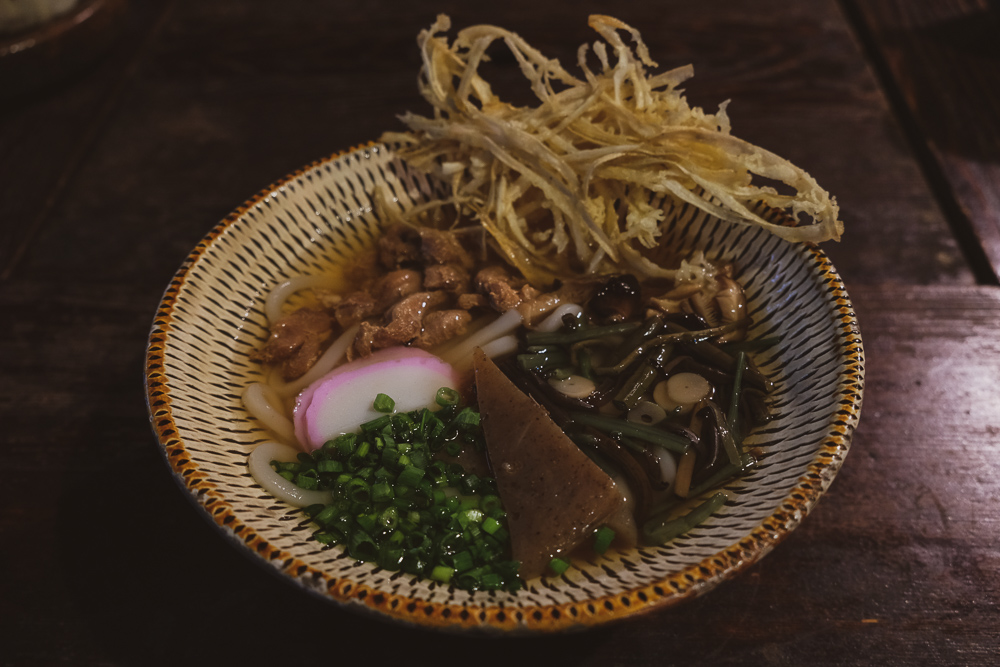
If you ever find yourself in Onta-yaki, note that there is only one restaurant. Lucky for you, it has one of the most delicious udon dishes we have ever tasted in Japan. Naturally, everything was served in charming Onta ware.
Things to do around Onta-yaki
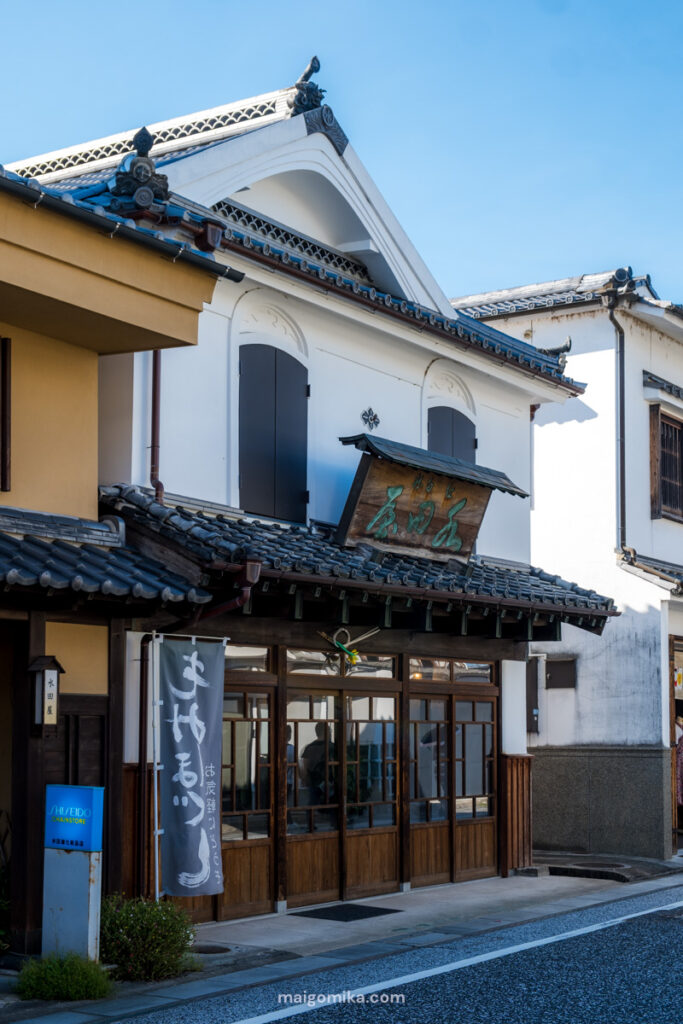
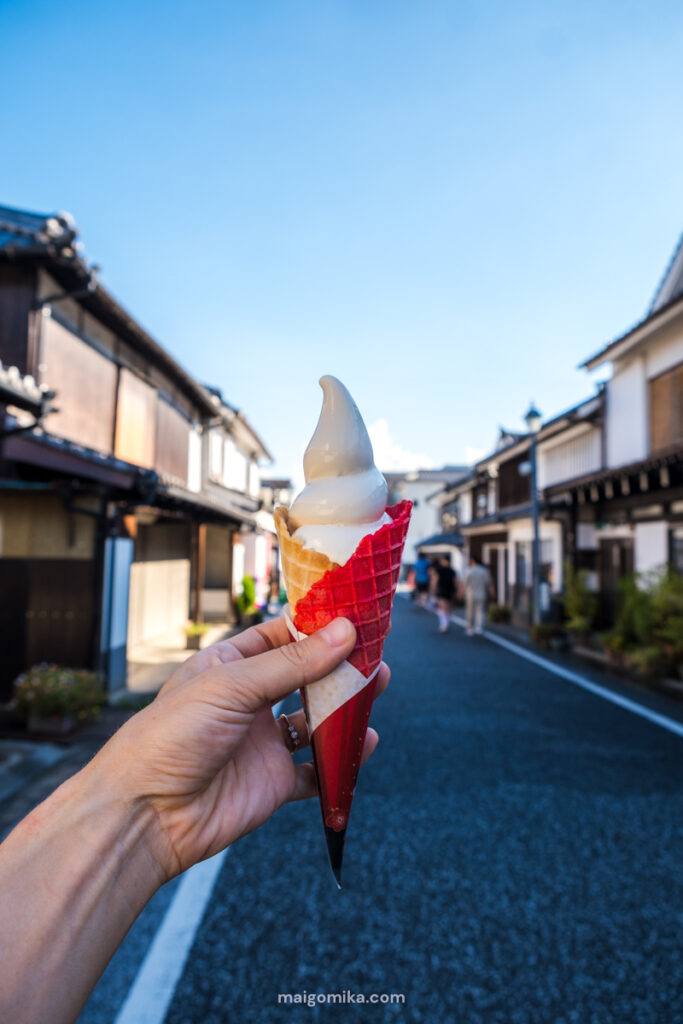
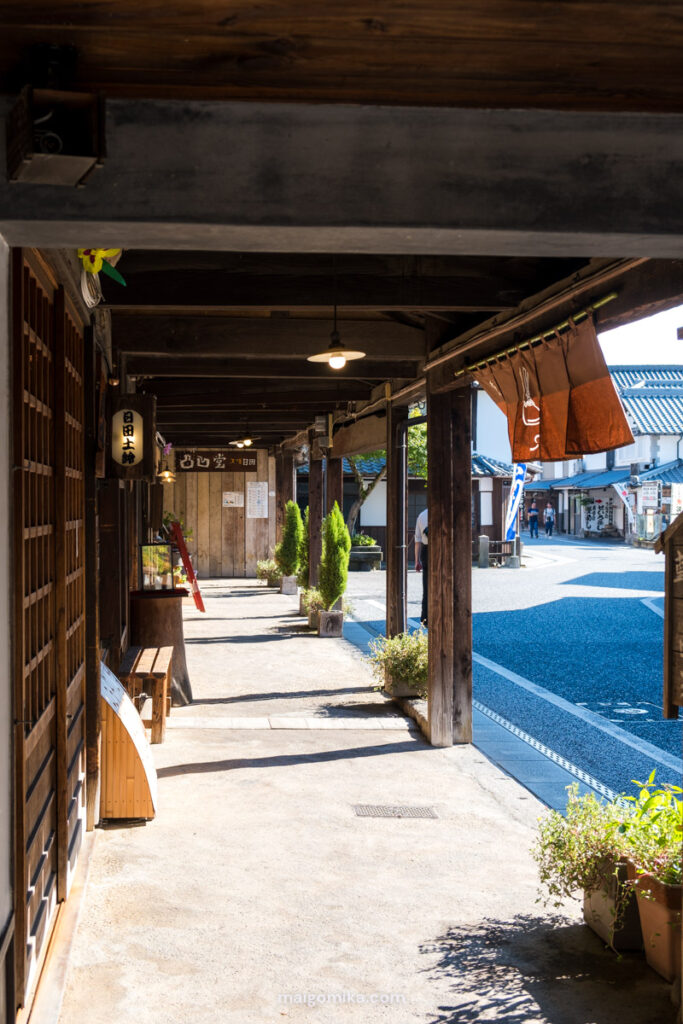
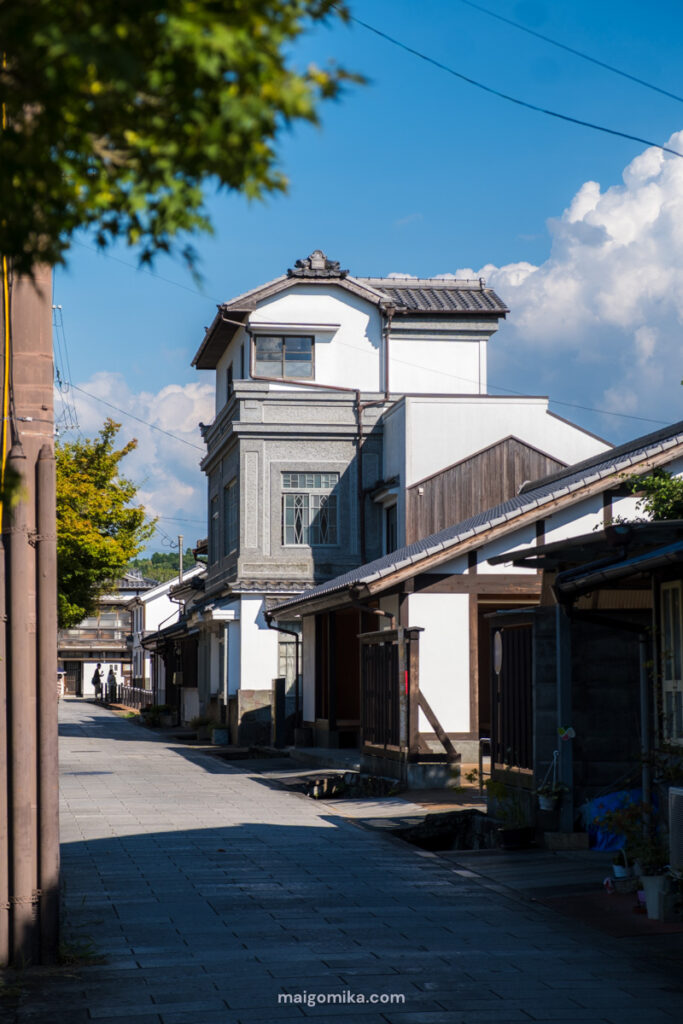
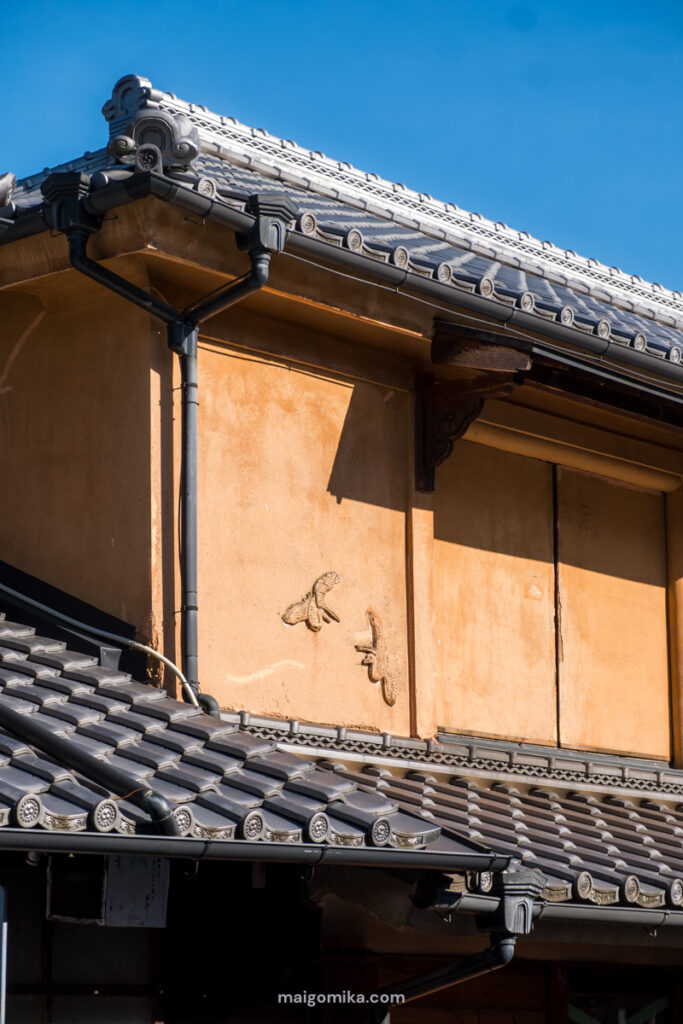
Onta-yaki is part of Hita City, and if you make it this far, you should visit the city’s famous Mamedamachi district. It preserves its Edo-period streetscape of merchant houses and storehouses. Historically a vital transport hub and feudal domain, these buildings are carefully maintained as a designated Important Preservation District, meaning any renovations need to adhere to strict architectural guidelines.
Where We Stay in Hita (and is Dog-Friendly)
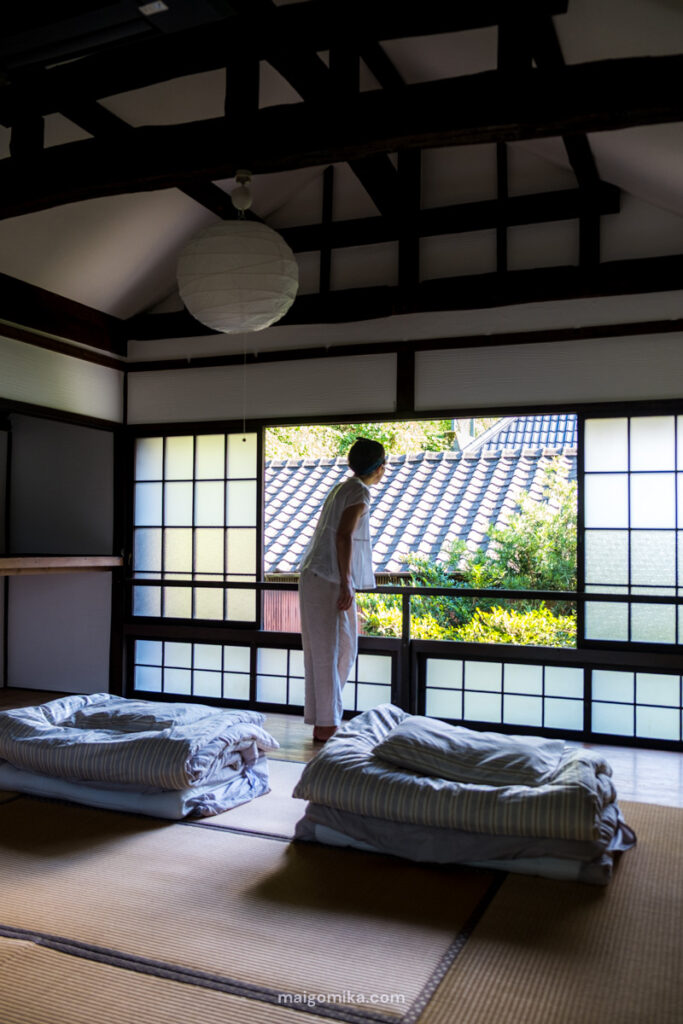
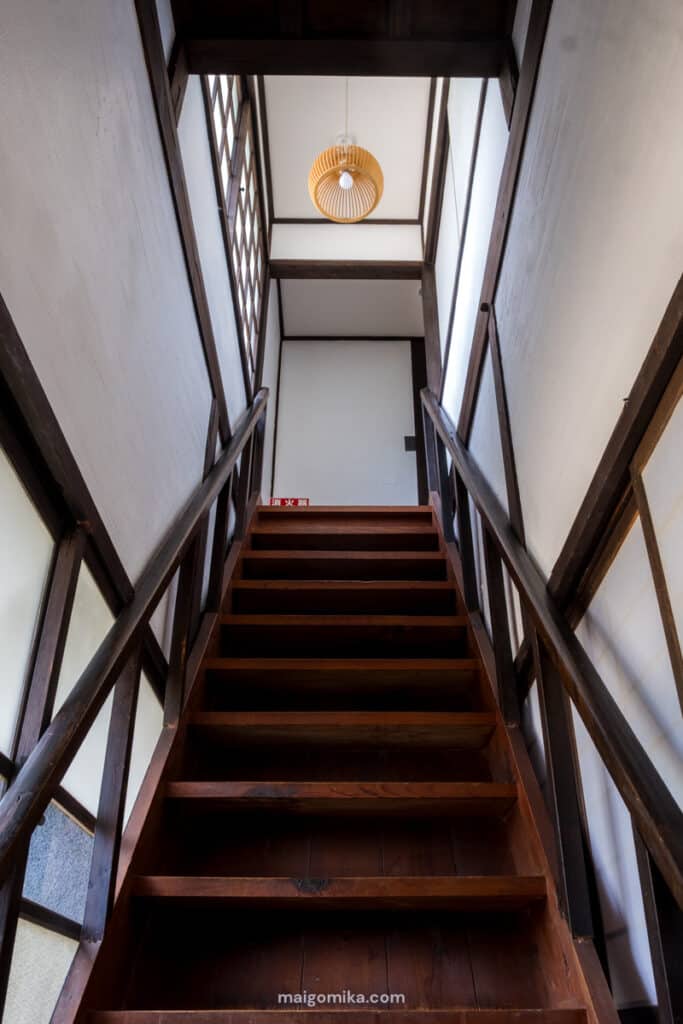
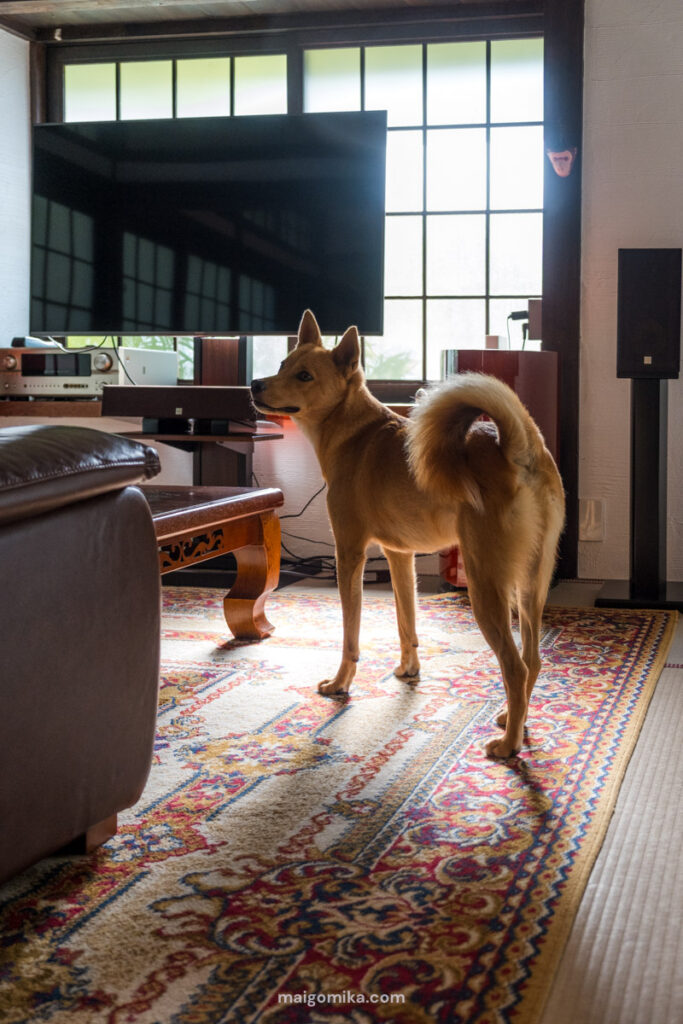
On our recent trip with Pancake, we stayed at the dog-friendly accommodation, Kominka Takenoko. The renovated old Japanese house has the best of both worlds: a nice, big living room and a modern bathroom for comfort, alongside a traditional tatami-mat bedroom where we slept on futons. Outside, there’s an area for a barbecue. Sitting in a rural setting, surrounded by nature and other old houses with distinctive thatched roofs, this location provides absolute quiet and has been modernized perfectly for traveling groups. It’s located just on the border of Fukuoka Prefecture, making it a situated base for exploring both the Onta region and beyond.
Visiting Onta-yaki: How to Get There
The remote nature of Onta is part of its charm, but it requires a little planning.
🚗 By Car (Recommended): Onta-yaki is about a 30 to 45-minute drive southwest of central Hita City. This offers the most flexibility, which you’ll want for carrying your purchases! Parking within the village itself is minimal, so look for designated spots before the main entrance.
🚍 By Public Transport: From JR Hita Station, you can take a local bus from the Hita Bus Center toward Sarayama (皿山). Be warned: the service is infrequent and slow, so check the schedule carefully before traveling, and be prepared for a long wait if you miss a departure.
🕝 Travel Tip: Plan to spend at least half a day here. The sounds, the slow rhythm of the river, and the chance to speak with the artisans make for a deeply rewarding experience that shouldn’t be rushed.
Onta-yaki village is more than a place to buy pottery; it’s a living museum of dedicated craft. As our family settled into our Japanese life, those Onta pieces became tangible connection points in our new lives here in Japan. Now, every time I lift a mug or serve dinner from a platter, the memory of that day—the sound of the kara-usu echoing off the pines, the smell of damp earth, the feeling of starting fresh—comes rushing back. I hope that when you visit, you find an artifact that becomes as meaningful a reminder of your own journey as mine are for me!



This is certainly one of the special places of Japan. What 10 families do has been designated an Intangible Cultural Property. What an honour – what a responsibility to continue. I cannot comprehend what that must mean for those families. You and Jesse found a true gem of a place. A place that definitely needs to be seen – next visit.
What a magical area!
I love these pictures and I completely agree with your dad!
Your beautiful photos bring back fond memories.