The Japanese countryside is one of my favorite places in the world (which won’t surprise you if you know anything about me). But it However, unlike my experiences traveling through more visitor-centric destinations, it doesn’t necessarily run on city logic.
Compared to bigger centers like Tokyo or Kyoto, out here in rural Japan, there are fewer trains, fewer English menus, and fewer places that accept cards. And it wasn’t until I moved here that I learned (sometimes the hard way) that a little preparation can go a long way, and turning what can become a stressful scramble into the kind of trip you’ll reminisce on fondly for years to come.
So if you’re planning a rural Japan trip, here are 15 things I’ve learned that will help you travel smarter, smoother, and with a lot less panic.
- 1. Trains and Buses Stop Earlier Than You Think
- 2. IC Cards Don’t Work Everywhere
- 3. Card Payments Aren’t Guaranteed
- 4. Some Stations Have No Staff at All
- 5. Internet Can Disappear Without Warning
- 6. Screenshots Can Save the Day
- 7. A Rental Car Can Unlock Entire Regions
- 8. Restaurants Close Early
- 9. Booking Ryokan Meals Will Save You
- 10. Konbini Are Less Common the Deeper You Go
- 11. Onsen Are More Affordable Than You Expect
- 12. Shrines and Temples Are Mostly Free
- 13. Locals Are Generally Curious of Foreigners
- 14. Small Politeness Goes a Long Way
- 15. You Don't Need to Plan Every Minute of Your Trip
- My Final Thoughts
1. Trains and Buses Stop Earlier Than You Think
Or… there might barely be any at all.
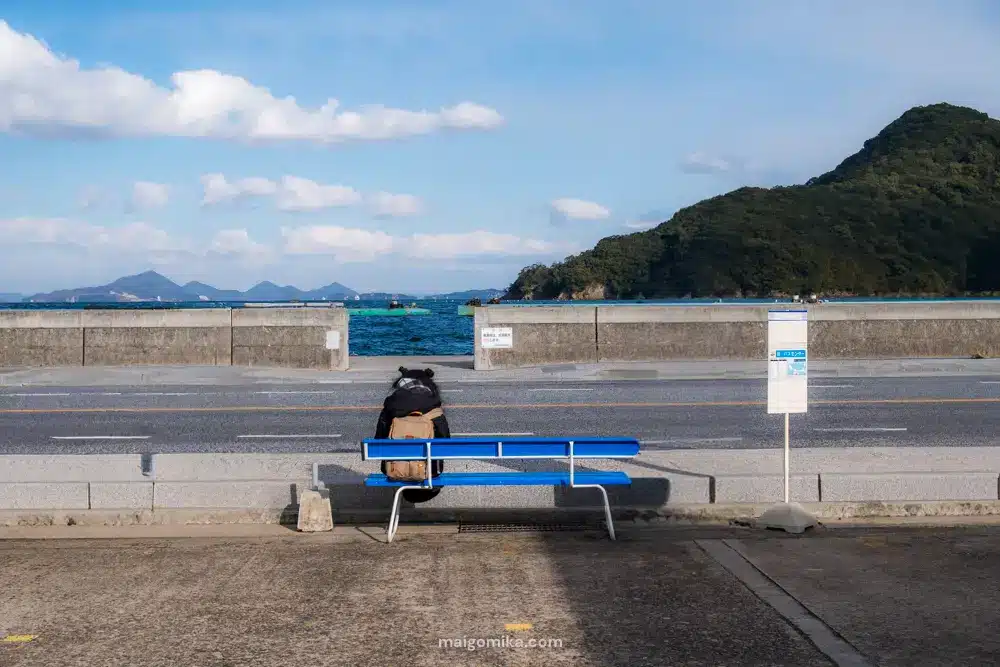
In the cities, you’re used to trains showing up every few minutes. However, the further you get into rural Japan, the fewer trains and buses there are. Sometimes just one an hour, sometimes only a handful per day. I know places where three buses pass through in total in an entire day, and that’s it.
Some local lines stop running surprisingly early (around 7–9 p.m.), and others are so infrequent that missing one can mean a very long wait — or an unexpected overnight stay.
If you’re heading somewhere remote, always check the last train or bus time before you go. And when you arrive at a station, take a photo of the timetable, especially if it’s unstaffed. That single photo has saved me more times than I can count.
2. IC Cards Don’t Work Everywhere
Suica, PASMO, and ICOCA are amazing… until they suddenly aren’t.
Many rural train lines, buses, and private railways still operate on a cash-only basis or require paper tickets. This is especially common in places like Shikoku and mountainous regions.
I really noticed this when a friend from Tokyo came to visit me in Shikoku. She was completely thrown off when none of her transit passes worked — no tap-in, no tap-out, no backup option. For me, paying for trains and buses in cash was just part of daily life. For her (and honestly, a lot of people who even live in Japan), it was a shock.
So yes — IC cards are incredibly useful. Just don’t assume they’ll work everywhere. Carry cash and coins.
3. Card Payments Aren’t Guaranteed
Speaking of cash…
Japan, in general, leans more cash-based than many countries, but that becomes especially true once you head into the countryside. The more remote you go, the less reliable card payments become.
Small restaurants, family-run inns, local buses, roadside produce stands, temples, and even some accommodations may not accept cards at all—or only sometimes. (And “sometimes” is not something you want to gamble a meal on.)
Plan to have larger amounts on hand, or use an international debit card to withdraw yen from Japanese convenience stores. (If you want to avoid high foreign transaction and ATM fees, a Wise card works like an international debit card that you can load in advance (or during your trip) through the app, and the exchange rates are usually much better than standard bank cards.
Make sure to have yen on hand, because it might not be optional out here.
4. Some Stations Have No Staff at All
Unmanned stations are common in rural Japan — and while it can feel surprising at first, (and no, it doesn’t mean you get a free ride, ha!)
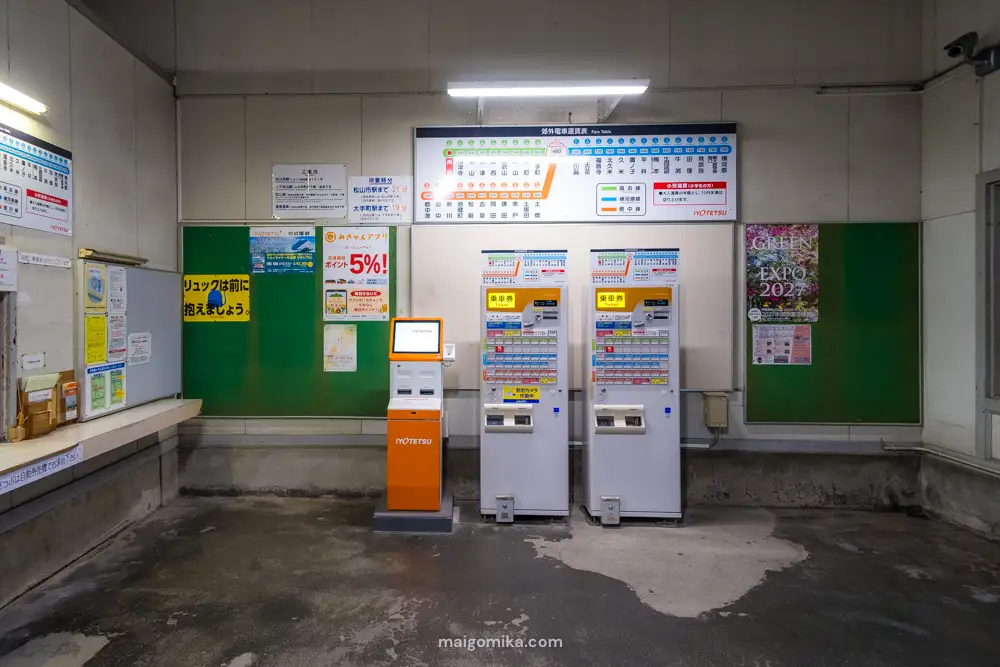
Many countryside stations have no ticket counters, no gates, and no staff to ask questions. Sometimes there’s just a platform, a timetable, and a small fare chart taped to the wall. If it’s all in Japanese, a translation app will be very handy.
Before you travel, it helps to check fares online. In some areas, you’ll buy your ticket on the train. In others, you’ll pay when you arrive at your destination.
It’s completely normal out here — just unexpected if you’ve only ever traveled through Japan’s big cities.
5. Internet Can Disappear Without Warning
Japan’s internet is excellent… until you hit a wall of mountains, dense forests, or deep valleys.
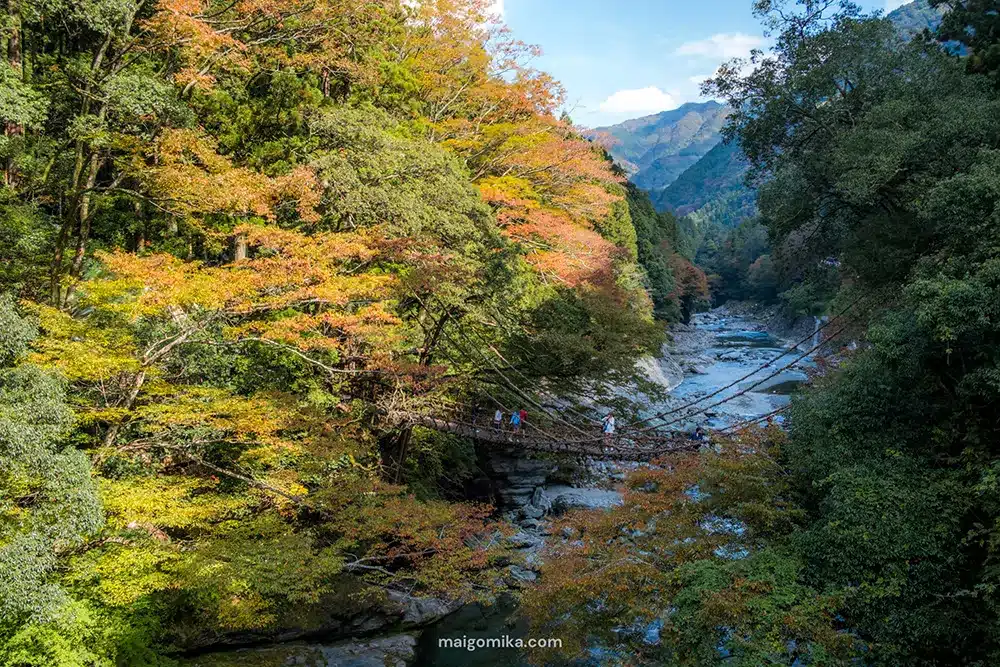
Once you get into rural areas, the signal can drop suddenly — even if you’re using a reliable eSIM or a pocket Wi-Fi. Valleys, forests, and coastal cliffs can completely block signals, and this happens more often than people expect. I’ve lost count of how many times I’ve been driving through the mountains, reset my GPS… only to realize I had absolutely no connection at all.
If you’re unsure which setup is best for your trip, I break down the pros and cons of each option in my eSIM vs Pocket Wi-Fi for Rural Japan Guide: Which Actually Works in the Countryside?
The key takeaway: plan ahead and don’t rely on live navigation alone. Save your accommodation details offline, download maps in advance, and take screenshots of your routes before you lose signal. It’s a small step that can save you a lot of stress.
6. Screenshots Can Save the Day
I regularly screenshot important info — train timetables, schedules, routes, even fares — just in case I lose signal. This is especially helpful if you’re traveling spontaneously, hopping on local trains, or going on slow, unplanned days in the countryside.
Screenshots also provide a visual reference to show people if you need help getting back to your accommodation. A map pin or address on your phone is often way easier than trying to explain where you’re staying.
Before driving or hopping on a local train, screenshot:
- your route
- the train timetable
- your accommodation name and address
When the signal disappears (and sometimes it will), those screenshots become your lifeline — and your backup plan.
7. A Rental Car Can Unlock Entire Regions
You can travel to some rural areas by train or bus, but a car can change everything.
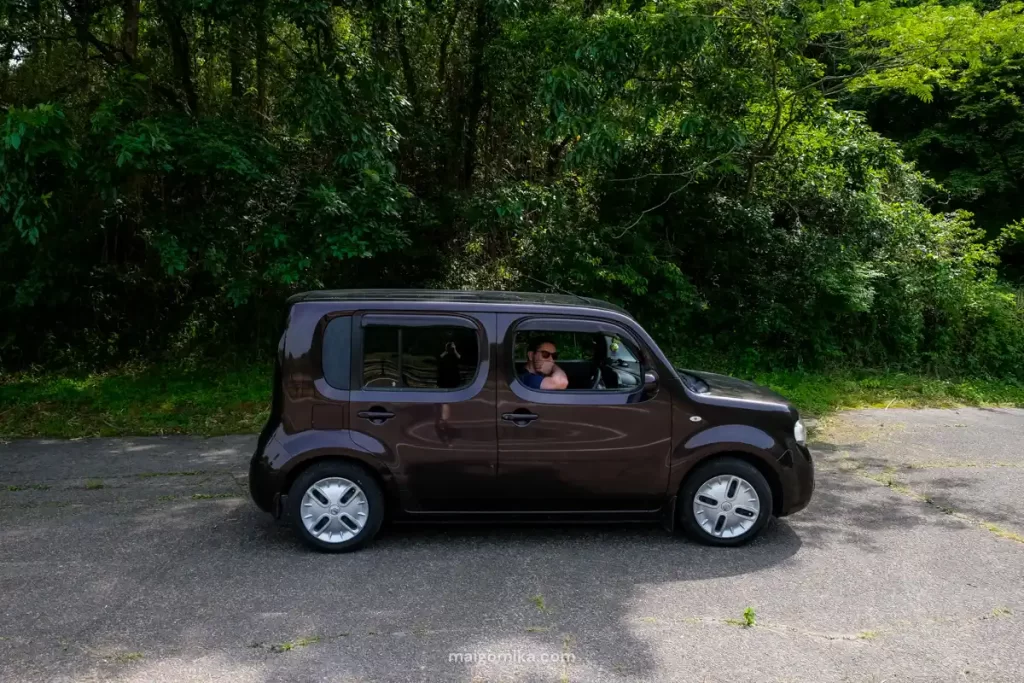
How necessary a car is depends entirely on how remote you’re going and how flexible you want your days to be. For me, having a car has been invaluable, and I find even renting one for just a few days can completely transform my trip.
A car lets you reach places trains don’t go, take back roads you’d never see otherwise, and stop whenever something catches your eye. You’re no longer planning your entire day around train times, and that alone removes a huge amount of stress.
8. Restaurants Close Early
…and sometimes, randomly.
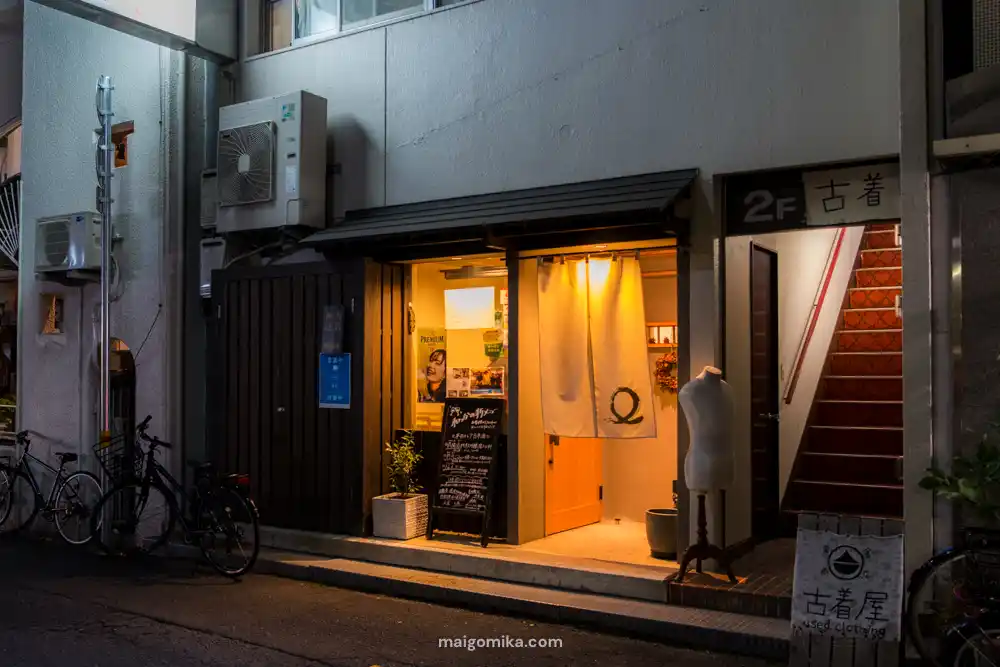
Once you head into the countryside, food options become more limited — and closing times often come much earlier than expected. I’ve driven 30 minutes (more than once) to reach the next town, only to find the restaurant already closed, fully booked with overnight guests, or simply not open that day.
Many places close around 7–8 p.m., take irregular days off, or shut early when ingredients run out. And while Google Maps is helpful, hours aren’t always accurate in rural areas.
Arrive early when you can, and if your accommodation offers meals, book them. Future-you will be very grateful.
9. Booking Ryokan Meals Will Save You
Plus, they can become the highlight of your ryokan stay.
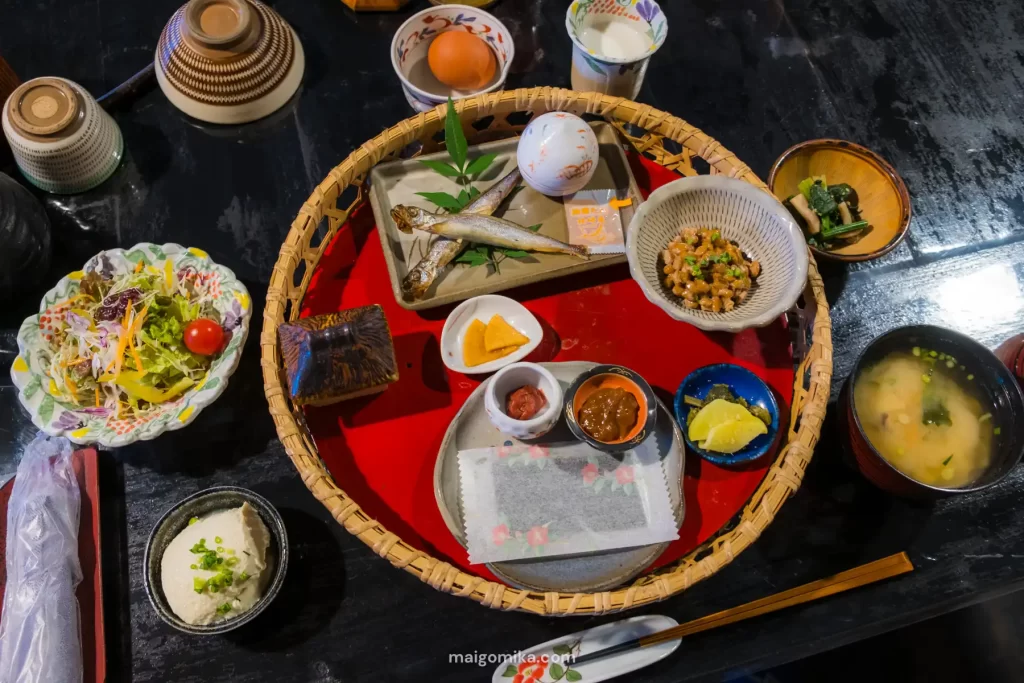
Not only are ryokan (traditional inns) meals often deeply local and seasonal, they also save you from having to peel yourself out of your yukata after a long day and go wandering around in search of food. (The last thing you’ll want to do is put your sweaty clothes back on and socialize with the outside world again, am I right?)
Rural Japan doesn’t have a strong “grab breakfast at a café” culture, and dinner options can be limited, especially in small towns or after 8 p.m.
Booking meals means:
- guaranteed food
- deeply local cuisine
- no late-night food hunting
Ryokan meals are often a highlight of my stay, showcasing seasonal ingredients and regional cooking you wouldn’t easily find elsewhere. Even if meals cost extra, they’re usually well worth it, and perhaps, dare I say, a core part of your ryokan experience.
So, if a ryokan or minshuku offers meals, book them.
10. Konbini Are Less Common the Deeper You Go
The omnipresent konbini… until you start heading deeper into the inaka.

In cities, you can’t walk a few blocks without seeing a konbini (convenience store). But once you head into mountainous or very rural areas, they become much farther apart. You might even drive a long stretch without seeing a single one.
My rule: if you see a convenience store before heading somewhere remote, stop and stock up — even if you think you don’t need anything yet.
Before long drives, hikes, or bike rides, I always grab:
- onigiri
- sandwiches
- snacks
- drinks
Don’t assume you’ll “find something later.” Future-you will be grateful when there is no other option on that impromptu hike or bike ride.
11. Onsen Are More Affordable Than You Expect
You don’t need to stay at a luxury ryokan to enjoy Japan’s hot springs.
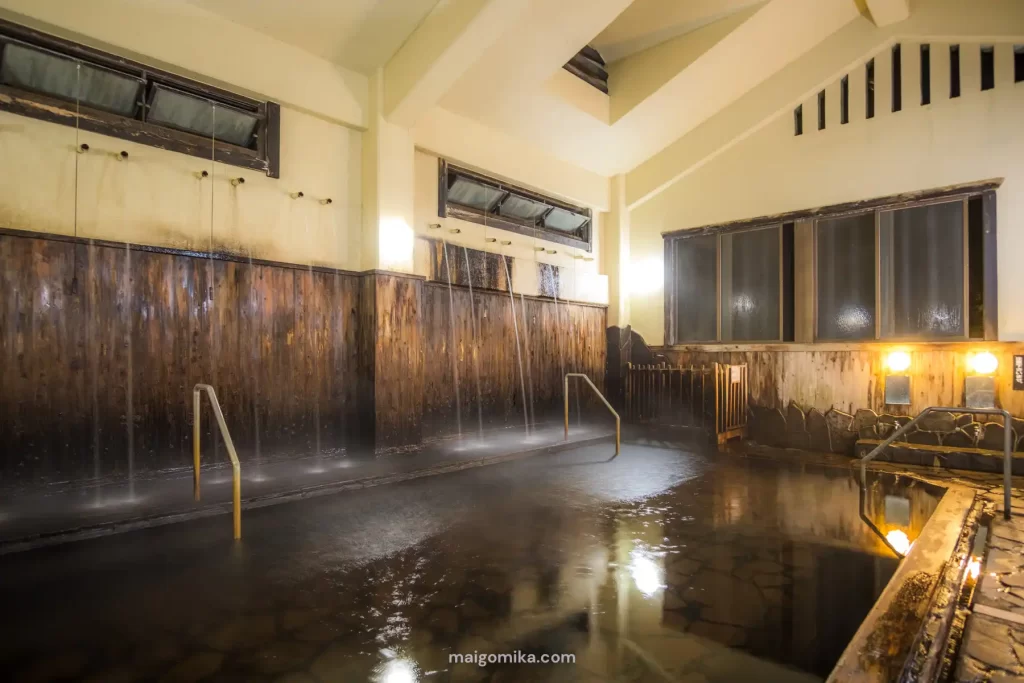
Onsens are something I recommend to everyone traveling in Japan, and the more rural you go, the simpler (and more affordable) they often become. While some resort-style baths can be pricey, many excellent options are surprisingly accessible.
Look for higaeri (day-use) onsen, which let you visit a ryokan or resort bath during the day without staying overnight. You’ll also find sentō (public baths) for just a few hundred yen, and in some towns, ashiyu (foot baths) that are completely free.
If you want extra privacy, many places offer family or private baths, usually ranging from ¥1,500–¥3,000 for about an hour.
Look for:
- Higaeri (day-use) onsen: ¥500–¥1,500
- Sentō (public baths): a few hundred yen
- Ashiyu (foot baths): often free
Some of the best baths I’ve visited were local, unassuming, and absolutely unforgettable.
12. Shrines and Temples Are Mostly Free
If you’re looking for budget-friendly ways to fill your days, shrines and temples are an easy win — and there are lots of them.
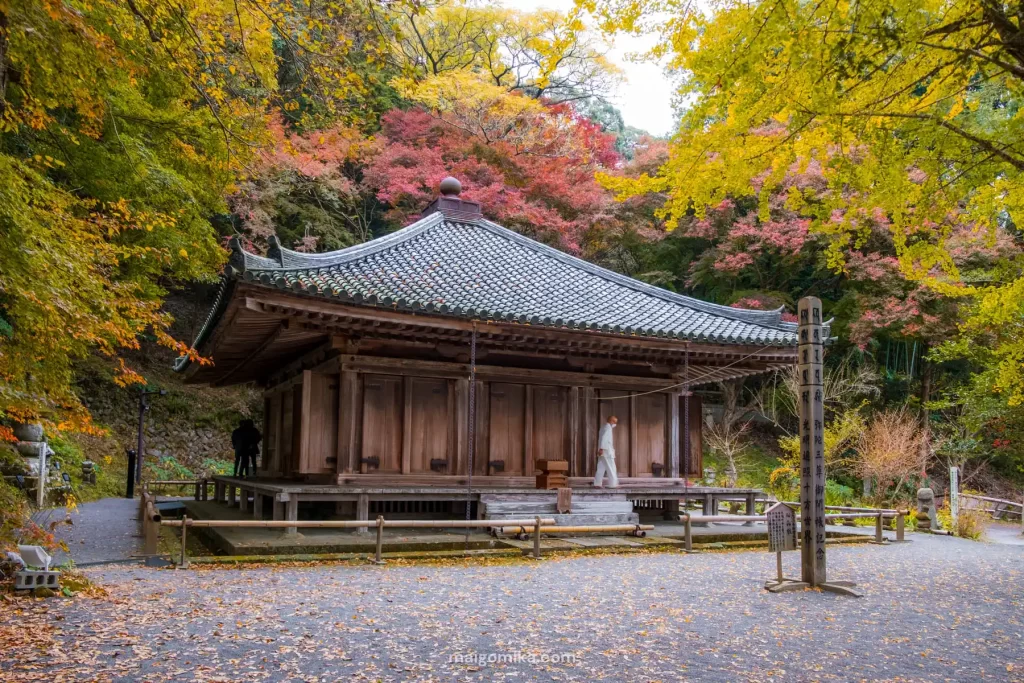
Many shrine and temple grounds are completely free to enter and explore. For more famous sites, there may be a small admission fee that typically only costs a few yen. You can take your time, wander quietly, and enjoy the atmosphere without feeling rushed or pressured to spend money.
Fees usually apply only if you want to go a little deeper, such as entering:
- inner halls
- gardens
- museums
Even then, the cost is often modest. And honestly, just being there is the point — these are places meant to be lingered in.
13. Locals Are Generally Curious of Foreigners
If you’re wondering what it’s like to be a foreigner in rural Japan, here’s the short version: people in the countryside are usually pretty friendly and curious.
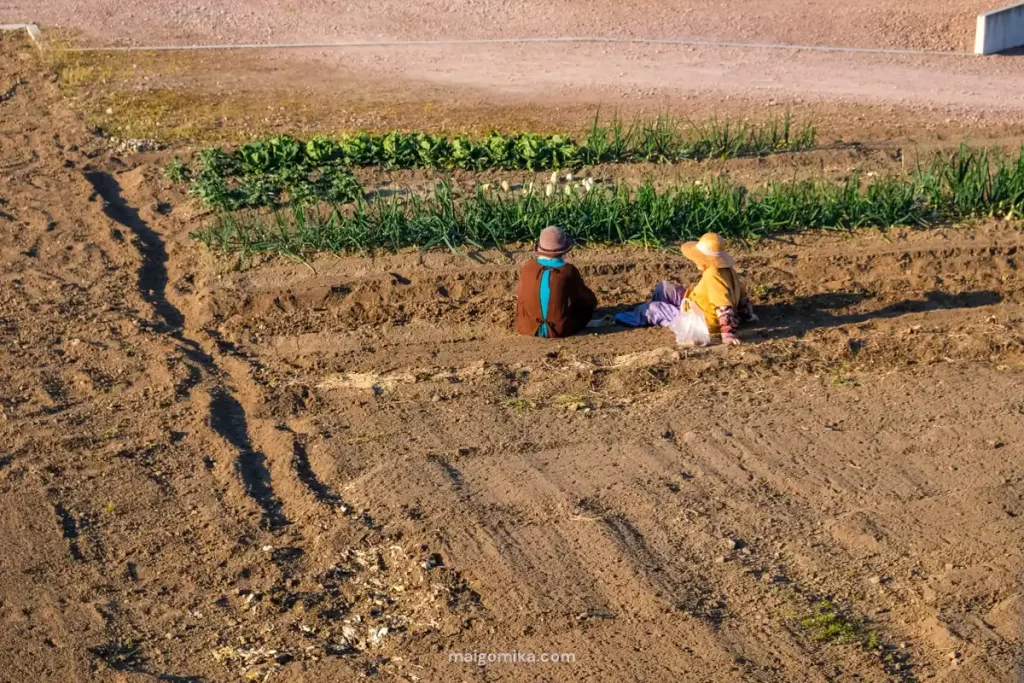
In many rural areas, foreigners are still uncommon, so you stand out a little. You might notice a few longer glances, but they’re rarely suspicious or negative — curiosity is much more likely.
If you catch a few extra looks, don’t take it personally. I always say that a simple konnichiwa and a friendly smile can instantly shift the moment. More often than not, it can turn into a warm greeting, a short conversation, or one of those unexpectedly wholesome countryside interactions that end up being a highlight of your trip.
14. Small Politeness Goes a Long Way
A little politeness goes far everywhere — and rural Japan is no exception.
People tend to be more relaxed out here, but that doesn’t mean manners don’t matter. You don’t need fluent Japanese, just a bit of awareness and consideration.
Things that make a big difference:
- keep your voice low on public transport
- don’t cut lines or block entrances
- avoid strong perfumes
- say konnichiwa, arigato, sumimasen
These small gestures can instantly shift an interaction from awkward to welcoming.
15. You Don’t Need to Plan Every Minute of Your Trip
A little structured planning goes a long way, but beyond that, some of my favorite countryside memories are the ones I leave intentionally open.
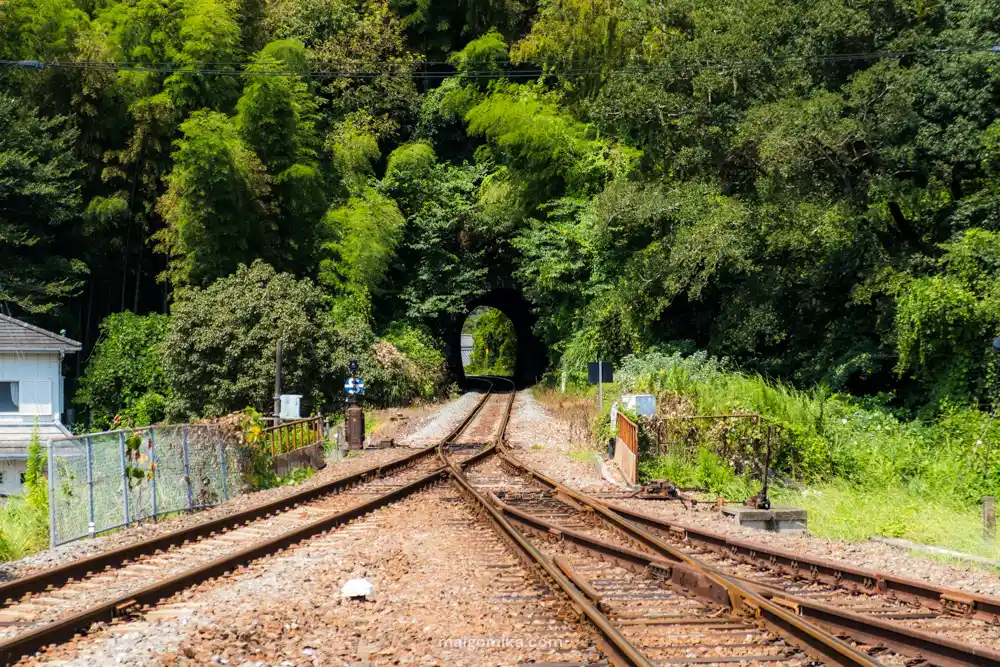
Sometimes I’ll visit a tourist information center and rent a bike just to explore. Other days, I’ll hop on a local train that stops at every station, get off wherever something catches my eye, and wander on foot with no real plan at all.
My Final Thoughts
I wouldn’t say that the Japanese countryside is necessarily harder to travel in, but it does require some different expectations. Though with a bit of planning, you’ll experience a side of Japan that most travelers never slow down enough to see — a side that is more local, warmer, and deeply human.
Rural Japan rewards curiosity and slowness. So, give yourself plenty of time and space to embrace it.
Planning Your Countryside Trip?
If you’re planning on a rural Japan trip, these guides will help you prepare realistically: