So, you’re thinking about buying an akiya — a vacant or abandoned house in the Japanese countryside?
If you know anything about our story, you know that we totally get it. The idea of affordable homeownership. Restoring something old. Putting down roots in Japan. It’s all incredibly compelling, and, for us, it’s what led us straight into the world of akiya living.
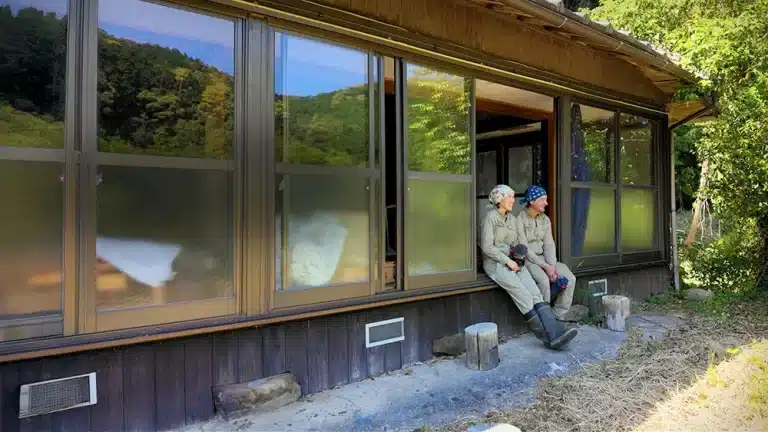
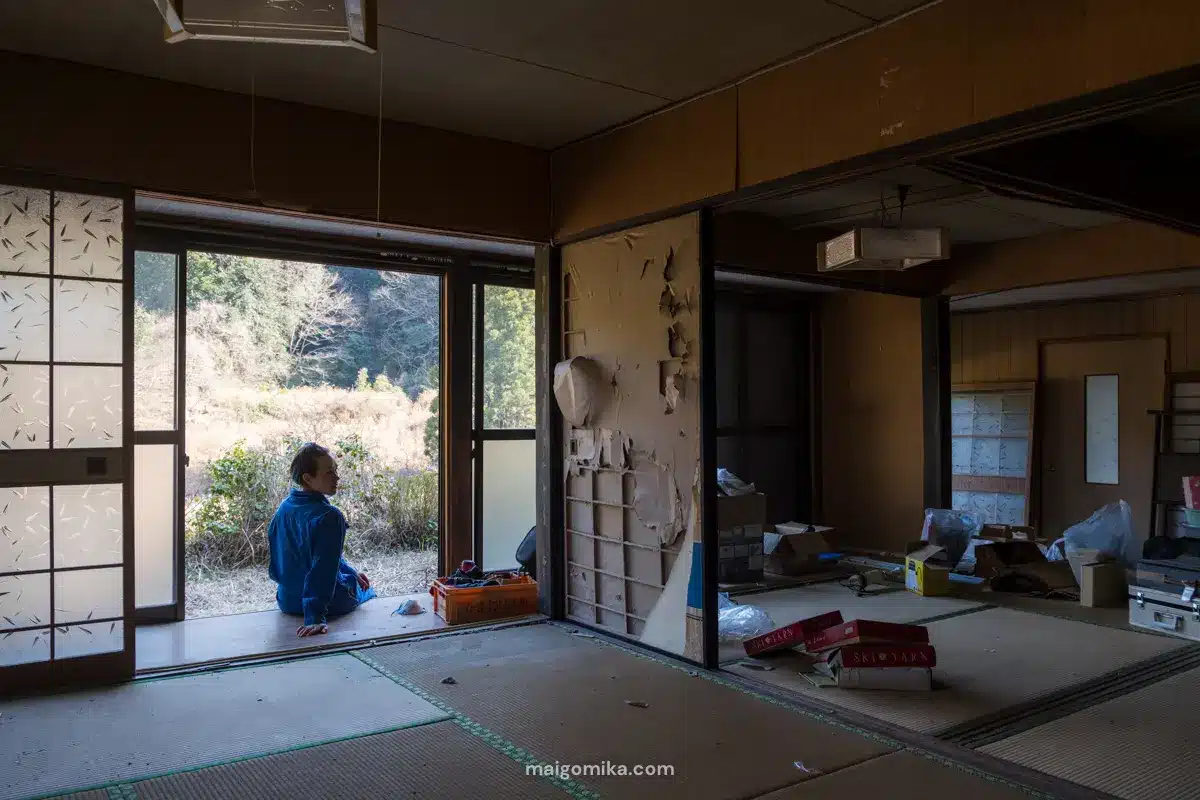
When we finally found our house, it wasn’t perfect. It had sat empty for years. There were signs of wear and many more unknowns hiding under old siding. And yet, beneath all of that, we saw potential, a feeling that we could turn this place into something we could call home.
After years of living in an akiya, we know life is right for us. But we are also honest about the trade-offs — financial, physical, and emotional tolls.
So before you fall too quickly in love with timber beams and mossy roof tiles, here are some key things we’ve learned that will help you decide if an akiya life is right for you.
If you’re completely new to akiya, I break down what they are, where to find them, and what the buying process looks like in Everything You Need to Know About Akiya Houses in Japan.
- 1. The Purchase Price Is Just the Beginning
- 2. Even a Small House Can Become a Big Project
- 3. Many Older Homes Weren’t Built for Modern Living
- 4. Bureaucracy Is Real (And Complicated)
- 5. Rural Logistics Are Real
- 6. You’re Willing to Trade Time for Cost
- 7. Community Might Be A Part of the Deal
- 8. Resale Isn’t Guaranteed
- So… Is It Worth It?
- To Recap: Who An Akiya Is Actually For?
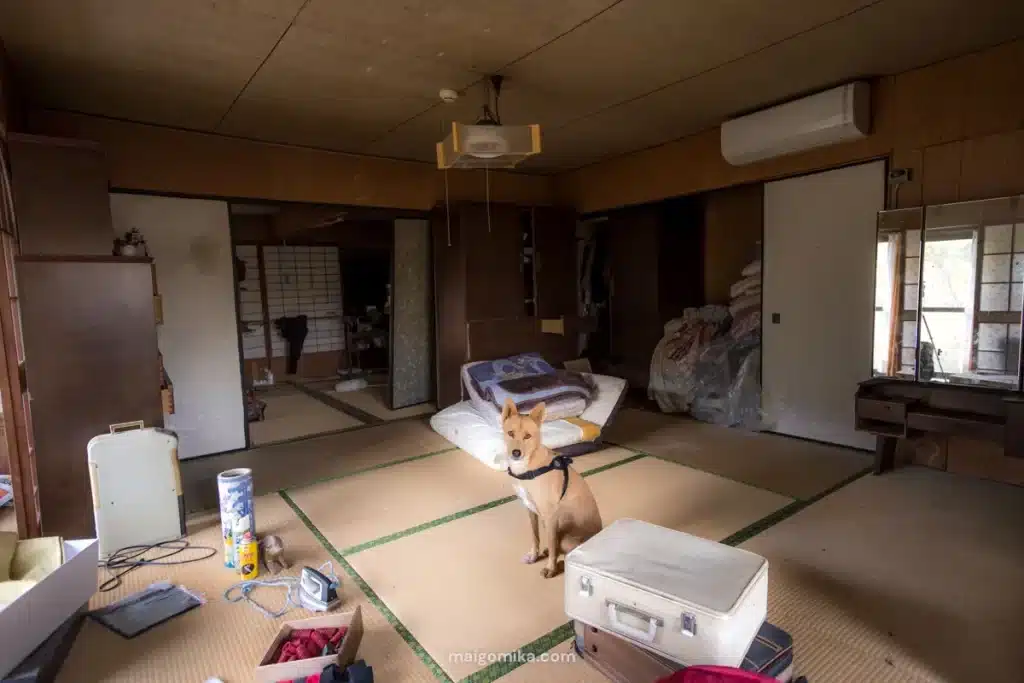
1. The Purchase Price Is Just the Beginning
Akiya houses can be surprisingly affordable. But the list price is rarely the full picture.
Renovation costs are as expensive here as it is anywhere else, and they can vary widely depending on the condition of the home. For example, insulating and finishing the ceiling in our tiny 75 m2 rental costs roughly ¥350,000 (about $2,000 USD), along with several weekends of our time.
And that was just one project.
Beyond materials, costs add up in ways you don’t anticipate:
- Tools you didn’t know you needed
- Replacement parts that don’t quite fit
- New structural issues revealed once walls are opened
- Disposal fees that slowly add up
We still hold our breath every time we take a crowbar to peek behind a wall. Sometimes we find nothing. And sometimes we find larger issues — older wiring, rot, and years of hidden damage that quickly turns into more work.
Many of these realities only become clear once you’re living in the space — something we experienced firsthand in our first year living in our rental.
The takeaway: Akiya may be cheap to acquire, but rarely cheap to restore. Financial and mental breathing room goes a long way.
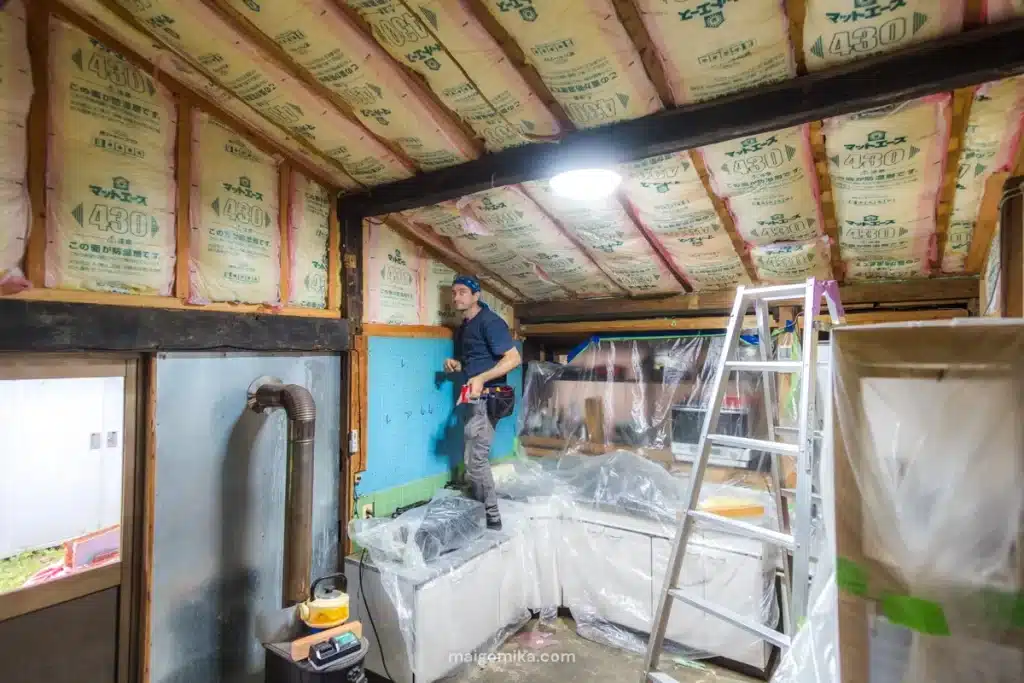
2. Even a Small House Can Become a Big Project
When we first started searching for an akiya, we imagined buying a large, beautiful kominka with exposed timber beams.
Then we began renovating our small rental.
A single ceiling project — removing a false ceiling, adding insulation, and installing drywall — took over a year. That experience changed our perspective entirely.
By the time we bought our own place, we chose something much smaller than we had first imagined. And that was intentional.
Because size multiplies everything:
- Higher retrofitting costs
- Larger roof repairs
- More materials
- And more time
The takeaway: Choose something manageable and within your means. A smaller house doesn’t limit you — it gives you a project you can actually see through.
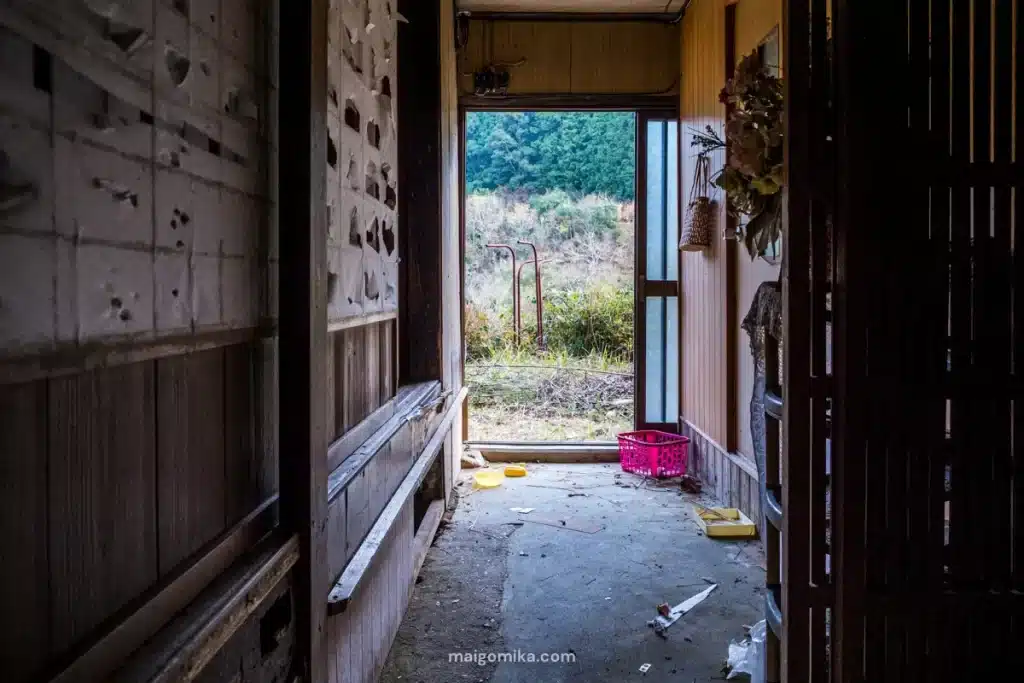
3. Many Older Homes Weren’t Built for Modern Living
What looks livable at first can require a full overhaul.
Many akiya were built without modern wiring, plumbing, or insulation. In some cases, they were built before those systems even existed!
Homes built before 1981 fall under older earthquake standards and may require seismic reinforcement — an important, but expensive upgrade.
And then there’s insulation.
Traditional Japanese homes were designed to breathe—especially in humid summers—so insulation was never part of their design. Adding it meant working with that original design: maintaining open eaves, preserving airflow, and figuring how to make it work in a climate far hotter than we were used to.
If you’re eyeing such a property, be prepared for the possibility of a complete overhaul of these essential services.
It can feel overwhelming, a list of things to fix that keeps growing. But for us, each repair also became a way of understanding the house. Every wall opened, every beam inspected—it slowly revealed how the home had been built and how we could make it a more modern, comfortable version.
The takeaway: Updating an old house takes planning and patience. But if you’re willing to learn how it was built, you gain an opportunity to shape it for how you want to live.
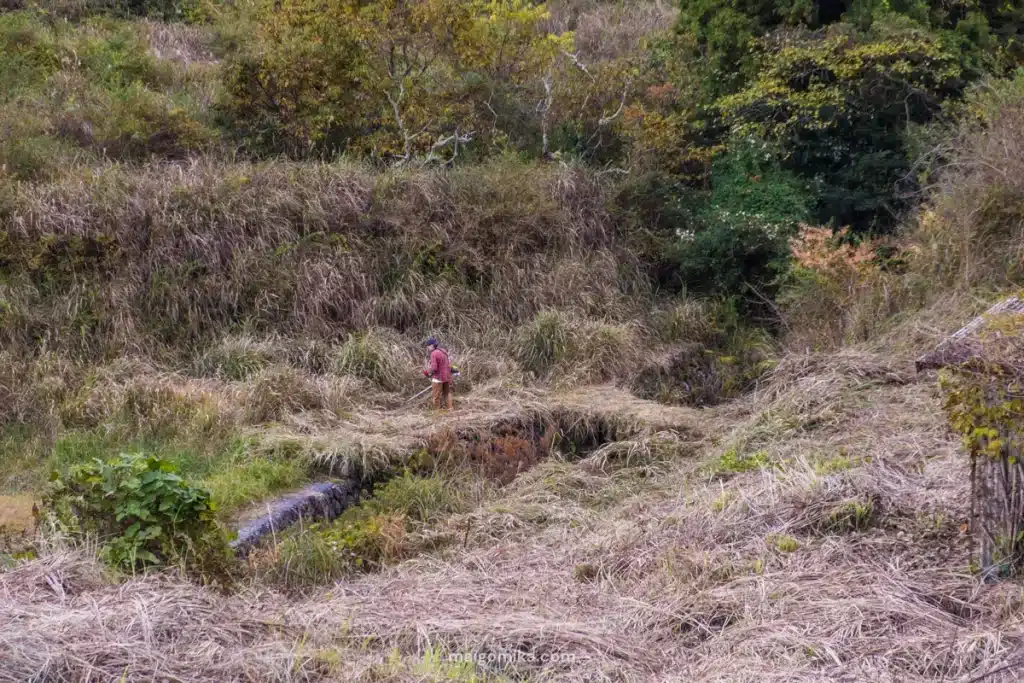
4. Bureaucracy Is Real (And Complicated)
Buying an akiya isn’t always a simple “sign and receive keys” process.
If you’re looking at an unlisted house (like we did), that means extra paperwork, often for you. Some properties are tied up in multi-heir inheritance situations. Others involve unclear ownership records or restrictions on farmland.
If agricultural land is involved, you will need approval from a local agricultural committee — and in most cases, residency requirements apply for purchase.
Our own purchase took nearly a year, from first contact to getting the keys. I documented that full process here: We Bought an Akiya in Japan. The Real Process (And Why It Took a Year).
And even after buying, progress doesn’t suddenly become smooth. There’s still paperwork — rentals, permits, and the kind of admin that tends to lead to more of the same.
The takeaway: Expect delays and complexity. But if you can move at the pace the process demands, it becomes less about rushing to the finish — and more about building something steadily, step by step.
If you’re not keen on navigating all of that alone, there are services that simplify parts of the process. I’ve found AkiyaMart helpful for browsing properties remotely in English, with licensed agents who can guide you through the paperwork side of things. You can also get 30% off AkiyaMart Pro if you use MAIGOMIKA at checkout ($180 ➡️ $126).
5. Rural Logistics Are Real
Even simple things can work differently than expected.
If you happen to be in a rural location, finding materials might become less straightforward. Hardware stores might not have everything you need, and larger items may require sourcing from lumberyards, often in Japanese. The availability of qualified professionals will vary widely by location.
Then there’s disposal.
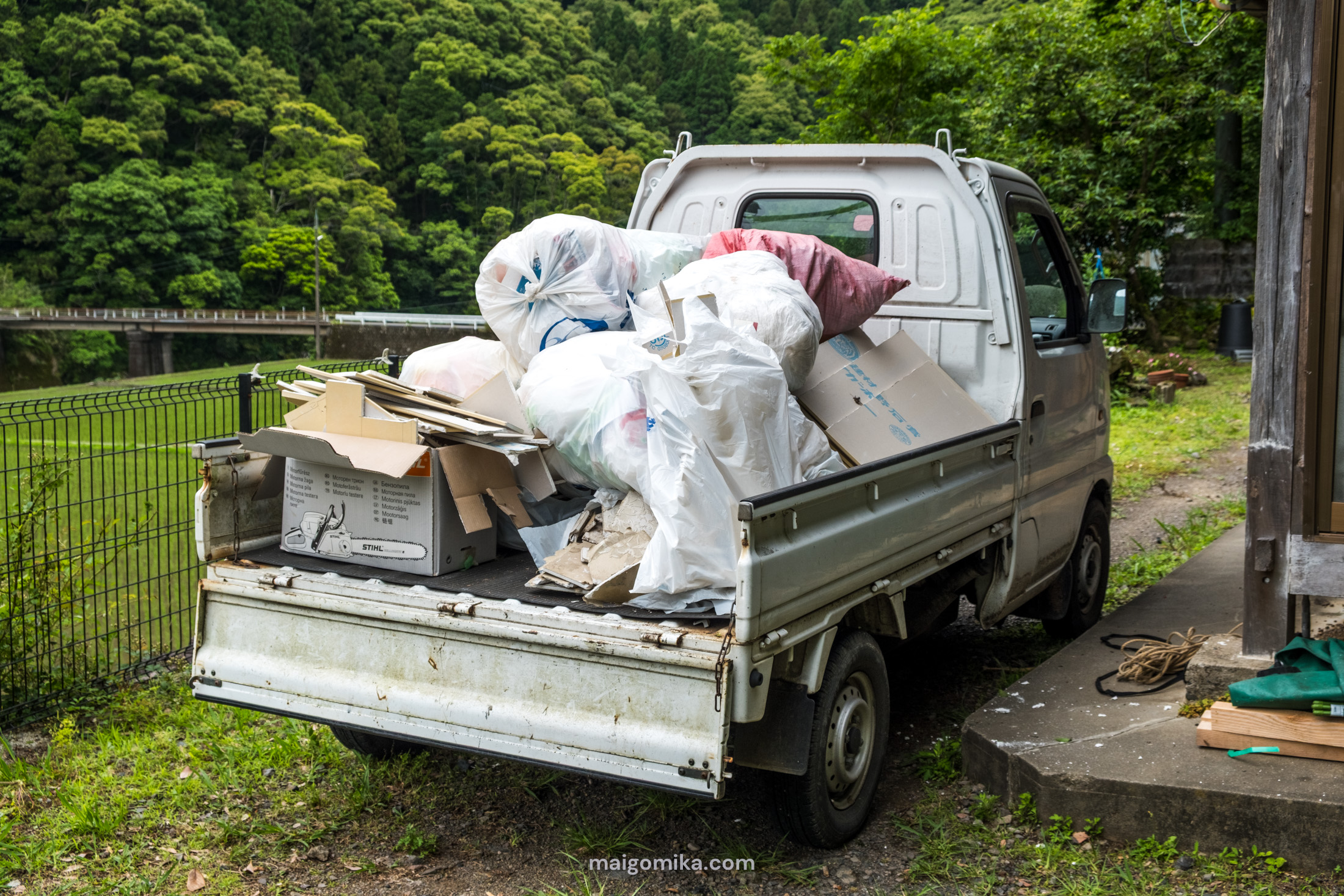
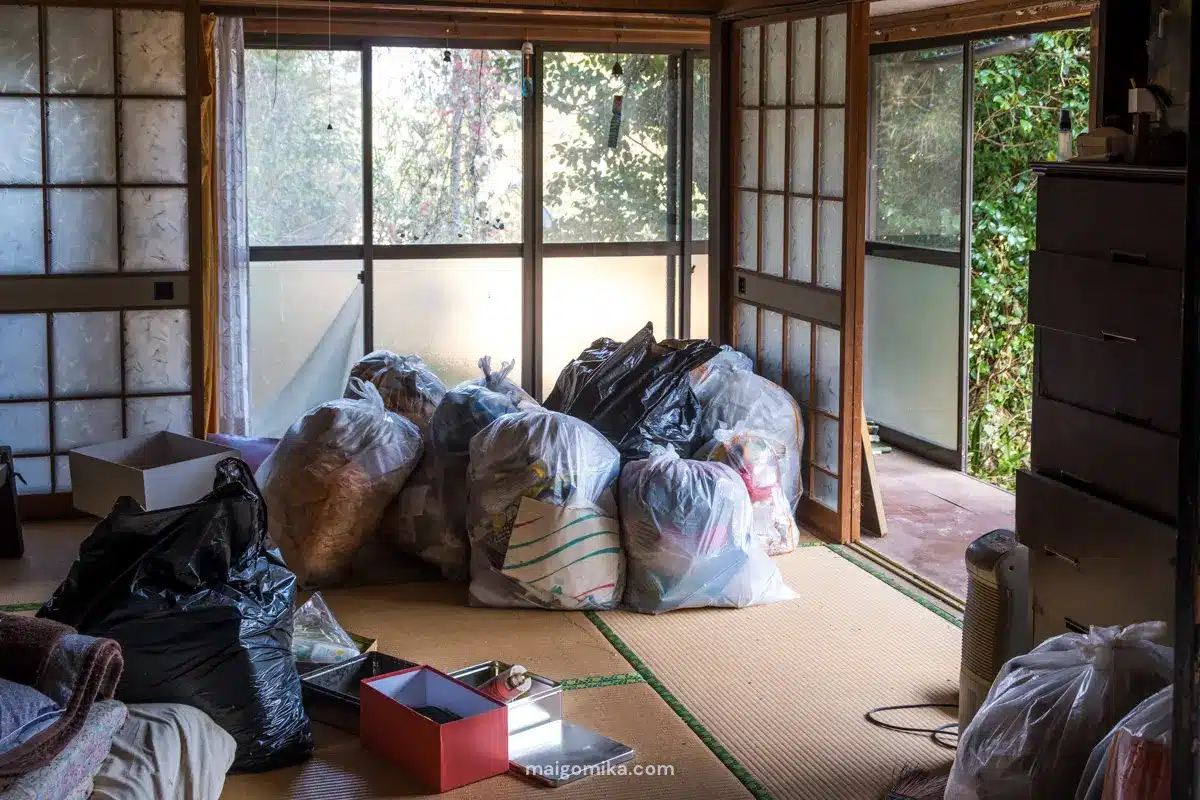
Instead of dumpsters, you sort, load, and transport everything to different facilities. Fees vary depending on weight and category, and construction waste is significantly more expensive.
If you want to see what that looks like in real life, I documented our first full garbage dump run during renovation — including the sorting system and fees — here: A Guide to Garbage Disposal When Renovating an Akiya House in Japan.
These differences might feel inconvenient, but over time, you can get used to them and start planning ahead and being more resourceful.
The takeaway: It may take more effort at first, but over time, that effort turns into familiarity — and simply becomes part of daily life.
6. You’re Willing to Trade Time for Cost
Akiya are often described as “cheap,” but restoring one is really a question of how you choose to invest — your time, your money, or a mix of both.
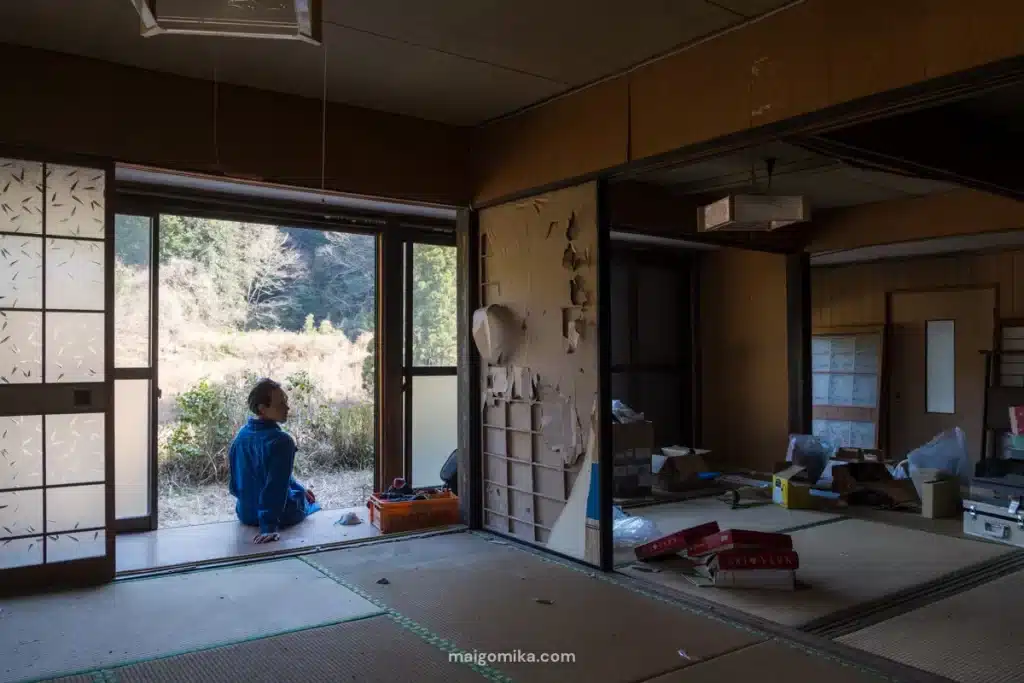
For us, weekends and evenings gradually shifted from “free time” to “house time,” with progress happening in small increments over months.
Doing things ourselves saves us money and can be deeply rewarding, but it requires a lot of time, energy, and patience.
Hiring professionals can move things along more quickly, though often at a higher cost, especially in rural areas.
It becomes a constant trade-off: how much time you’re willing to invest, and where it’s worth spending to move things along. Even for us, it’s a balance we’re still figuring out.
The takeaway: You’ll be constantly balancing time and money. But if you’re open to that trade-off, you gain something few homes offer: a space shaped by your own hands and decisions.
7. Community Might Be A Part of the Deal
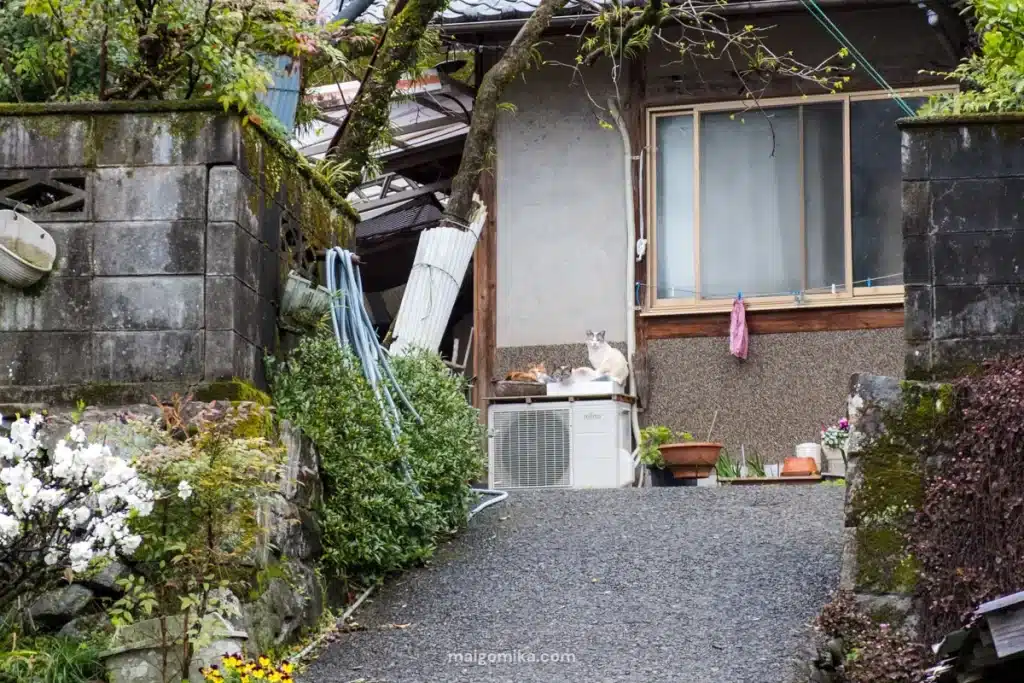
If you’re buying an akiya in a rural area, you might not just be choosing a house — you might also be stepping into a community.
In smaller towns, people notice when someone new arrives. You might be invited to seasonal cleanups, local festivals, or neighborhood events. Daily life is a little more visible, and things like garbage sorting and shared responsibilities are taken seriously.
This isn’t a negative thing. In fact, it’s one of my favorite, most beautiful parts of living in Japan.
If you’re unsure whether this kind of lifestyle suits you, I’d recommend reading Is Japanese Countryside Life For You? Here Are 7 Truths To Consider Before Making The Big Leap.
The takeaway: A house might also come with a community. If you’re open to that, it can become one of the most meaningful parts of living in Japan.
8. Resale Isn’t Guaranteed
If you’re buying purely as a flip, an akiya may not be the most predictable path.
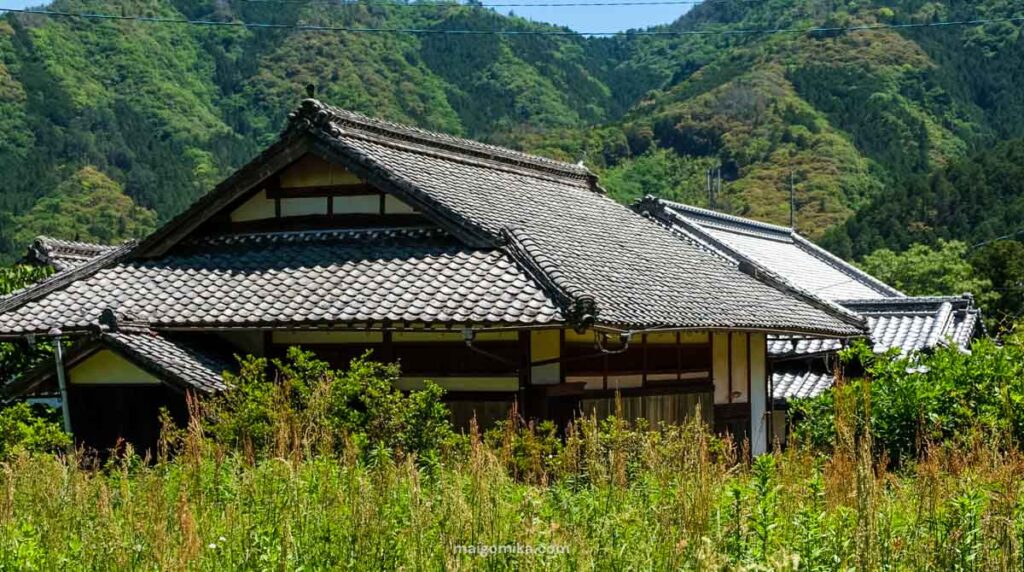
Renovation costs can add up quickly — sometimes exceeding the home’s market value on paper — and demand varies widely by location. A house near a regional city may hold value reasonably well, while one deeper in the countryside can take much longer to sell, if at all.
In many rural areas of Japan, older homes tend to depreciate over time, with much of the long-term value sitting in the land itself.
That can be difficult to reconcile if your focus is purely financial.
For us, the shift came when we stopped measuring the house by what it was worth, and started thinking about what it allowed us to do — how we spent our days, what we were building, and the kind of life we wanted to create.
The takeaway: An akiya may not offer a clear financial return. But approached as a long-term lifestyle choice, it can offer something far more lasting.
So… Is It Worth It?
Like countryside life, akiya living comes with its own set of trade-offs.
Buying an akiya asks for patience, adaptability, and a willingness to live a little differently. It often means exchanging some convenience — and a fair bit of your time — for a deeper level of involvement, both financially and emotionally.
But in return, there’s something quieter and more lasting: a sense of autonomy, and the chance to shape a home with your own hands, in your own time.
For us, it’s not really about what the house is worth. It’s about the kind of life it’s allowed us to build here.
To Recap: Who An Akiya Is Actually For?
Akiya is a good fit if:
- You’re planning to live in Japan long-term
- You value lifestyle over ROI
- You’re patient and adaptable
- You enjoy (or are open to) hands-on work
- You want to be part of a rural community
It may not be right if:
- You want a quick financial return
- You expect a move-in-ready home
- You prefer predictability and speed
- You’re not interested in maintenance or DIY
- You’re value anonymity over community life
So ask yourself honestly:
Are you excited by restoration and uncertainty?
Or do you need comfort and completion right away?
What part of akiya life excites you? And what part makes you hesitate? Let me know in the comments below!
If you’re at that stage and want to start exploring what’s out there, browsing platforms like AkiyaMart can be a helpful place to begin (especially if you’re doing it from overseas). If you use my code MAIGOMIKA at checkout, you will get 30% off AkiyaMart Pro.