It all started with Showa no Machi (昭和の町)—my very first taste of Japan’s retro landscape— sparking my genuine interest in visiting more of these Showa-era-inspired parks and museums throughout Japan. This isn’t just a museum; it’s a meticulously preserved street district in Bungo Takada in Oita Prefecture (not to be mistaken for Bungo Takeda) on the edge of Oita Prefecture’s ancient Kunisaki Peninsula. Showa no Machi vividly evokes the nostalgia of the Showa period (1926 to 1989), spanning the dramatic transformation from pre-war Japan through WWII and into the vibrant economic bubble of the 80s, which visitors can find in the streets and museums dedicated to preserving this period.
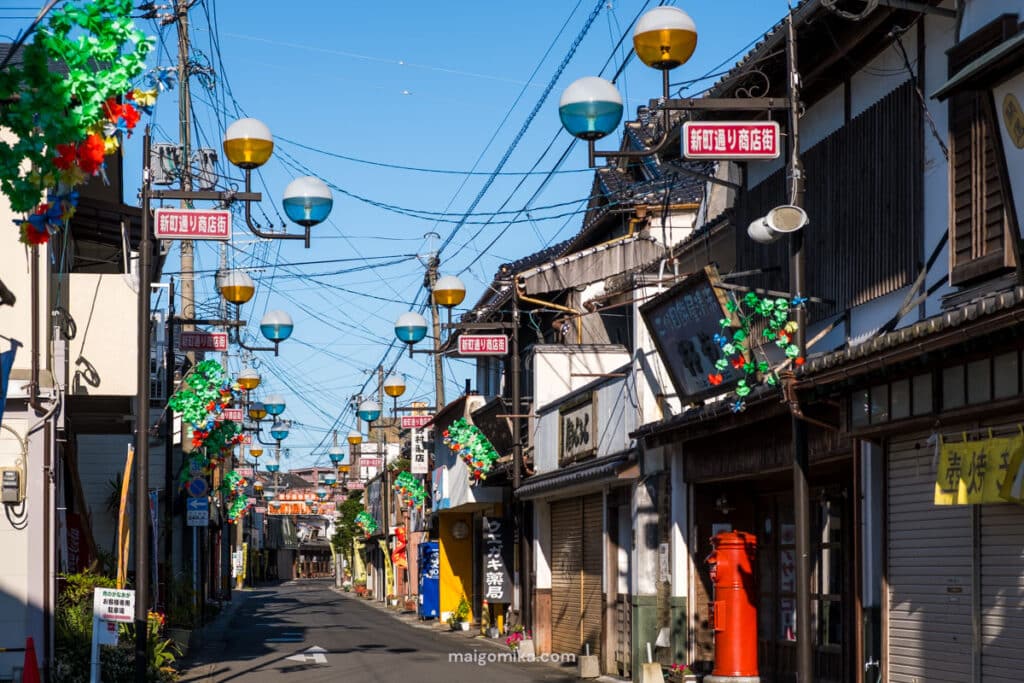
Having spent my first few years teaching English in Oita, I finally decided to play tourist and visit Bungo Takada. What I found was a time machine that instantly pulled me back into a Japan I never lived in— and has had me return again and again ever since.
This article might also interest you:
- Retro Lover’s Ultimate Guide: The Showa-Era Museums in Japan You Need to See
- My Favorite Antique Shops I Have Found My Most Beautiful Finds on Shikoku, Japan
How to Get There
Assuming you’re starting in Fukuoka (Hakata), the biggest city on Kyushu, getting to Bungo Takada is actually quite straightforward. Hop on the express train on the Nippo Main Line heading toward Usa Station for a 1-hour and 35-minute ride.
If you’re already closer, say in Oita City, the journey is even quicker: the express train to Usa Station takes about 40 minutes.
From Usa Station to Showa no Machi
Once you arrive at Usa Station, you have a couple of simple options for the final 10-minute leg:
- 🚗 The Fast Way (Taxi): Grabbing a taxi is quick and easy, and it will get you there in about 10 minutes.
- 🚌 The Scenic Way (Bus): Look for a bus heading to Bungo Takada or Imi. You’ll want to get off at the Bungo Takada Bus Terminal, which is about 10 minutes away.
A Little Tip on Accommodations
Just a heads-up: Bungo Takada itself is wonderful for a visit, but it’s a small, quiet town, so accommodation options are a bit limited (mostly just business hotels).
My recommendation? Treat this as a day trip! For your overnight stay, I highly suggest considering the famous hot spring town of Beppu. It’s easy to get to, has tons of fantastic onsen hotels, and makes for a wonderful base camp for exploring the region!
Showa no Machi Business Hours
1. The Time Capsule Hub: Showa Roman Gura (昭和ロマン蔵)
At the heart of Showa no Machi is Showa Roman Gura (昭和ロマン蔵). Once a rice storehouse built in 1935 by a wealthy business owner, it has now been renovated into a three-sectioned Showa-themed museum, comprised of the Dagashiya Dream Museum, Showa no Machi Yumemachi 3-chome, and TeamLab Gallery Showa no Machi.
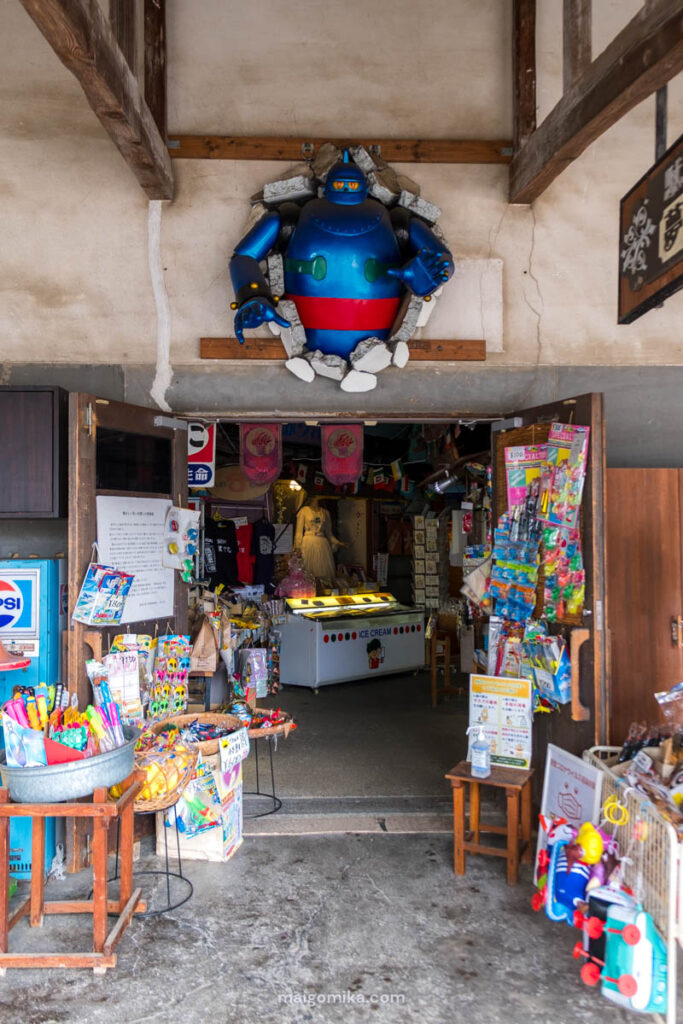
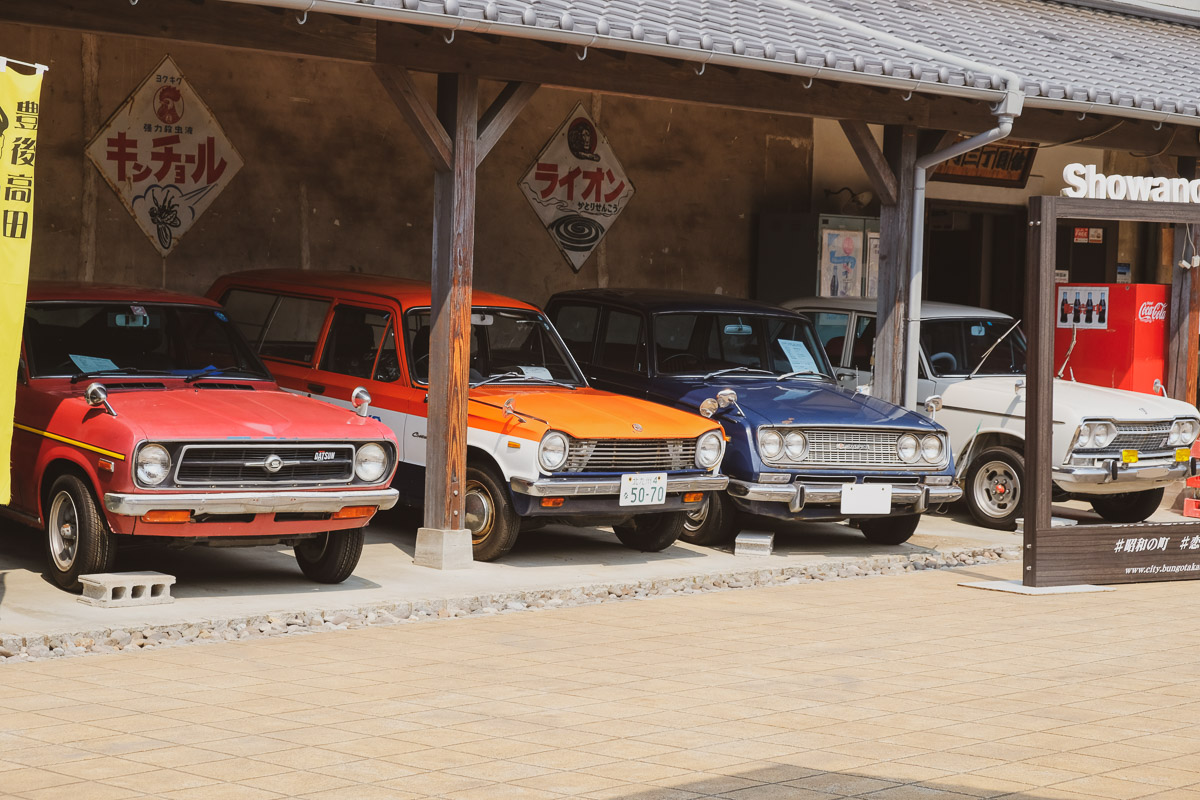
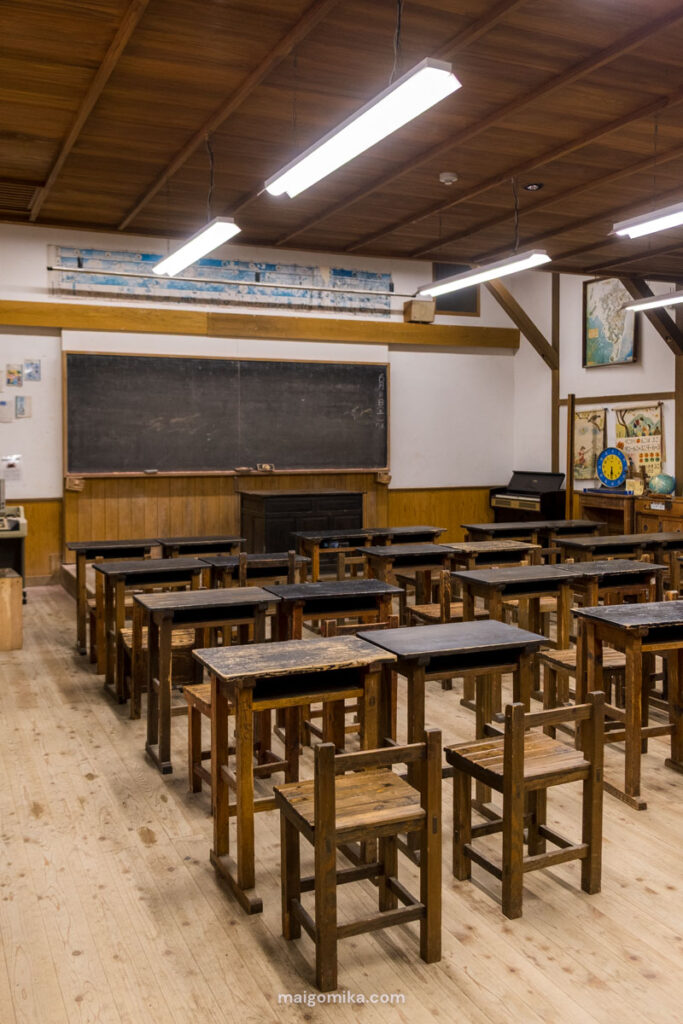
Each section has its own attractions, including a museum of Showa-era toys, an indoor arcade designed like an old Showa-era street, a Showa-era classroom, and a replica house in an enclosed room with lights that cycle through a regular day in the Showa era.
Outside, I admired the display of retro cars and bicycles before passing under the giant blue robot that appears to be crashing through the cement wall of the entrance, into the central portion of Showa Roman Gura: its toy museum at Dagashiya Dream Museum.
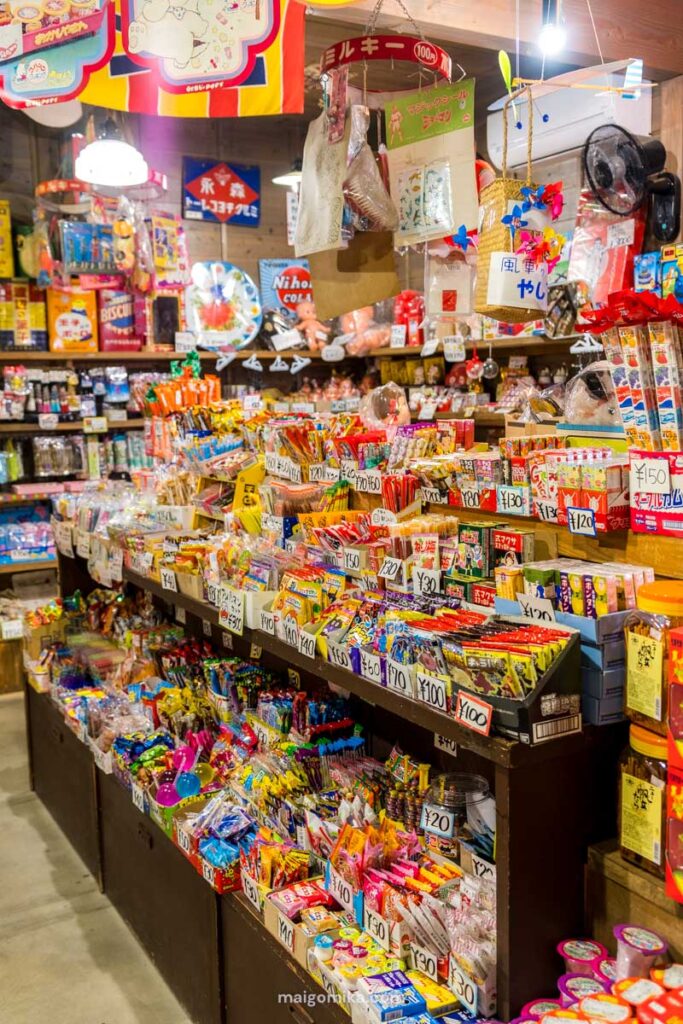
Dagashiya Dream Museum (駄菓子屋の夢博物館)
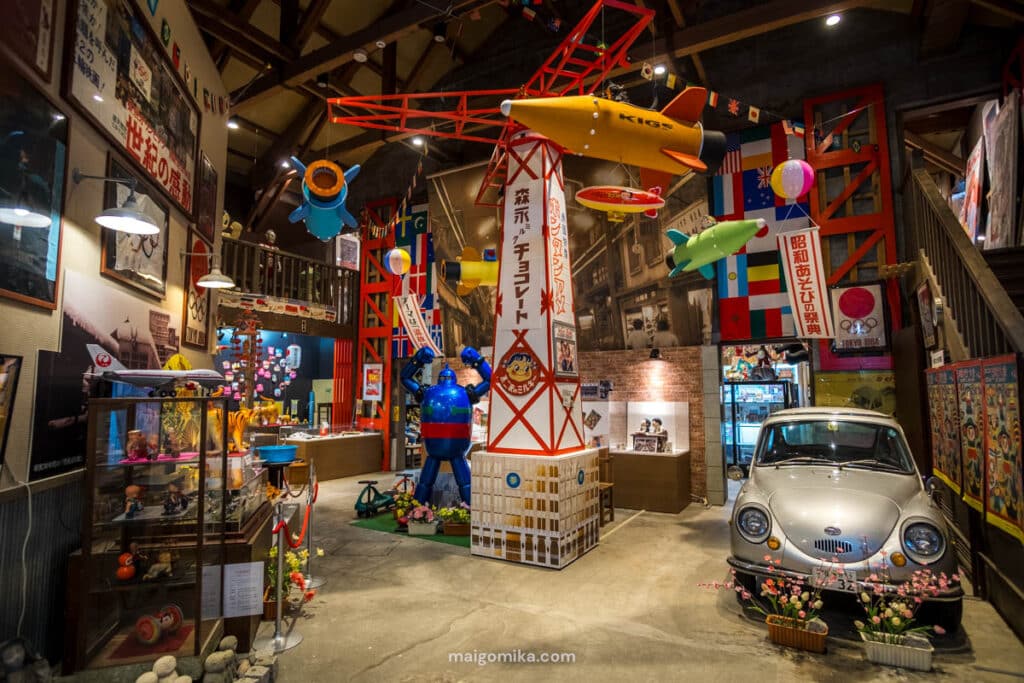
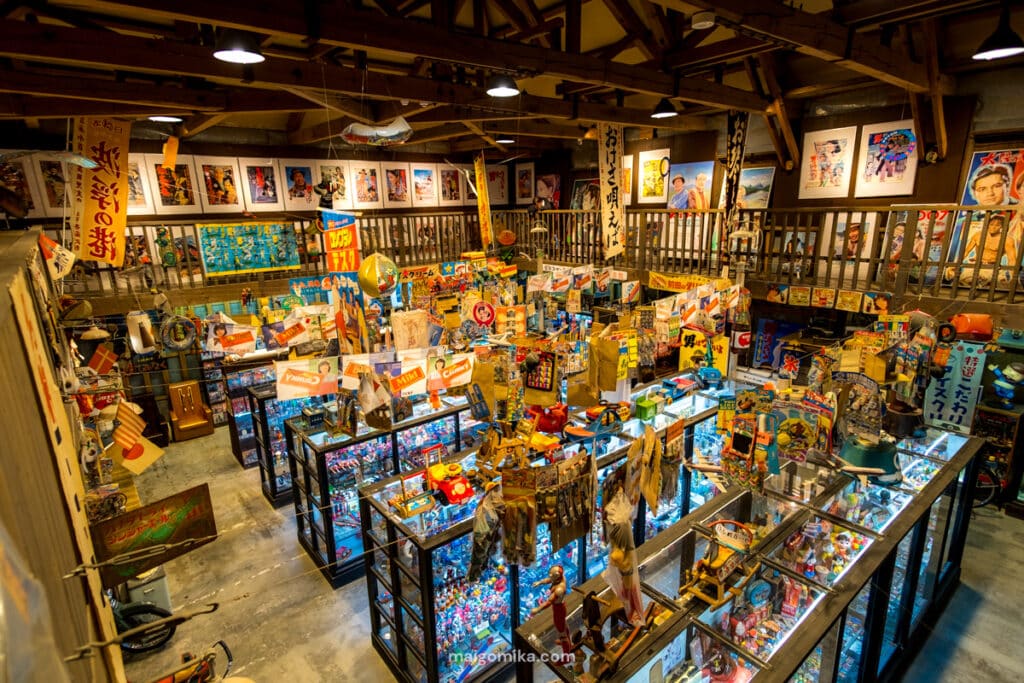
The Dagashiya Dream Museum, whose Japanese name “Dakashiya no Yume Museum” (駄菓子屋の夢博物館) charmingly translates to Candy Shop Dream Museum, is a true trove of Japanese nostalgia, with its immense collection of over 300,000 toys, old painted movie posters, and models. Any retro toy or design enthusiast could spend hours browsing through the gallery before going up to the second-story balcony for the old painted movie posters.
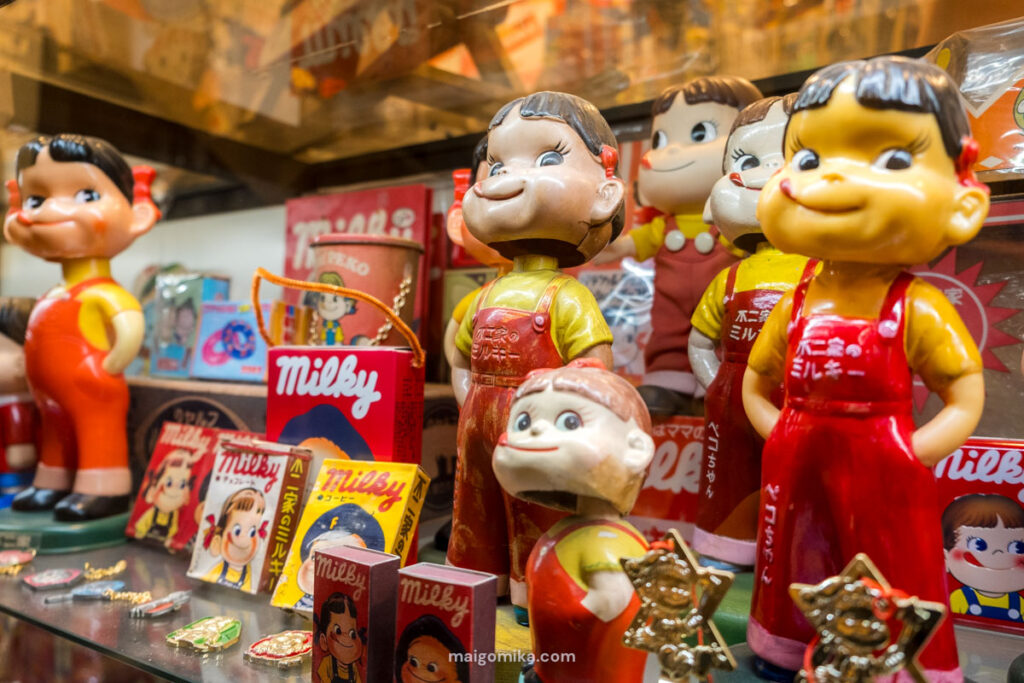
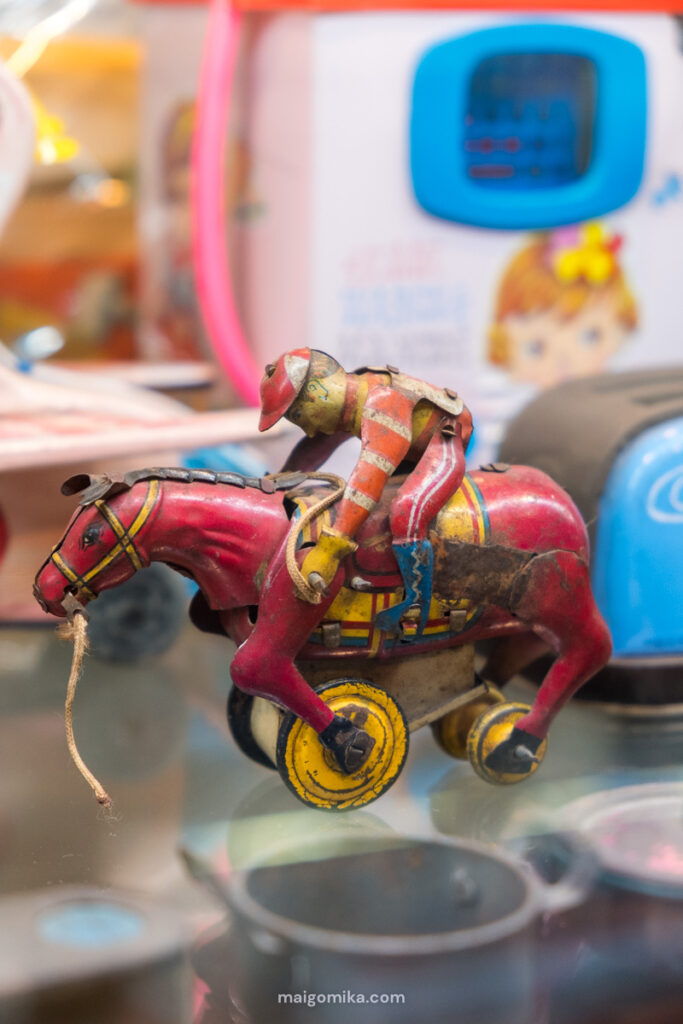
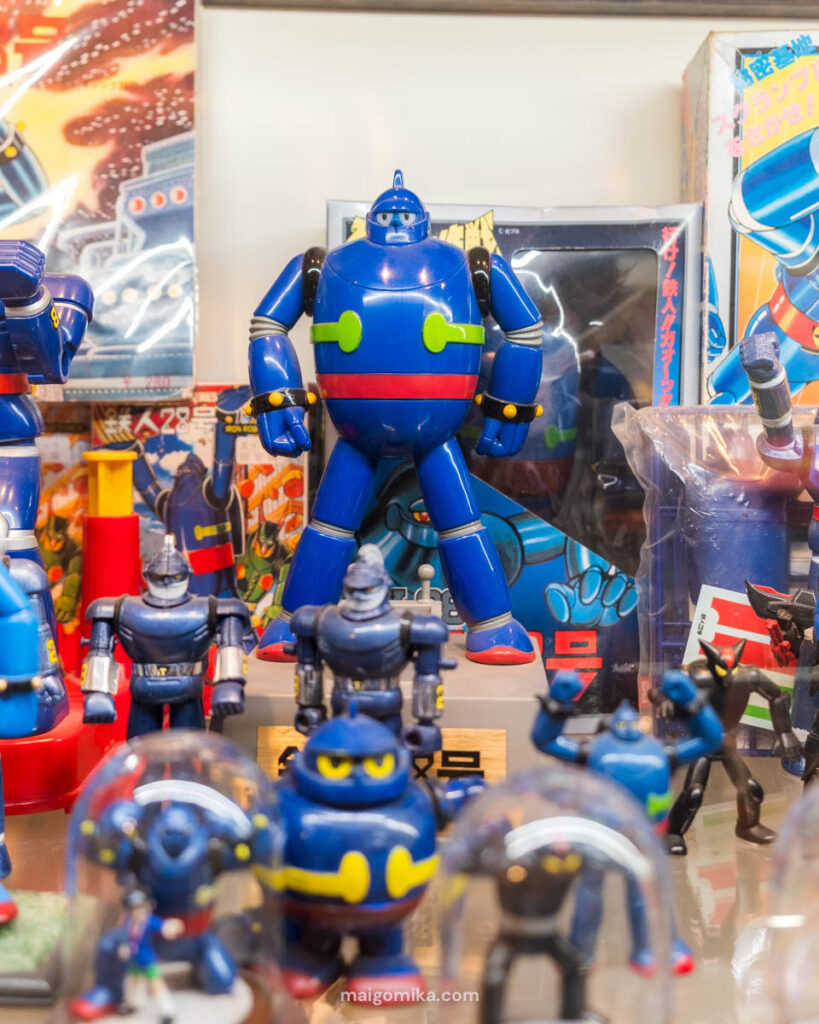
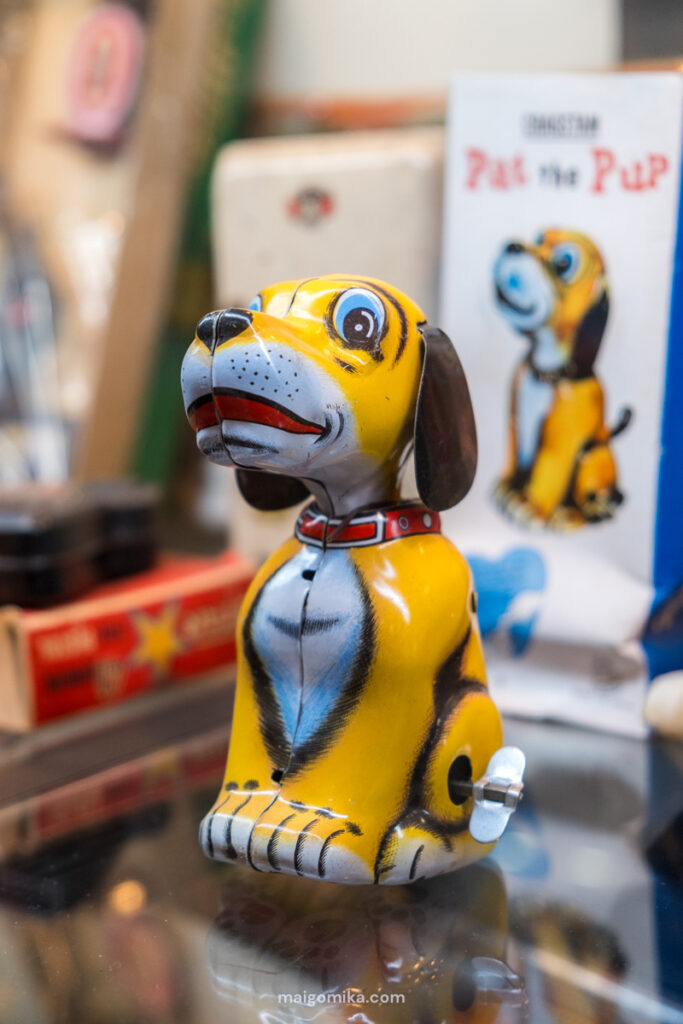
Beyond the toy displays, Showa Roman Gura continues alongside a miniature indoor arcade shopping street filled with tiny recreated Showa-era stores, featuring scaled-down facades of candy shops, a beauty parlor, a dentist’s office, and even an old classroom that I could enter and interact with.
Showa no Yumechi 3 Chrome Hall (昭和の夢町三丁目館)


Next, in the Showa no Yumechi 3 Chrome Hall area, is a space designed to fully immerse you in the Showa era, recreating the lifestyles and classrooms of the 1950s and 60s.
One of the most recent additions to the Showa Roman Gura is what I will call the ‘Showa Day‘ room, located in the Showa no Yumechi 3 Chrome Hall (昭和の夢町三丁目館).
This immersive space features an entirely constructed Showa-era residence, complete with a kitchen, living area, and a traditional Goemonburo cauldron bath.
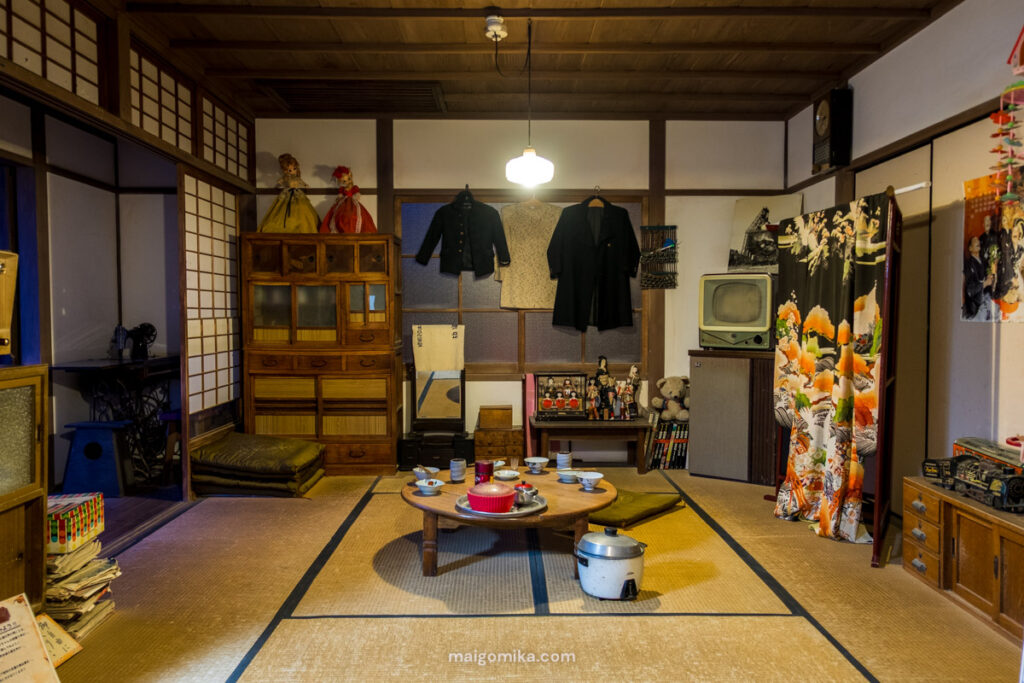
The room’s synchronized lighting takes you through the daily rhythms of the era, transitioning from dawn to midday, finally leading into a glittering night sky filled with stars. Accompanied by the soundtrack of morning birds and the lively chatter of townspeople alongside the chirping crickets at night, it feels as if you could almost imagine what the Showa era was like.
Dressing the Part: Retro Fashion Experience
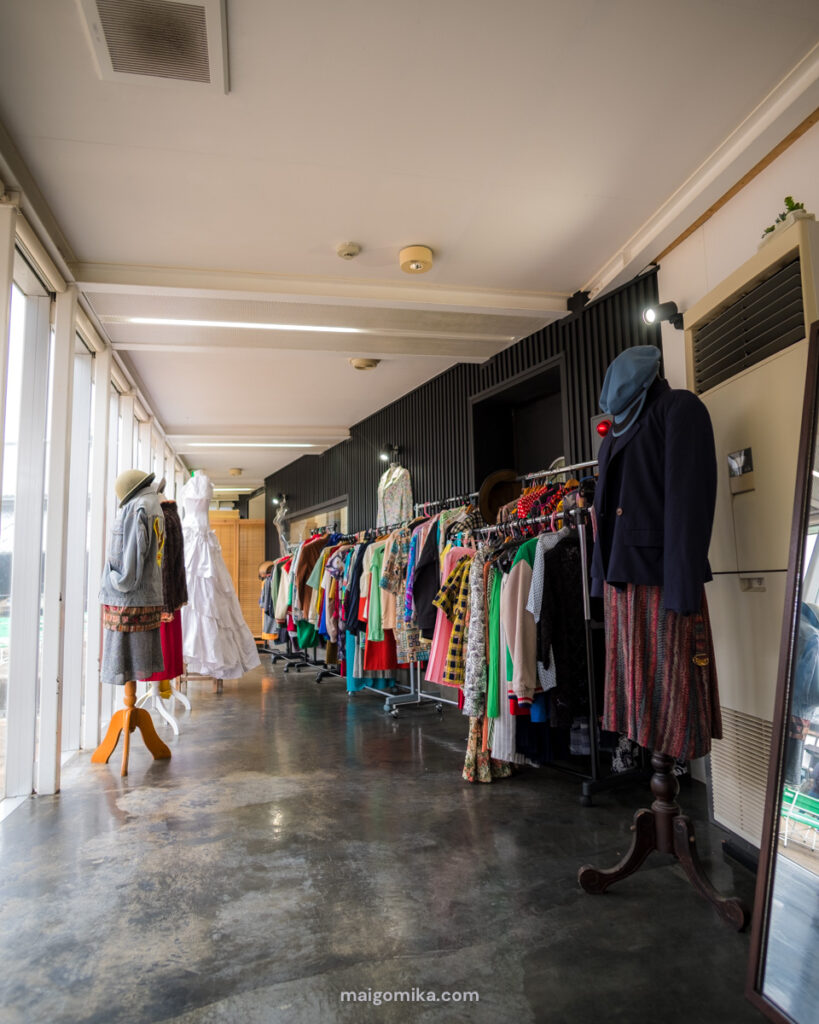
A recent, fun addition lets you fully commit to the experience: the Showa Retro Fashion Experience! Just outside the Gura entrance, there’s a stylish glass-encased area showcasing a great selection of vintage clothing. Trying on an authentic outfit is the perfect way to truly immerse yourself in the Showa vibe and get some incredibly unique travel photos.
2. The Artistic Contrast: Team Lab Gallery Showa no Machi (チームラボギャラリー昭和の町)
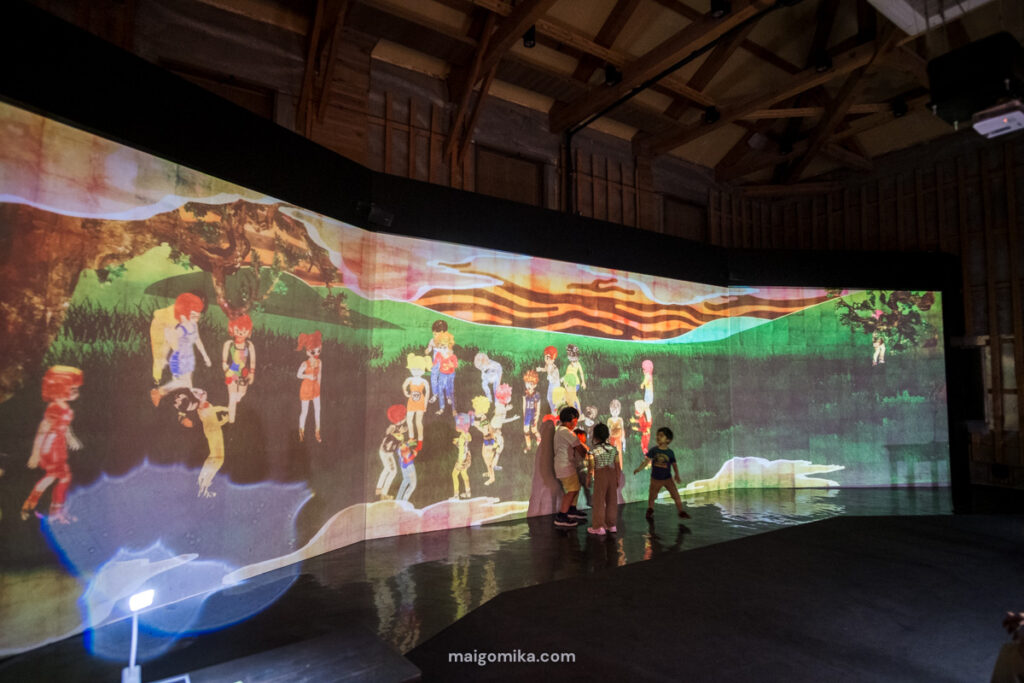
A striking contrast to the retro vibes is a vibrant TeamLab installation within this Showa museum. If you’re familiar with their work, you know TeamLab is a Japanese art collective famous for their immersive, light-filled digital experiences, beautifully blurring the lines between art and technology to create stunningly interactive spaces. This particular exhibit is especially fantastic for traveling to Japan with kids! Here, in the enchanting ‘Drawing Meadow Dance’ (お絵かき草地おどり), my own colourful doodles sprang to life across a projection screen.
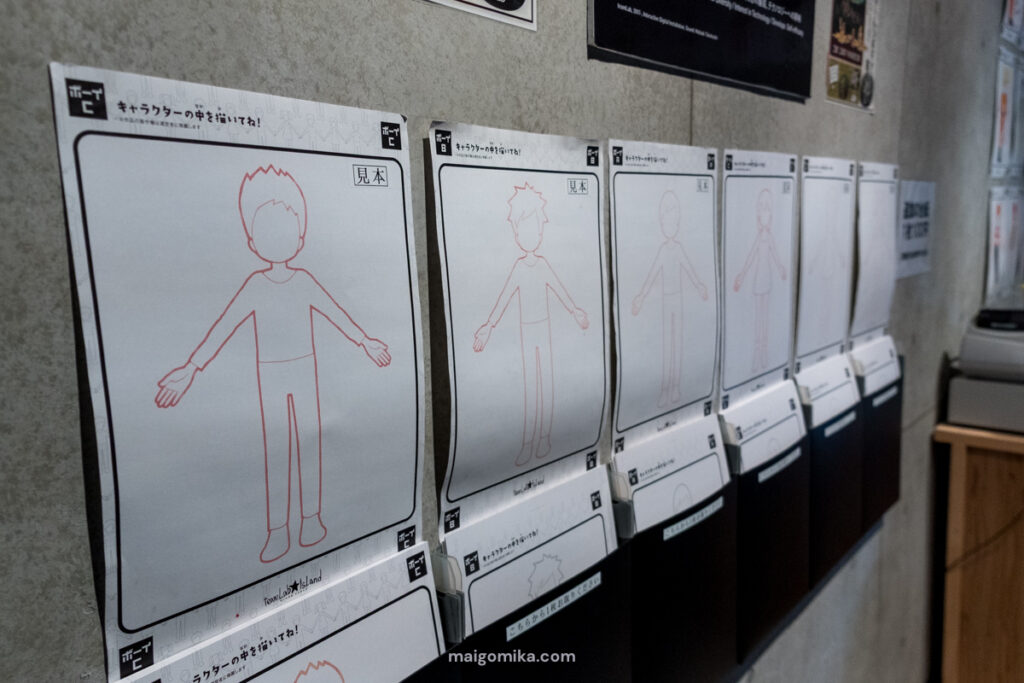
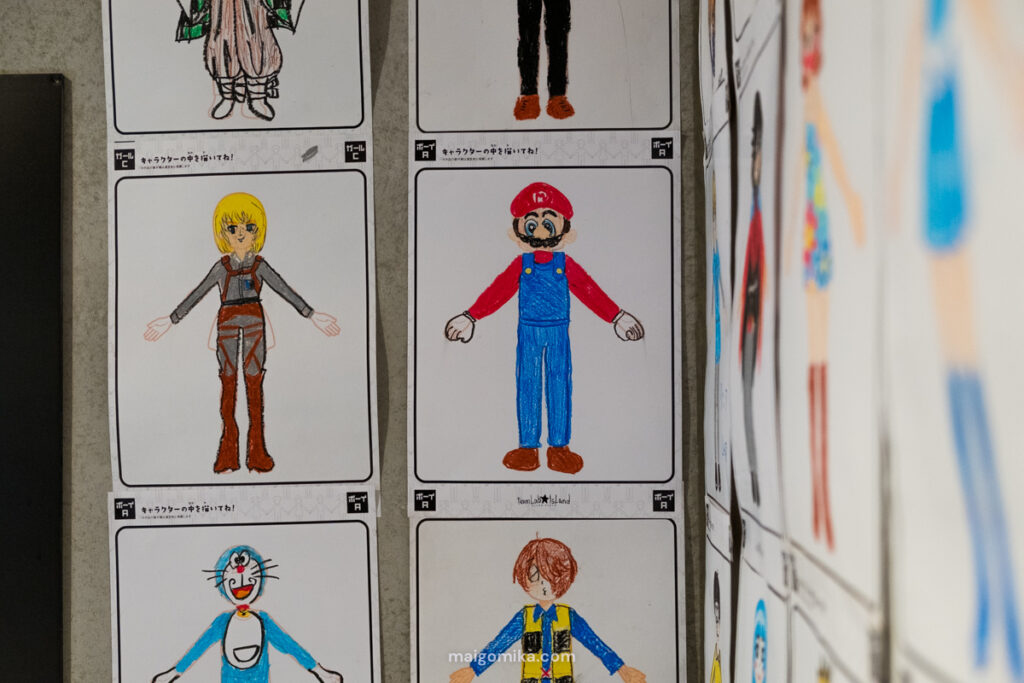
I chose a paper figure, grabbed some crayons, and let my creativity flow. After handing it to the staff, I watched as my drawing materialized onto the large projected screen, wandering across a vast digital grassland with the sunset of Matama Beach in Oita as its backdrop. Each time I touched my little digital figure against the wall, it reacted with surprise, performing all sorts of fun actions. When the music started, the once-wandering figures burst into a synchronized and joyful Kusaji Odori dance. It’s the kind of simple joy that everyone, regardless of age, can appreciate.
Klook.com3. The Street Vibe: Authentic Shopping Streets
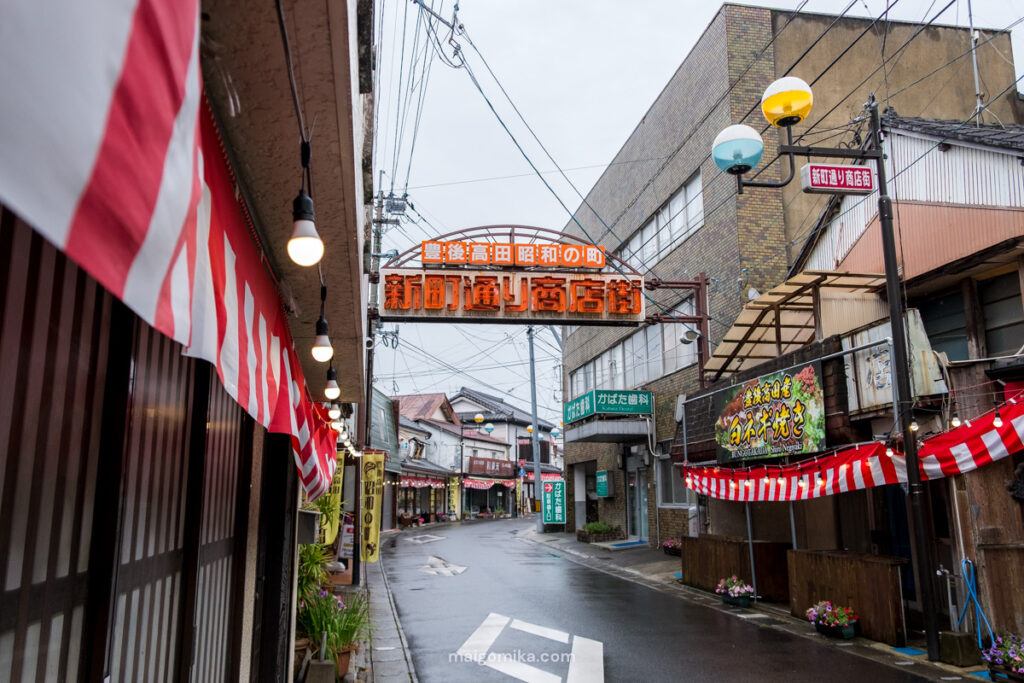
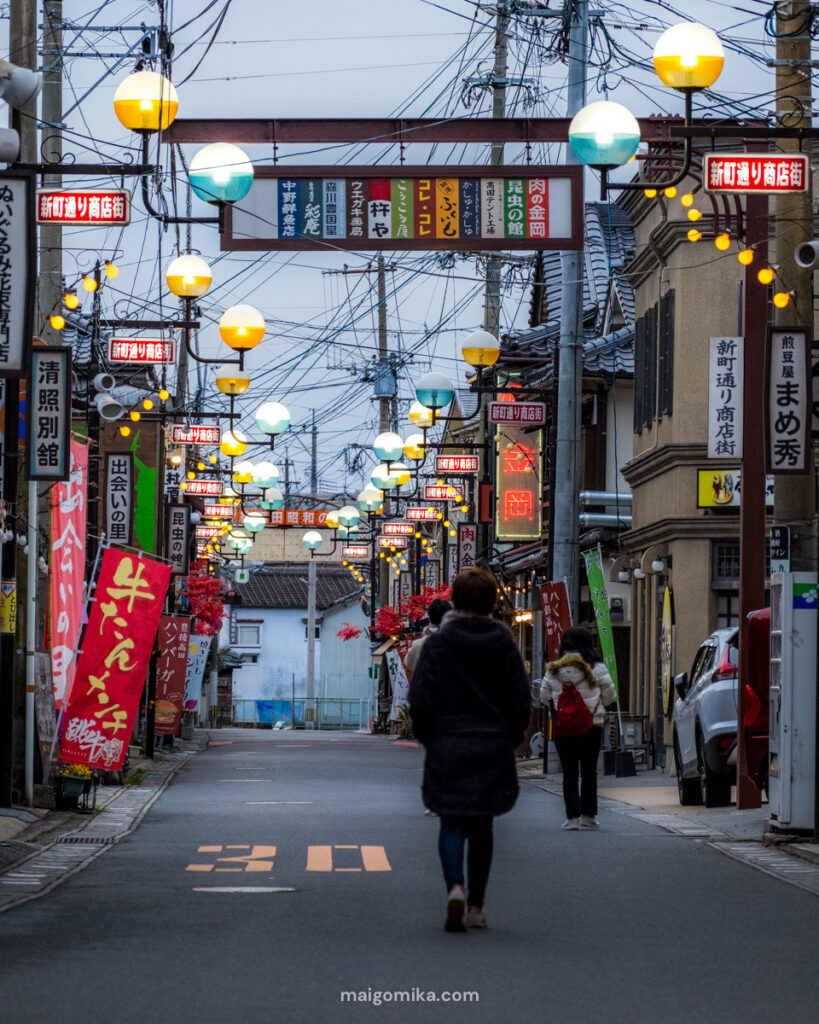
While Showa Roman Gura offers an immediate immersion into the past, the main street of Shinmachi-dori shopping street (新町通り商店街), lined with original Showa-era buildings, feels more like a realistic snapshot of the Showa period.
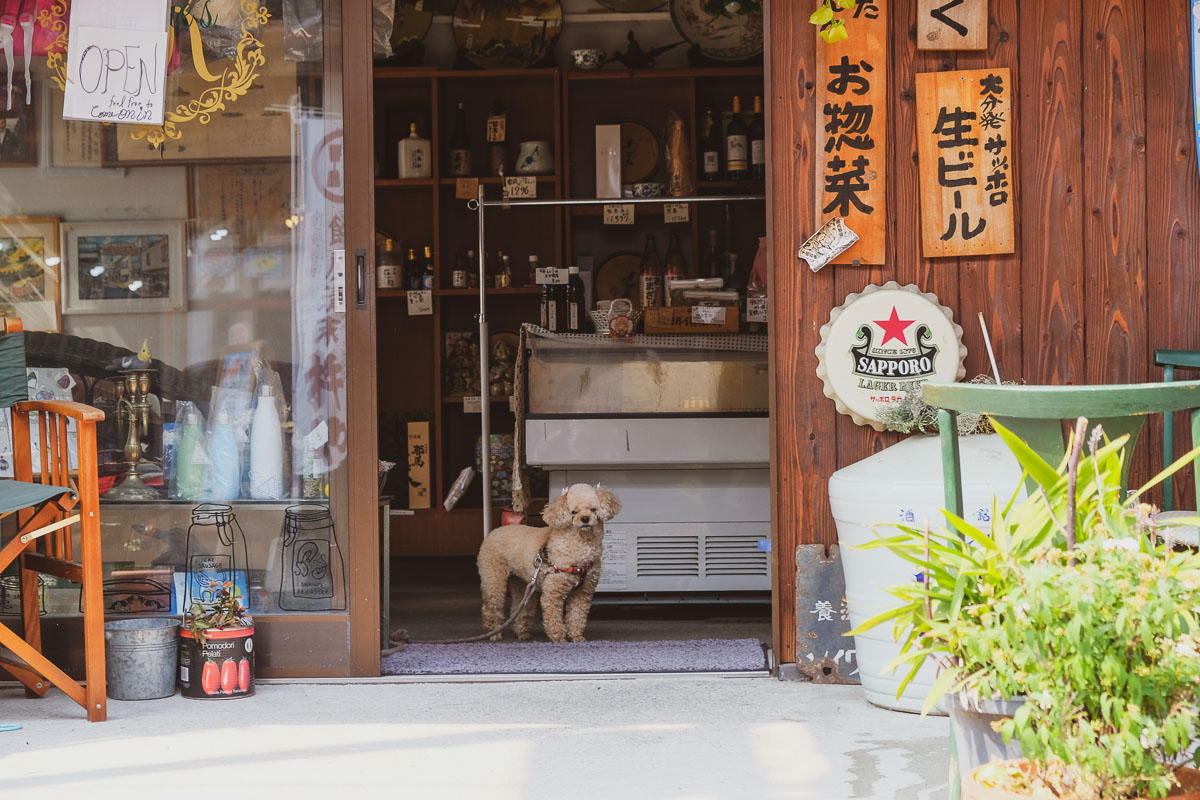
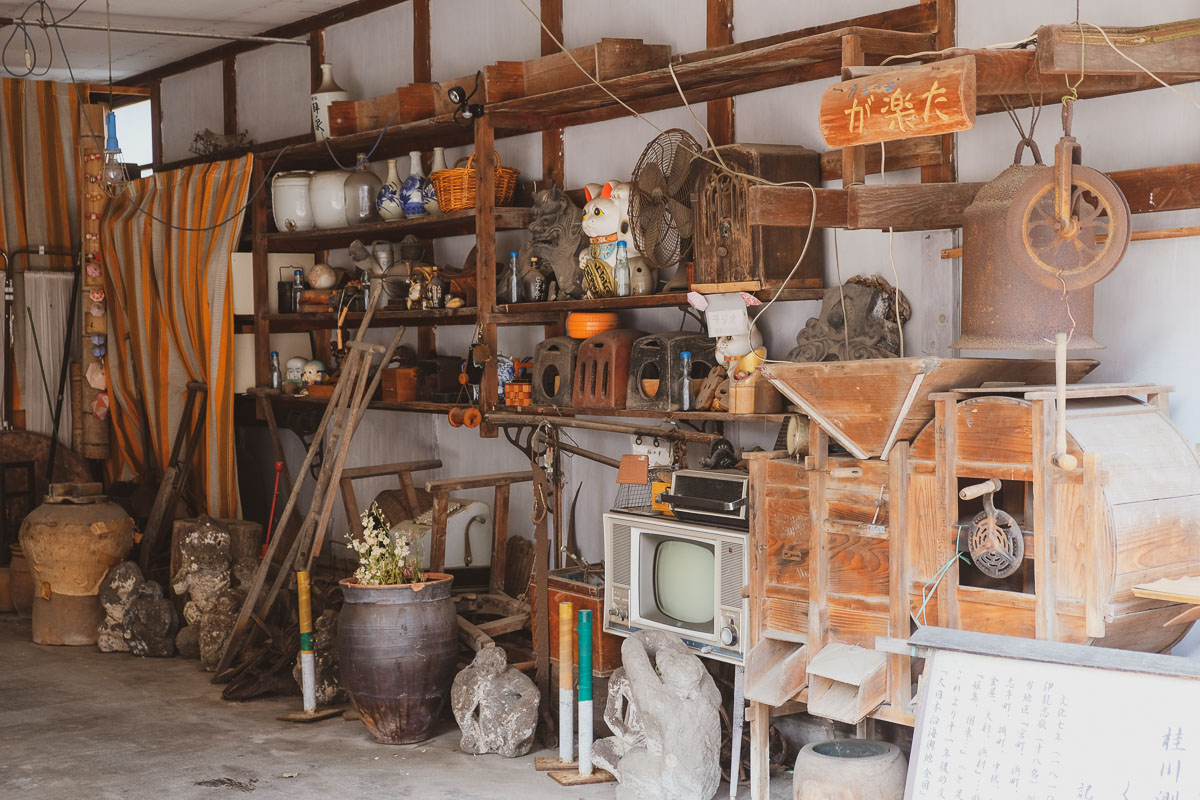
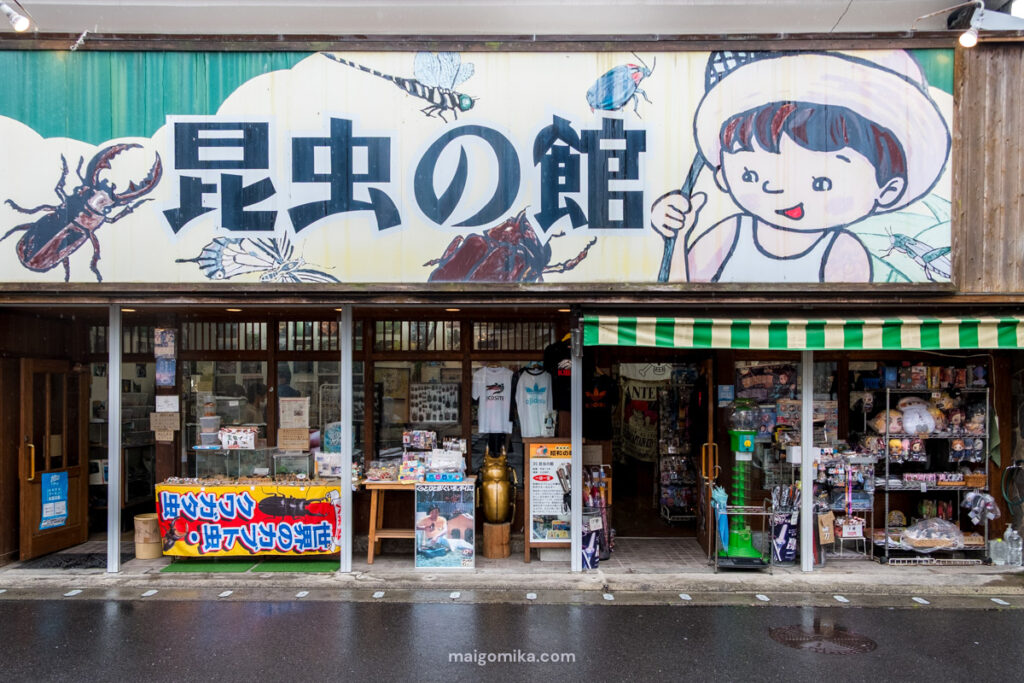
The walkable town features a compact shopping street area lit by amber and green street lamps illuminating its short, intersecting paths, including a main street that stretches about 550 meters, with signs marking the entrances lit in the evening. A stroll through these shopping streets reveals a fascinating mix: original businesses standing strong alongside contemporary restaurants and shops.

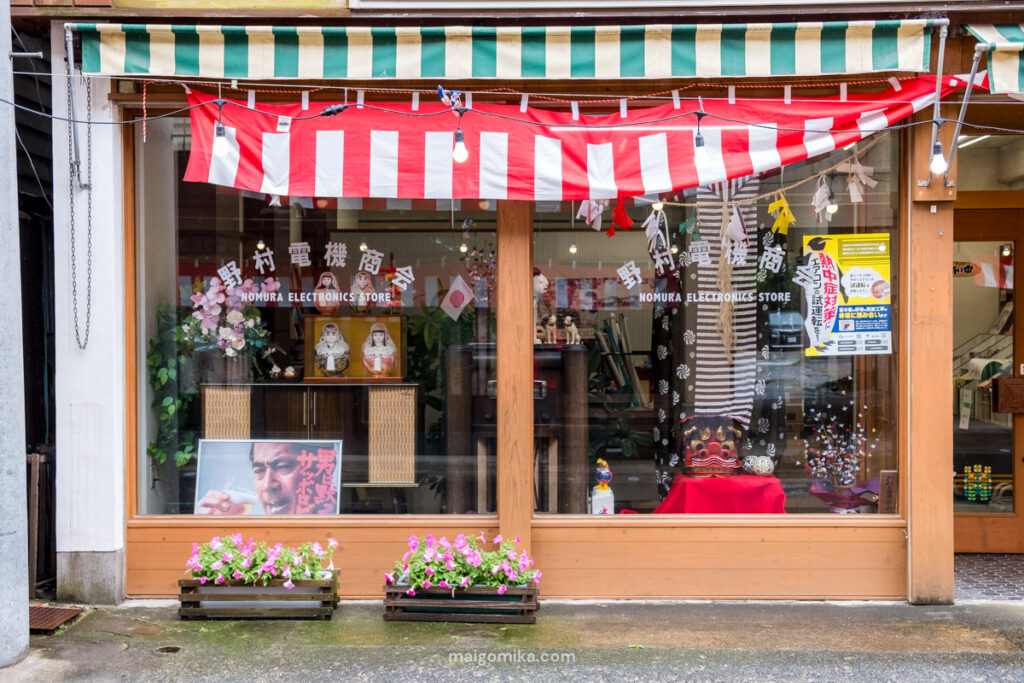
Coffee Brazil Showa: A Stop for the Soul
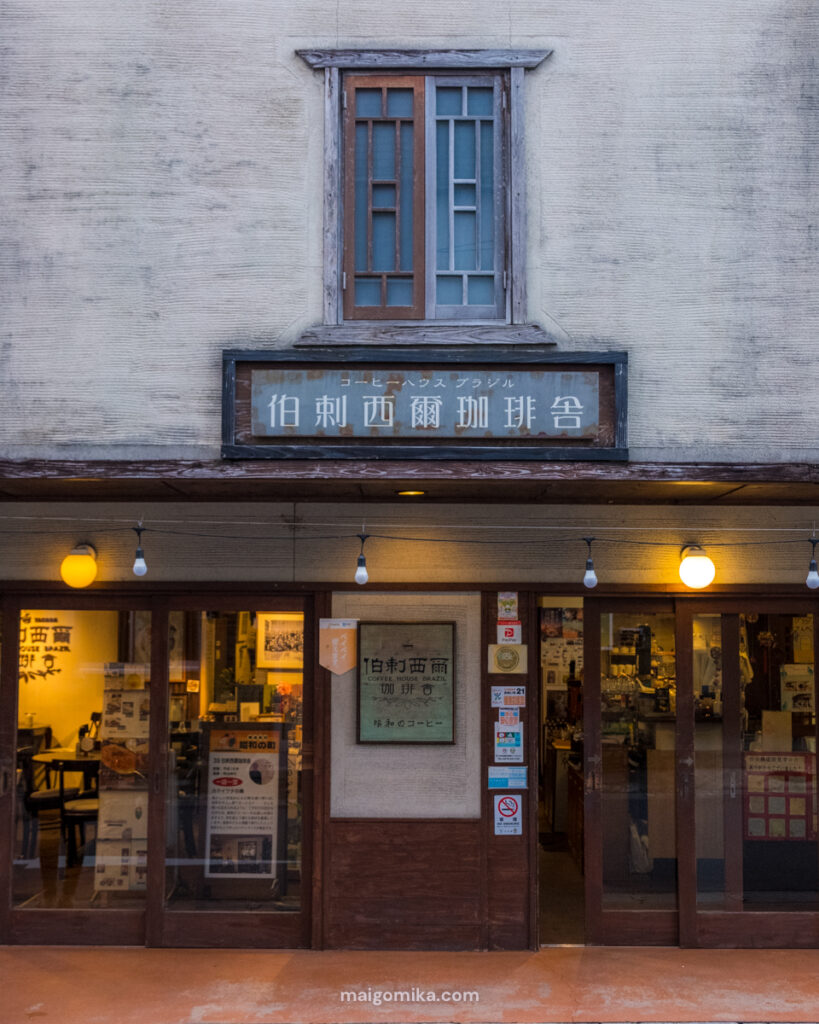
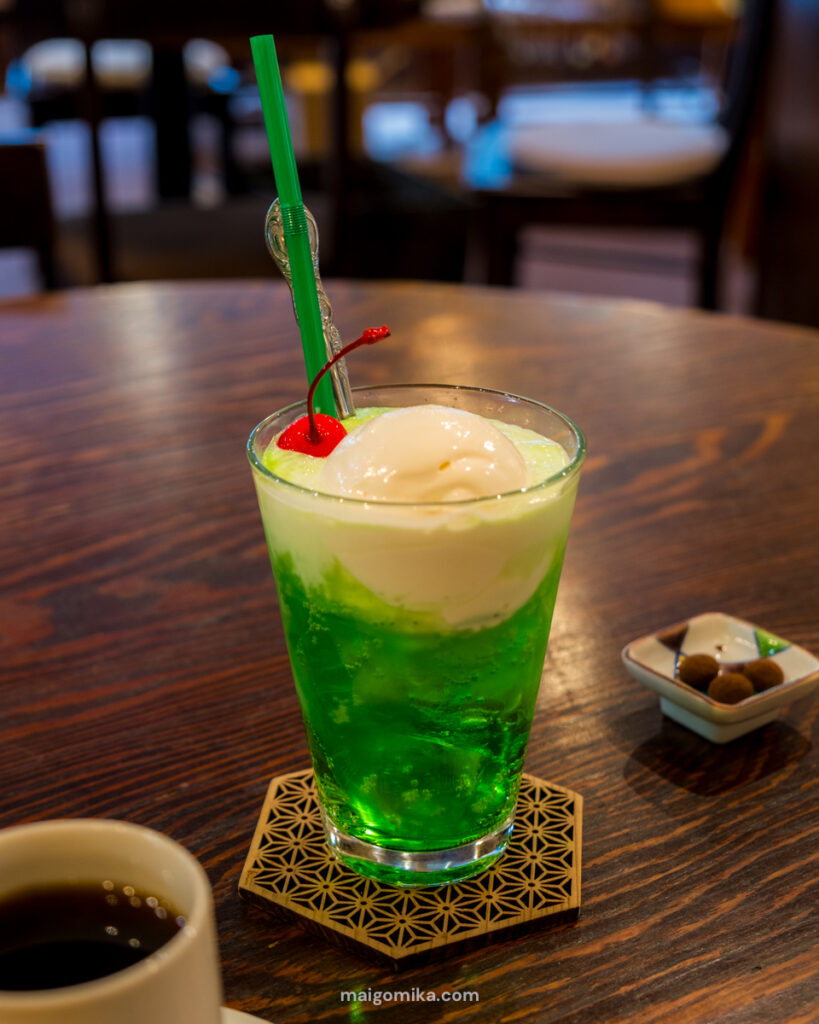
Among these, Coffee Brazil Showa (@coffee.brazil.showa) is one where I stopped in to really soak up the nostalgic atmosphere. Housed in a century-old building that used to be a kimono shop, the owner’s passion for art and gourmet cuisine shines through in the masterfully crafted coffee and cream soda float, which features a unique vanilla ice cream blend that’s rare to find elsewhere!
In short, Showa no Machi is a must-visit for anyone wanting to experience Japan’s captivating Showa era firsthand. It’s truly one of the most unique things to do in Oita! Whether you’re traveling with kids or simply exploring Oita Prefecture, it’s a fantastic day out. Bungo Takada’s Showa no Machi sparked my own appreciation for this nostalgic period and has set me on a path to see as many others like it during my travels in Japan.
If this has sparked your interest in the retro nostalgia of Japan, check out my other top Showa era destinations that I’ve stumbled upon! The Retro World of Showa-Themed Museums and Parks in Japan
What part of the Showa era intrigues you the most? Do you know of any other retro spots I should check out on my quest? Let me know in the comments!




Where was Himitsu no Akko chan?
I didn’t see her, but they were playing the opening theme song on speakers!!!