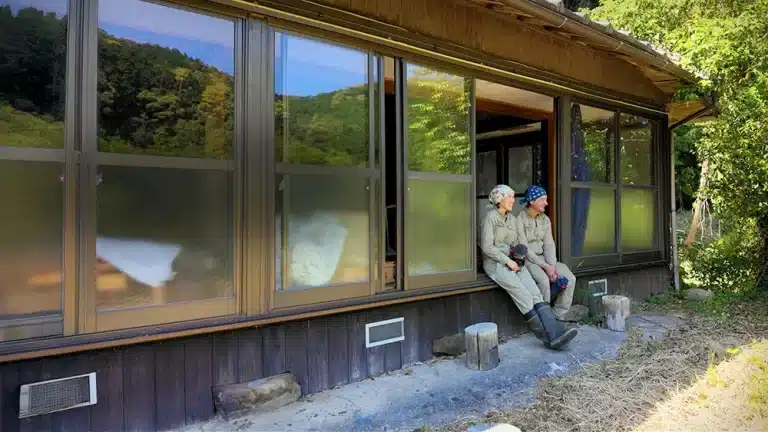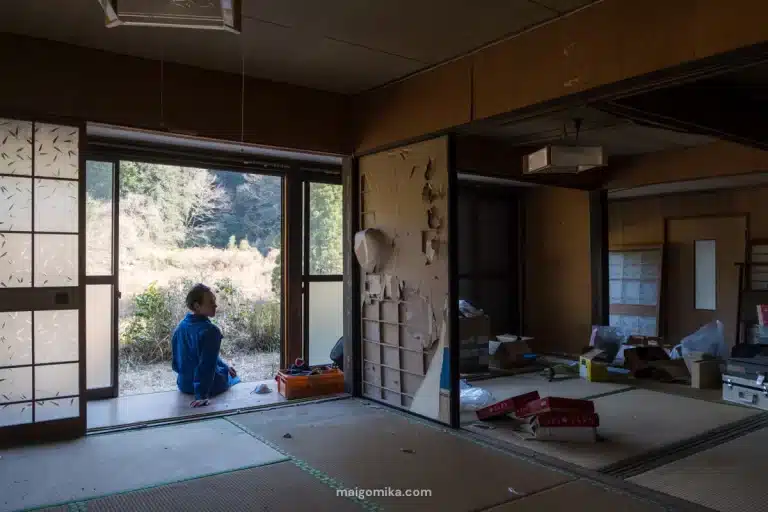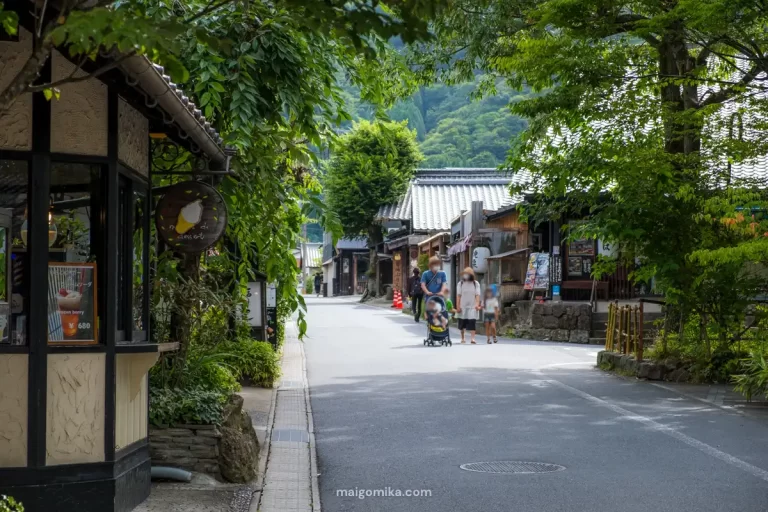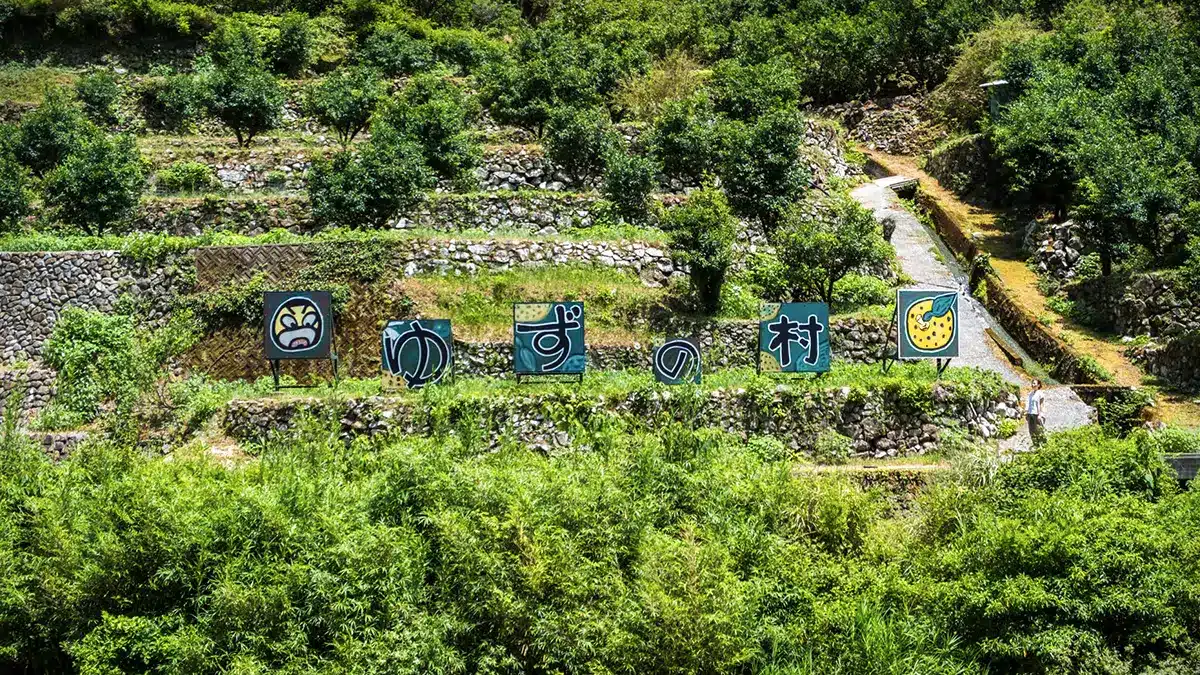
Umaji is a tiny mountain village in Kochi Prefecture, best known for its organic yuzu, clear rivers, and the famous Gokkun Umajimura drink. With a population of around 750, it isn’t a conventional sightseeing destination… and that’s part of its appeal!
If you’re thinking about visiting, here’s what I’d want to know before going.
Watch the video: The Locals Planned My Trip to Japan’s Organic Yuzu Village
- How do I get to Umaji?
- Can I visit Umaji as a day trip from Kochi?
- How long should I stay?
- What should I actually do in Umaji?
- Is November a good time to visit?
- Is Umaji worth visiting outside of November?
- Can I visit Umaji if I don't speak Japanese?
- Is Umaji suitable for a first-time visitor to Japan?
- Can I include Umaji in a wider Shikoku trip?
- How can I build Umaji into my itinerary?
- What if I'm travelling Shikoku without a car?
- Is Umaji a tourist-friendly destination?
- So, is Umaji worth visiting?
How do I get to Umaji?
By car is the easiest option. From Kochi City, the drive takes roughly 1½ hours, with the final stretch winding through the mountains. Once you leave the coastal area, the roads become narrower and more winding.
If you’re comfortable driving in rural Japan, having a car also gives you much more flexibility to explore the surrounding area.
Without a car, it is possible, but you’ll need to plan carefully.
One option is to take the train from Kochi to Yasuda Station, which takes around 1½ hours, then continue by bus from the Yasuda Junior High School area to Umaji. The bus ride takes around 40 minutes, and services are limited to only a few times a day.
Because of the limited timetable, I’d strongly recommend checking the current bus schedule before making the trip rather than relying on Google Maps alone.
Can I visit Umaji as a day trip from Kochi?
Yes, but I’d recommend staying overnight if you can.
A day trip is possible by car, especially if your goal is to see the “peak” things, like visit the Yuzu no Mori Factory, have lunch at the onsen, go shopping, and stop at the cafe.
But the real charm of Umaji is found in the in-between moments. Staying overnight gives you time to explore without rushing; to soak in the onsen, have dinner in the village, go for a bike ride, visit the temple, and experience rural Japan, day and night.
How long should I stay?
My ideal visit would be at least one night and two days, depending on your mode of transportation.
If you are traveling by car, one night could be enough. You could plan to arrive in the early morning, spend the afternoon at the cafe, visit the factory, do some shopping, then take your time with dinner and a bath before heading out the following afternoon.
If you’re traveling by public transit, two nights might be more ideal. Public transit can eat into your precious exploration time. For example, if you arrive in the late afternoon, you might only have time for a quick visit to the cafe before heading to the onsen for dinner and bed. Leaving the next day could be tight if you want to fit in biking, shopping, walking along the river, and still make one of the few buses back to the coast.
Ideally, you’d want at least one full day to explore the village, so you can actually enjoy Umaji at a leisurely pace. The following morning, grab coffee and bread at Umaji no Pan, walk or cycle around the village, spend some time beside the Yasuda River, and then head onward.
What should I actually do in Umaji?
There aren’t dozens of attractions to tick off, but a good visit to Umaji is less about sightseeing and more about experiencing the village.
Stop at Umaji no Panya Bakery
This is a good place to start. This little bakery and café is a great place for coffee and fresh bread.
Keep your eyes peeled for Anko-chan, the café mascot, as she occasionally makes an appearance. There are also yuzu-flavoured bean paste pastries and other really tasty breads, which are nice to pick up if you’re planning to walk around the village.
There’s an English walking map of Umaji that you can pick up here. And, as a little bonus, if you fill out the survey on the map, you can get a free Gokkun Umajimura yuzu drink. Just show the cafe owners, the Maeda family, that you completed the survey.
There’s outdoor seating, but the terrace across the way is an even lovelier spot to eat and drink, with views of the river. It’s also one of those places where I’d encourage you to sit with your coffee and snack rather than rushing off to the next attraction.
Umaji no Panya Bakery
Open: Wednesday – Sunday, 9:00 AM – 6:00 PM
Note: May close earlier if the day’s bread sells out
Visit Yuzu no Mori Factory
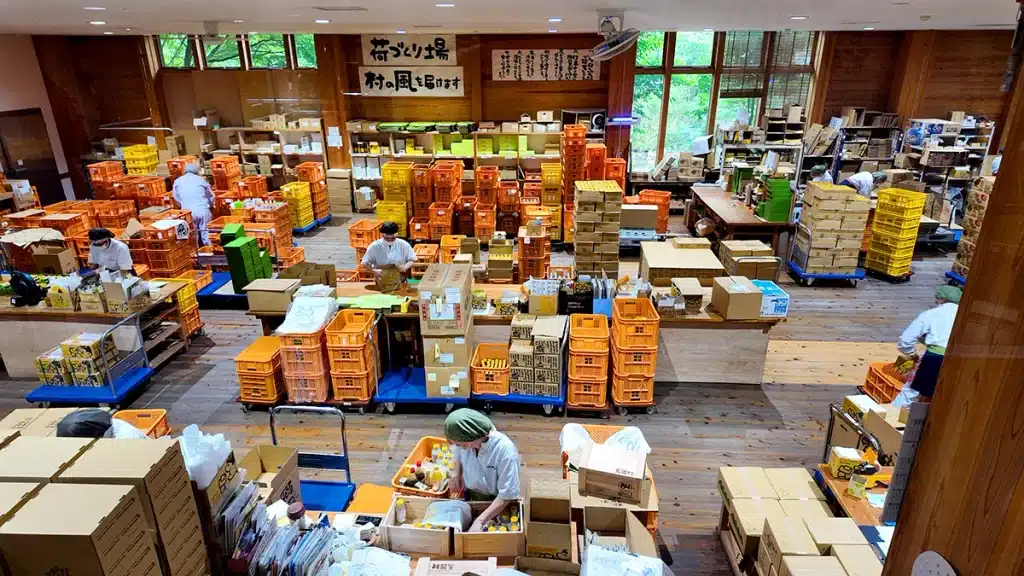
The factory processes and packages many of Umaji’s famous yuzu products, including Gokkun Umajimura.
Visitors can explore the self-guided observation areas overlooking the production floor, and you can pick up a complimentary Gokkun at the front desk. You’ll need to sign in at the front to get your drink. They have an English pamphlet explaining the process.
Next door is the direct-sales shop, where you can browse yuzu products, ponzu, yuzu kosho, skincare products, local crafts, and plenty of things to take home.
Yuzu no Mori Factory
Open: 9:00 AM – 4:00 PM
Admission: Free
Reservations: Not required for individual visitors
Closed: New Year’s holiday period
Visit Konrin Temple
Konrin(ji) Temple (金林寺) sits above the village and offers a peaceful view over the valley.
It’s a small, quiet stop rather than a major attraction, but that’s exactly what makes it fit Umaji so well.
Rent an E-bike at the Furusato Center
If you’d like to explore a little farther, you can rent an electric bicycle from the Umaji Furusato Center Makaichotte-ya, the official tourist center.
Before heading out, take a look around the second floor, where old photographs, tools, and exhibits tell the story of Umaji’s lumber industry and history. You can also see one of the stone tunnels that connected the old railway from outside of the terrace.
From the center is a 10-minute bike ride to Aina, one of my favourite parts of Umaji. It’s home to terraced yuzu orchards and has been designated as one of Japan’s 100 Most Beautiful Rural Landscapes.
If you visit during the November harvest, you may see farmers picking yuzu in the fields. It’s a wonderful glimpse into village life, but remember that these are working farms. Stay to the side of the road, watch for trucks, and never enter the yuzu groves without permission.
Umaji Furusato Center Makaichotte-ya (Makaicho House)
Open: 9:00 AM – 5:00 PM
Closed: New Year’s holiday period
Find a Spot Along the Yasuda River
The Yasuda River runs through the heart of Umaji, but there isn’t one continuous riverside path you can follow. There are several viewing spots and terraces around the village, including the area in front of the café, where you can sit with a coffee and watch the river below.
You can also get right down to the water. Just north of Umaji Onsen, a walkway behind the playground leads down to the river. In summer, this is a popular place for locals to cool off, and you’ll sometimes see people jumping from the rocks into the deeper water.
If you’re visiting in the warmer months, bring a swimsuit and you can wade into the river yourself, or simply dip your feet in and enjoy the water.
Visit the Umaji Forest Railway
The Umaji Forest Railway offers a glimpse into the village’s forestry history, with model trains and cars giving visitors a little taste of what the railway era was like.
The miniatire train only runs on Sundays and public holidays (and daily during the special August operating period), making this a particularly fun stop if you’re visiting with kids.
Hours: 8:30 AM–4:30 PM
Operating days: Sundays and public holidays
August: Open daily during the special August operating period
See the Umaji Forest Railway Incline
The Umaji Forest Railway Incline is a fascinating piece of the village’s old railway infrastructure. It’s water-powered: filling the tank with water brings the car up the incline, while releasing the water allows it to travel back down.
Hours: 8:30 AM–4:30 PM
Operating days: Sundays and public holidays
August: Open daily
Stay at Umaji Onsen
If you stay overnight, this would be my first choice—not only because it’s the only accommodation in the area.
The inn sits beside the Yasuda River and has a hot spring, restaurant, local shop, and rooms overlooking the river.
During the November harvest season, whole yuzu are floated in the bath, making for a particularly Umaji experience.
Umaji Onsen
Day-trip bathing: 10:00 AM – 9:00 PM daily
Restaurant:
Lunch: 11:00 AM – 2:00 PM (last order 1:30 PM)
Dinner: 5:00 PM – 9:00 PM (last order 8:30 PM)
Check-in: From 3:00 PM
Check-out: Until 10:00 AM
Is November a good time to visit?
Yes, especially if you’re interested in yuzu.
November is the main yuzu harvest season, when the orchards are full of bright yellow fruit and the scent of freshly harvested yuzu can waft through the village.
The annual Yuzu Hajimaru Festival also takes place in November and attracts thousands of visitors to the tiny village.
If you visit during the festival, book accommodation well in advance. The village becomes dramatically busier than usual, and accommodation can fill up months ahead.
The surrounding mountains also come into their autumn colours, making this one of the most beautiful times of year in Umaji.
Is Umaji worth visiting outside of November?
Outside of November, Umaji is still worth visiting. Different seasons offer different experiences:
May: Yuzu trees burst into small, fragrant white blossoms. It’s a quieter time to visit, before the summer heat arrives.
June–July: The young yuzu begin developing, and summer brings a completely different energy to the village. School groups sometimes visit Umaji, and the Yasuda River becomes a popular place for people to swim and cool off.
Mid-September–early October: The yuzu are still green and are particularly important for making yuzu kosho. The weather also starts to cool, making it a pleasant time for walking and cycling around the village.
After November: Once the harvest season winds down, Umaji becomes much quieter again. The cooler months are a lovely time to enjoy the onsen, sit beside the river, and experience the village at a slower pace.
Can I visit Umaji if I don’t speak Japanese?
Yes, but don’t expect English to be widely spoken.
Umaji is a small rural community, and English signage is limited. The cafe recently released the village’s first English walking map, and while the village itself is fairly easy to navigate, this isn’t a destination where you should expect every restaurant, shop, or bus stop to have English information.
The yuzu factory does have an English version of its guide. The town hall, however, has no English support, so if you need to visit, bring a translation app and be prepared to explain what you’re there for.
That said, you don’t need fluent Japanese to enjoy Umaji. Having Google Translate or another translation app on your phone is useful, and learning a few basic phrases will make things easier.
Is Umaji suitable for a first-time visitor to Japan?
It depends on what you’re looking for.
If this is your first trip to Japan and you want Tokyo, Kyoto, Osaka, temples, nightlife, shopping, and easy transportation, I’d probably save Umaji for another trip.
But if you’ve already seen some of the major destinations, or you’re specifically interested in seeing a quieter side of Japan, Umaji can be a wonderful addition.
Can I include Umaji in a wider Shikoku trip?
Absolutely, and this is one of the questions I get most excited about.
Umaji makes the most sense when you treat it as part of a wider journey through rural Shikoku, rather than travelling all the way there just to spend a few hours in the village.
If you’re already travelling through Shikoku, consider building Umaji into a route that includes places such as Kochi City, or other rural communities in Kochi.
The exact route will depend heavily on whether you’re driving or using public transportation. If you only have five days in Shikoku, I’d strongly consider renting a car if you’re comfortable driving. Public transportation can work, but remote destinations like Umaji require more planning and can take significantly longer to connect.
How can I build Umaji into my itinerary?
If you’re travelling from Osaka, Tokyo, or elsewhere in Japan, the easiest option is to fly into Kochi and rent a car at the airport or Kochi Station. You could also spend a night in Kochi City if you’d prefer to travel by public transit.
For those travelling from the Shimanami Kaido, getting to Umaji can be a bit of a stretch. The closest endpoint is Imabari, on the other side of the island, and getting from there to Umaji takes time. If you only have five days, trying to combine the Shimanami Kaido, Umaji, and other parts of Shikoku could leave you spending more time on the road than you’d like.
If you have five days or more and want to make a broader Shikoku trip, Umaji can work well as part of a loop. For example, you could travel through Kagawa before heading south to Kochi, then make your way to Umaji before continuing along the southern coast.
Takamatsu makes a particularly good stop along the way. It’s home to one of Japan’s Three Great Gardens, Ritsurin Garden, as well as one of my favourite open-air museums, Shikoku Mura. From Takamatsu, you can also take a ferry to Naoshima, the famous art island, if you want to add some contemporary art to the trip.
Just keep in mind that Takamatsu is around five hours from Kochi City by public transit, and Kochi City is the closest major city to Umaji. If you’re travelling without a car, it’s worth thinking of Kochi as your main hub and building your itinerary around the time it takes to get to and from Umaji.
What if I’m travelling Shikoku without a car?
You can still visit, but I’d treat Umaji as a destination that requires planning rather than somewhere you can spontaneously drop into.
The public transportation options are limited, with only a few buses each day. That means your bus timetable effectively becomes part of your itinerary.
If you’re travelling without a car, I’d recommend:
- Build the travel time into your trip.
- Consider staying overnight rather than trying to squeeze everything into one day.
- Have some flexibility in case connections don’t line up perfectly.
For a short five-day Shikoku trip, there may be easier rural destinations to combine by public transport. But if Umaji is somewhere you particularly want to see, it is possible with some advance planning.
Is Umaji a tourist-friendly destination?
Yes, but in a very different way from a major Japanese tourist destination.
There are only two restaurants, one accommodation, no convenience stores, and limited public transportation.
Think of Umaji as a working mountain community that happens to welcome visitors, rather than a tourist attraction built around visitors.
So, is Umaji worth visiting?
If you want nightlife, shopping, famous landmarks, or a packed sightseeing itinerary, probably not.
But if you’re looking for mountain scenery, local food, hot springs, agriculture, and a glimpse into everyday life in rural Japan, I think Umaji is worth the journey.
The village doesn’t try to entertain you every minute.
Instead, you might spend the morning drinking coffee at a tiny bakery, walk beside a clear mountain river, smell yuzu being brought in from the orchards, soak in a hot spring, and sit on a balcony listening to the water below.
For me, that’s exactly the point.