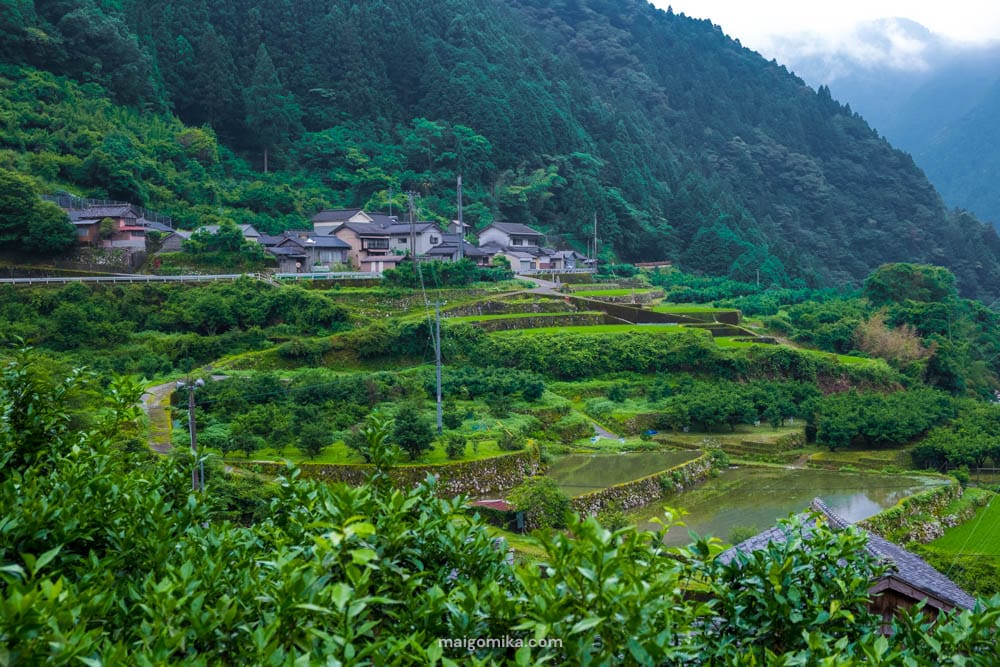
The road to Umaji (馬路村 / Umaji-mura) is less a path and more a negotiation with the mountains. Leaving Kochi’s Pacific coastline behind, the salt air gives way to the damp scent of Yanase cedar forests, and the sound of the Yasuda River next to the winding road up to Umaji. It is a village that doesn’t just appear; it reveals itself slowly.
Home to only 750 people, Umaji should be a disappearing dot on the map. Instead, is transforming from a struggling logging town to become a national success story in organic farming. While yuzu is the village’s lifeblood—a staggering 81% of its cultivated land is all organic—my multiple visits here have taught me that the real magic isn’t the fruit, it’s the people behind it and what happens when a community decides to bet everything on its own heritage.
Umaji History: From Lumber to Yuzu
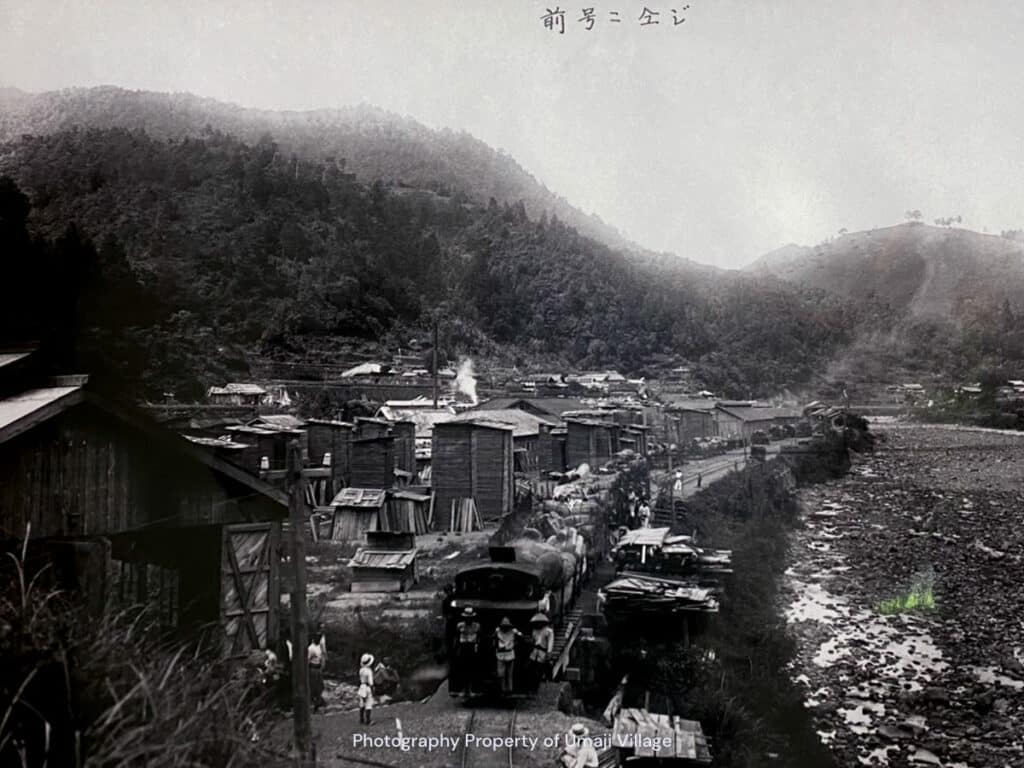
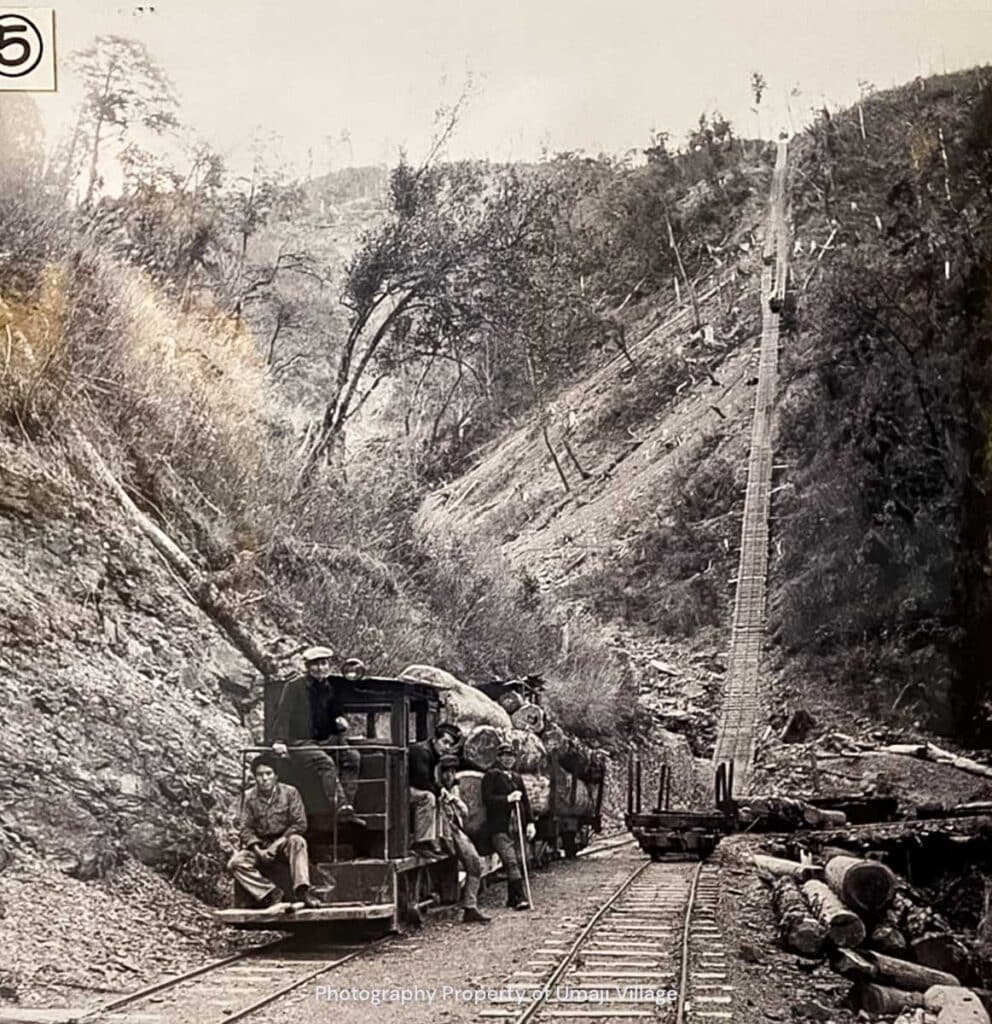
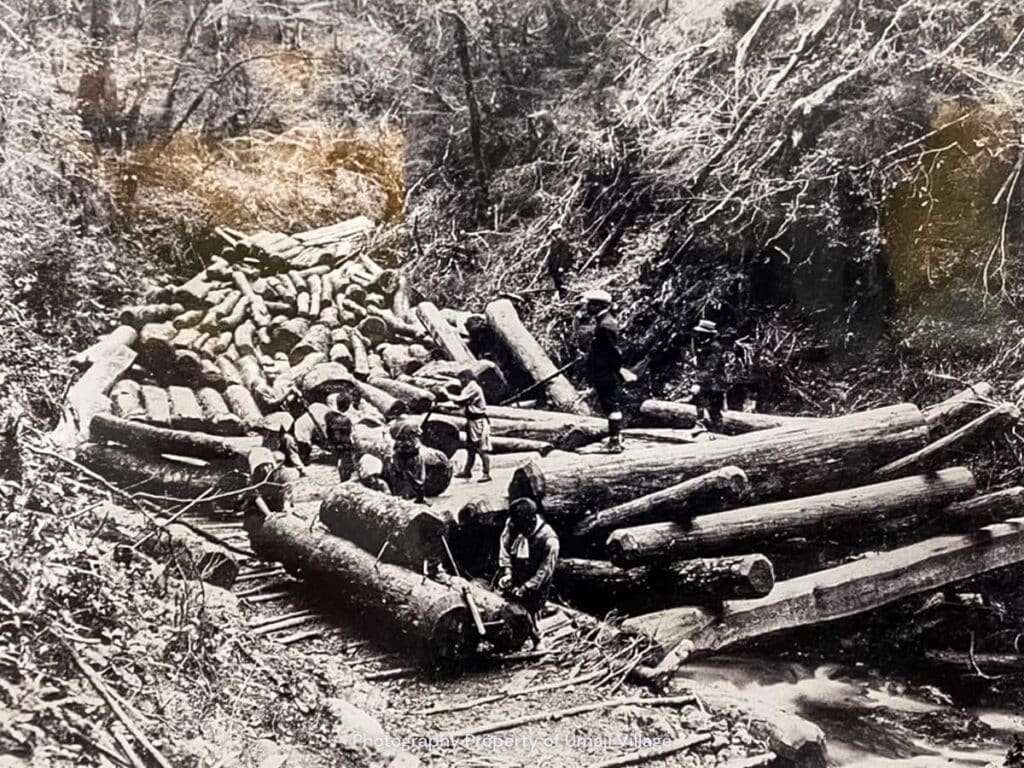

The steep banks lining these mountain roads were once home to railways that carried massive Japanese cedar logs. For centuries, Umaji was a major lumber producer, a history that still echoes in the train tunnels cutting through the mountains.
In older photographs, you can see it: towering cedar trunks stacked like a second mountain range, men standing atop them, steam engines hauling timber through valleys that would later become yuzu orchards.
But, like many rural towns, Umaji eventually faced a gradual unravelling of the economy that had sustained it. And when the timber industry declined, the village faced a quiet crisis.
To survive, Umaji had to reinvent itself.
The First Yuzu Gamble (1963)
Around 1963, about ten villagers turned their attention to something that had always existed in the mountains: wild yuzu trees, long grown for home use. Despite steep terrain and harsh natural conditions that made farming—and especially harvesting—painfully difficult, they began cultivating yuzu seriously.
In the earliest days, yuzu was squeezed by hand at night—hours spent turning fruit into juice, one handful at a time. To ease the crushing workload, the local agricultural cooperative built a small communal juicing facility.
That small facility became the first real step in Umaji’s yuzu industry: a shift from personal use to collective livelihood. And with foresight, the village committed early to the principles of organic farming — long before “organic” became a global buzzword.
The Branding Breakthrough
Umaji soon realized that selling only juice would never be enough. If the village was going to survive, it needed products—ready-to-use products that felt at home in the everyday kitchen.
In 1986, they launched Yuzu no Mura (ゆずの村 ), a ponzu sauce that became their signature product. Two years after its release, Yuzu no Mura won the Grand Prize at the “101 Villages of Japan” exhibition in Tokyo. They used the prize money to buy their first computers, turning a remote mountain village into a modern shipping hub.
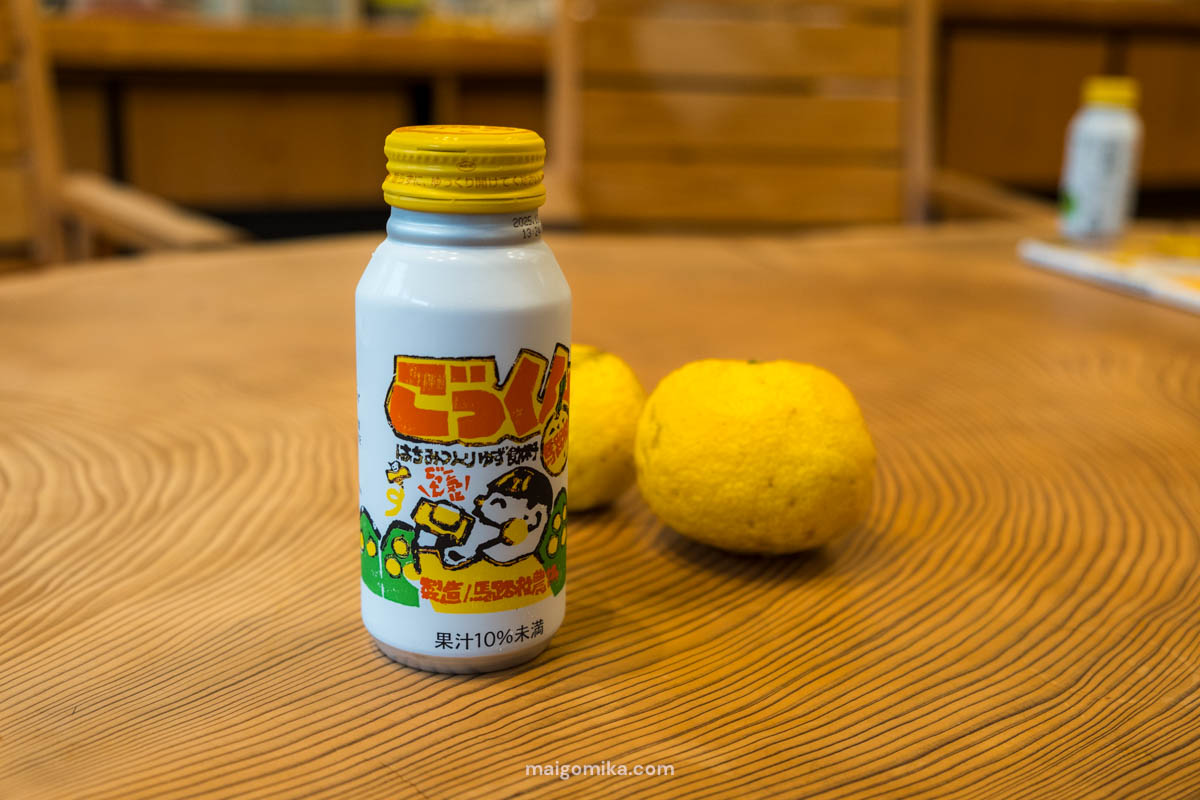
In 1986, facing a surplus harvest, the village created Gokkun Umaji Mura (ごっくん馬路村), a yuzu drink designed to be “as refreshing as mountain spring water.” While some fell for its rustic charm, others mocked the playful, unpolished ads.
Umaji’s response? They leaned in. That unapologetic, “cheeky” rural branding didn’t just work—it turned the drink into a household name across Japan.
Production, once done largely by hand, couldn’t keep up with the demand, and new staff had to be employed to keep up.
Today, what began with two employees and a handful of part-time workers has grown into a thriving operation employing over 70 people year-round.
Umaji’s Organic Cycle and Composting
Maintaining organic certification allows for zero shortcuts. Because no pesticides touch these groves, weeds grow wild (a relentless summer battle I’ve come to know intimately during my time in Japan). Before the undergrowth swallows the trees, it’s an almost daily task to keep it at bay.
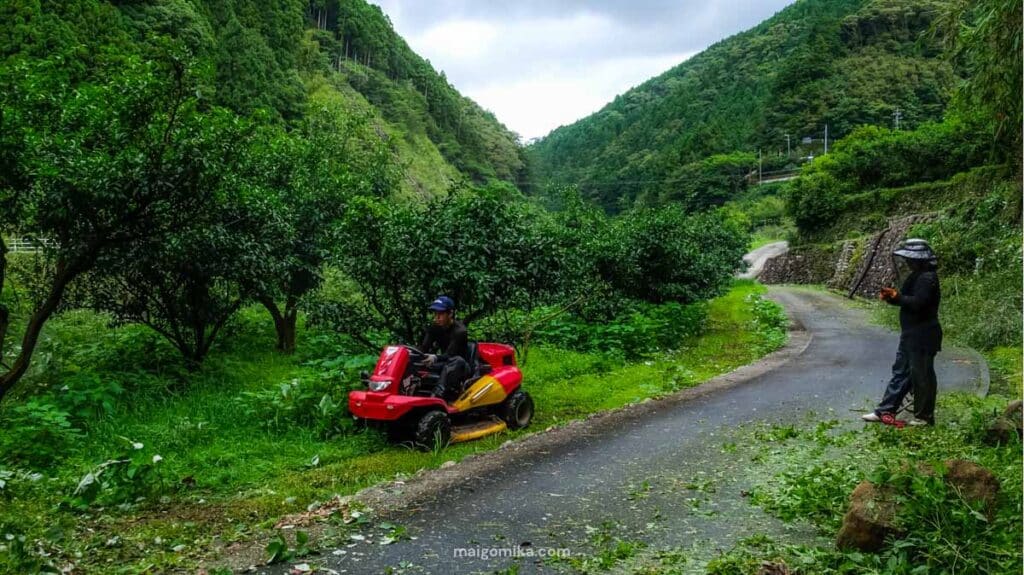
Thankfully, the village has Ishibashi-san, Sasaoka-san, and Mitani-san. Armed with weed-whackers and motorized mowers, they groom the terraces by hand to keep the trees healthy. But their work doesn’t stop at the groves; these three are also the architects of Umaji’s “closed-loop” composting process.
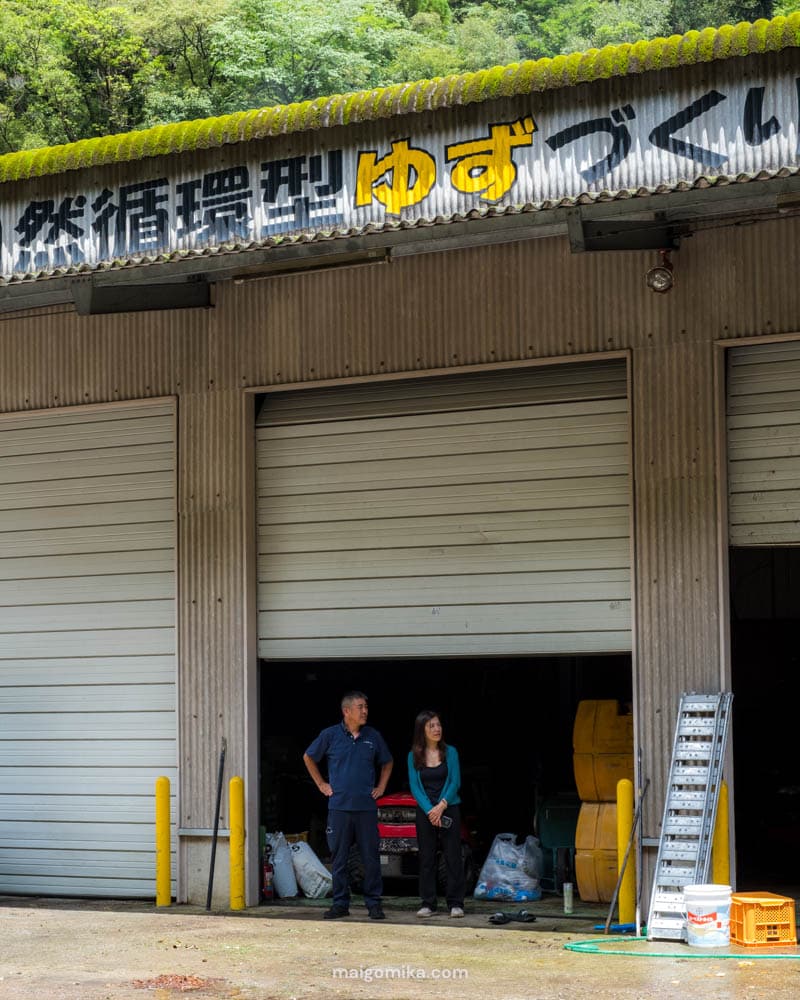
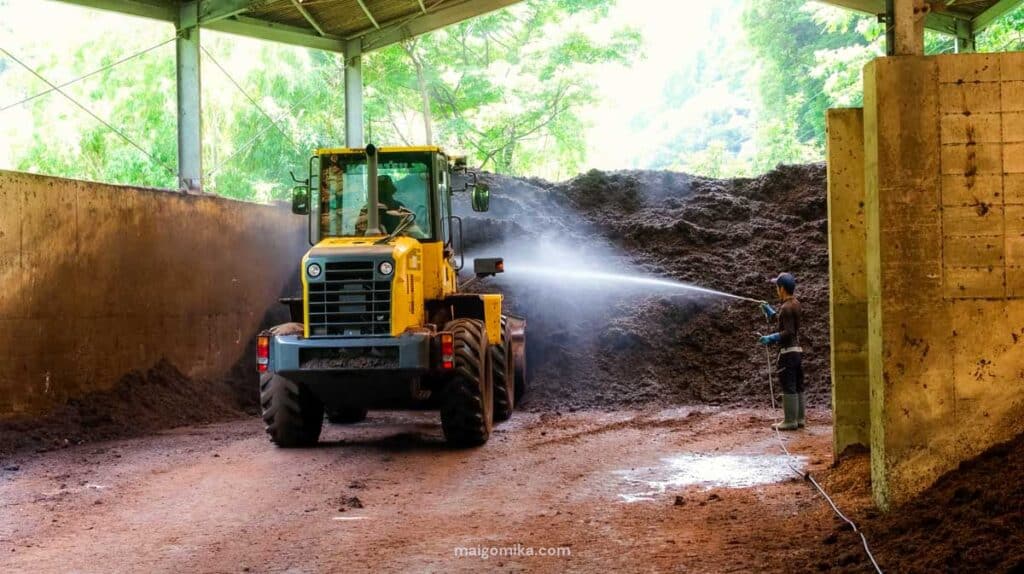
At the composting facility, the same three create Umaji’s own rich compost:
- The Mix: Leftover yuzu peels and seeds are blended with local cedar bark and chicken manure.
- The Activation: Fermented yeast is added to kickstart the breakdown.
- The Heat: The piles become so biologically active that they steam. If you stick a gloved hand into the soil, it’s shockingly hot— it’s life in the making!
- The Oxygen: Large machines regularly turn the soil to introduce oxygen, feeding the microbes and keeping the decomposition alive.
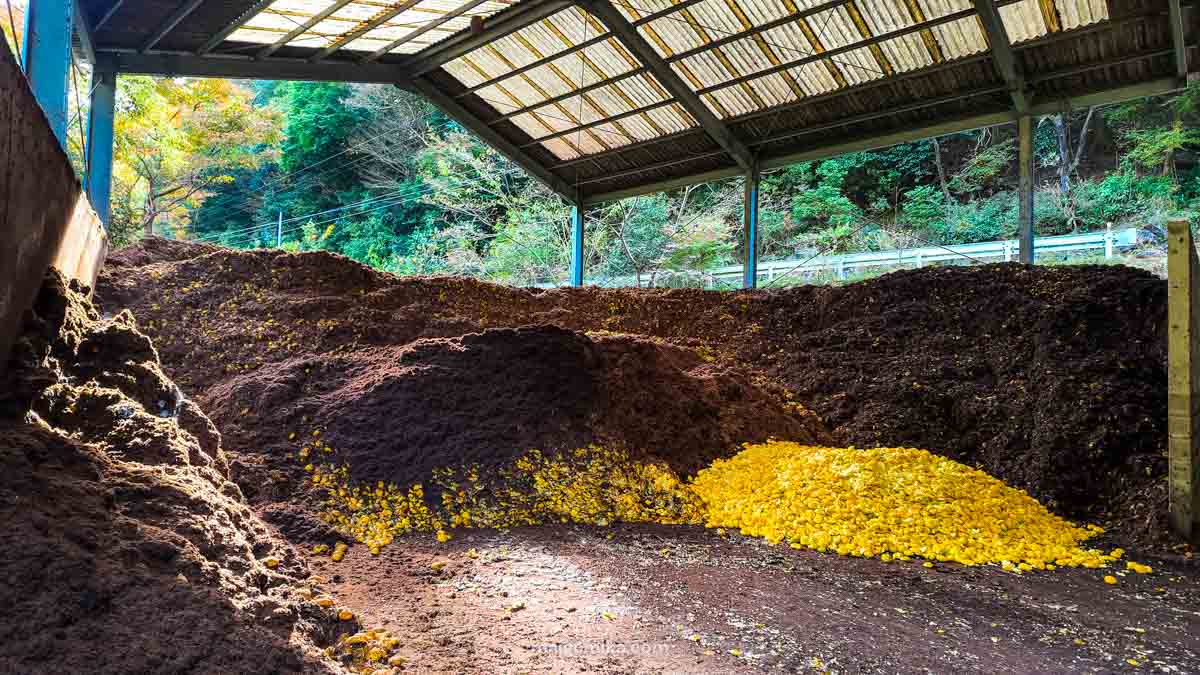
Since 2001, all 190 yuzu farms in Umaji have embraced this circular method. The result of this collective dedication is staggering: 81% of Umaji’s cultivated land is organic. To put that in perspective, the second-place town in Japan (Nishikawa in Yamagata) sits at 15%.
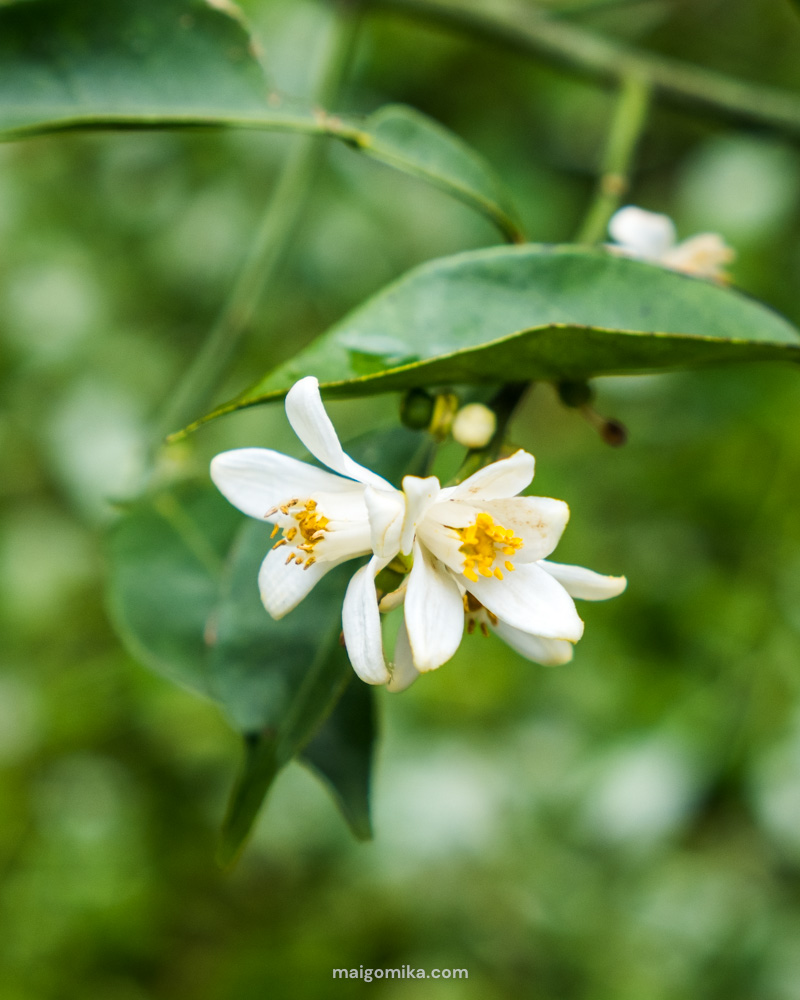
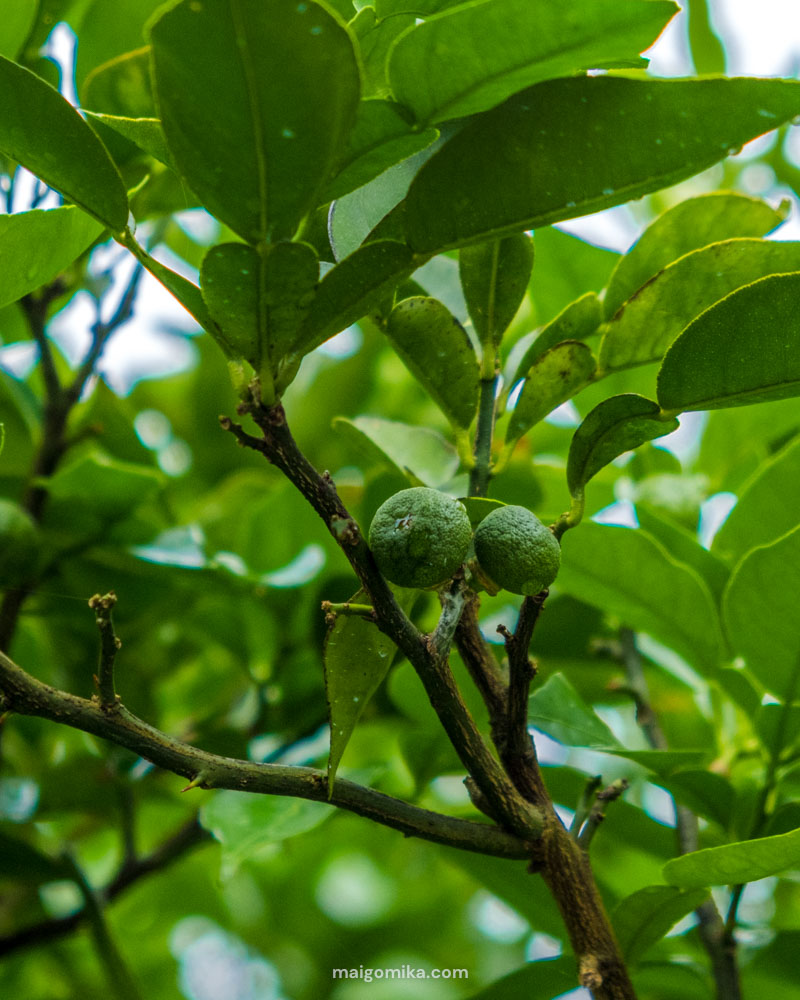
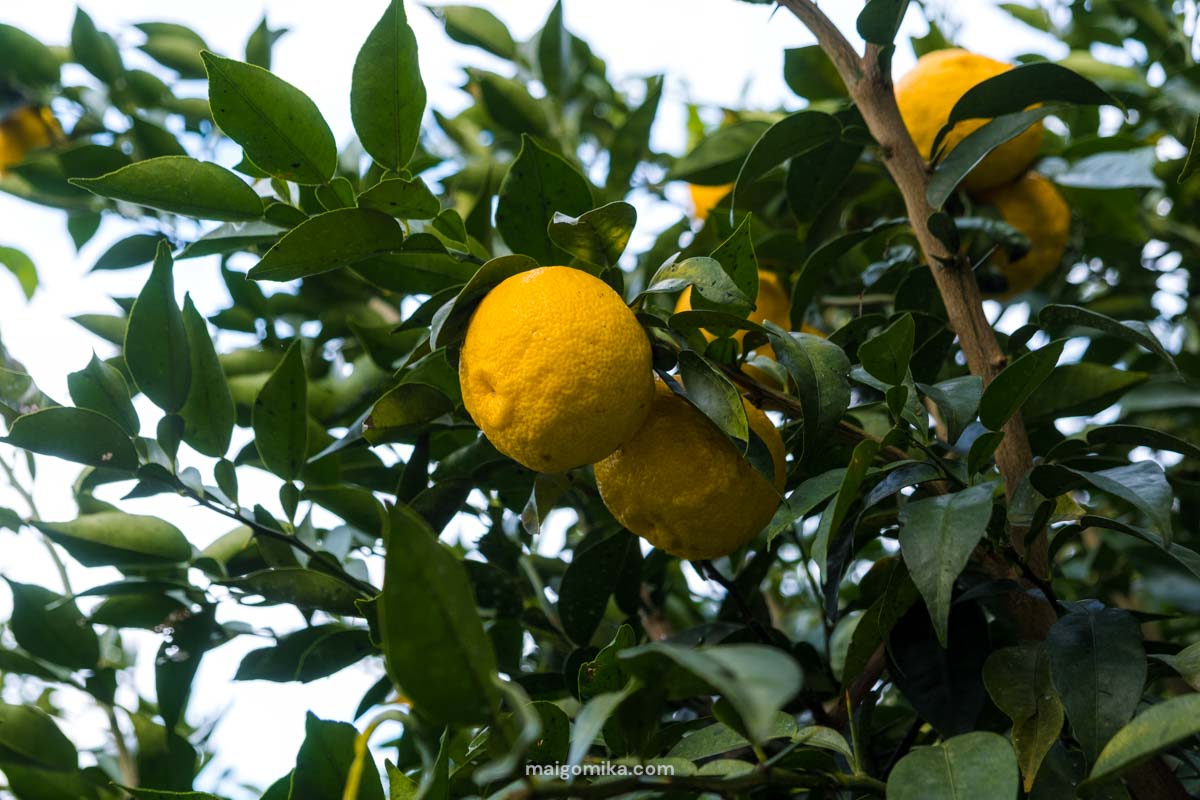
By returning these nutrients to the mountain, the village ensures the land gives back as much as it takes. Every November, this cycle reaches its peak, ripening the green mountains into a sea of gold.
The Yuzu Hajimaru Festival
All the year’s hard work—from tending blossoms to turning compost—culminates in early November with the Yuzu Hajimaru Festival (ゆずはじまる祭り, The Yuzu “Beginning” Festival), held days before the official harvest begins.
The festival draws up to 3,000 visitors (record-breaking 4,500 in 2025!) for a single day of music, magic shows, and community spirit.
Visitors enjoy an unlimited supply of the village’s signature yuzu juice (Gokkun Umajimura) and even soak in yuzu-scented onsen (hot springs) for free.
Inaka “Countryside” Sushi
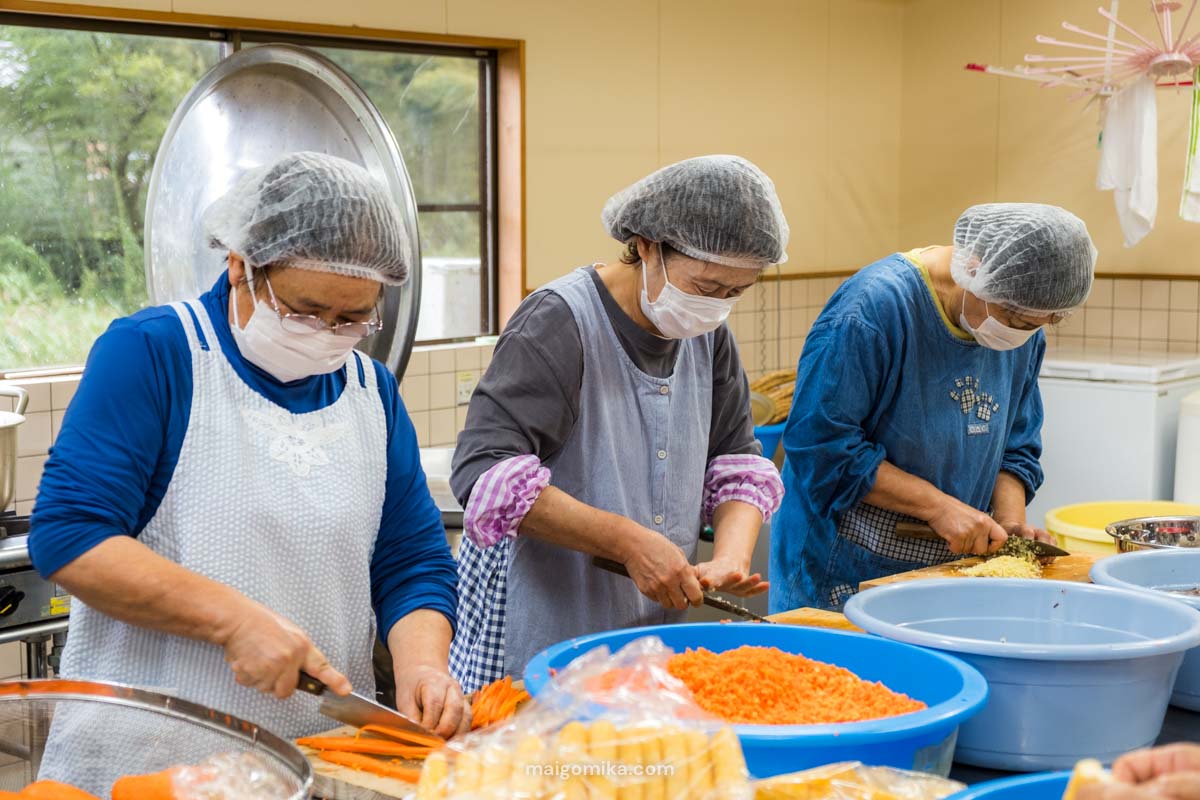
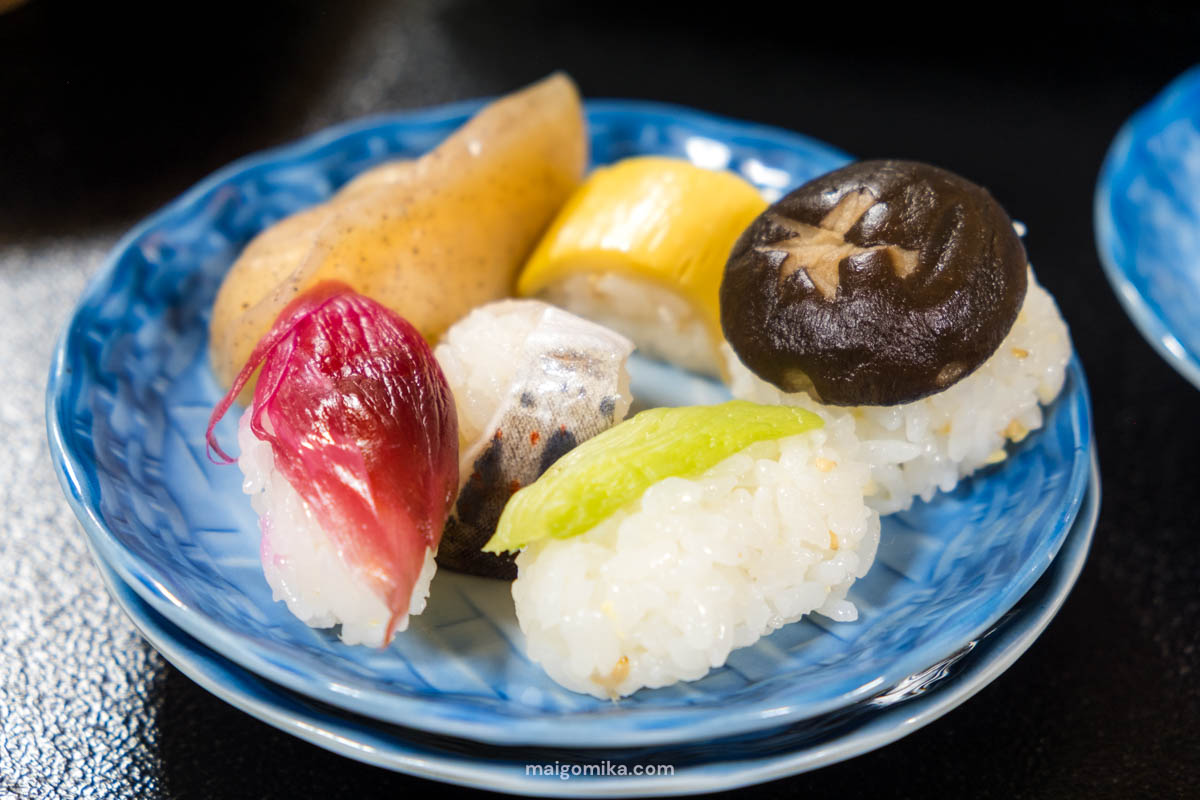
The heart of the festival’s food stalls is the inaka-zushi (countryside sushi).
Because fresh seafood was historically difficult to transport into the deep mountains, Umaji developed a form of sushi that replaces fish with ingredients from the forest.
The “vinegared” rice is seasoned with local yuzu juice, giving it a bright, floral acidity, and topped with a variety of colorful mountain ingredients, including:
- Ryukyu: The crisp, spongy stalk of the giant lotus plant.
- Shiitake Mushrooms: Simmered in a savory dashi.
- Myoga: Pickled ginger buds that provide a pink pop of color.
- Konjac (Konnyaku): Thrown over rice, or turned into pouches of rice, for a chewy texture.
- Bamboo Shoots: For an earthy crunch.
The result is a vibrant, vegetable-based mosaic that tells the story of the village’s history.
🎥 Watch my video on Umaji’s Yuzu Hajimaru Festival, plus yuzu recipes.
Yuzu Product Market
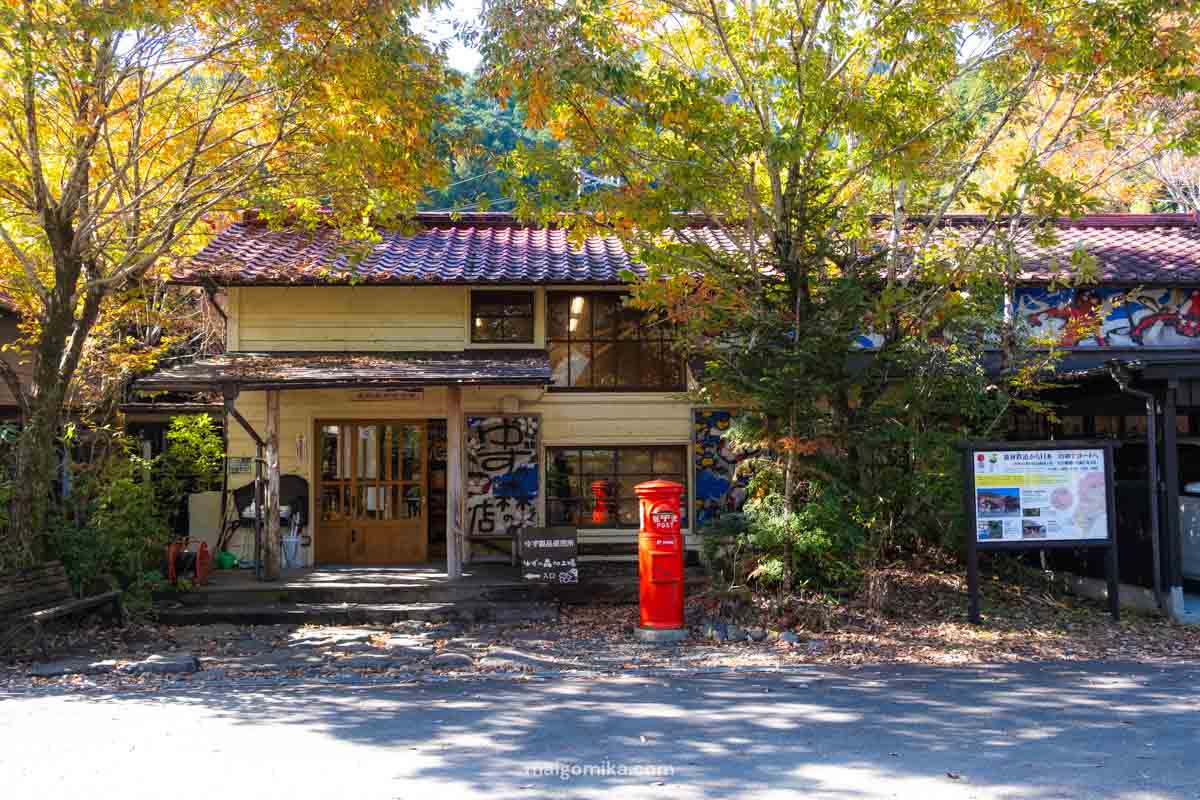
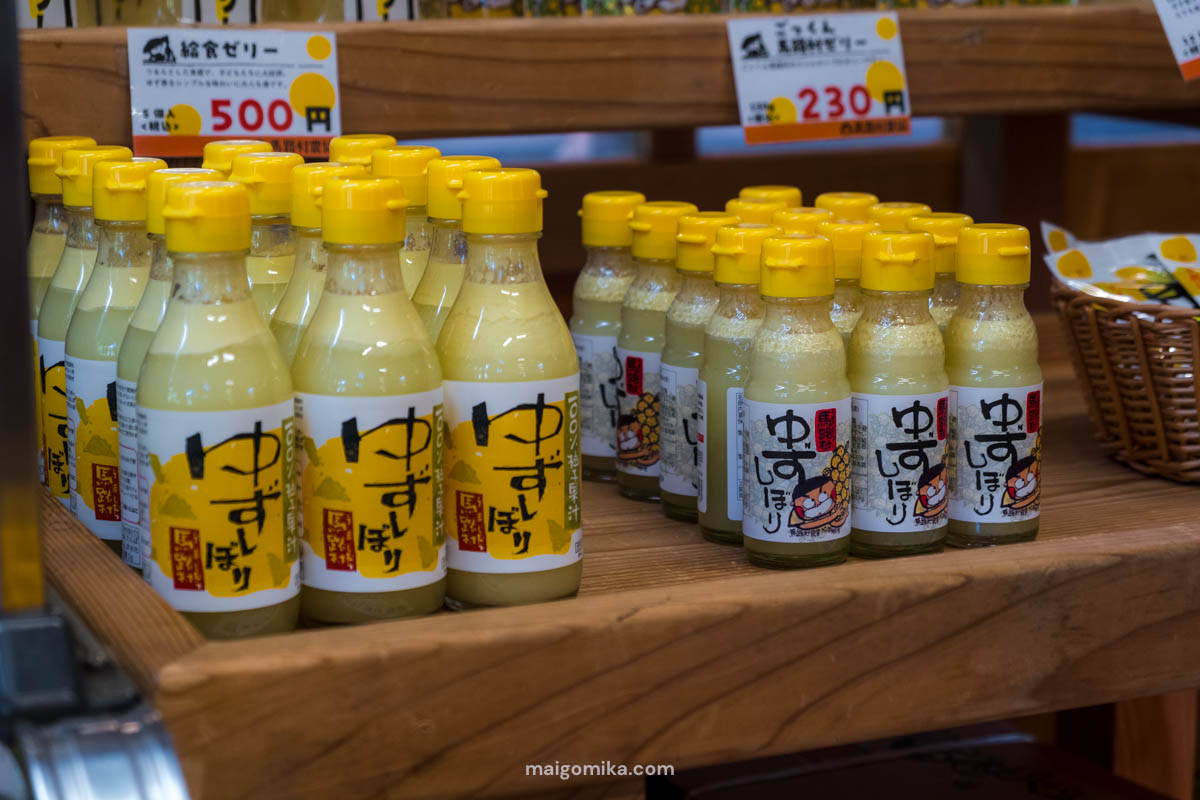
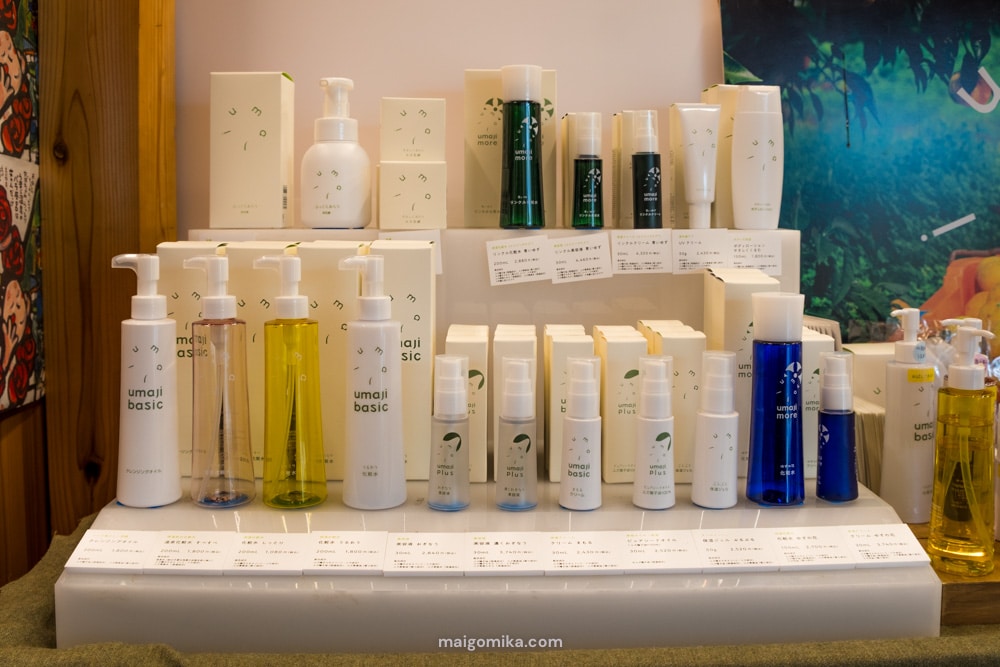
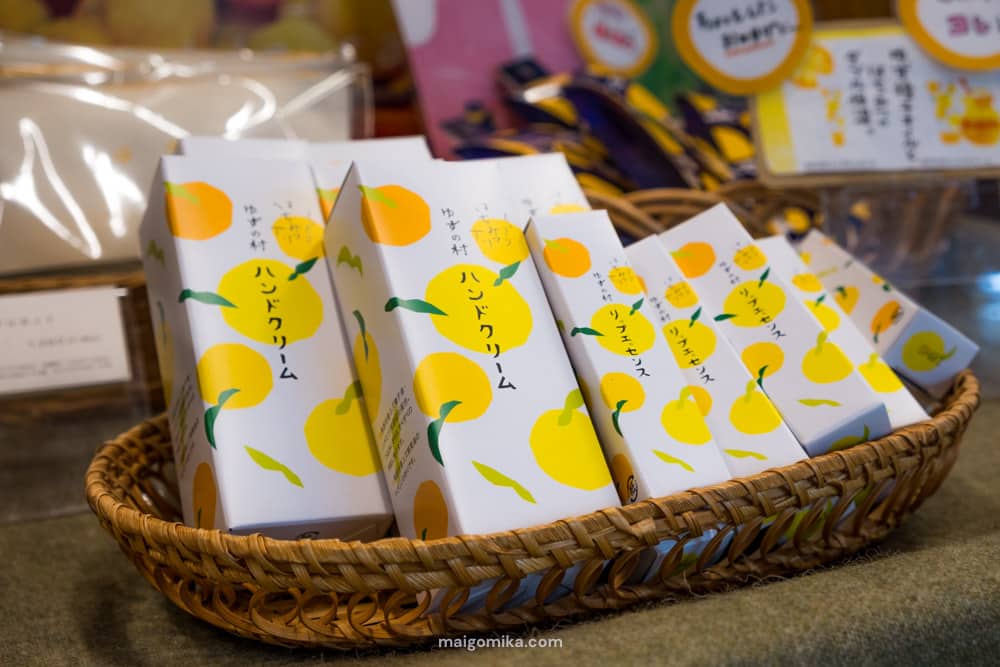
At the Yuzu Product Market (or the agricultural cooperative direct sales store) (ゆずの森 ゆず製品直売所, Yuzu no Mori Yuzu Seihin Chokubaijo), you can see how far they’ve come. What started as a single bottle of ponzu has blossomed into a lineup of over 100 products, from yuzu kosho and dressings to even skincare products (all of which you can buy here), all centered around the same fragrant fruit growing on these mountain terraces.
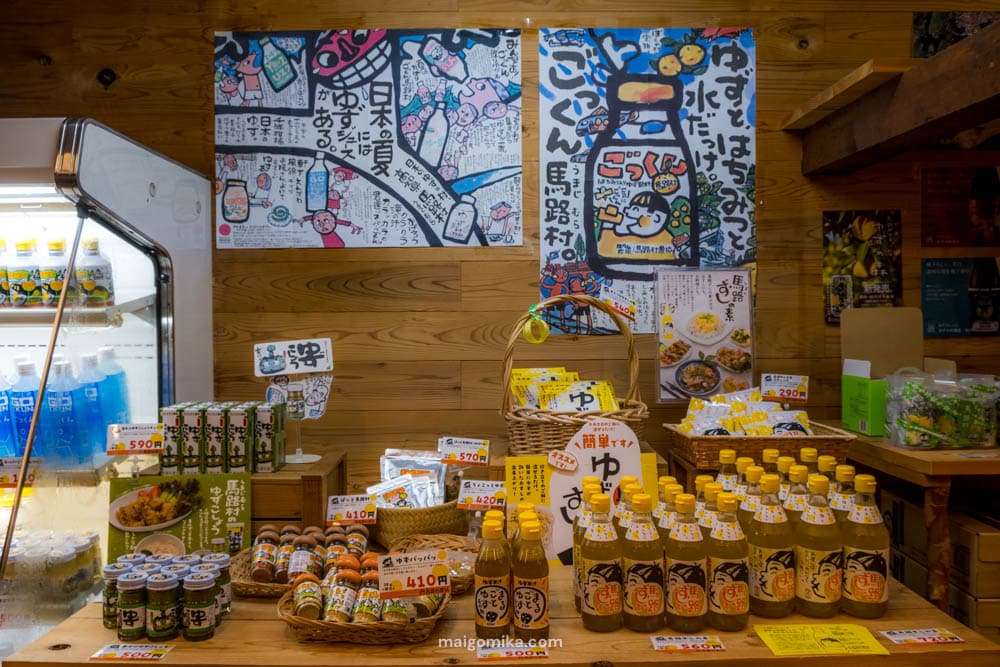
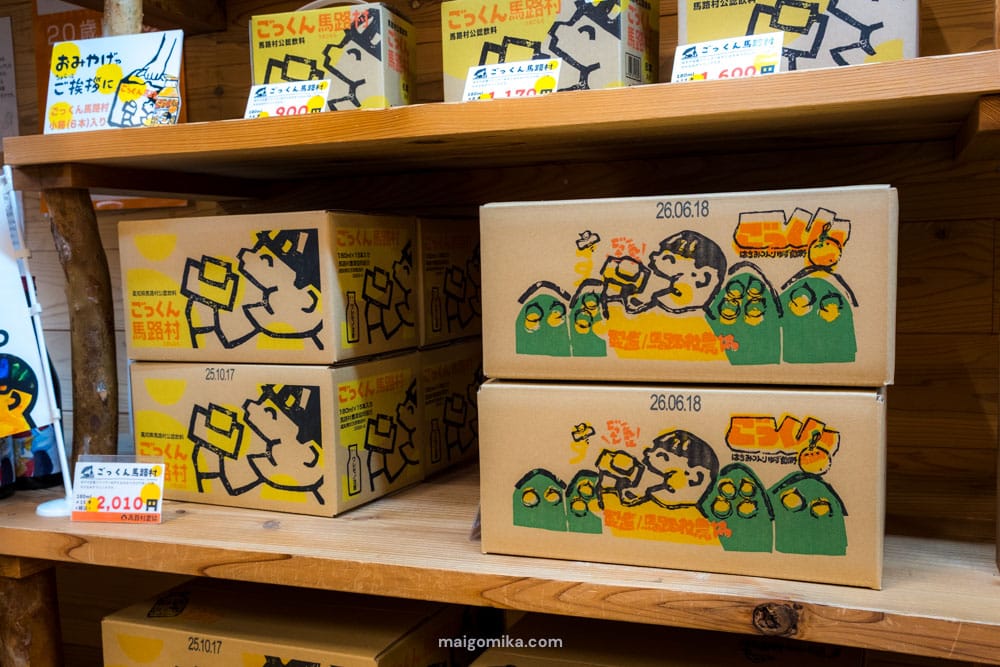
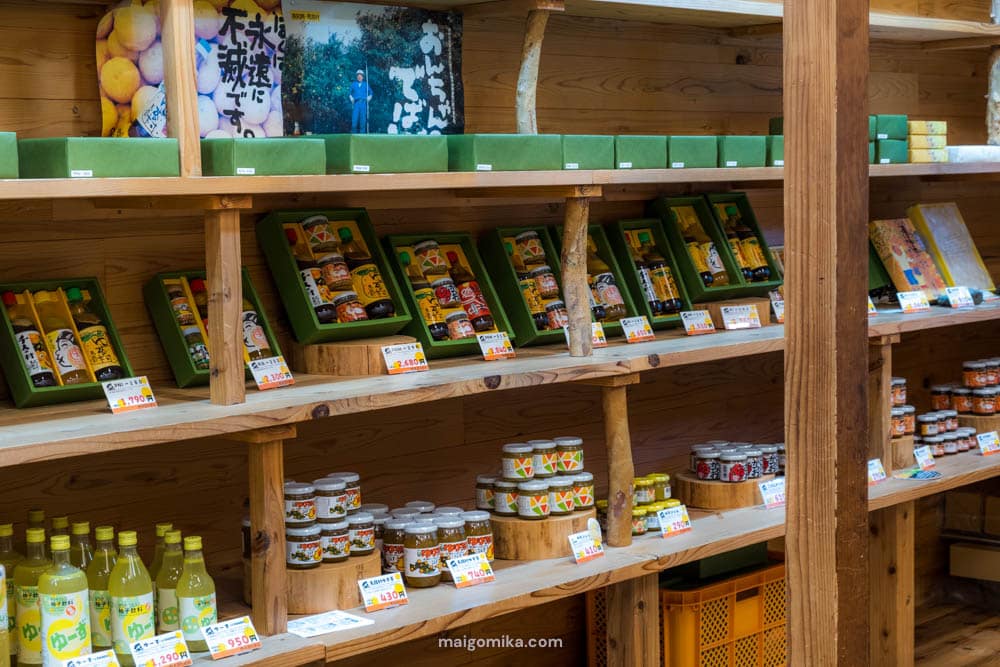
The Yuzu no Mori Vision
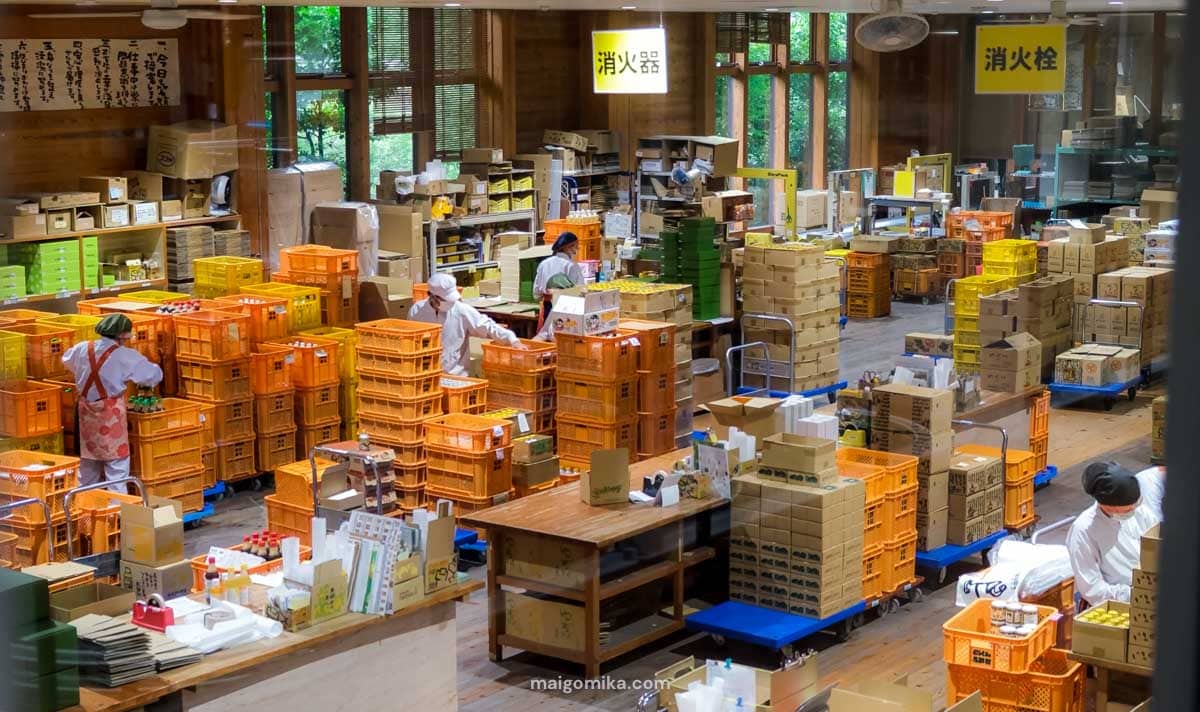
By 2003, Umaji had evolved from a quiet village into a national blueprint for rural revival. They transformed an old Forestry Bureau site into Yuzu no Mori (ゆずの森加工場, yuzunomori koubou), a central hub for distributing their products across Japan.
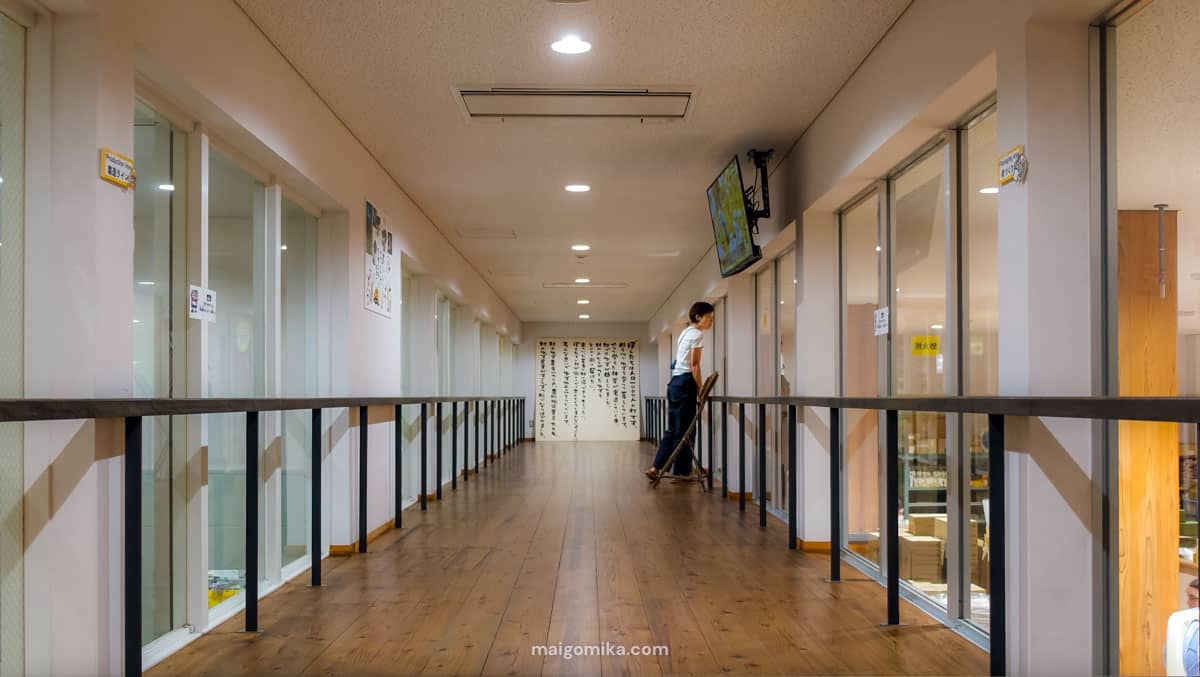
As a visitor, I can take a self-led tour of the production and packing lines from the observatory halls. Below, staff carefully placed Umaji products into boxes, neatly wrapped within Umaji-branded towels.
After watching the automated machines and dispatch area, I sat in the front lobby, looking out over the river, with my complimentary Gokkun I was treated to by the front desk.
Scientists here discovered that yuzu seeds hold precious oils, leading to a luxury skincare line that proved Umaji could innovate far beyond the kitchen. Their success story is now even taught in Japanese middle school textbooks, proving that with fifteen years of grit and a bit of “mountain magic,” a small town can change the map.
Meet the Locals
In Umaji, you are more than a visitor; you are an invited guest. This village has survived by leaning on one another, and they extend that same community spirit to every visitor.
Mayor Izuru Yamazaki
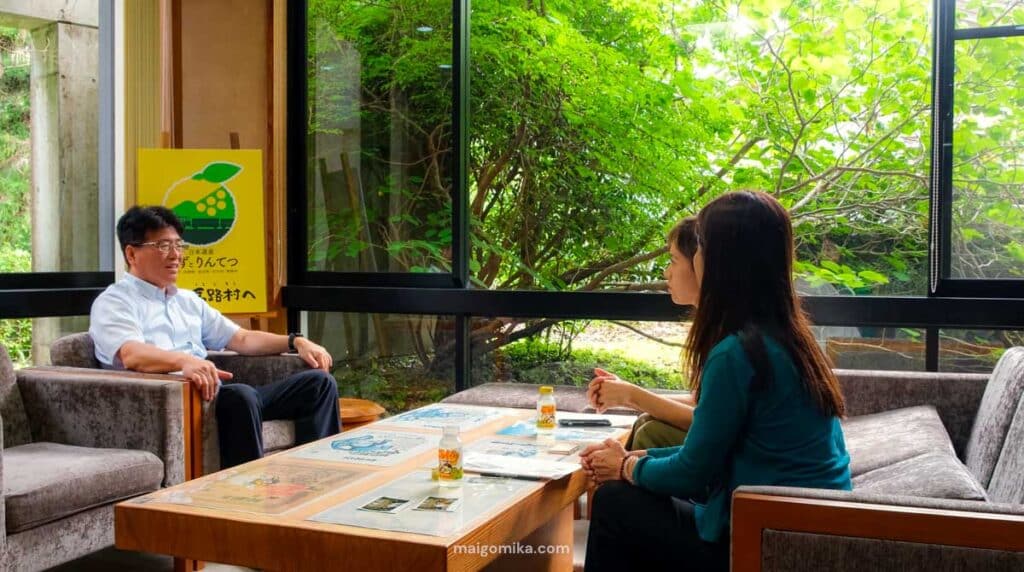
At the village office, visitors can pick up a symbolic “resident membership card”—a keepsake that makes you feel like part of the family. This honorary membership also grants you a unique opportunity: a sit-down with Mayor Izuru Yamazaki.
A lifelong resident, Mayor Yamazaki led the charge for Umaji to be officially declared an “Organic Village” in 2024—the first of its kind in Kochi Prefecture. Sipping a chilled yuzu drink with him, it’s clear he isn’t interested in being a distant bureaucrat.
Instead, he speaks like a neighbor, focused on a simple, shared goal: keeping the land healthy enough for the next generation to inherit.
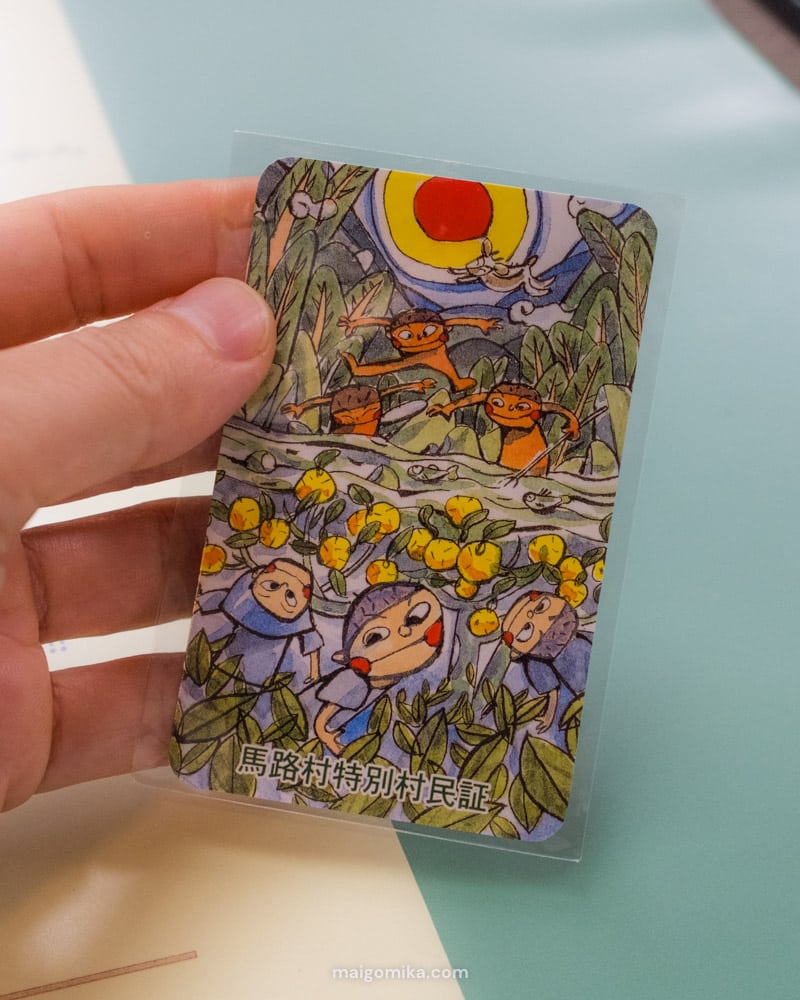
Get Your Resident Membership Card.
Want to make it official? Drop by the Village Office and pick up a symbolic resident membership card, complete with local illustrations. It’s more than a souvenir; it’s a reminder that once you’ve tasted the yuzu and met the people, a piece of you stays in Umaji.
Kinoshita-san
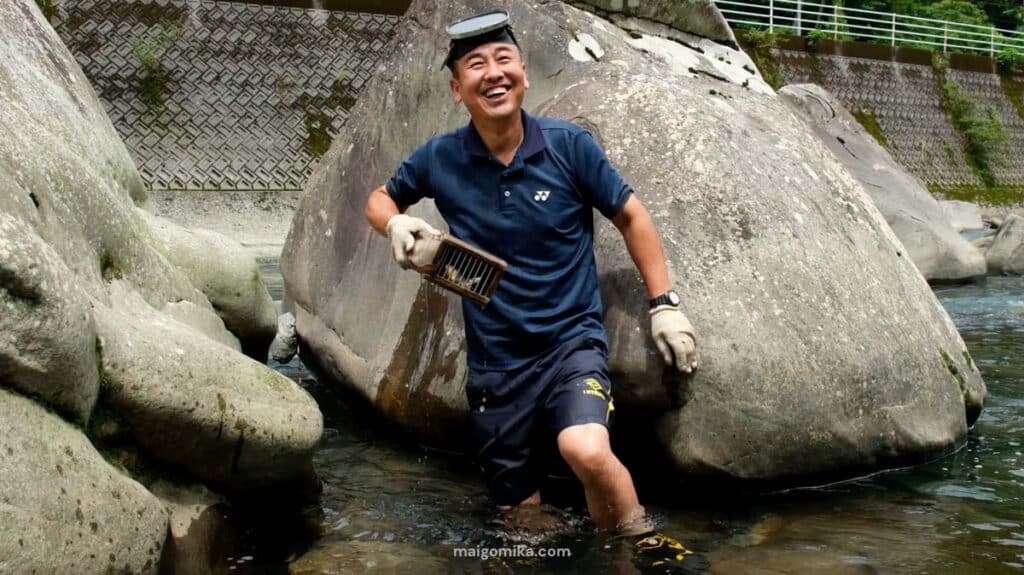
The work day in Umaji is rarely confined to just the orchards.
During one of my summer visits, Kinoshita-san, my guide and an Agricultural Cooperative member, shared one local ritual with me. During a visit in May, Kinoshita-san brought my attention to the back of his truck, where he pulled out a set of waders and ushered me into them. The Umaji native is so skilled at summoning eel from the nearby Yanase River that he’s earned the nickname, “the God of Eel.”
Pulling stones away that held the traps he had set the day before in place, the first one came out with a telltale tail. One after another, the grin on Kinoshita-san’s face grew as he pulled out trap after trap, each with an eel bigger than the last. The season was good, and I was, after all, with the unagi god.
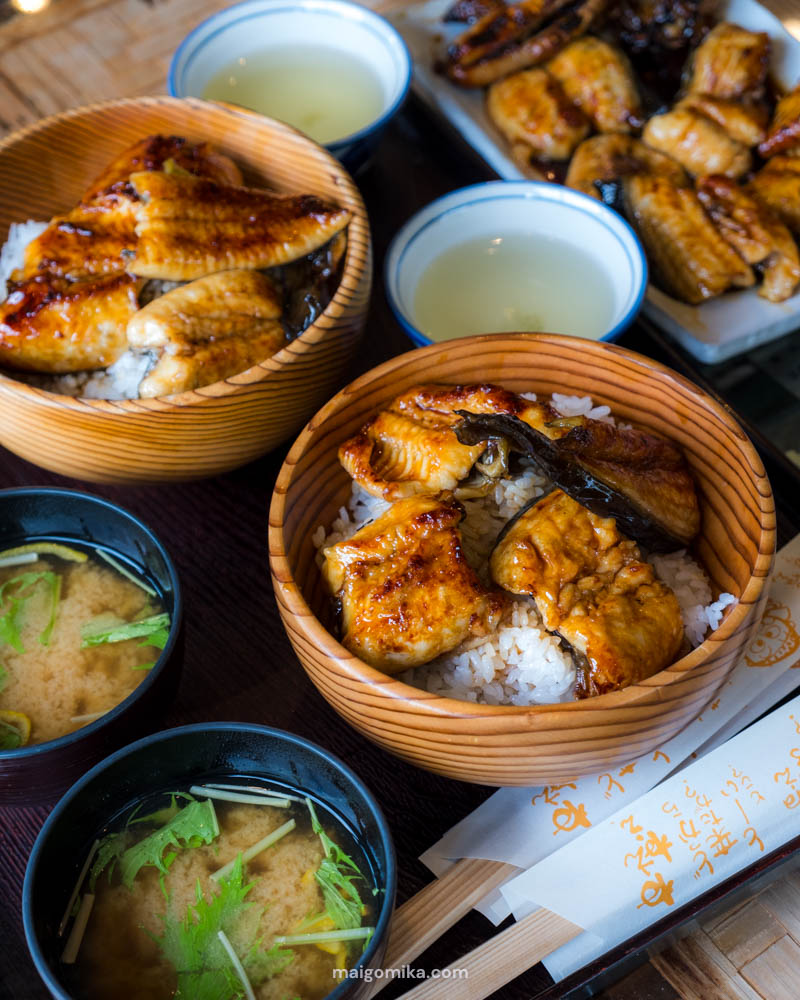
As soon as the eels were bagged, we headed to a local onsen restaurant where the cooks prepared the eel for us for lunch. Coming off those hot coals, doused in a savory, sweet sauce, it was an unagi dish rich in fat and umami. Hands down, the best eel I have ever eaten.
Komatsu Shuukichi
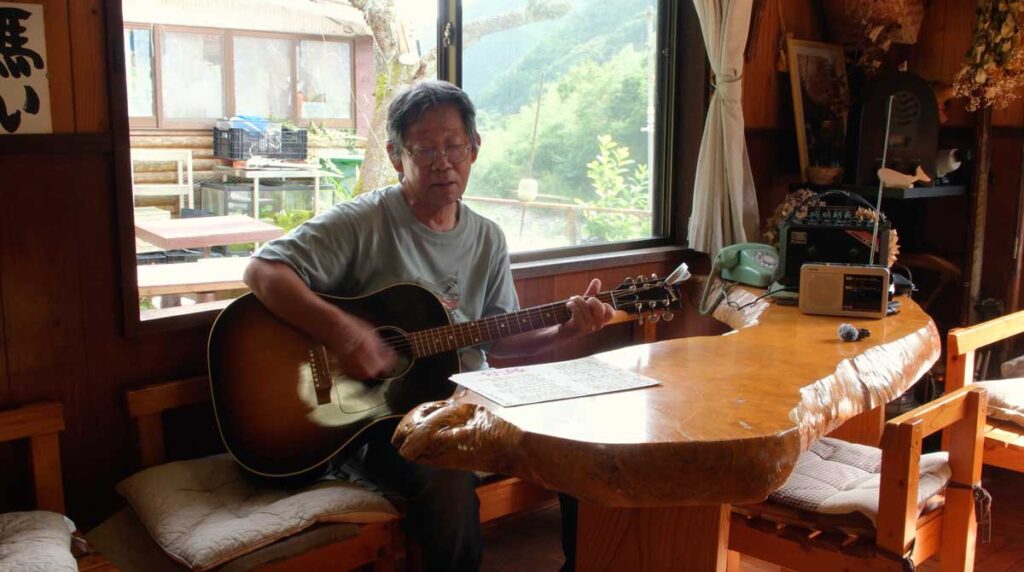
At last year’s Umaji Hajimaru festival, I caught a performance by a local from the neighboring Yasuda area, Komatsu Shuukichi (known as Mame Denkyu, 豆電球).
His song “Yuzu Child” (ゆずっこ, yuzuko) really stayed with me, leaving me with a strong sense of nostalgia long after the festival ended.
In May, I decided to track him down at his café, which doubles as a vintage Showa-era movie theater. When I told him how much his music had moved me, he didn’t just thank me; he pulled out his guitar and a set of lyrics handwritten on cardboard sheets.
Listening to him play with the sound of the river in the background, I found myself getting surprisingly misty-eyed.
Hearing his voice in that setting made me feel strangely misty-eyed. His music captures the very soul of the mountains and rivers, even the longing for one’s hometown. They make even a stranger like me feel homesick for Umaji.
🎵 Listen to the live performance of “Yuzu Child.”
Umaji No Panya
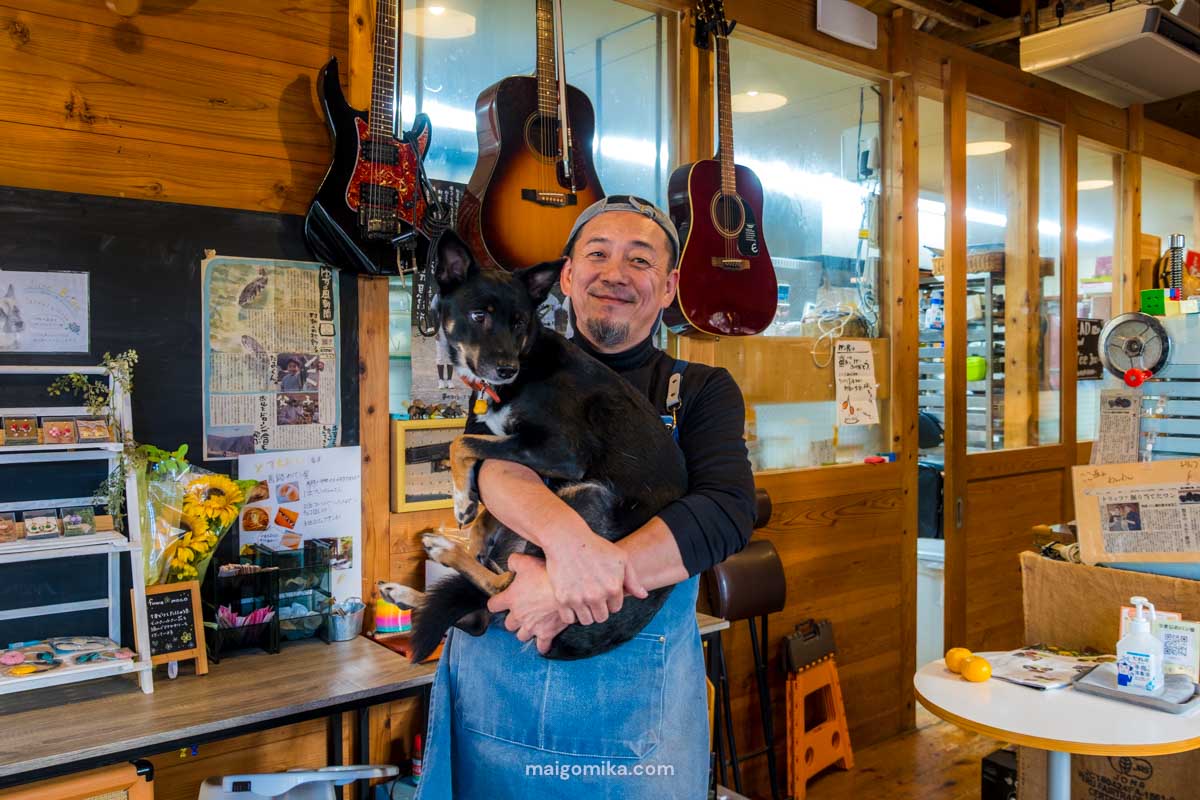
Not everyone in Umaji was born here. The Maedas, for example, are “I-turn” residents who sought out the charm of rural life back in 2016. Originally from Kochi City and Aichi, Toki and Mika Maeda have now called the village home for nine years.
Toki’s path to baking was an unexpected one; while working as a truck driver delivering drywall, he happened upon Umaji during a routine route. When he discovered the local bakery was up for sale, he and Mika decided to take the leap, conferring with the previous owner to ensure the village staple stayed open. Today, they run Umaji no Panya (うまじのパン屋), a dog-friendly café and bakery that serves as a community hub.
“I love being able to chat with our customers,” Toki says. “It brings me so much joy that I decided to become a baker and open this shop.”
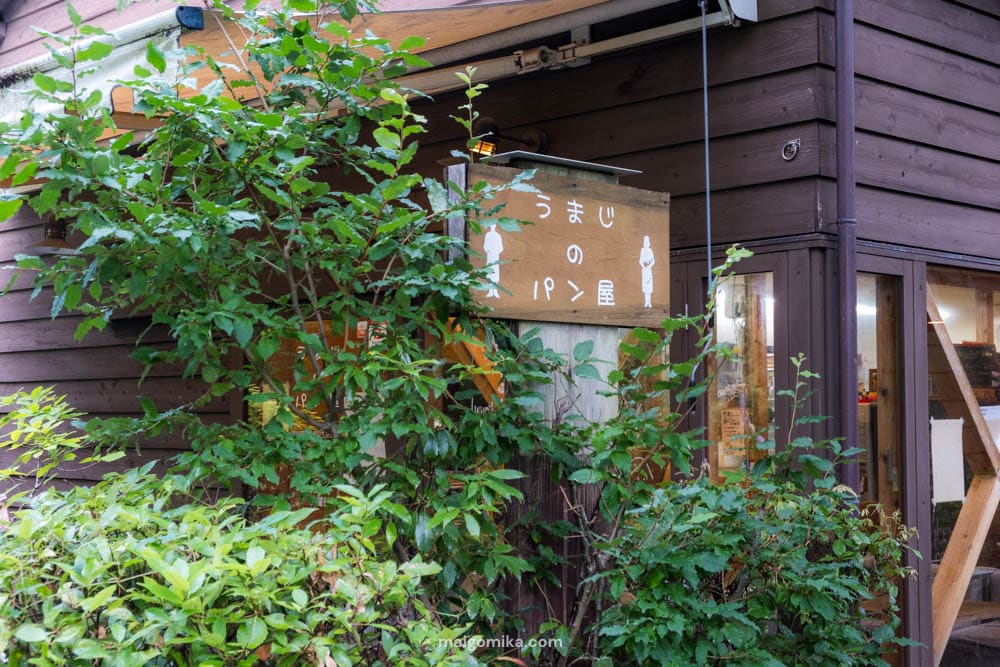
For the Maedas, the beauty of Umaji lies in its “woven” closeness. Whenever someone notices that a neighbor has missed their usual morning walk, someone inevitably drops by to check on them.
In Umaji, news travels fast—not as gossip, but as a form of care. It’s the kind of intimacy that can feel surprising if you come from a big city… but comforting once you experience it.
The Quiet Rhythm of Umaji
Umaji Village isn’t a bustling tourist attraction. Instead, it’s a quiet place where neighbors greet each other warmly and visitors can, for a moment, feel a part of the rhythm of village life. It’s a subtle lesson in sustainability: a small group of people creating something world-class by working with nature.
Watch my Umaji Village Videos
Planning your own trip to Umaji?
If you’re building your Umaji village countryside itinerary, start at The Essential Travel Guide to Umaji Village.




i absolutely love this story and it’s so fascinating from an american perspective, i wish this kind of idea can be supported in small towns in the US
Hey Caroline, what Umaji village is doing is really special, and perhaps even unique by Japanese standards. Japan has a bit of an advantage because they have a high tax density within a small geographical area, which often means more abundant subsidies for local projects. I’d imagine it’s much tougher in the U.S. given the sheer scale of the country. Still, I’d love to see this model exported globally, even if it’s easier said than done!