Our journey into gardening in the Japanese countryside has truly been an adventure filled with both triumphs and failures. From revitalizing our neglected garden to our first year tackling the overwhelming growth of weeds, each season presents new challenges and, more importantly, valuable lessons. This year, our third serious attempt, felt like a real turning point—a time when we finally started adapting to our land instead of merely reacting to its whims.
In my latest video, I share the six most valuable lessons we’ve gleaned from our garden in July. We harvested what we could, and gracefully let go of what we couldn’t, all while learning to dance with nature’s unpredictable rhythms.
Lesson #1: Don’t Plant Everything Your Neighbors Grow
In our close-knit community, sharing the harvest is a cherished tradition. Every roadside chat almost guarantees you’ll leave with a bundle of fresh vegetables. However, we quickly learned that planting the same popular crops as everyone else leads to a shared dilemma: too much of the same thing and not enough fridge space!
This year, as everyone’s cucumber gardens overflowed, we found ourselves with a surplus. Instead of letting them go to waste, we embraced our kitchen instincts, transforming the bounty into dishes both familiar and new. From quick-pickled cucumbers and spicy dill pickles (a rarity in local stores!) to a refreshing cold cucumber salad with harusame noodles, we discovered delicious ways to enjoy our abundance.
Lesson #2: Why Planting Something Unpopular Can Be a Win
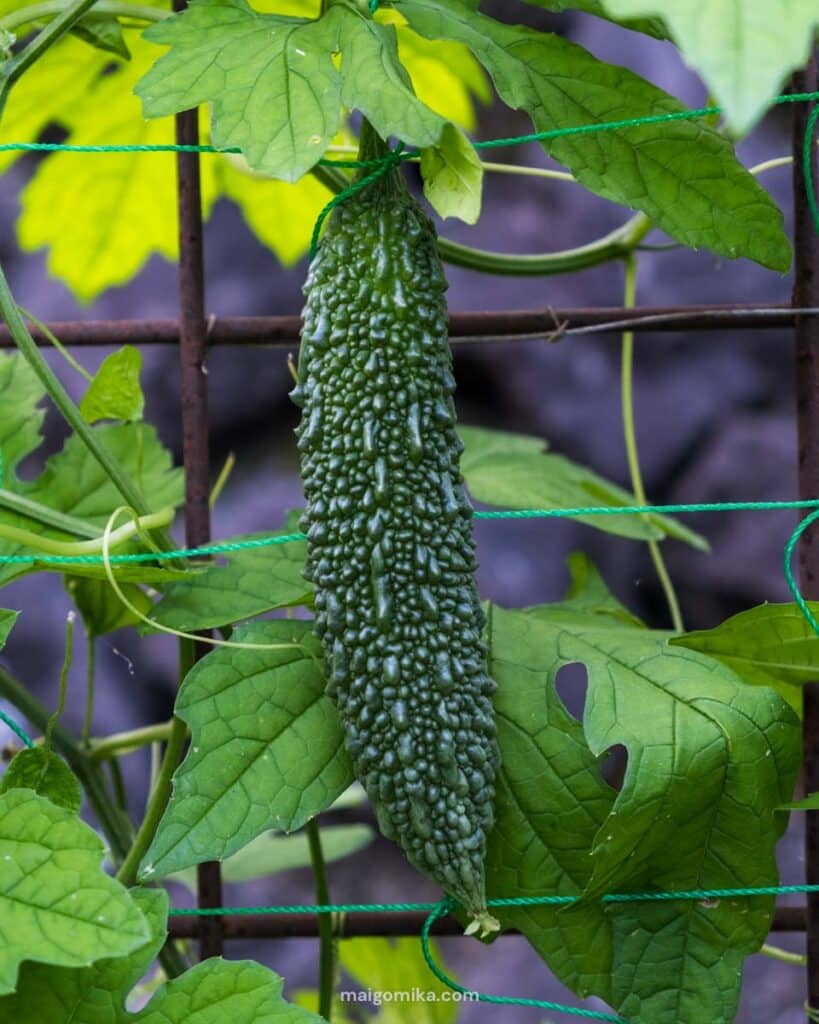
In an effort to diversify our harvest, we experimented with a few new crops. In this southern climate, our goya bitter melon truly flourished! While goya might not win over every palate, it became our unique summer crop. Since only a few people wanted it, we always had plenty, and all we had to do was develop a taste for it ourselves.
Sometimes, when the summer humidity is oppressive, you need that sharp, bitter flavor to awaken your senses. I’ve grown to love making goya champuru—a quick, flavorful stir-fry with tofu and egg, perfect for a speedy lunch. It’s a reminder that even bitter flavors can bring incredible satisfaction.
Lesson #3: Even with the Best Intentions, Nature Has the Final Say
Despite all our efforts, sometimes you simply have to yield to the unpredictable power of nature. This July, persistent summer storms saturated our gardens for days with endless rain, a force far beyond our control.
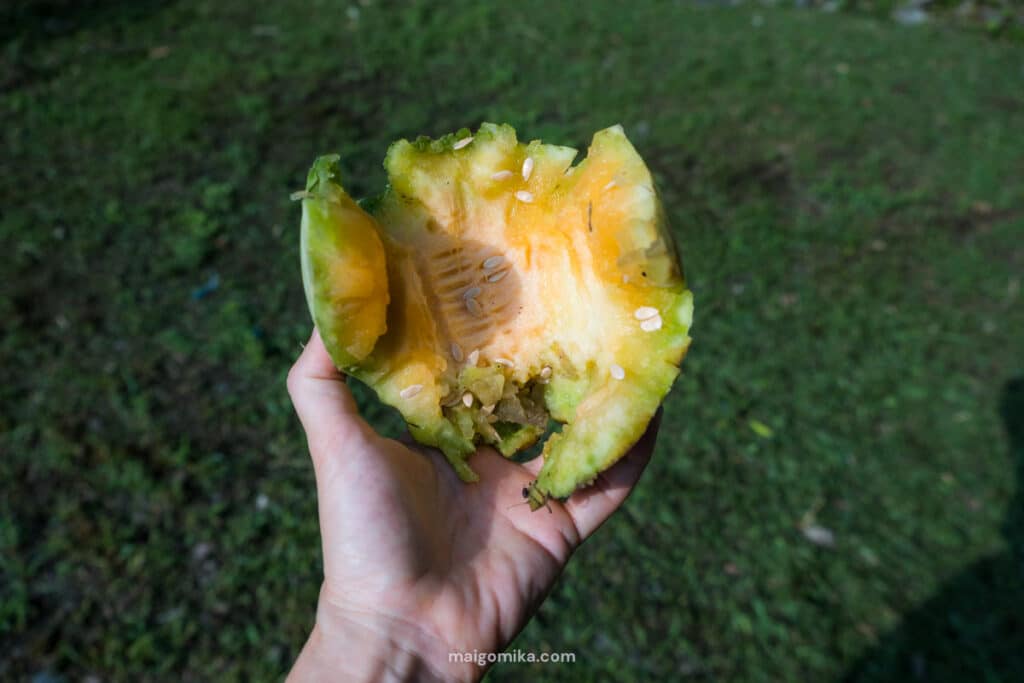
This relentless downpour proved too much for one of our newest experiments: our honeydew melons burst prematurely. And, to add insult to injury, the sudden, sweet scent attracted some very hungry critters! It was a clear reminder that, even with the best intentions, nature often has the final say.
Lesson #4: Our Past Failures Became Our Greatest Teachers
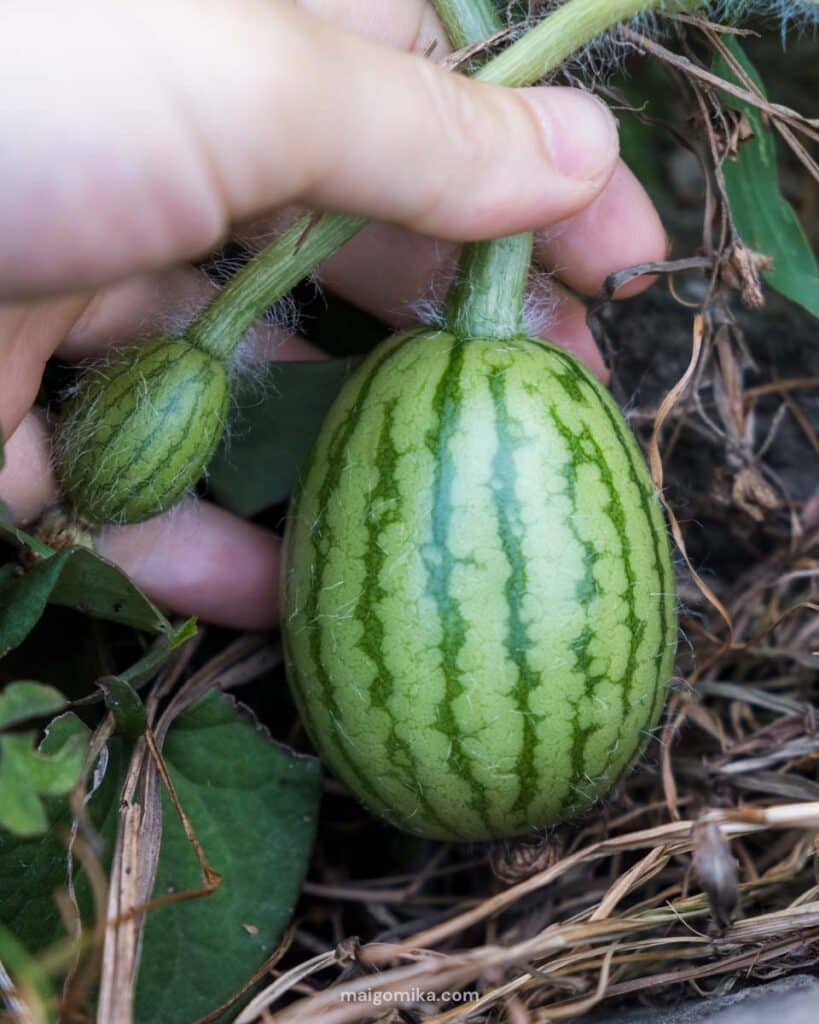
It wasn’t all loss, however. Learning from the devastating raids of previous years—when crows ruined our watermelons and monkeys and civets left their unsavory marks—we were better prepared this time. We successfully protected our watermelons, using layers of cut grass to shelter them from aerial predators.
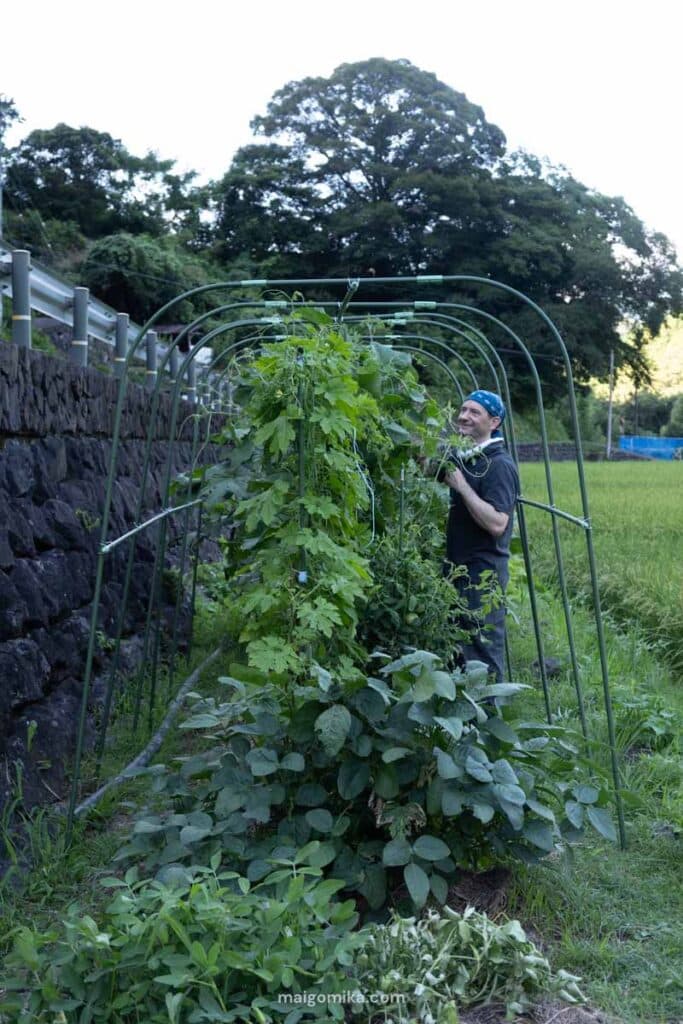
This year, after our unfortunate honeydew experience, we took an even more proactive approach, adding a protective perimeter to safeguard our harvest from both ground-level critters and threats from the sky. Even seemingly small adjustments can make a monumental difference in protecting what we’ve worked so hard to grow.
Lesson #5: Sometimes You Plant One Thing… and Harvest Something Else
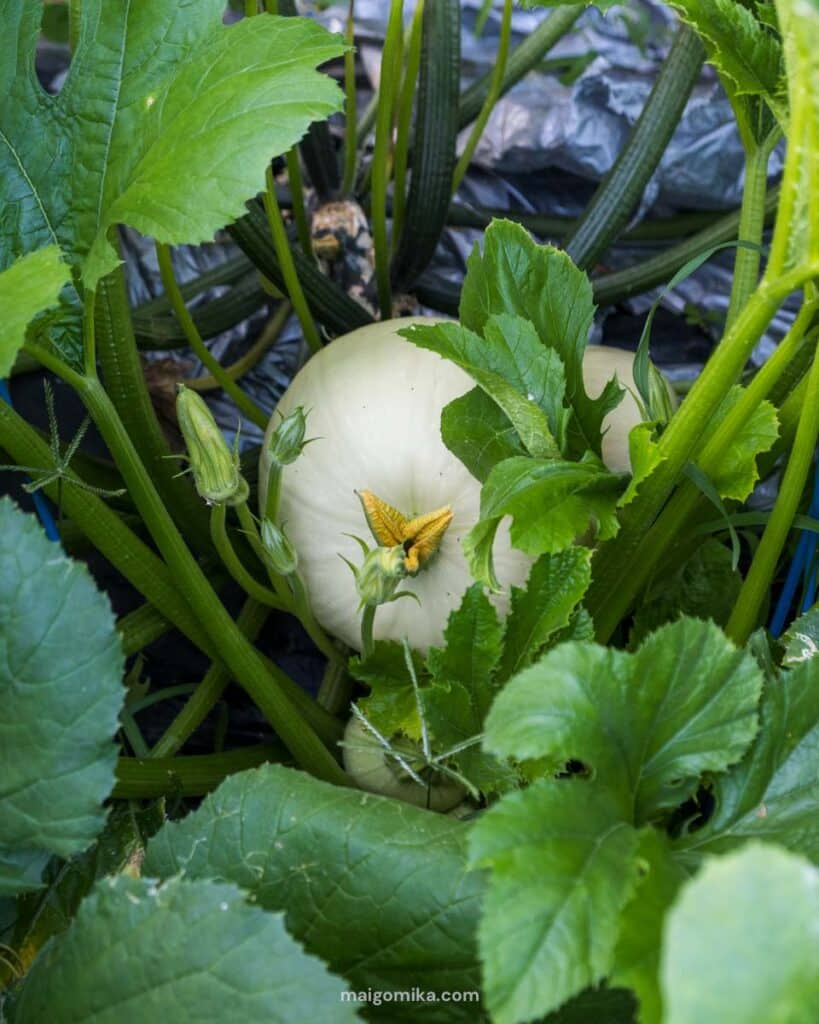
Plants, much like life itself, don’t always stick to our meticulously laid plans. Even with the most carefully chosen seeds, nature has a whimsical way of surprising you. This phenomenon was especially evident with our neighbor’s perplexing zucchini, which defied all expectations. Similarly, this year, we planted kabocha, again expecting familiar shapes and colors, yet the harvest revealed something entirely different from what we envisioned!
Lesson #6: Some Things Just Don’t Make It (For Now)
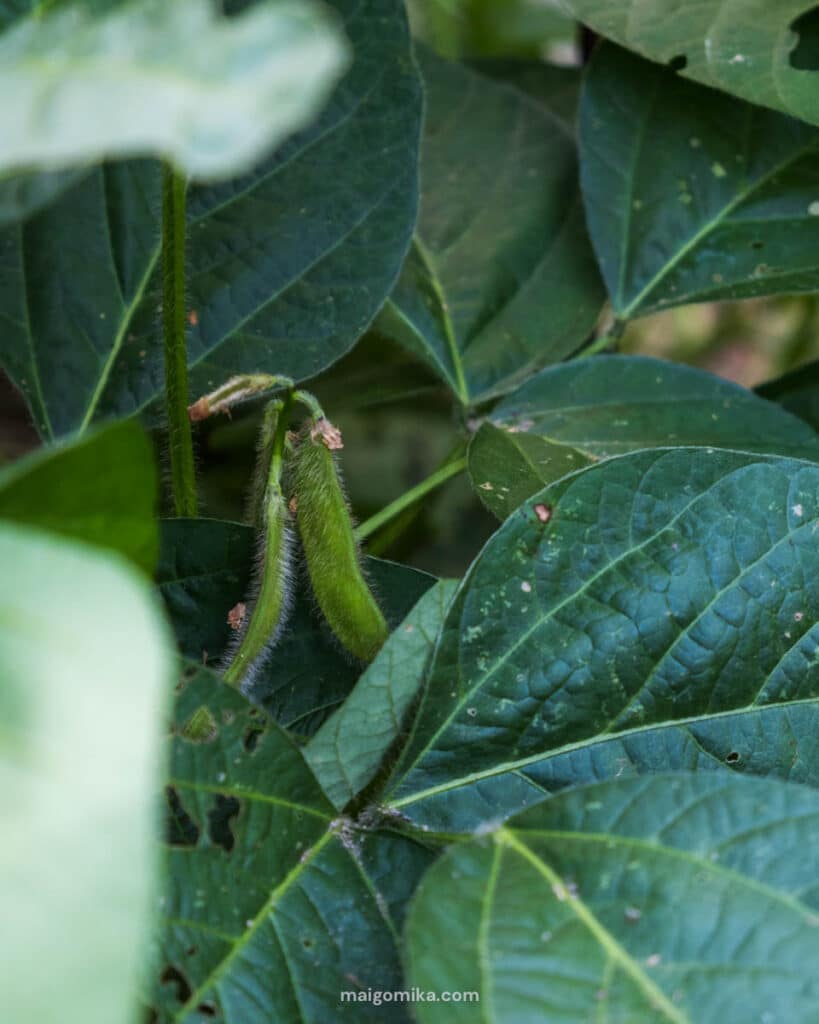
And finally, perhaps the most humbling lesson we’ve learned is that, even after years, there’s still so much we don’t know. No matter how much effort you pour in, some things just defy explanation. Many of our harvested soybeans came out flat and lifeless, a result of tiny bugs unexpectedly attacking them in their early growth stages.
Similarly, one of our peanut plants withered, though we did manage to collect some legumes. The constant, relentless rain was particularly hard on our chilies, causing the soil to erode away. Despite our best efforts to replace it, the plants just seemed to wither and fade. We honestly have no idea what happened there—if you have ideas, please leave them in the comments below!
Despite its many shortcomings and our plans to do things differently next time, our garden was rarely a source of frustration. Everything we learned this year, we will carry over to the next.
What are your biggest gardening “pain points”? And which of these lessons have you learned yourself? Let us know in the comments below!