Miyazaki Prefecture on the eastern coast of Kyushu had been on our must-see list ever since we moved to the island. With its promise of jungly forests and dramatic coastlines, it seemed like the perfect destination for an extended trip. With the 2019 Golden Week holiday extended to a glorious ten consecutive days off (due to the Emperor’s abdication), we knew exactly where I was headed. We immediately planned a three-day car trip to soak up as much of Miyazaki as possible.
If you’re planning a visit, here’s a look at the personal itinerary that took us from surreal rock formations to wild horses and divine gorges.
Day 1: Coastal Wonders and a Perfectly Preserved Samurai Town
Our first stop, about a three-hour drive from Oita prefecture, was Aoshima Island. No, not the famous “Cat Island” off Shikoku, but the one famed for its shrine, popular surfing, and unusual geology.
Morning: Aoshima Island and the Devil’s Washboard
When we arrived, the overcast weather surprisingly worked in our favour, keeping the crowds down and giving us plenty of space to explore. As we stepped onto the island, the atmosphere instantly changed—entering the nest of trees leading to Aoshima Shrine felt intensely tropical and jungly, with a noticeable shift in humidity.
The shrine on the island is a popular destination for married couples and is said to bring luck for a happy marriage. The jungle-like environment surrounding the shrine is due to the island’s unique flora, which features subtropical plants rarely found so far north.
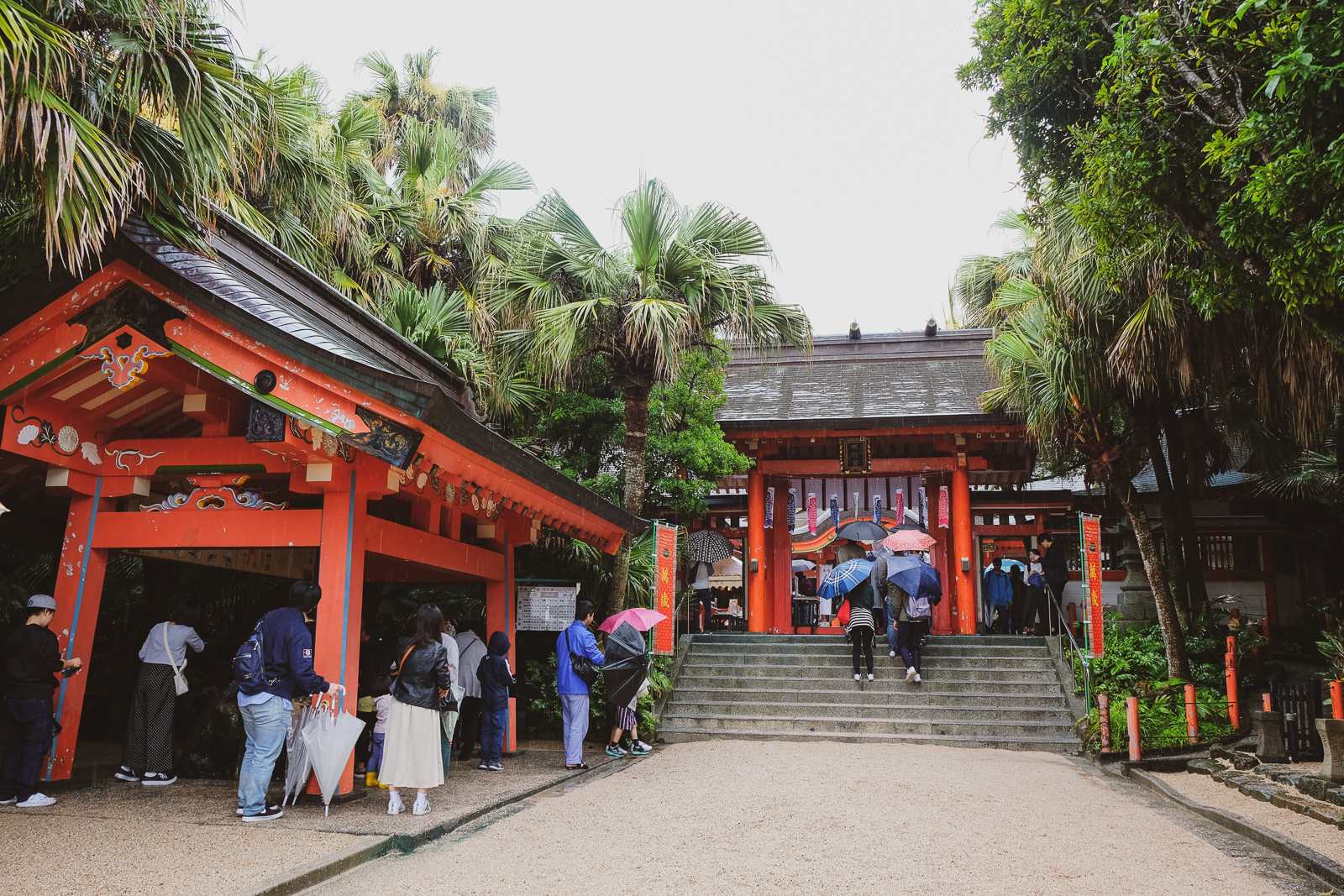
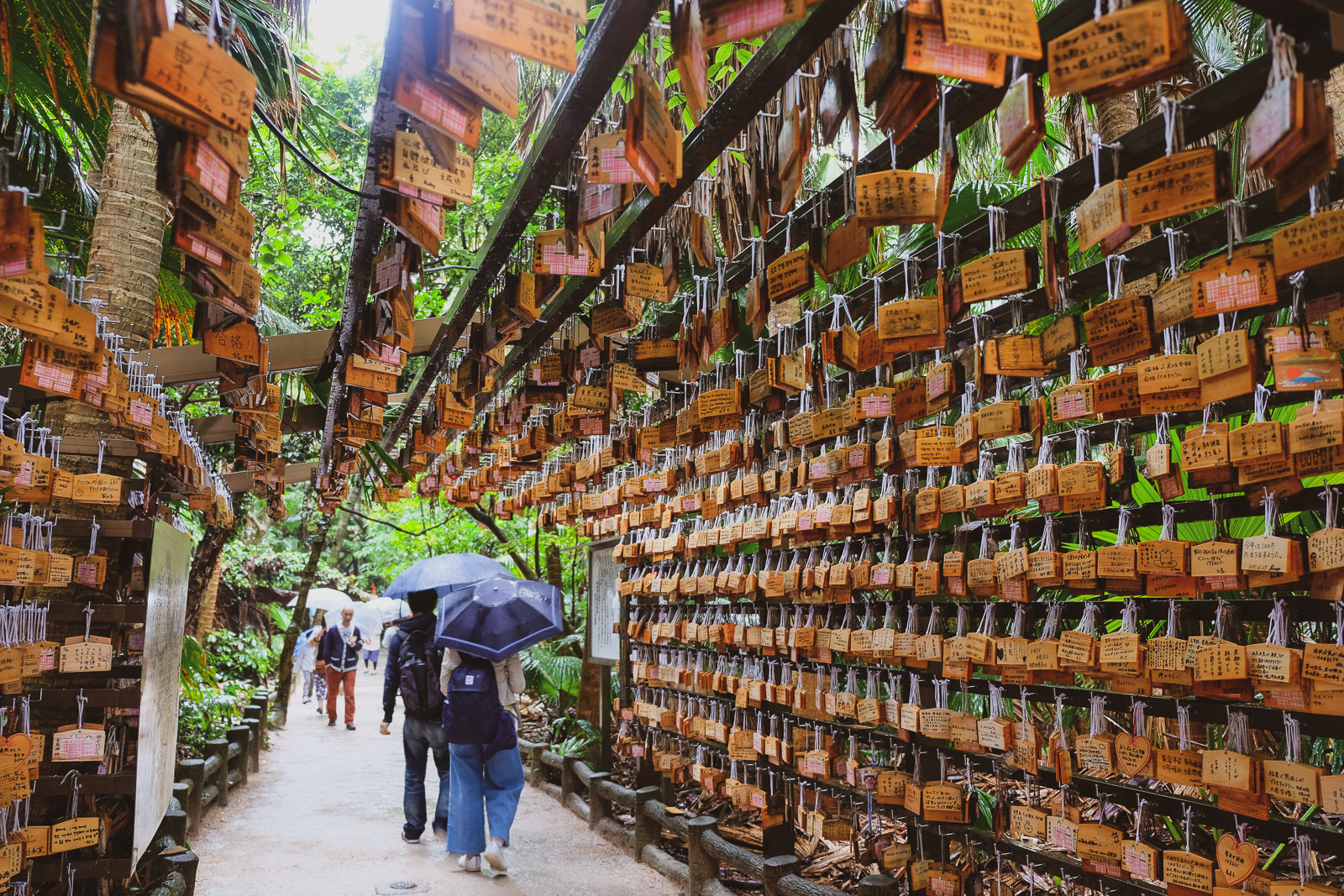
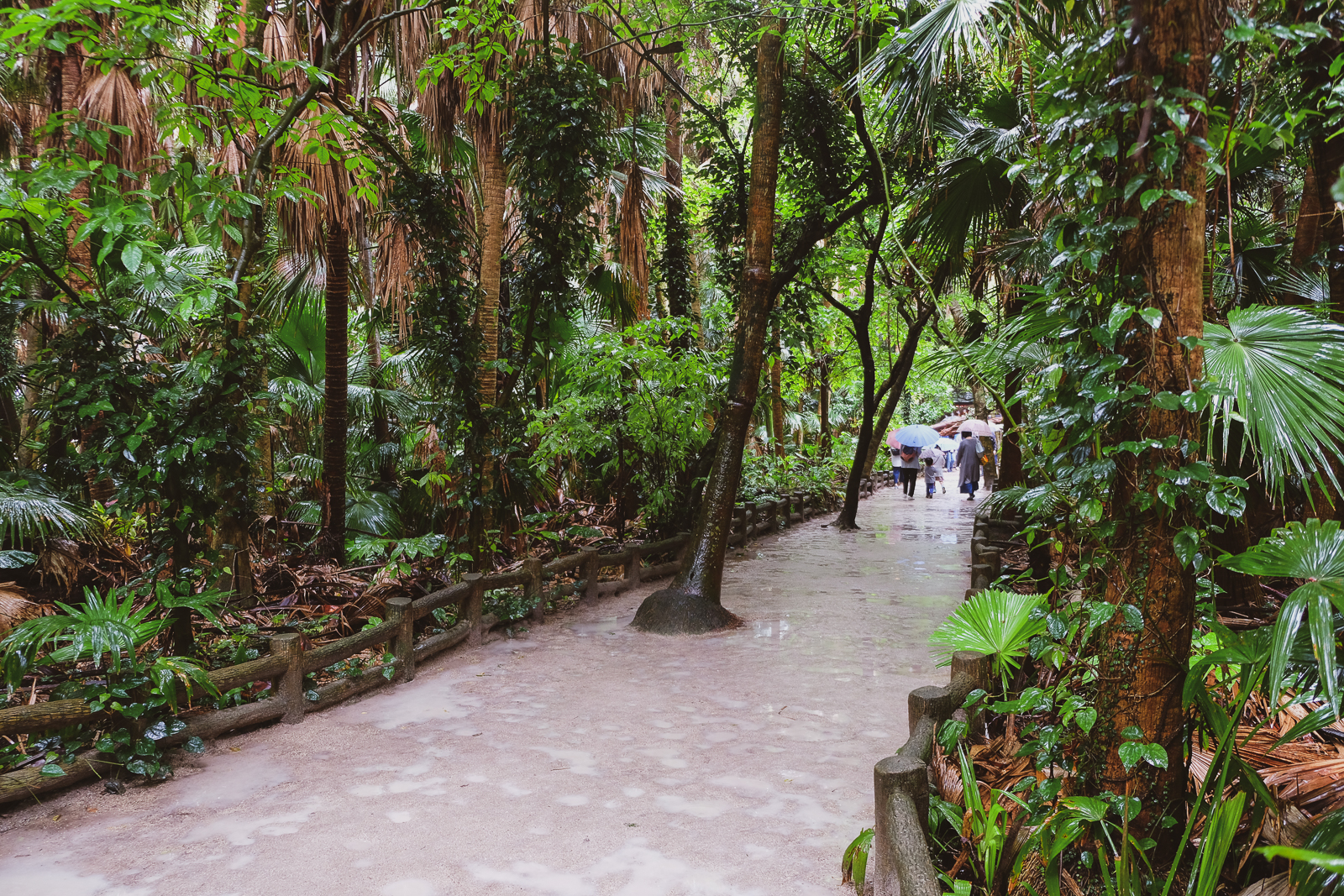
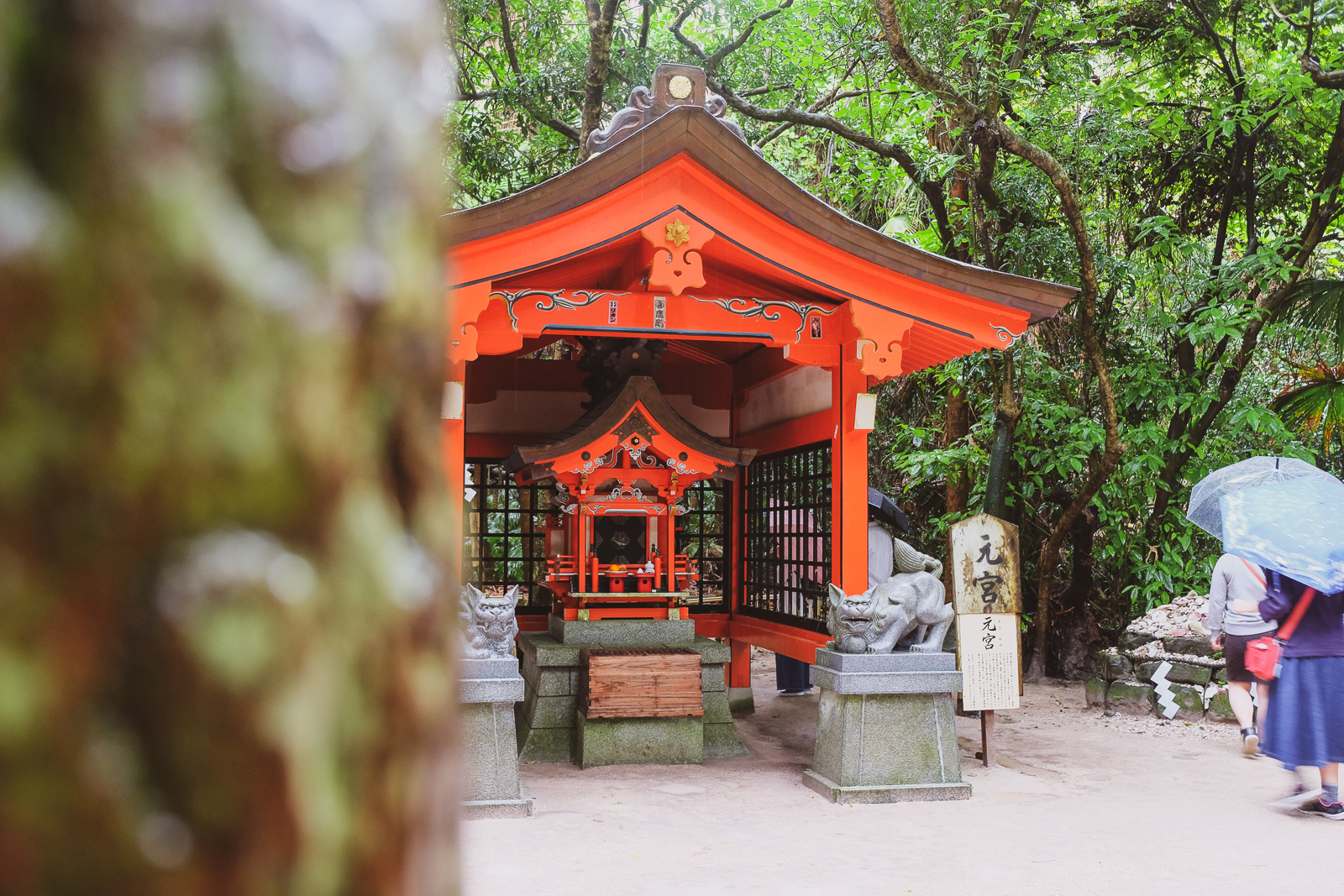
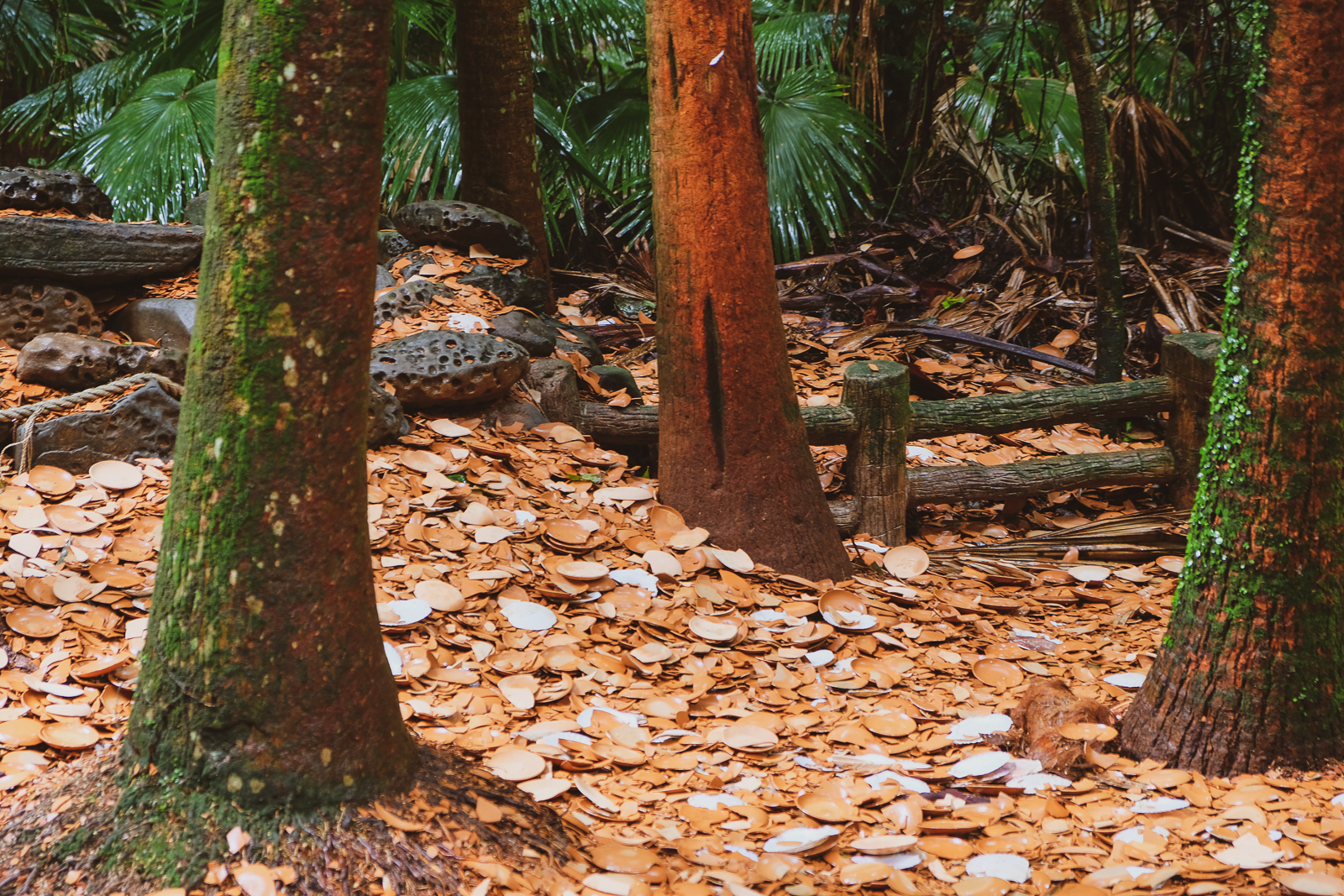
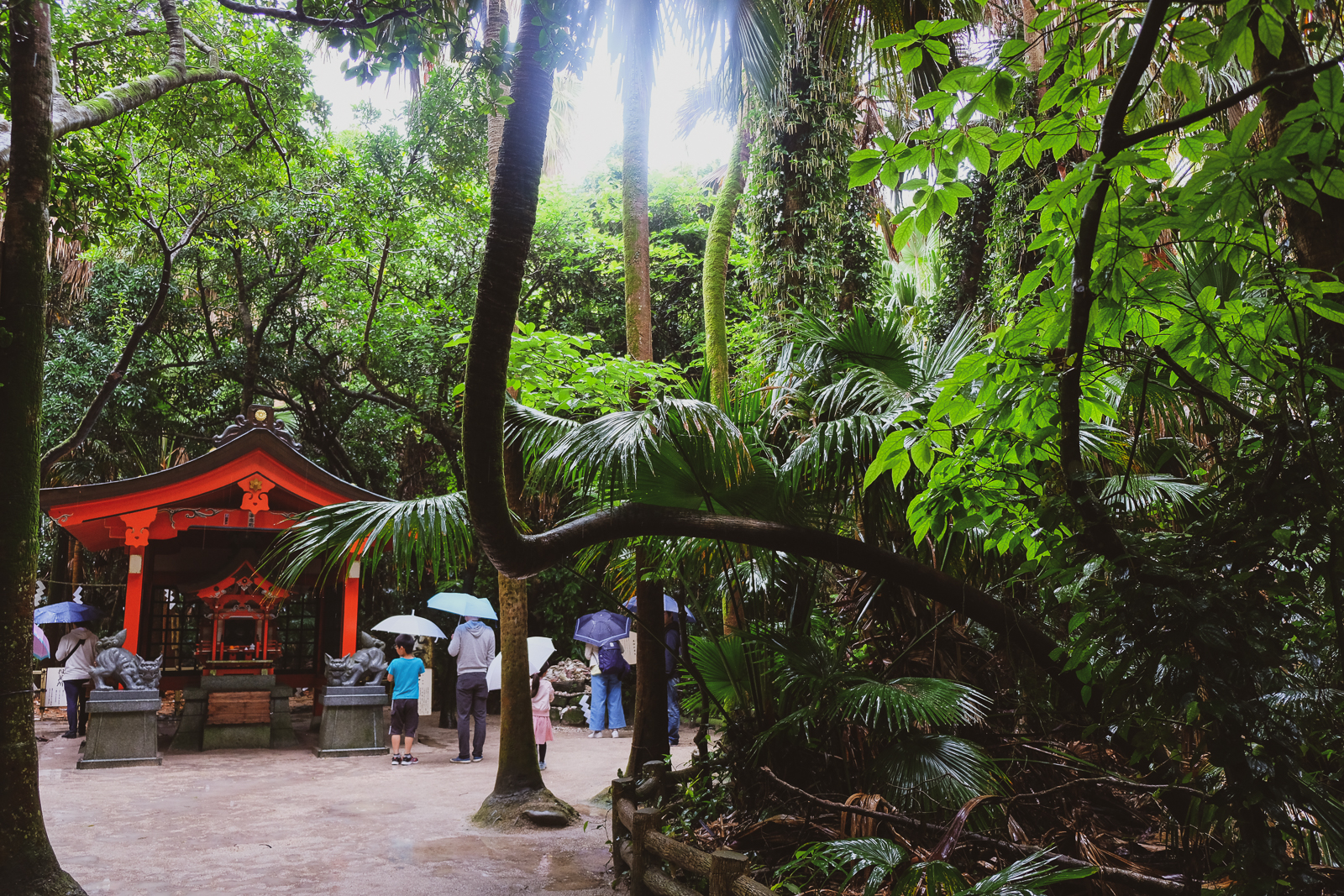
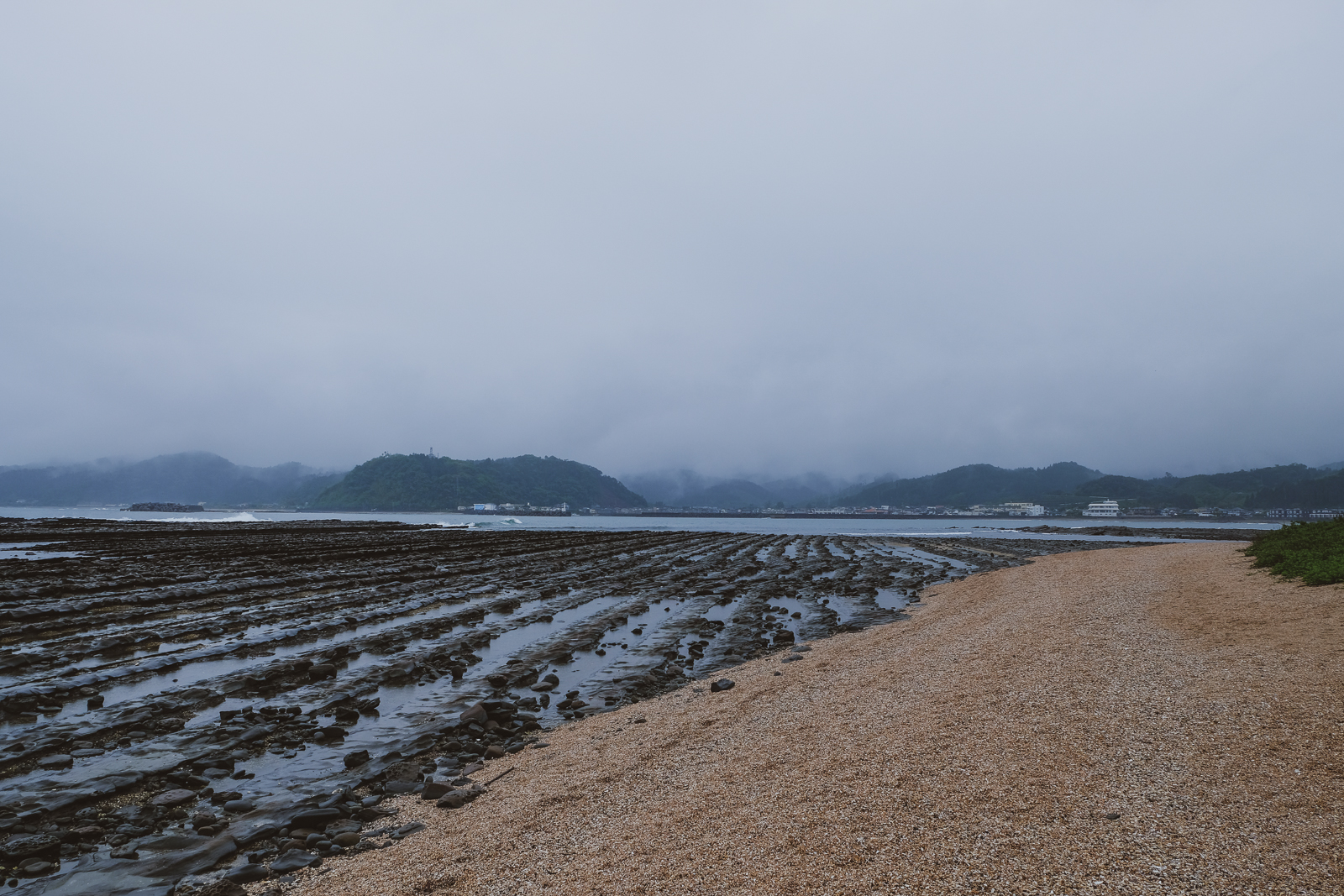
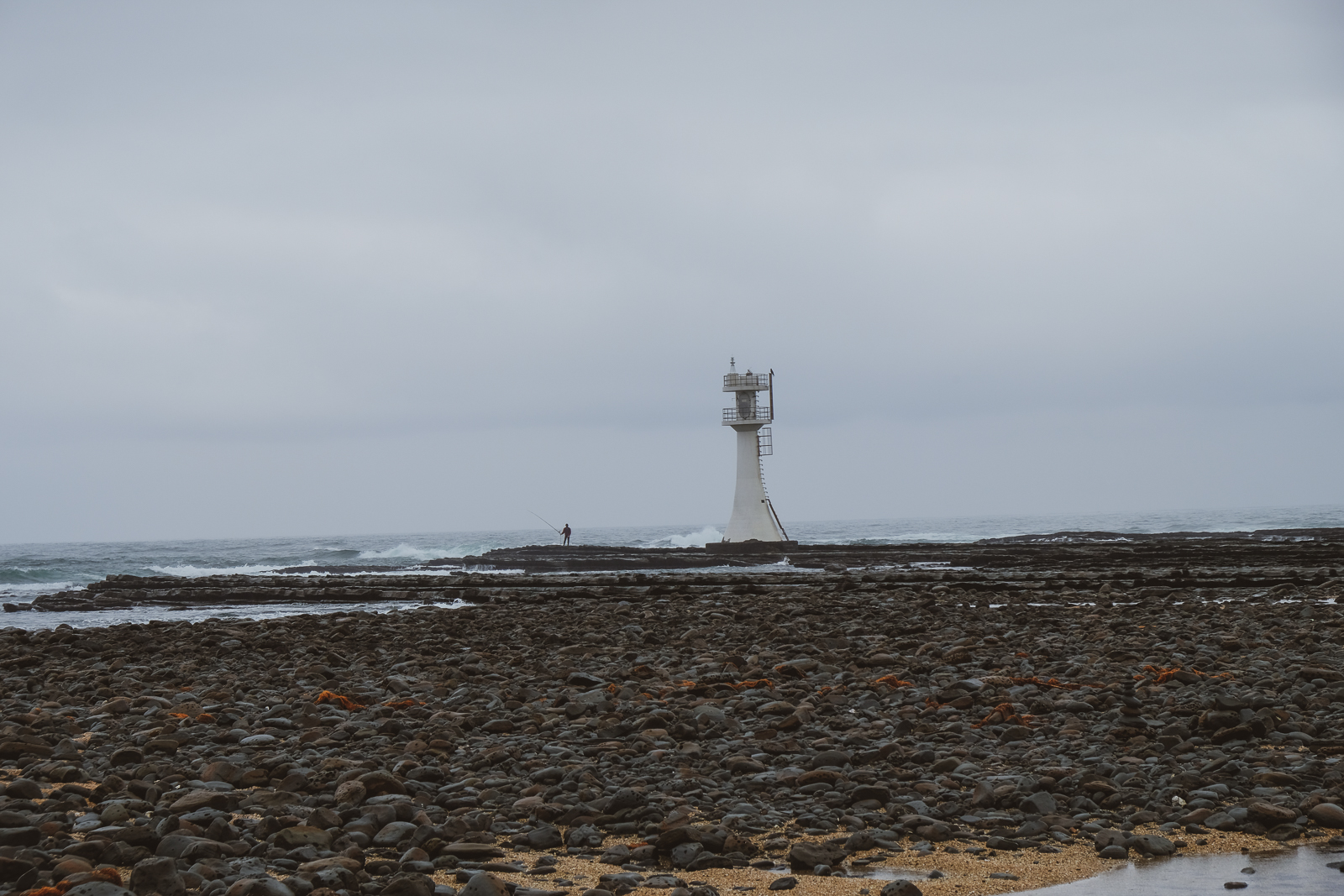
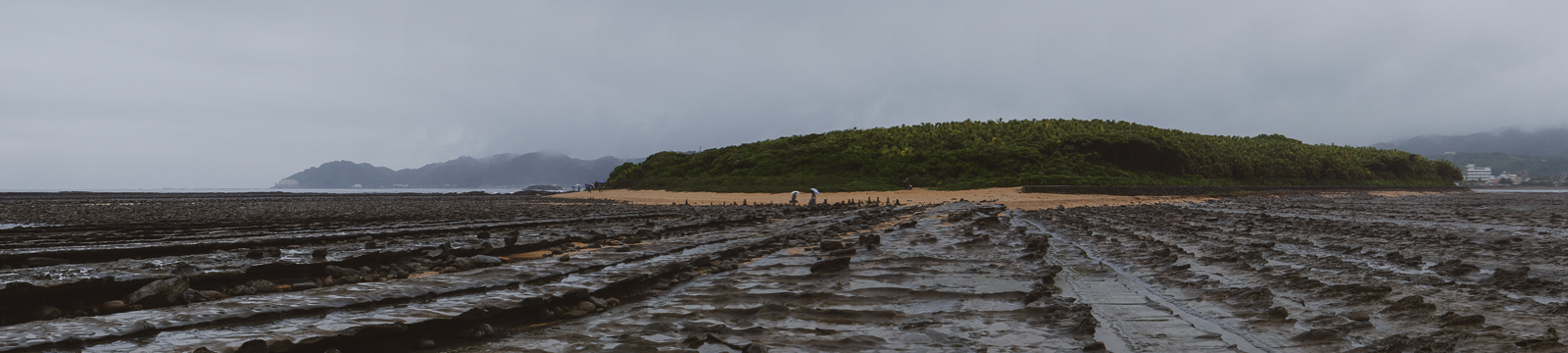
The real spectacle, though, is the surrounding coastline. Aoshima is encircled by a geological phenomenon called the Devil’s Washboard (Oni no Sentakuita): 8 km of perfectly straight, layered rock formations that look exactly like a giant, petrified washboard.
It was formed by the erosion of alternating layers of hard sandstone and soft mudstone that piled up over 7 million years ago. The hard sandstone resisted erosion better, creating the parallel ridges that resemble an old-fashioned washboard.
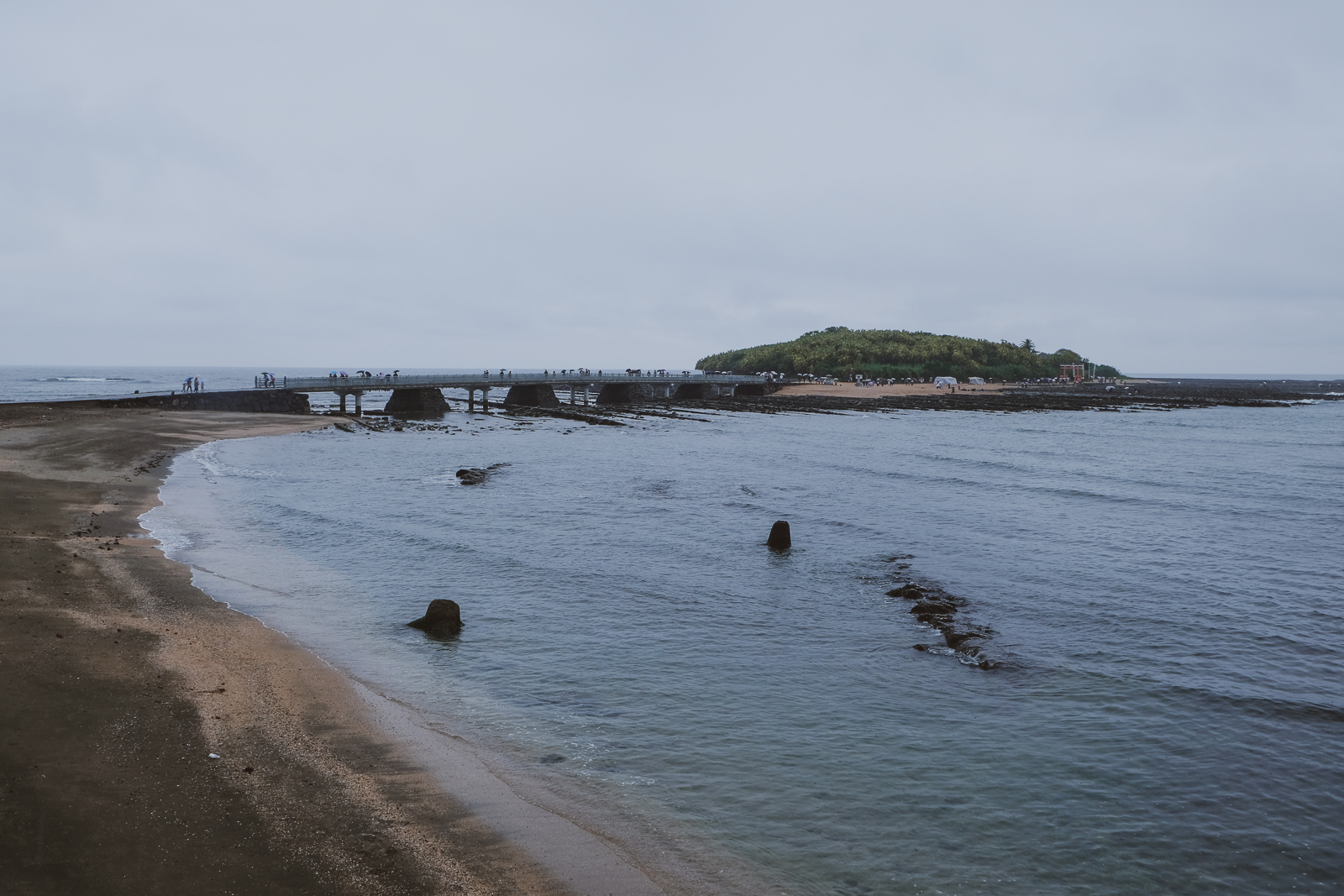
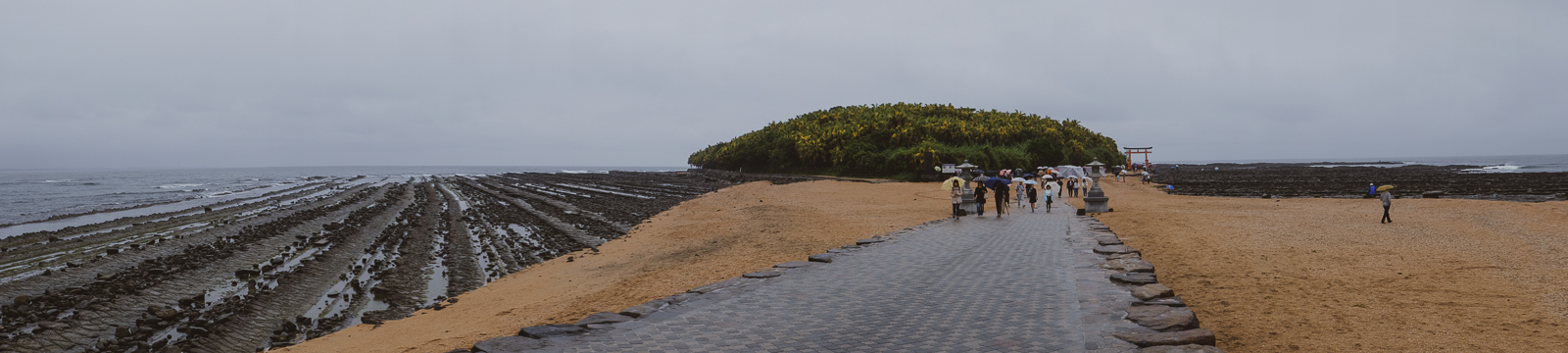
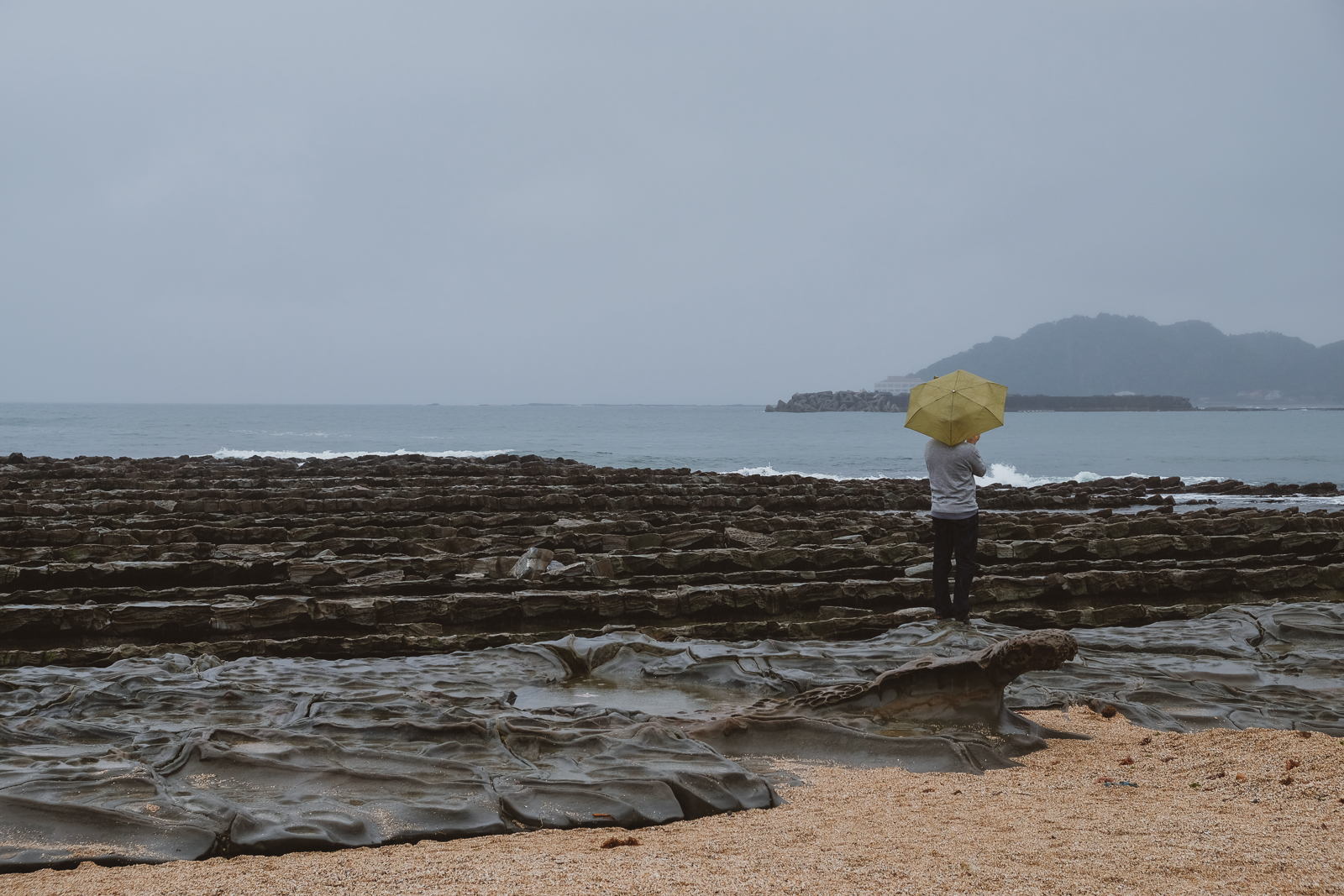
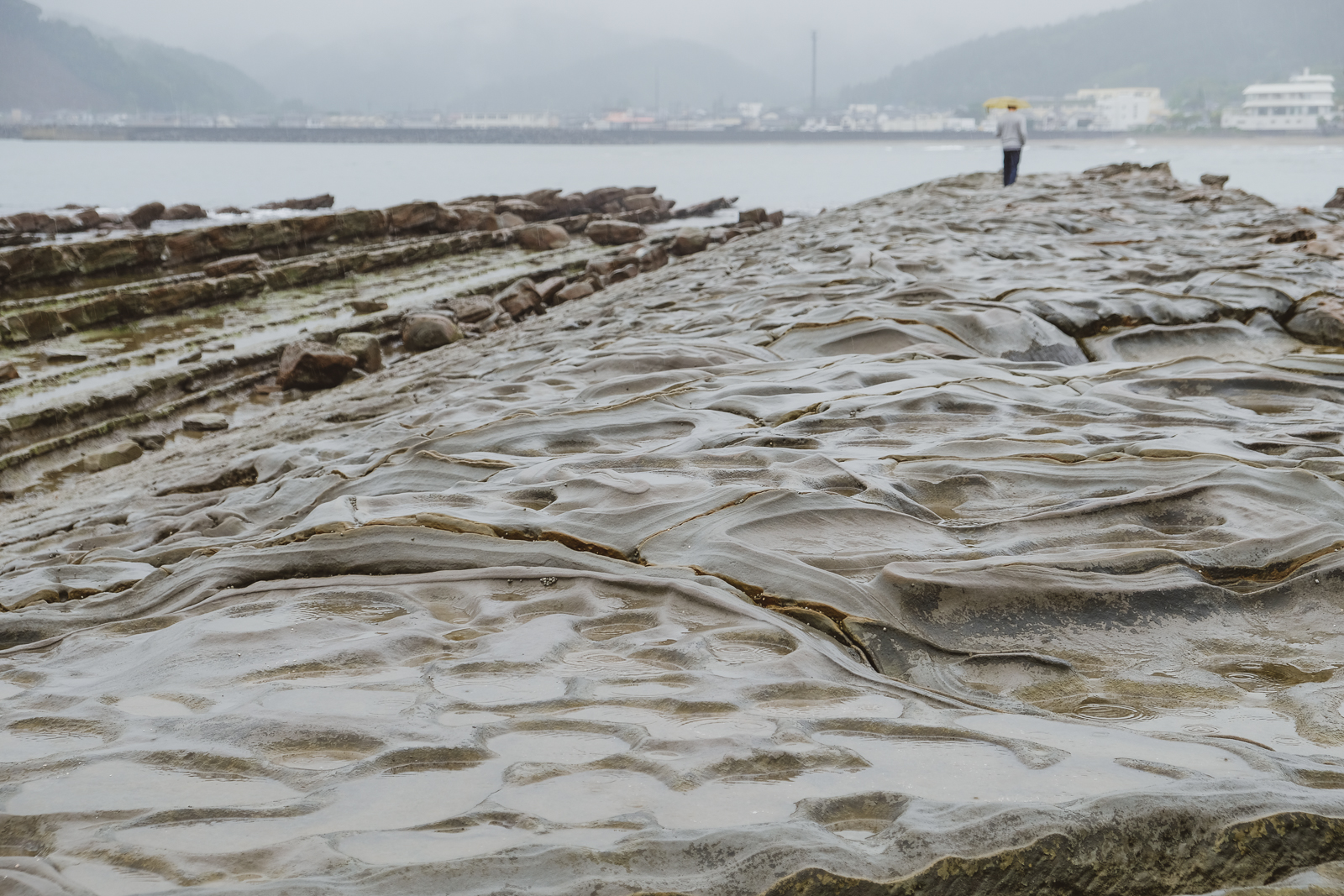
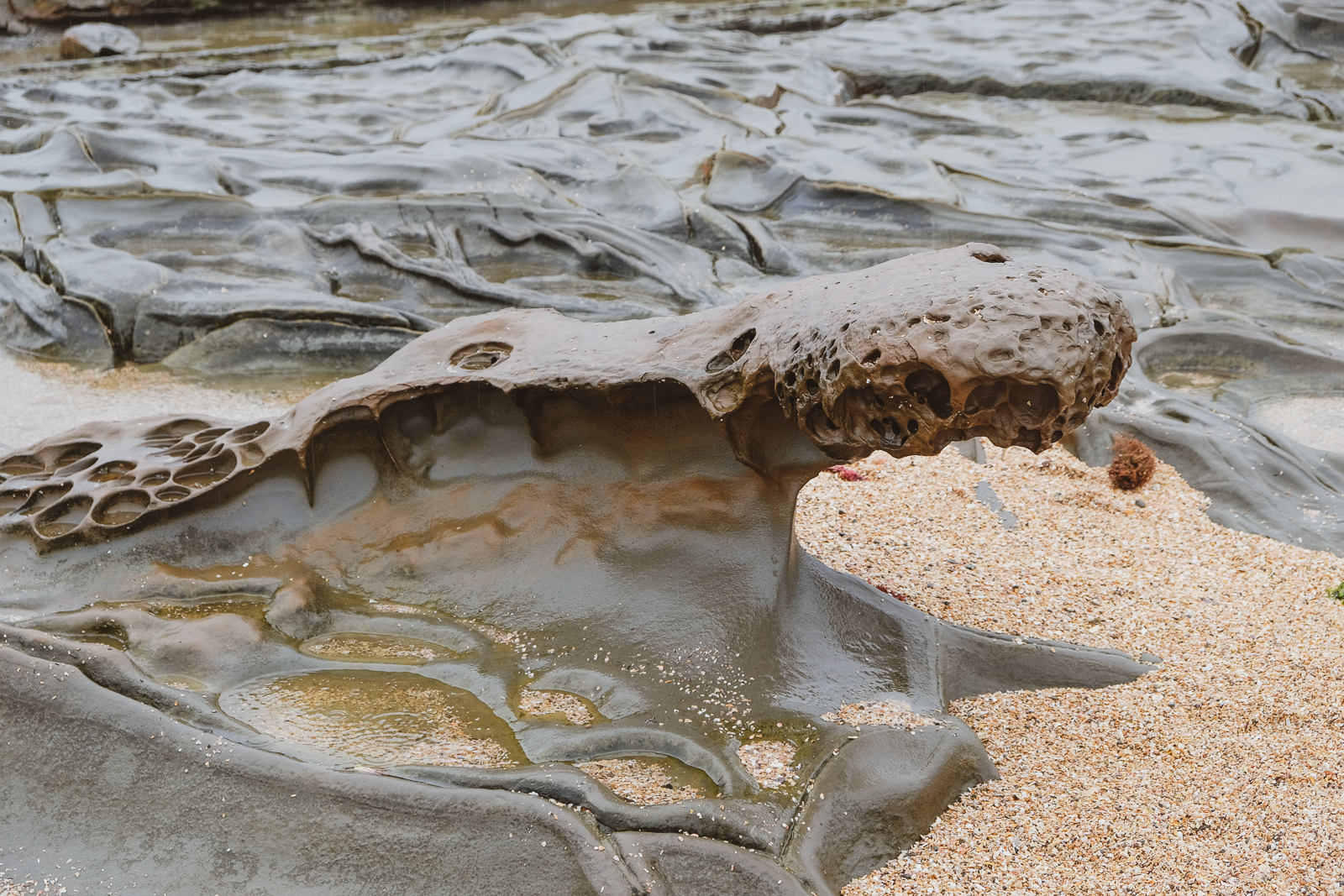
🕙 Best Time to View: The rock formations are most visible and dramatic at low tide, which is when rock pools form and you can get the best sense of the washboard’s scale.
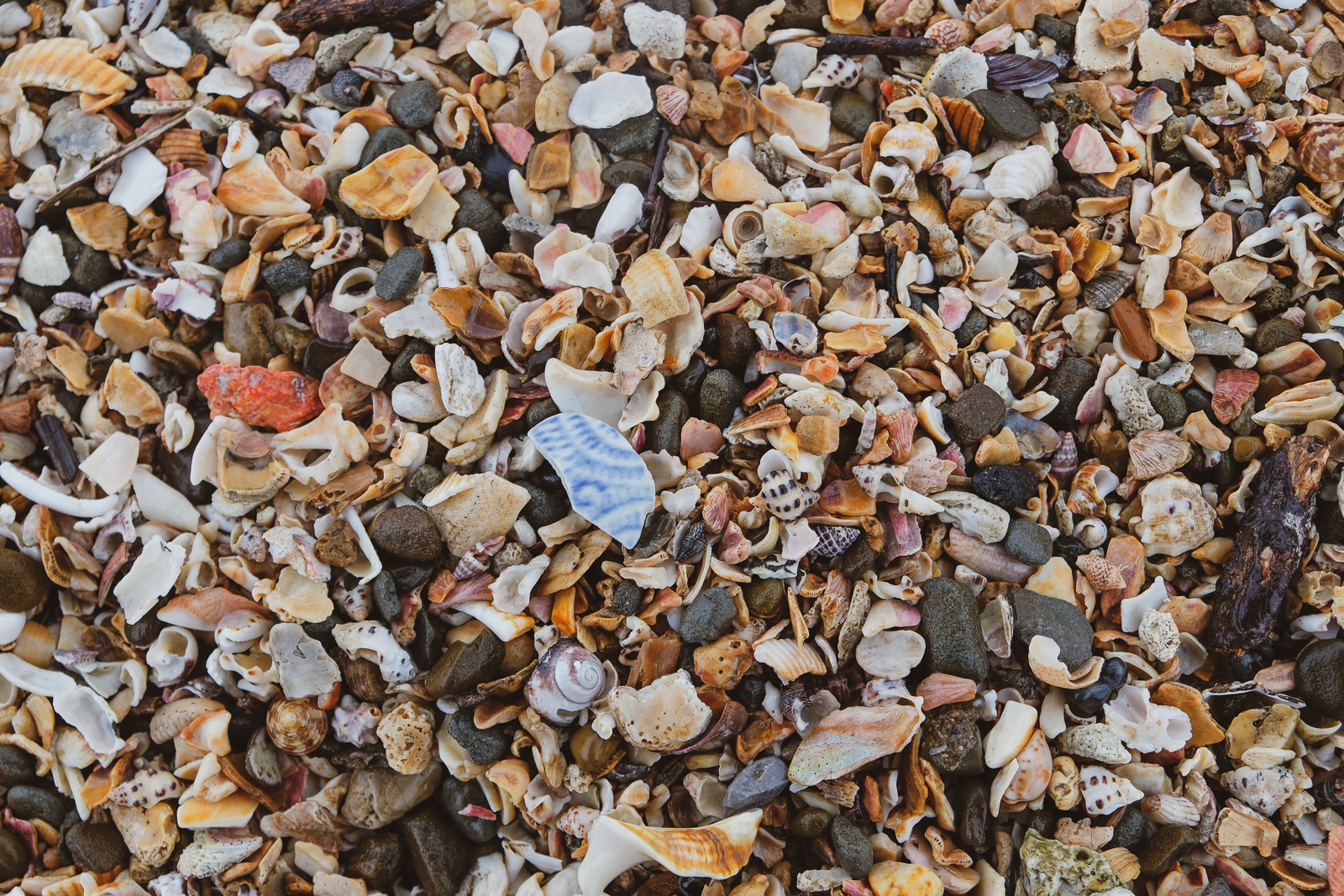
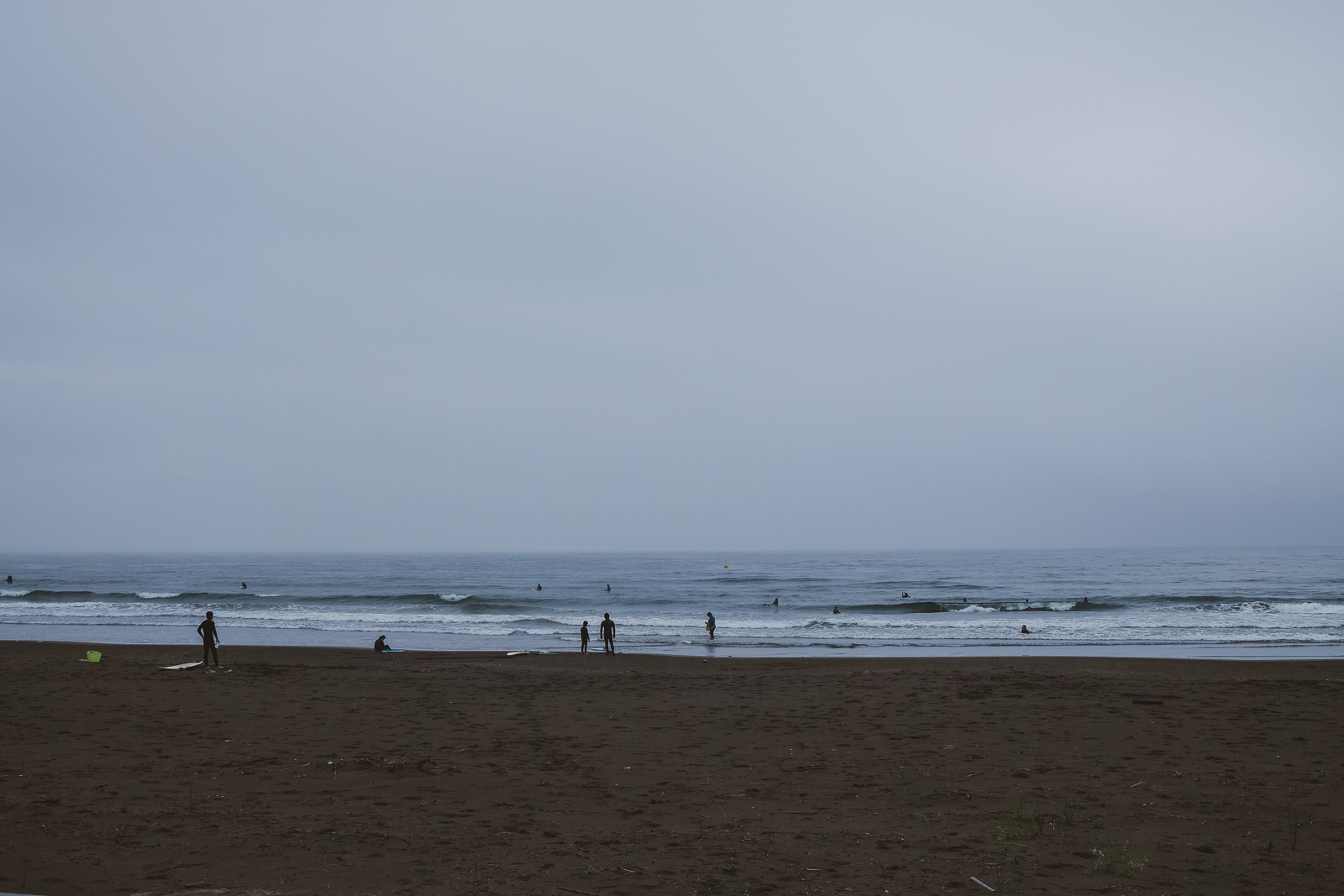
We took precarious, slippery steps on the sandstone to hunt for shells, but eventually decided the beach, made mostly of shells and ceramic pieces, was a safer, easier trek! Even with the dreary weather, surfers were out catching waves.
Afternoon: Obi Castle Town, the “Kyoto of Miyazaki”
After checking into our hotel and having a quick lunch in Miyazaki City, we continued south for about an hour to Obi Town (飫肥城下町). We hadn’t known much about it, so it was a fantastic surprise to discover a charming, perfectly preserved samurai village!
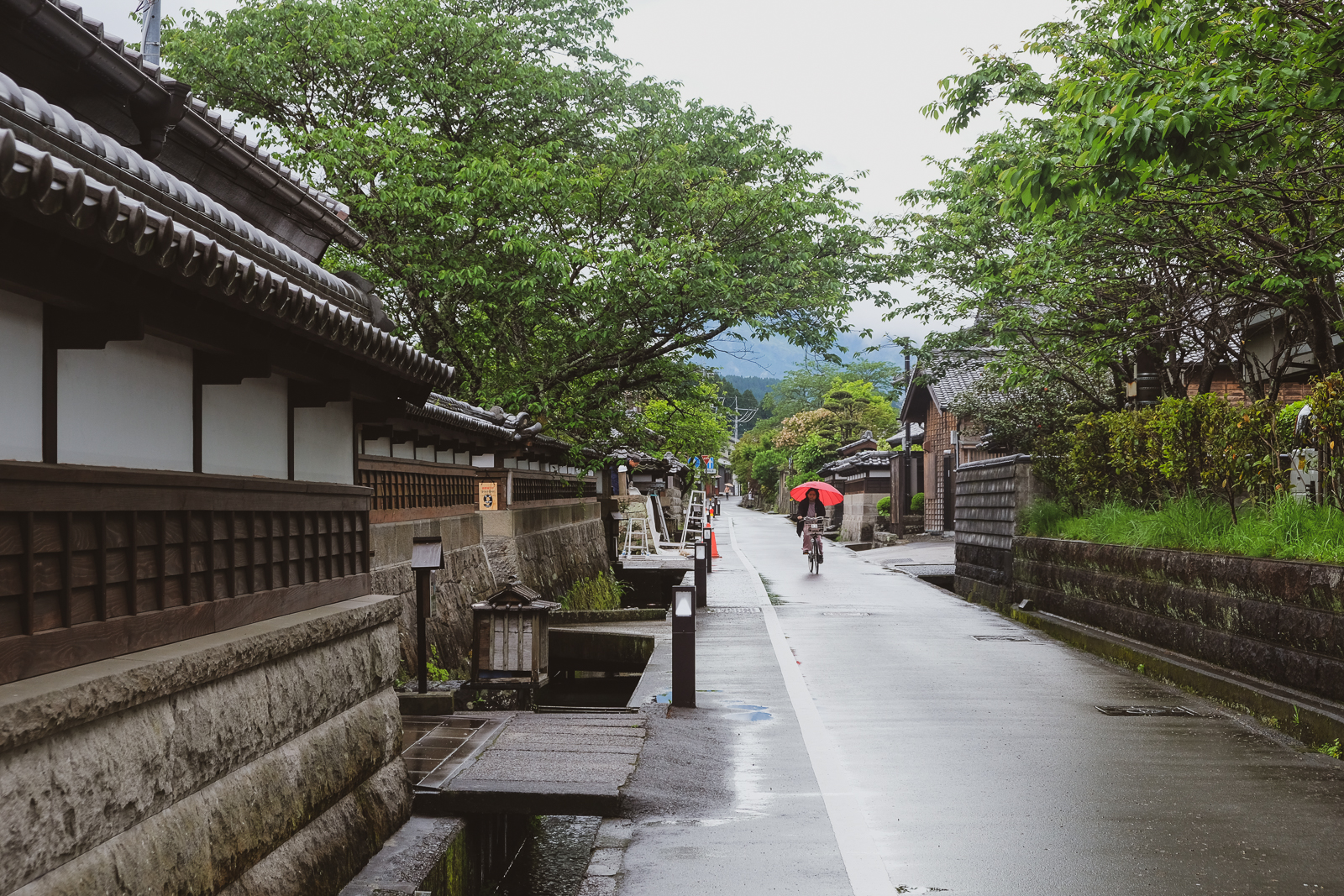
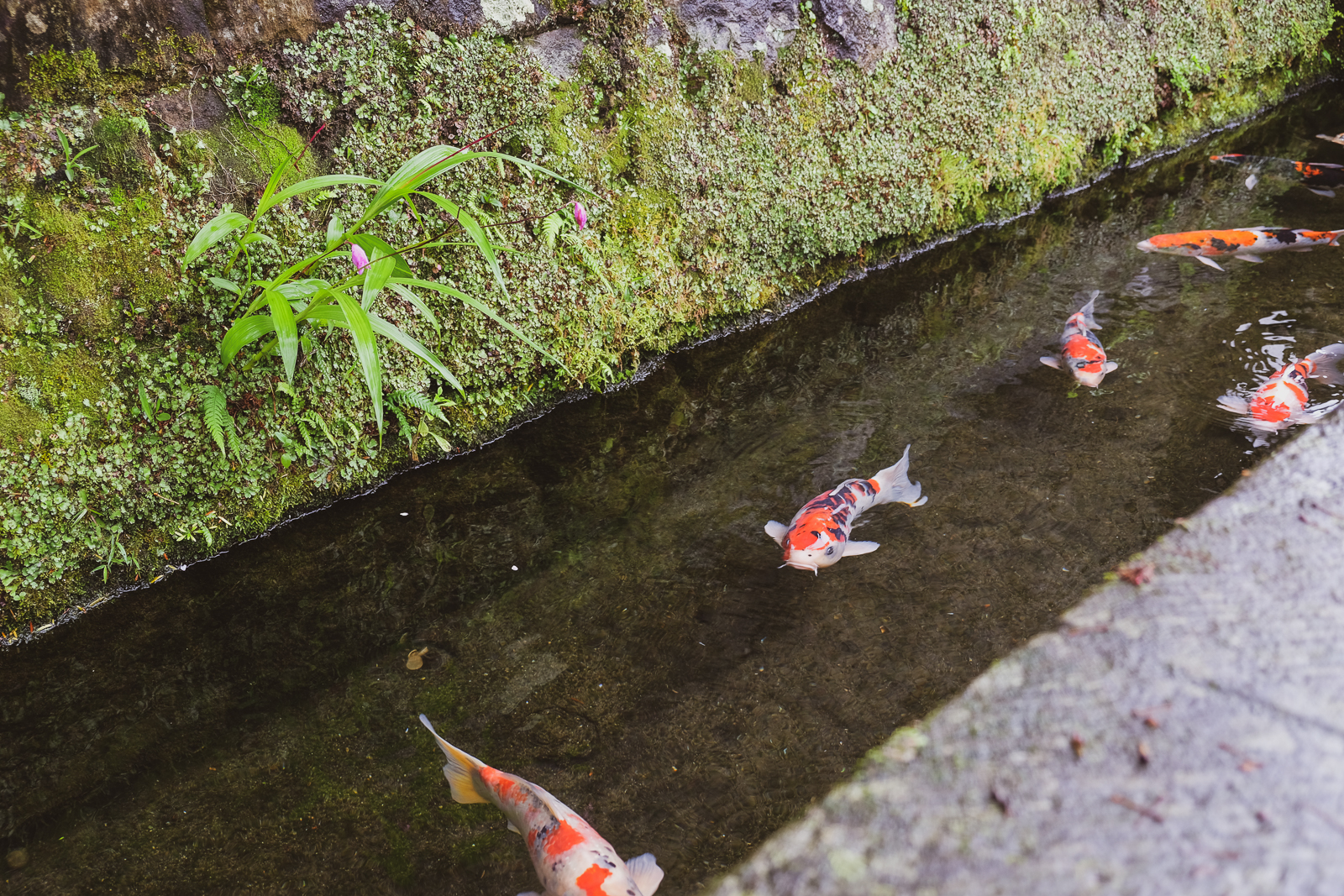
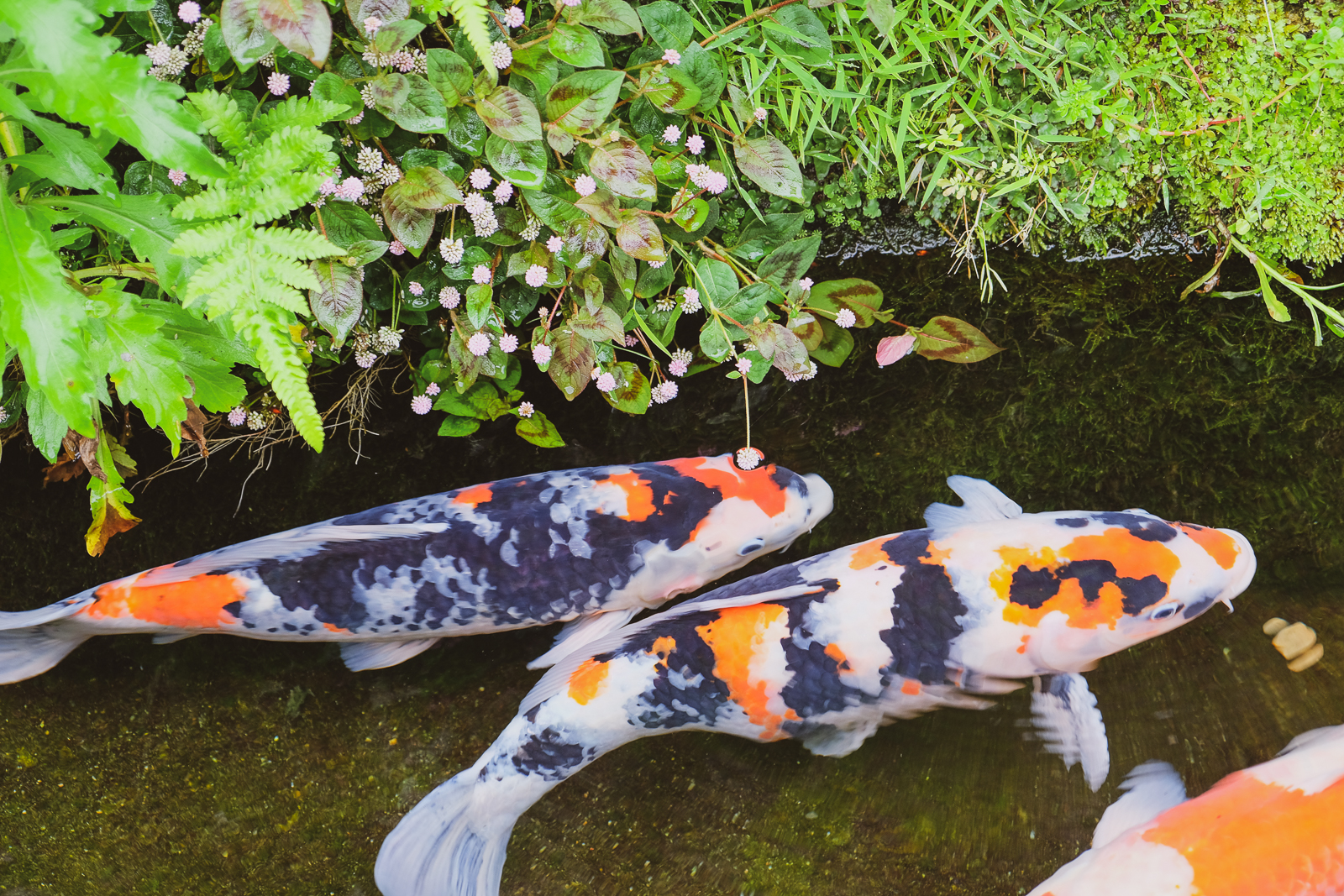
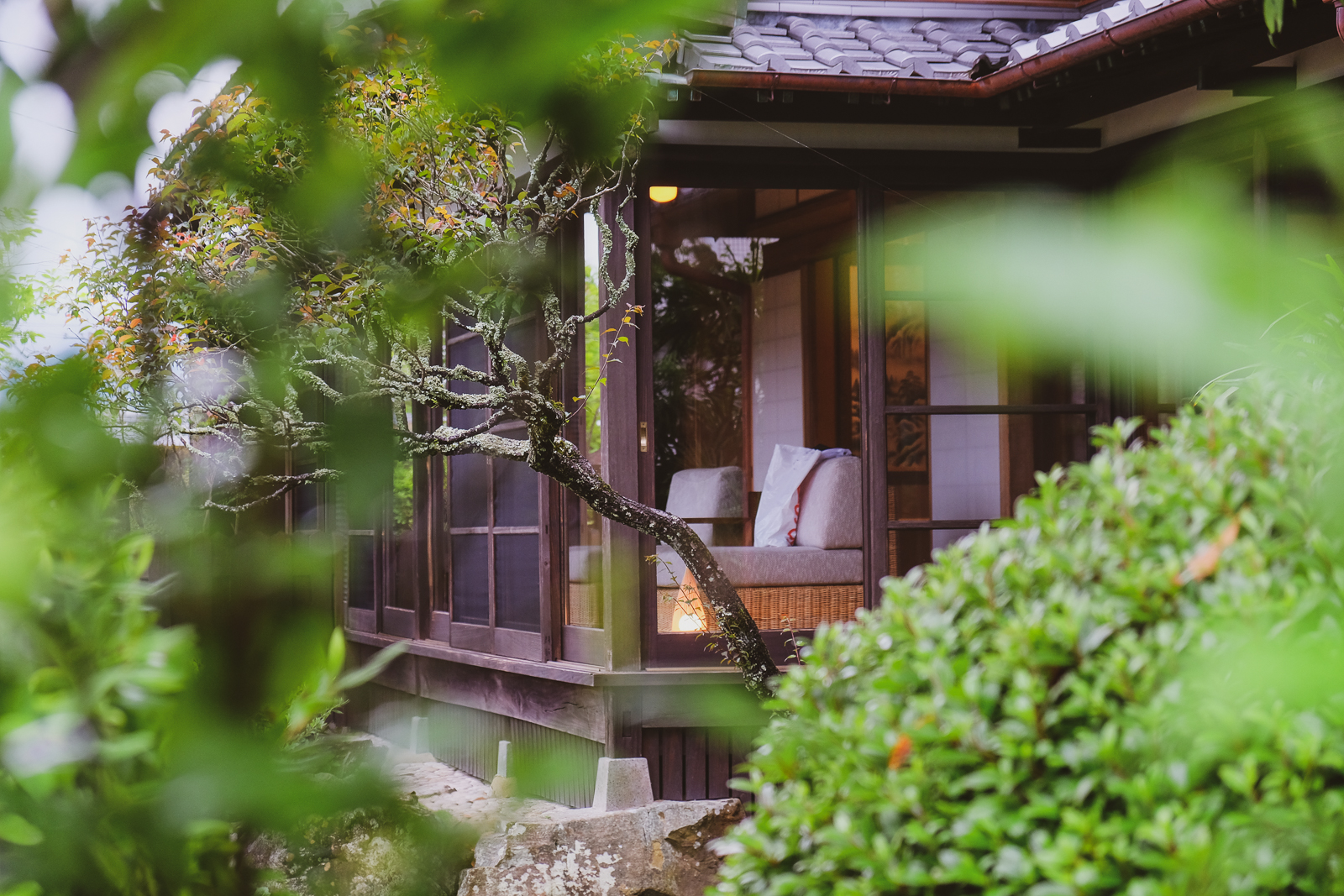
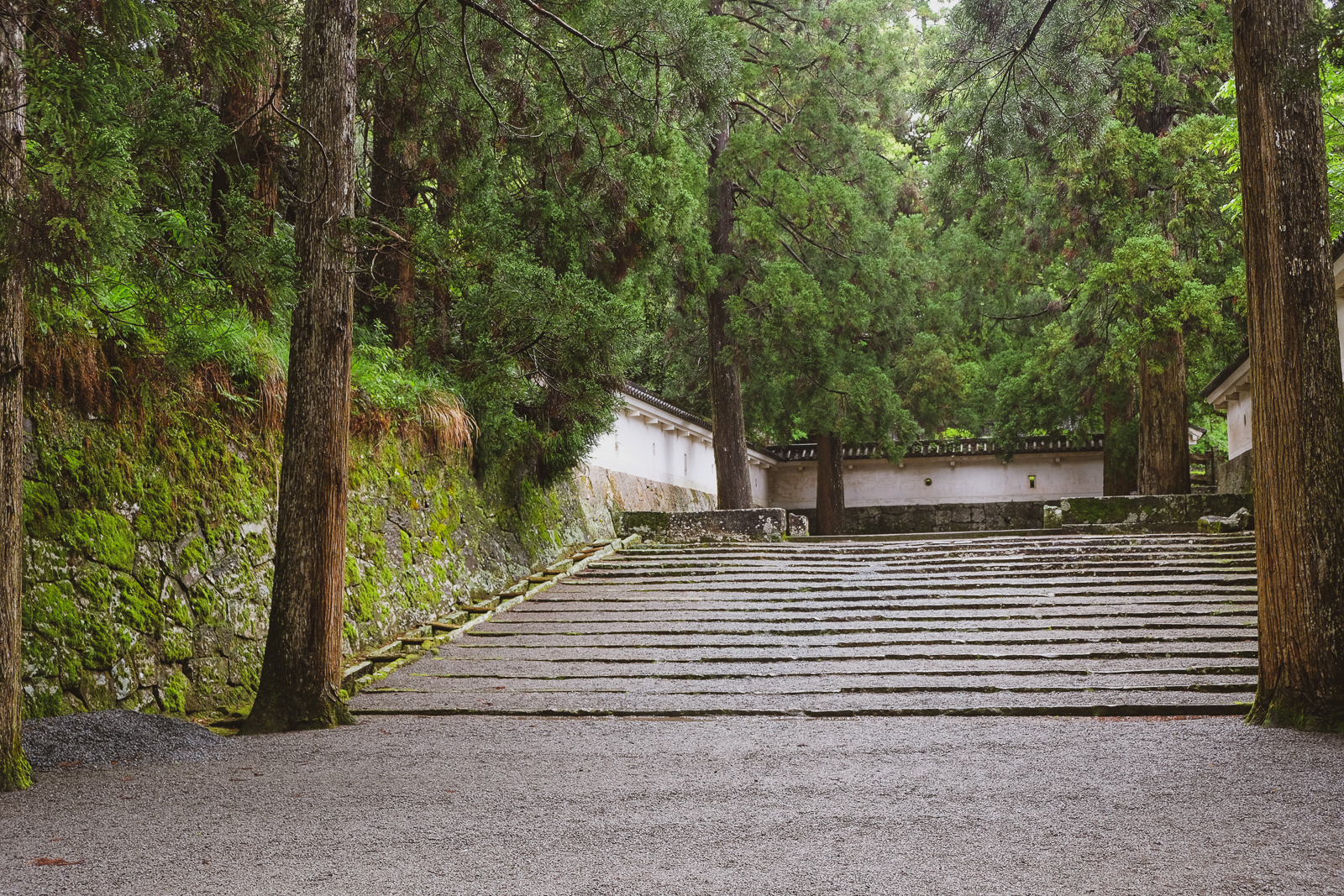
This “Kyoto of Miyazaki” earned this nickname for its beautifully preserved samurai residences, white-walled streets, and historical ambiance from the Edo Period (1603–1867). The traditional Japanese buildings, from samurai houses to merchant properties, are impeccably kept, and the waterways are full of swimming carp.
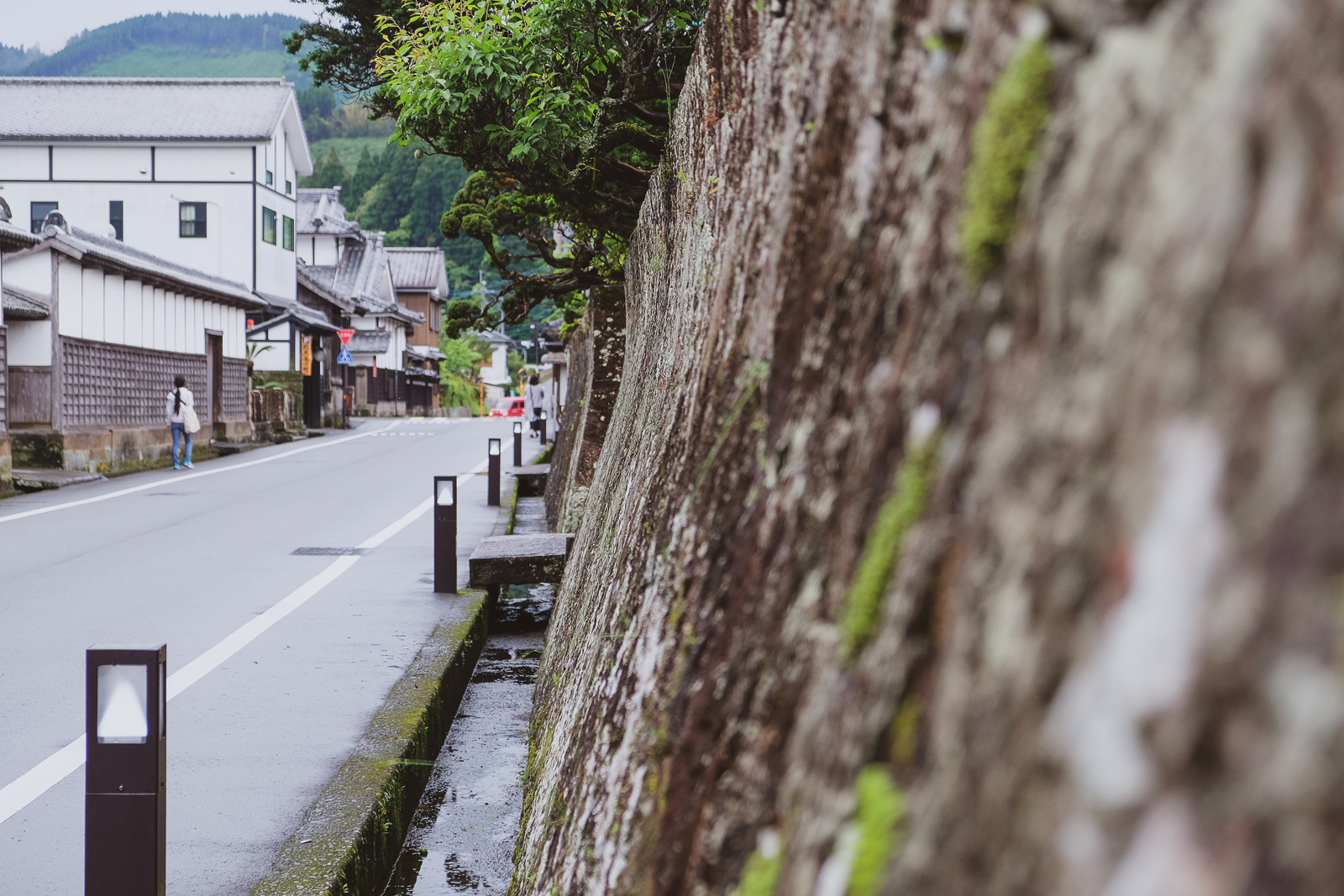
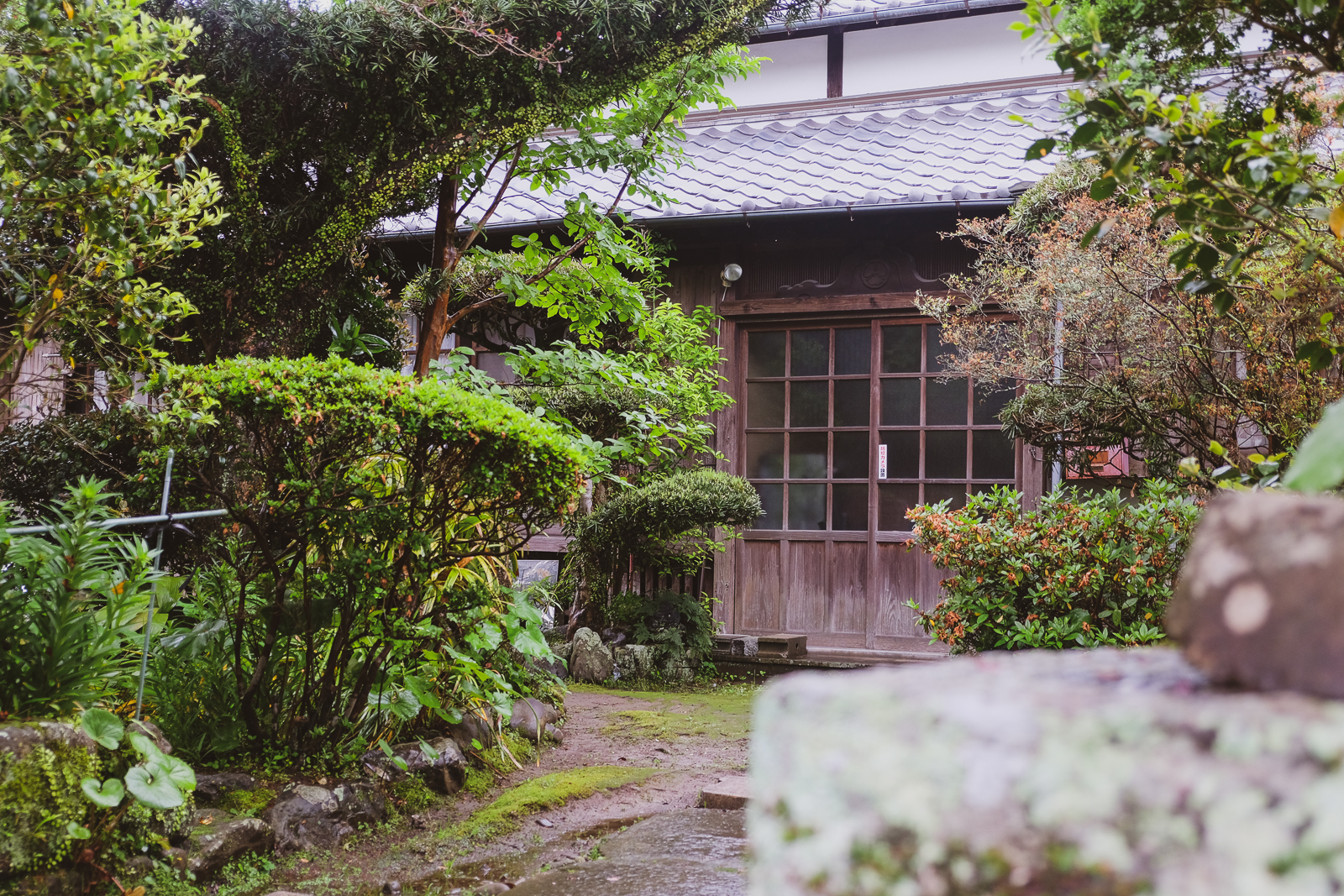
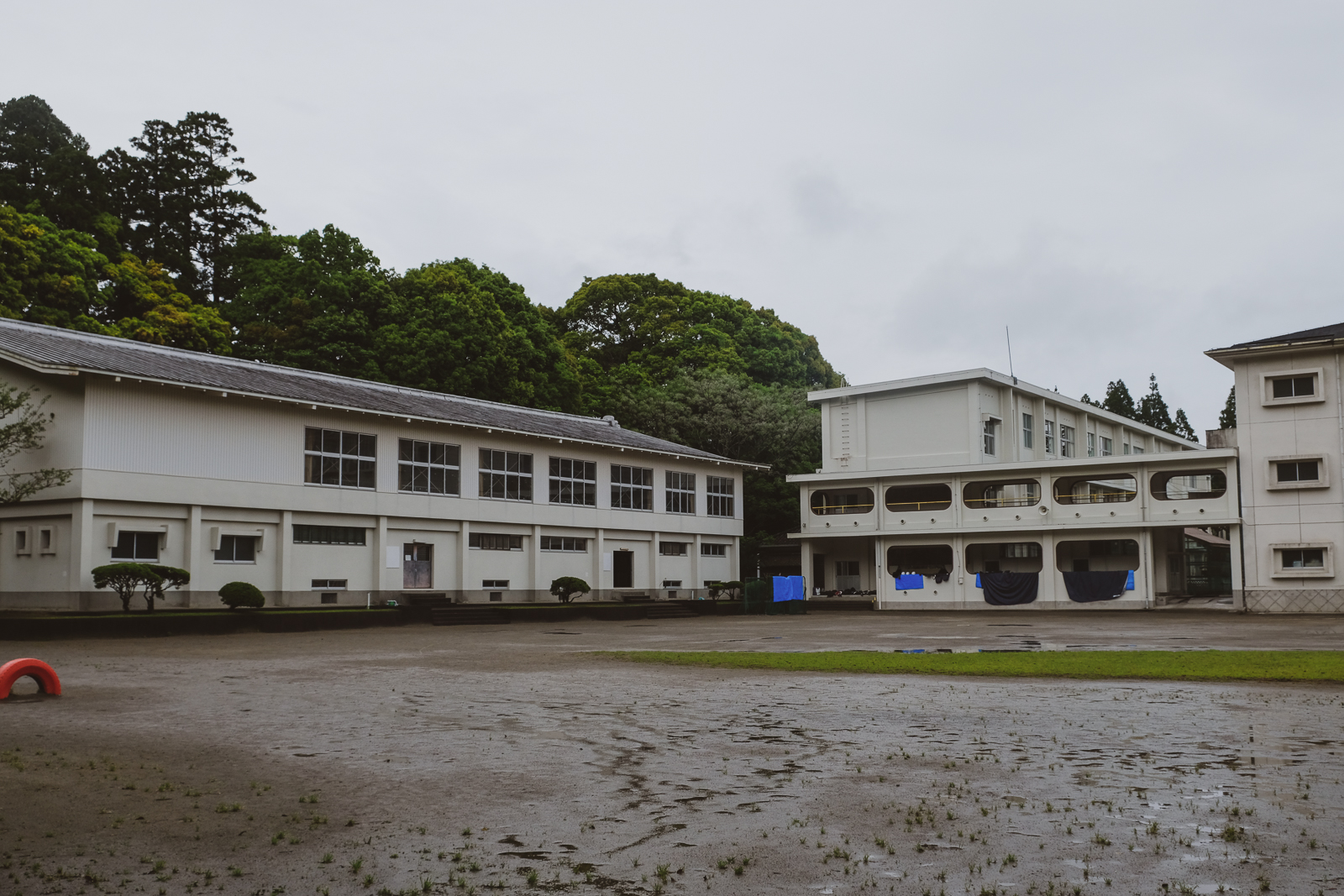
While the original castle is long gone, the main grounds of the Obi Castle Ruins now house an elementary school. It was a beautiful experience seeing this historic site still full of life and kids when we passed by.
🏯 Fast Facts about Obi Castle Town
The prominent samurai family, the Obi clan, ruled over Obi domain for over 14 generations, from 1588 until the end of the feudal era, famously battling the powerful Shimazu Clan of Kagoshima for control of the area.
The Ito Clan became quite wealthy due to the surrounding forests of Obi Cedar. This specific type of wood is light and malleable with a low density, making it an ideal, high-quality material for building traditional Japanese seafaring vessels and facilitating trade.
Today, the reconstruction of the castle’s main gate uses this traditional Obi cedar wood. The fact that an elementary school now sits on the old castle grounds highlights the town’s unique blend of history and contemporary daily life.
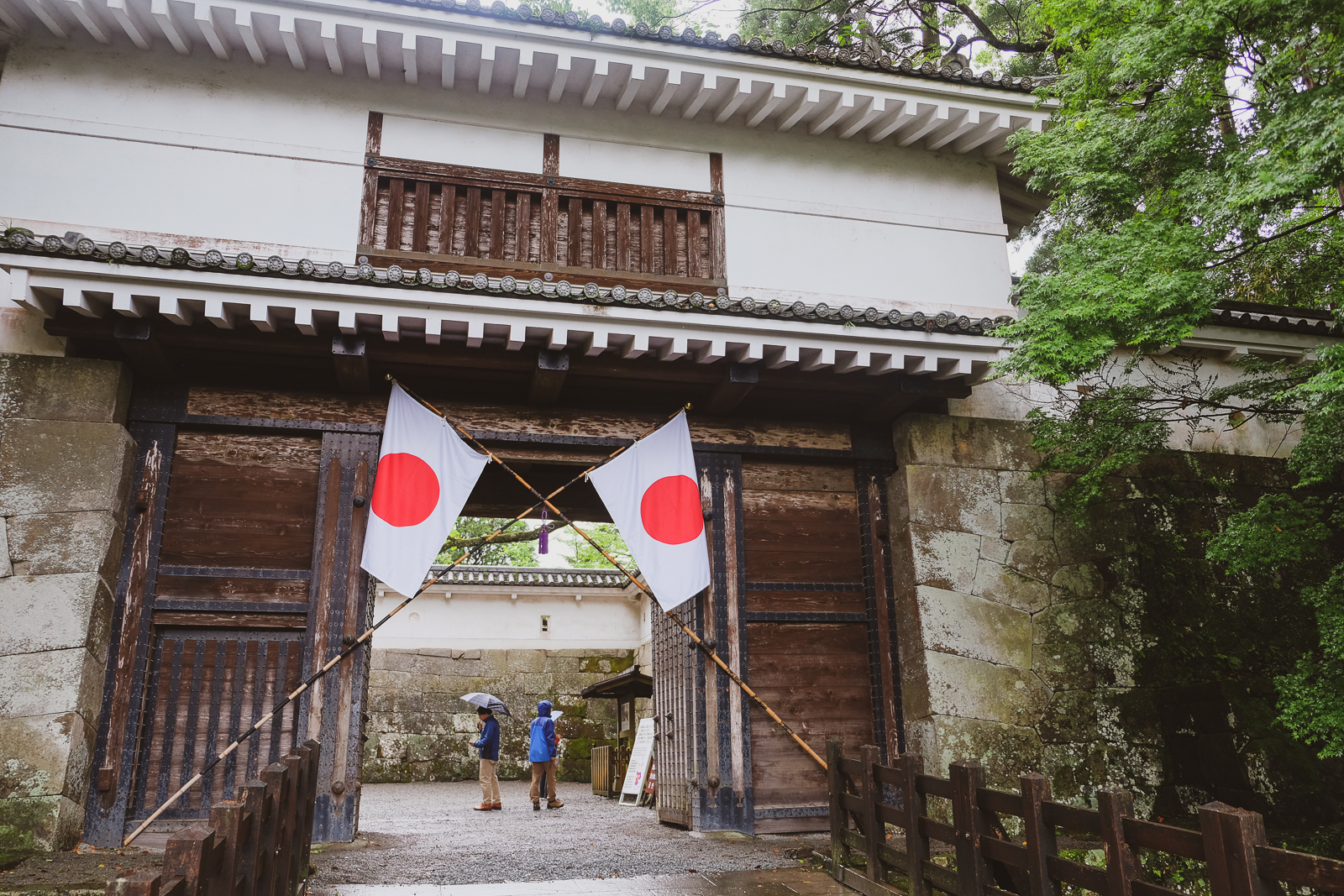
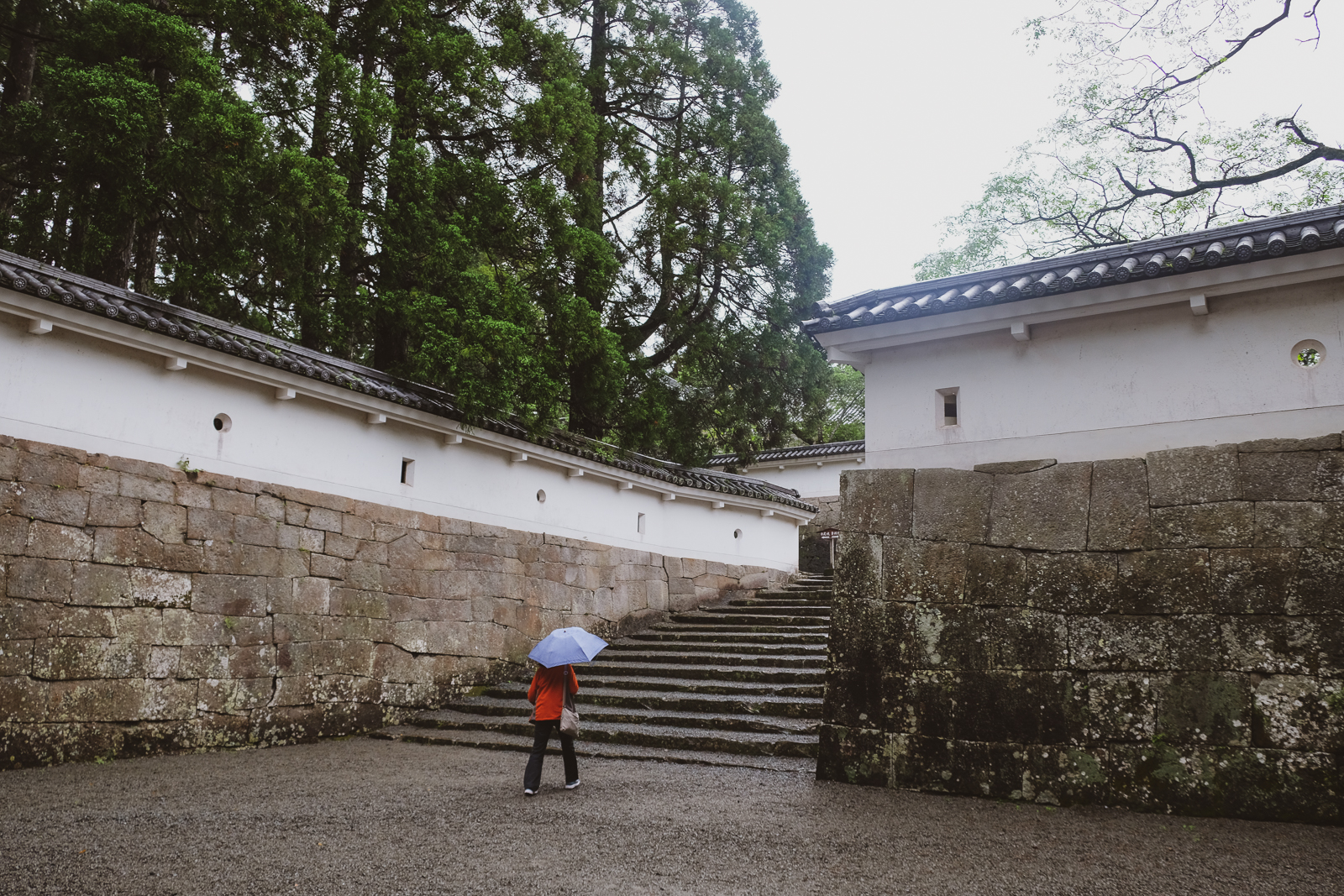
Evening: Miyazaki City Dinner
After a beautiful and full day, we headed back to central Miyazaki City to find dinner in the bustling night district, ready for another exciting day on the coast!
Day 2: Cliff-side Shrines and Wild Horse Encounters
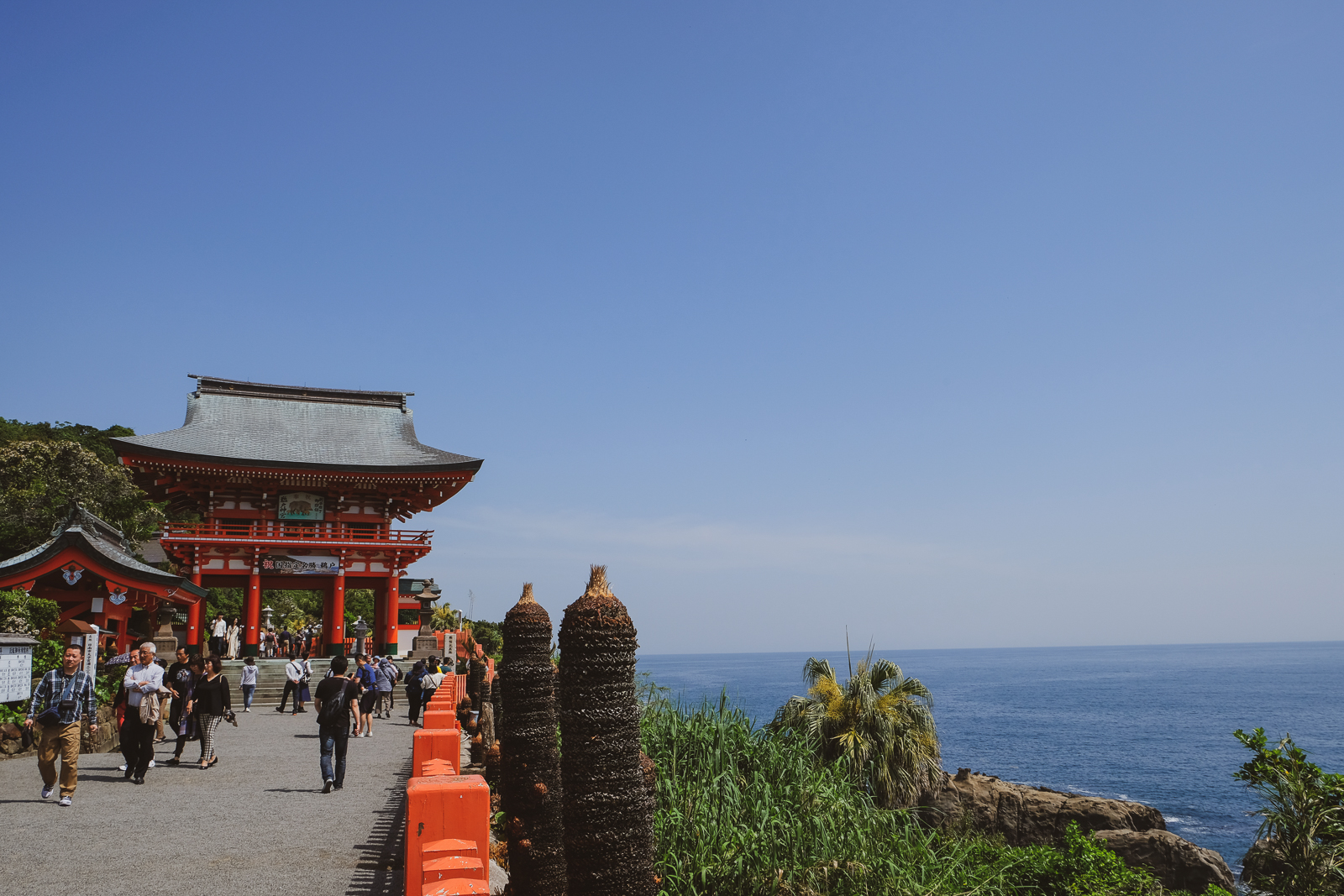
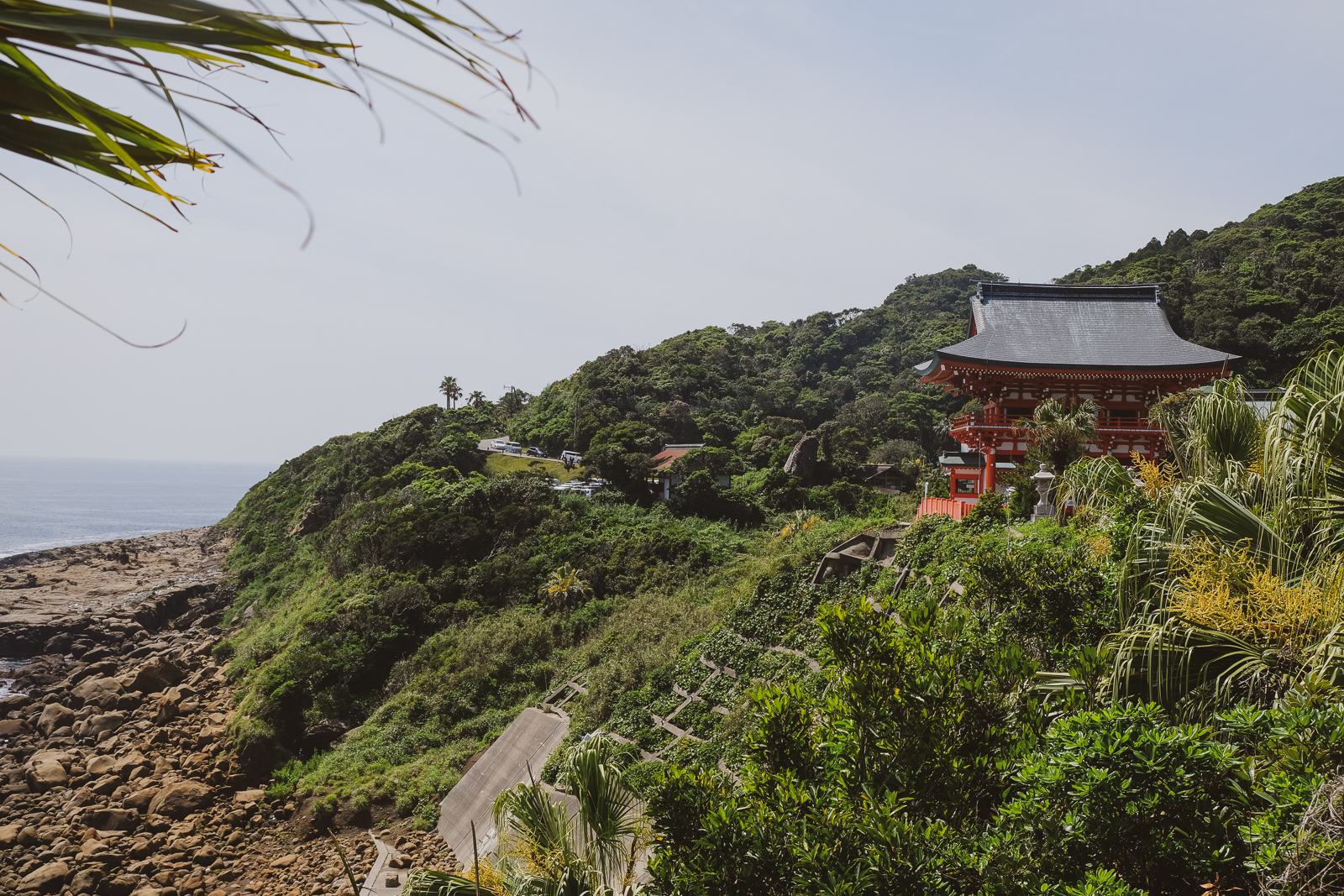
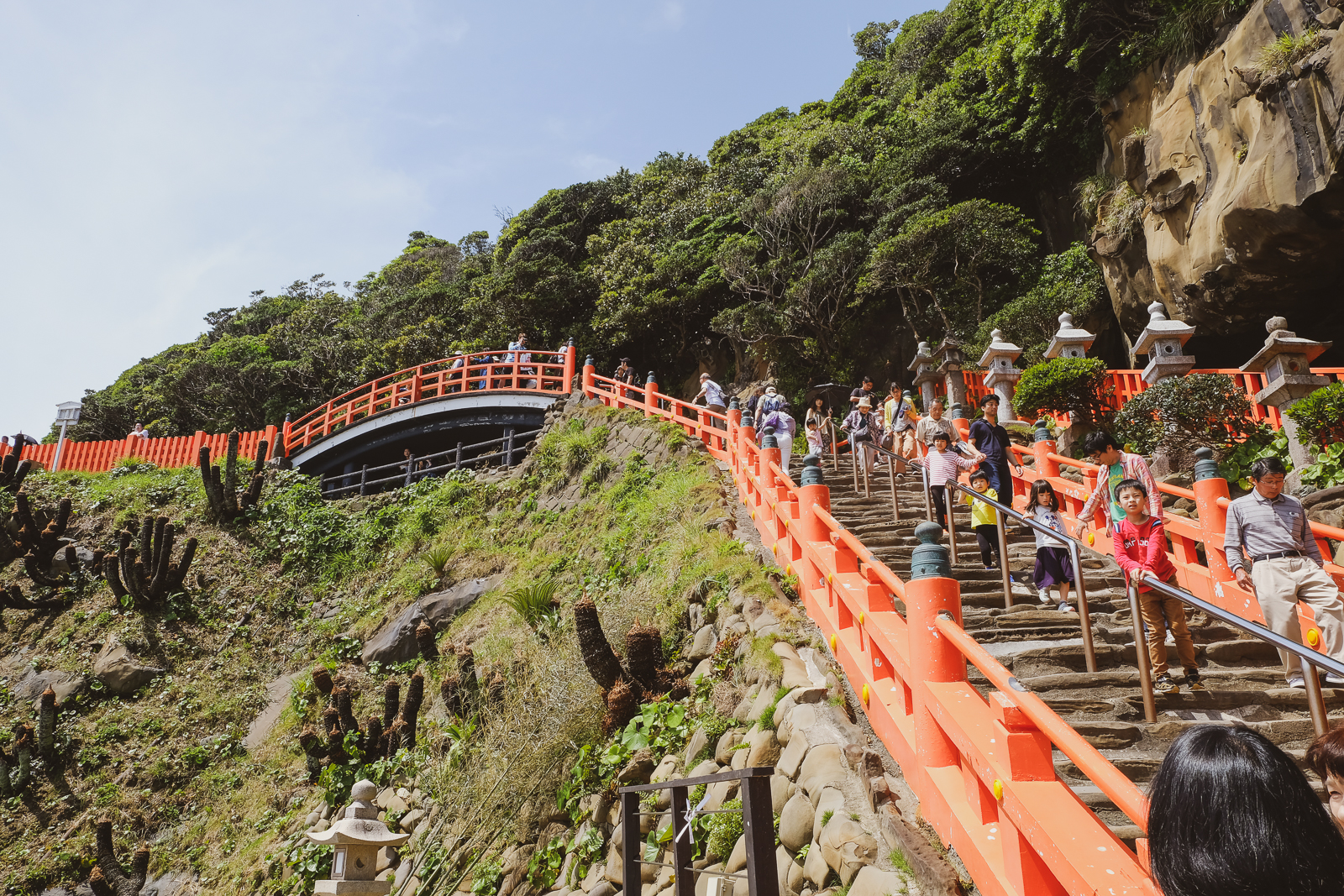
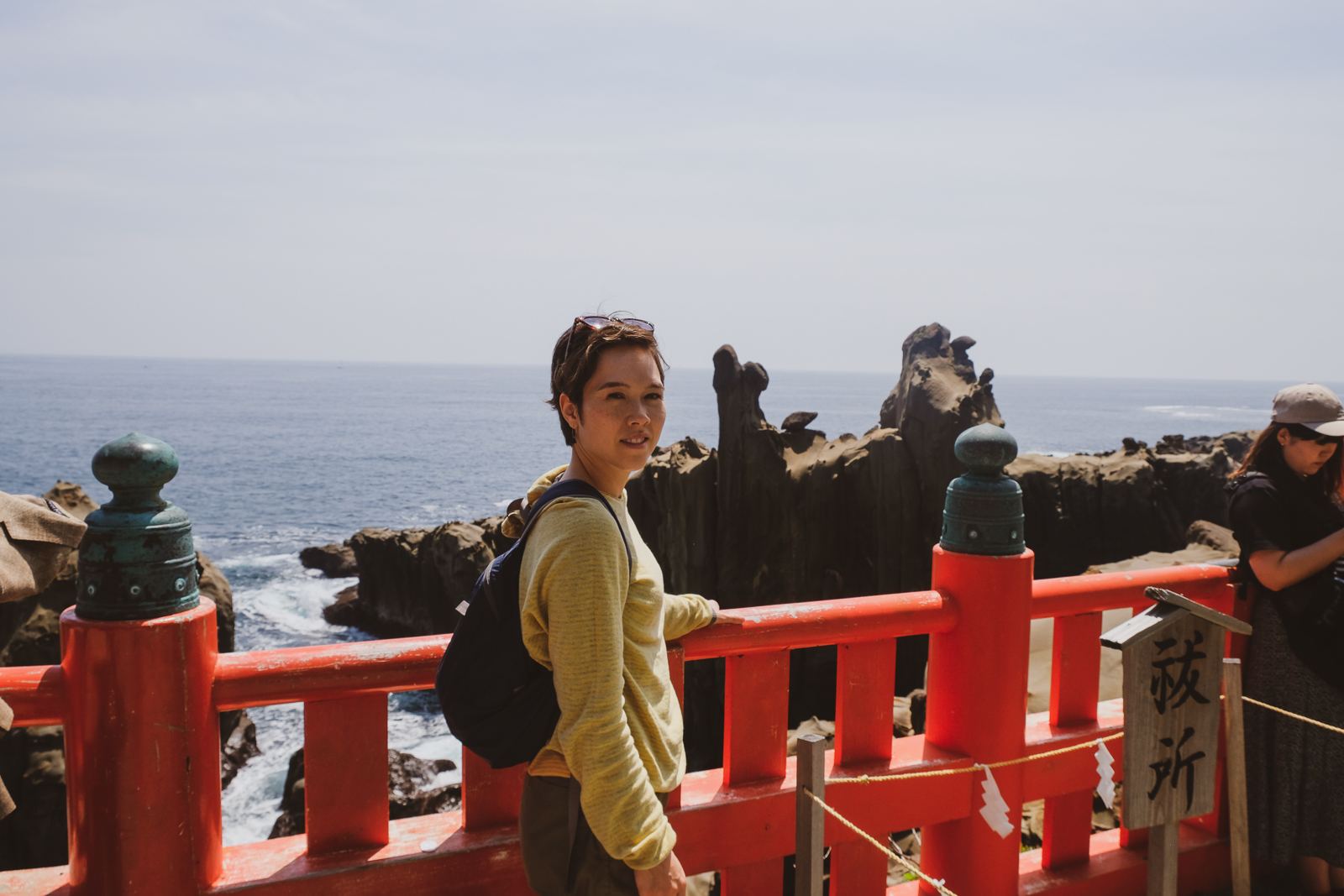
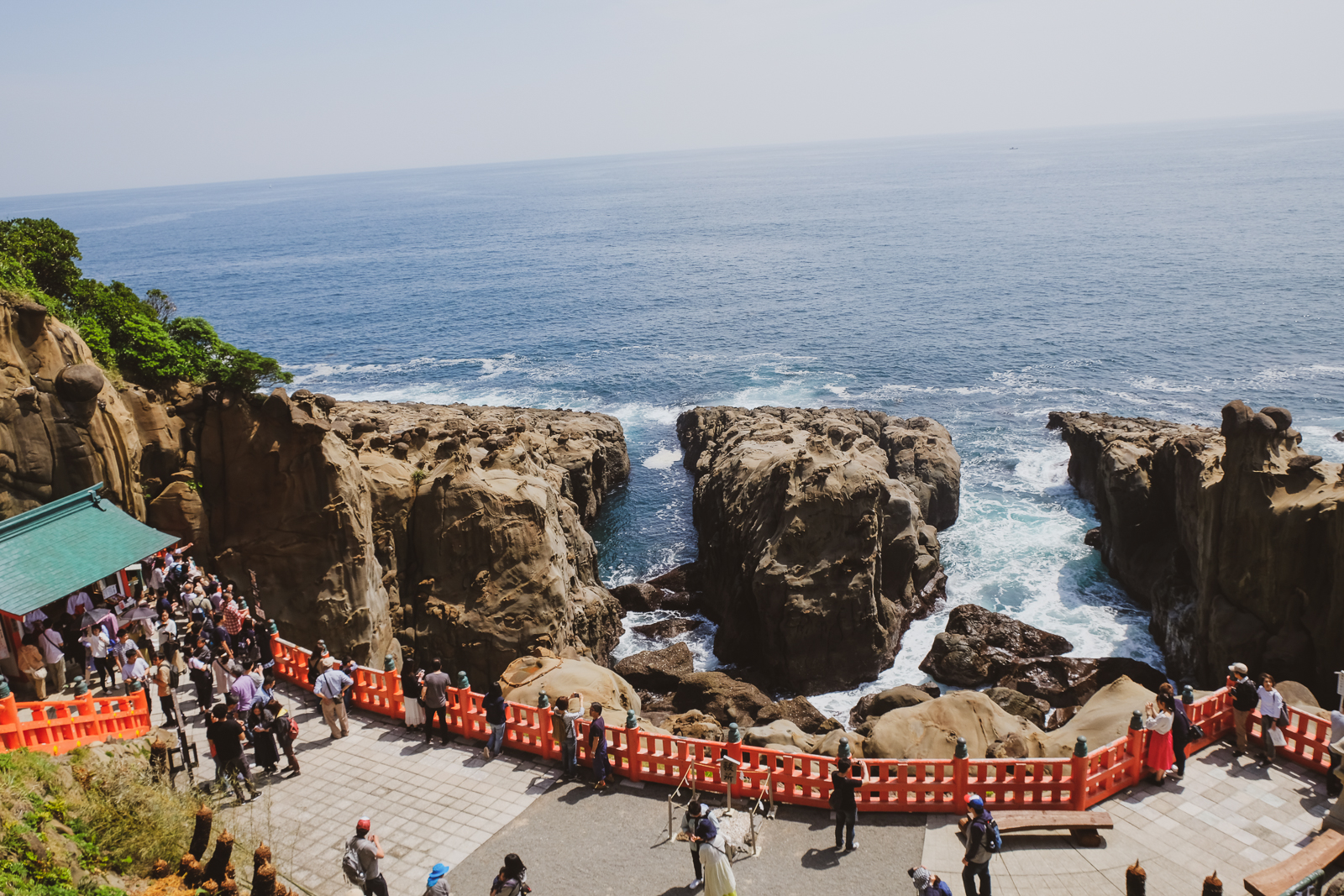
The second day brought intense, sudden heat—summer had arrived, and I instantly regretted my pants and long-sleeved shirt! Our first destination was Udo-Jingu (鵜戸神宮), a brilliantly painted shrine perched in a cave on the cliffs overlooking the vast Pacific Ocean.
Morning: The Bright Red Udo-Jingu
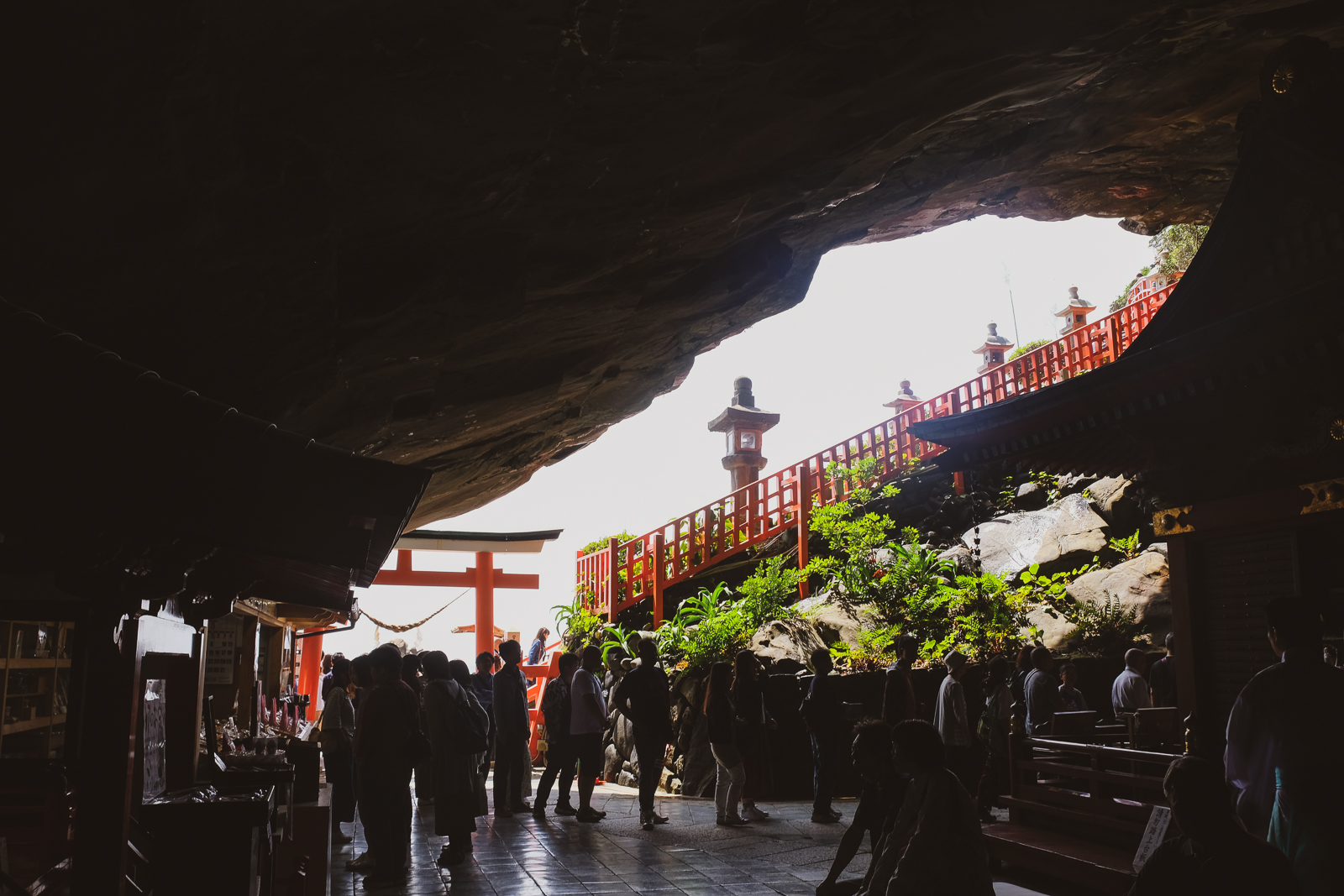
Udo-Jingu is highly significant in Japanese mythology as the alleged birthplace of Ugayafukiaezu-no-Mikoto, the father of Emperor Jimmu, Japan’s mythical first emperor. The shrine is built inside a cave because, according to legend, Ugayafukiaezu’s mother, the sea goddess Toyotamahime, used the cave to build a birthing hut made from cormorant feathers. She made her husband promise not to look at her while she assumed her true form to give birth. When he broke the promise, she fled back to the sea in shame, leaving her son behind.
Inside the cave are two breast-shaped rocks (or ochichi iwa). Legend says the goddess caused milk to flow from these stones to nourish her abandoned baby. Today, the mineral-laden water that drips from them is collected, and shrine visitors often purchase a sweet rice taffy (mizuame) made using this “blessed” water, believed to be beneficial for fertility, safe childbirth, and nursing mothers.
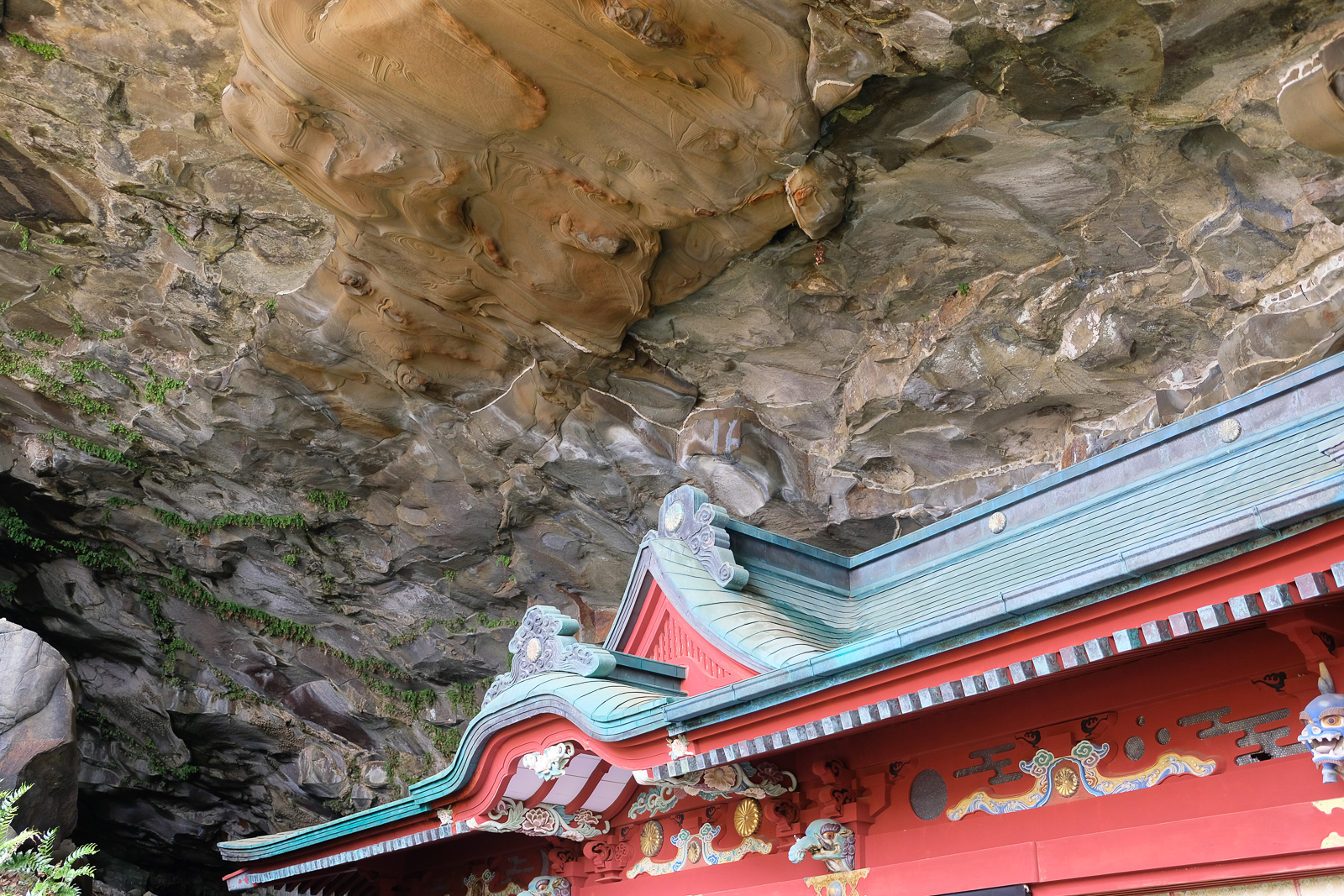
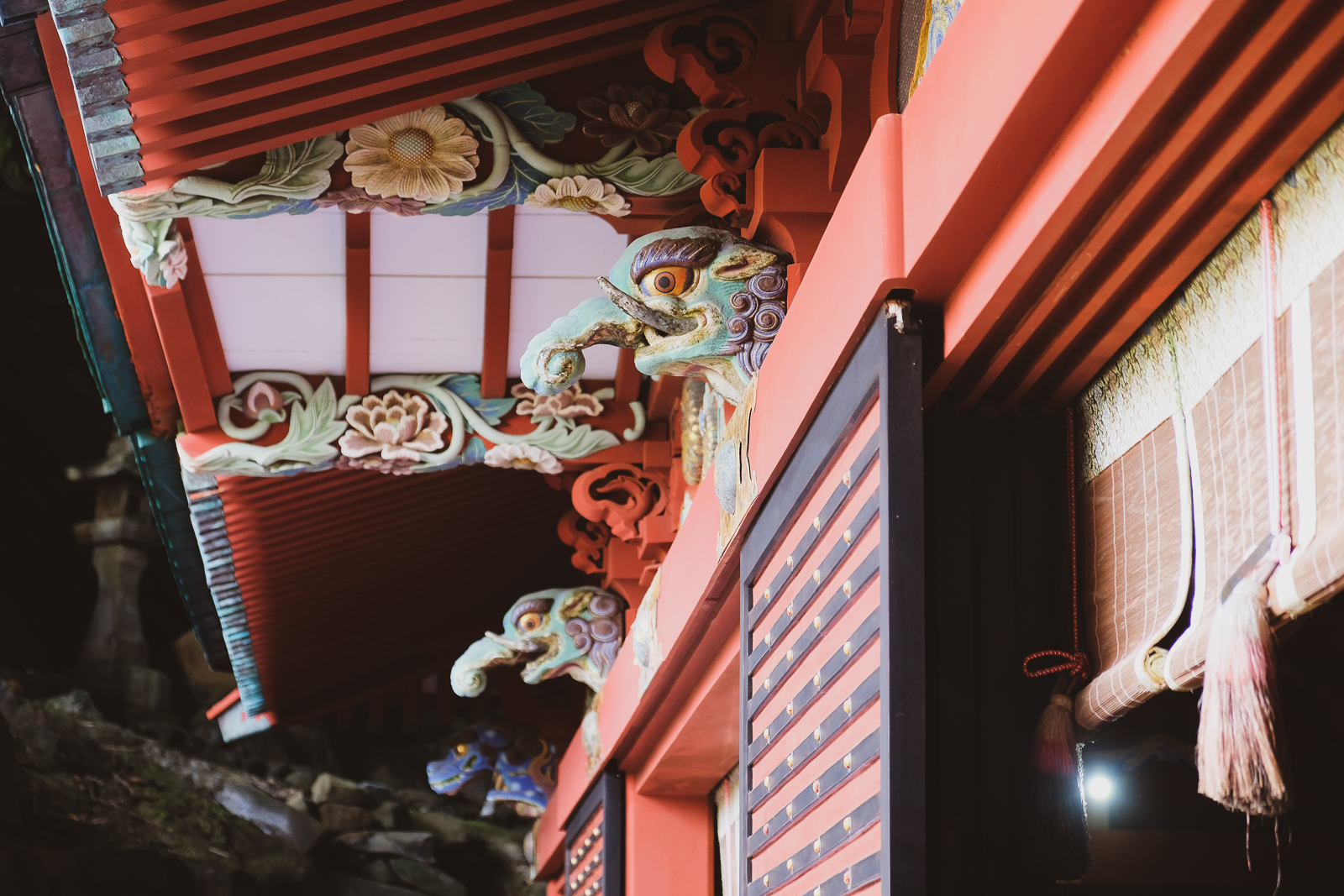
The bright red paint of the shrine against the deep blue horizon and the cascading cliffs below made for a stunning, popular tourist destination. The views walking down the path to the shrine are just as spectacular as the shrine itself.
🤾 Undama Toss: The popular activity we tried—throwing clay balls (undama) onto a rock below for good luck—is a fun tradition for visitors.
Afternoon: The Wild Horses of Cape Toi
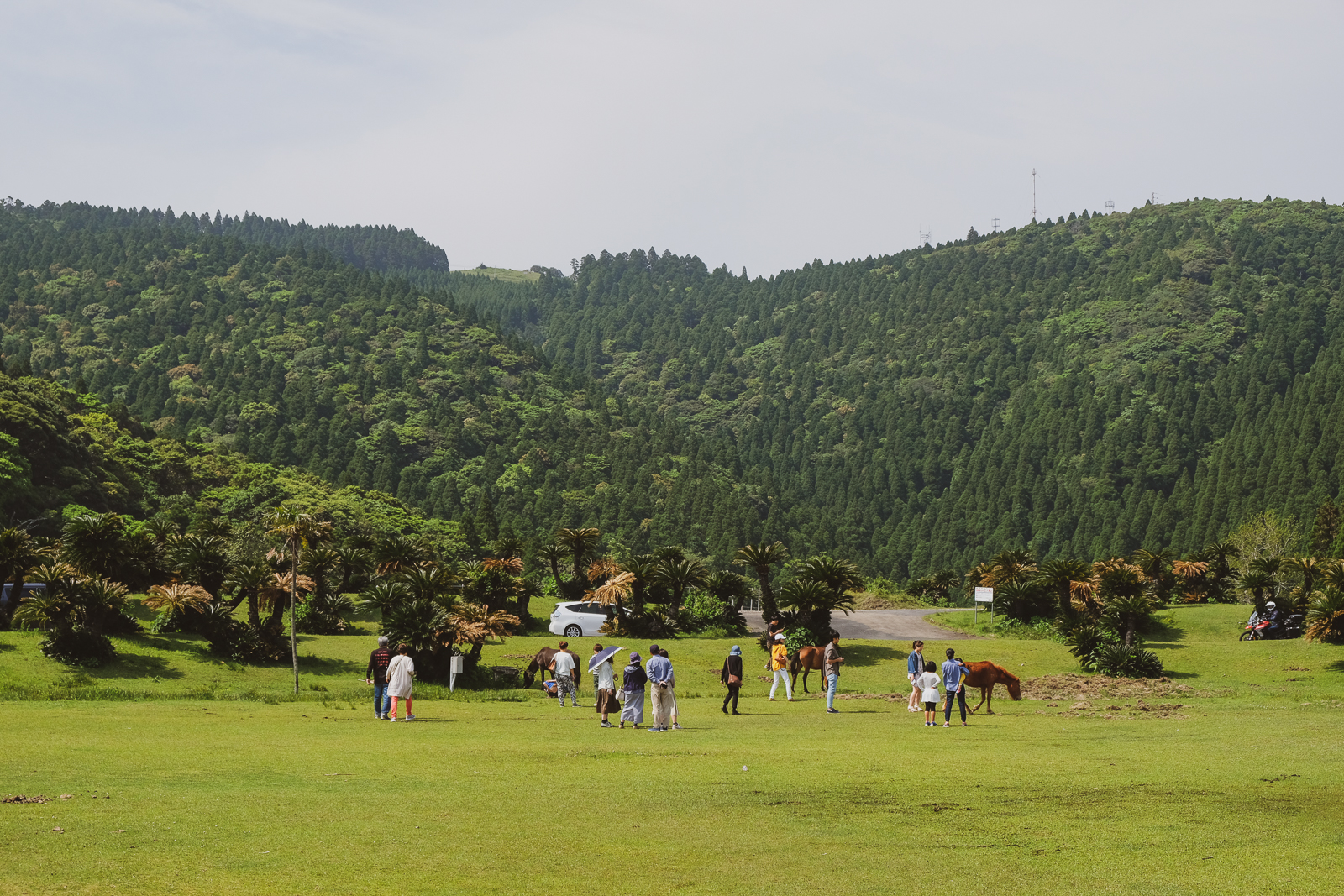
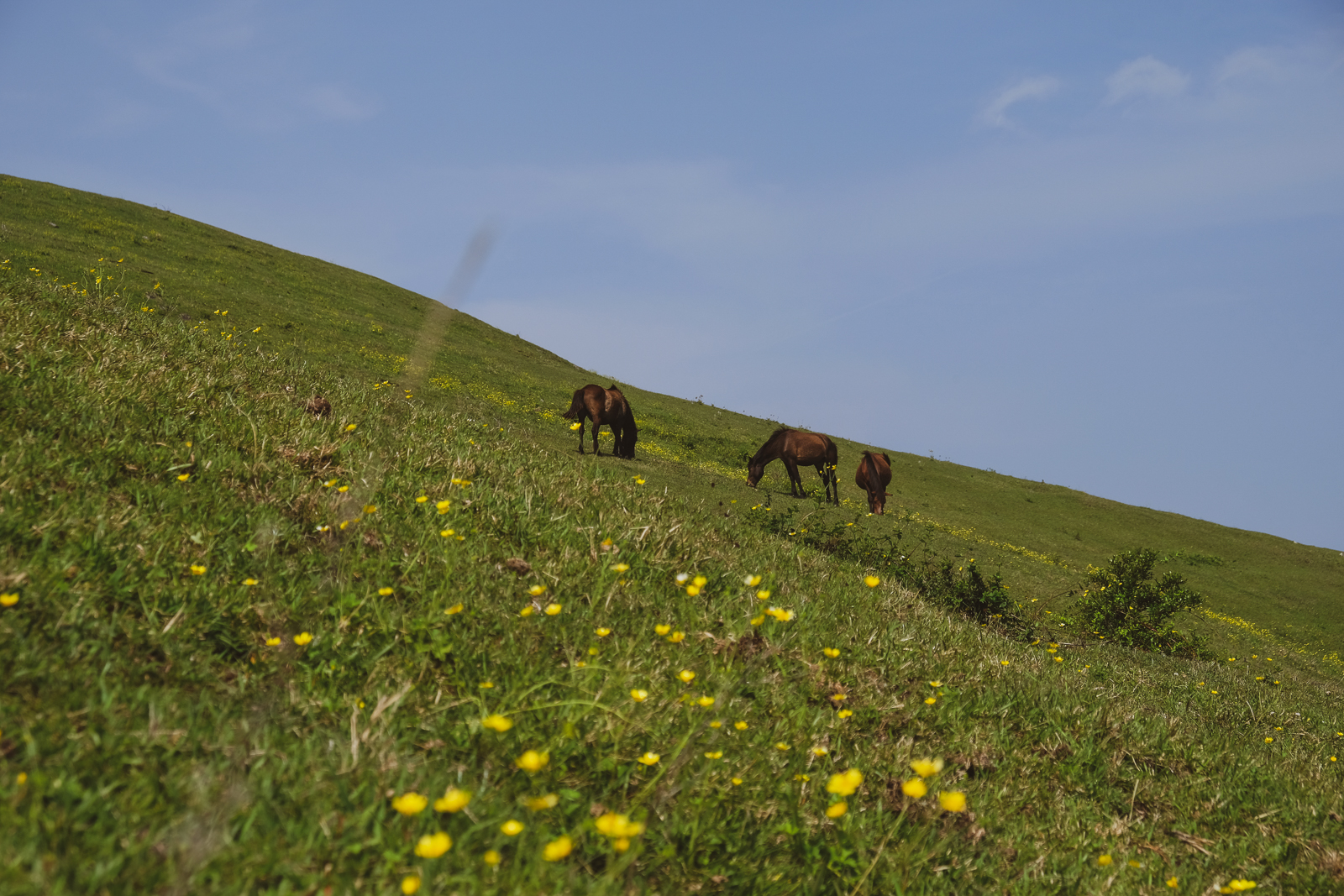
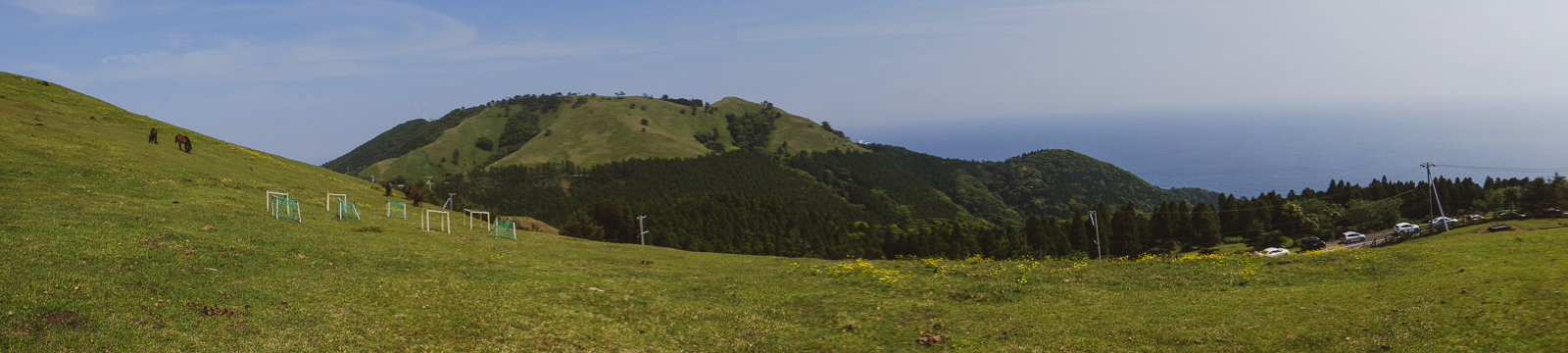
From Udo-Jingu, we drove further down the coast towards Cape Toi, the southern tip of Miyazaki famous for its wild horses. I was surprised to learn that Japan even has indigenous horse species, let alone a population of them here, known as the Misaki-uma!
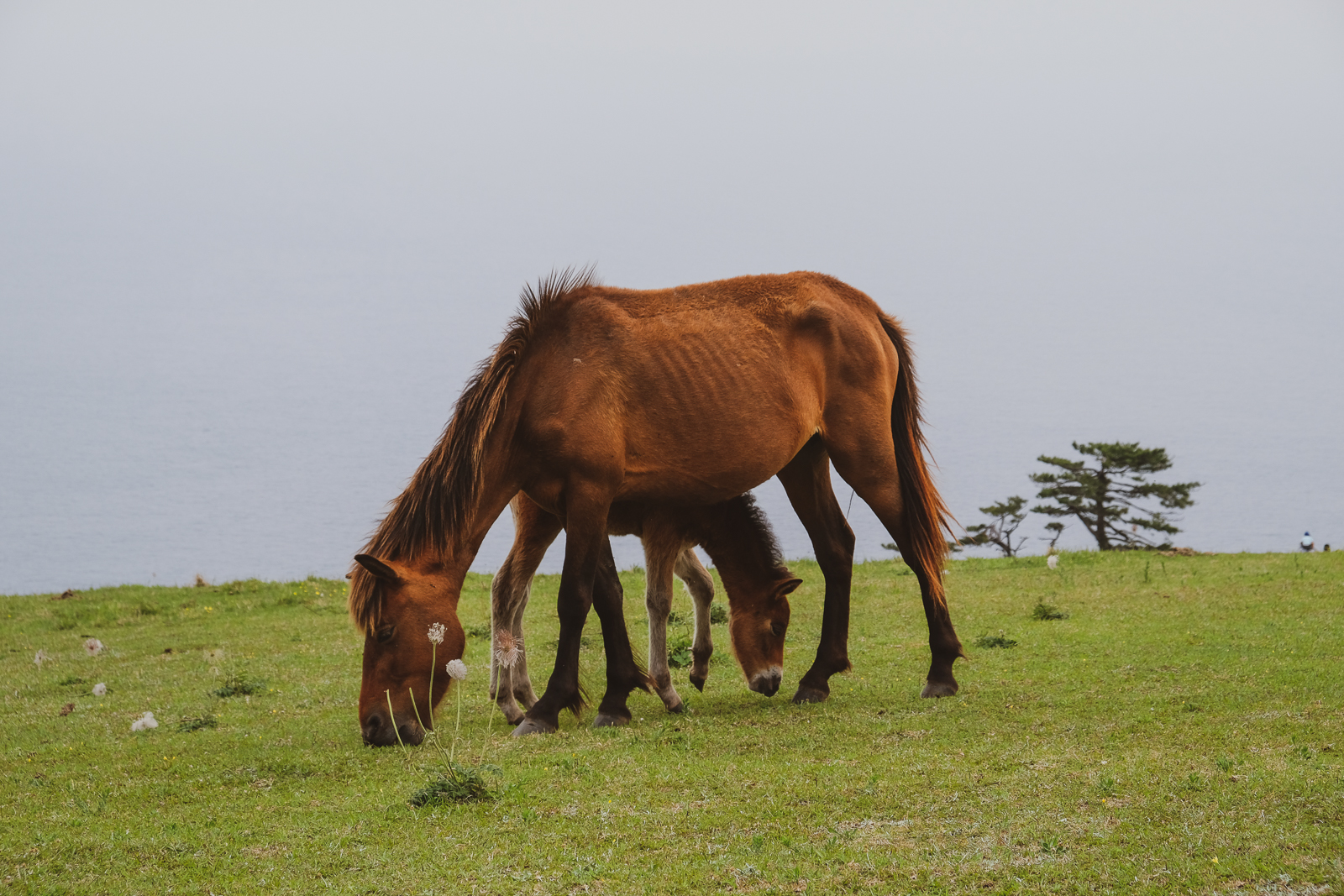
The Misaki-uma are one of the eight indigenous horse breeds of Japan, and the horses and their breeding grounds were designated a National Natural Monument in 1953.
🐴 Fast Facts about the Misaki-uma
History: The herd is said to be descended from horses bred for the samurai of the Takanabe Clan beginning in 1697. These small horses were historically used for farming, packing, and mounted shepherds.
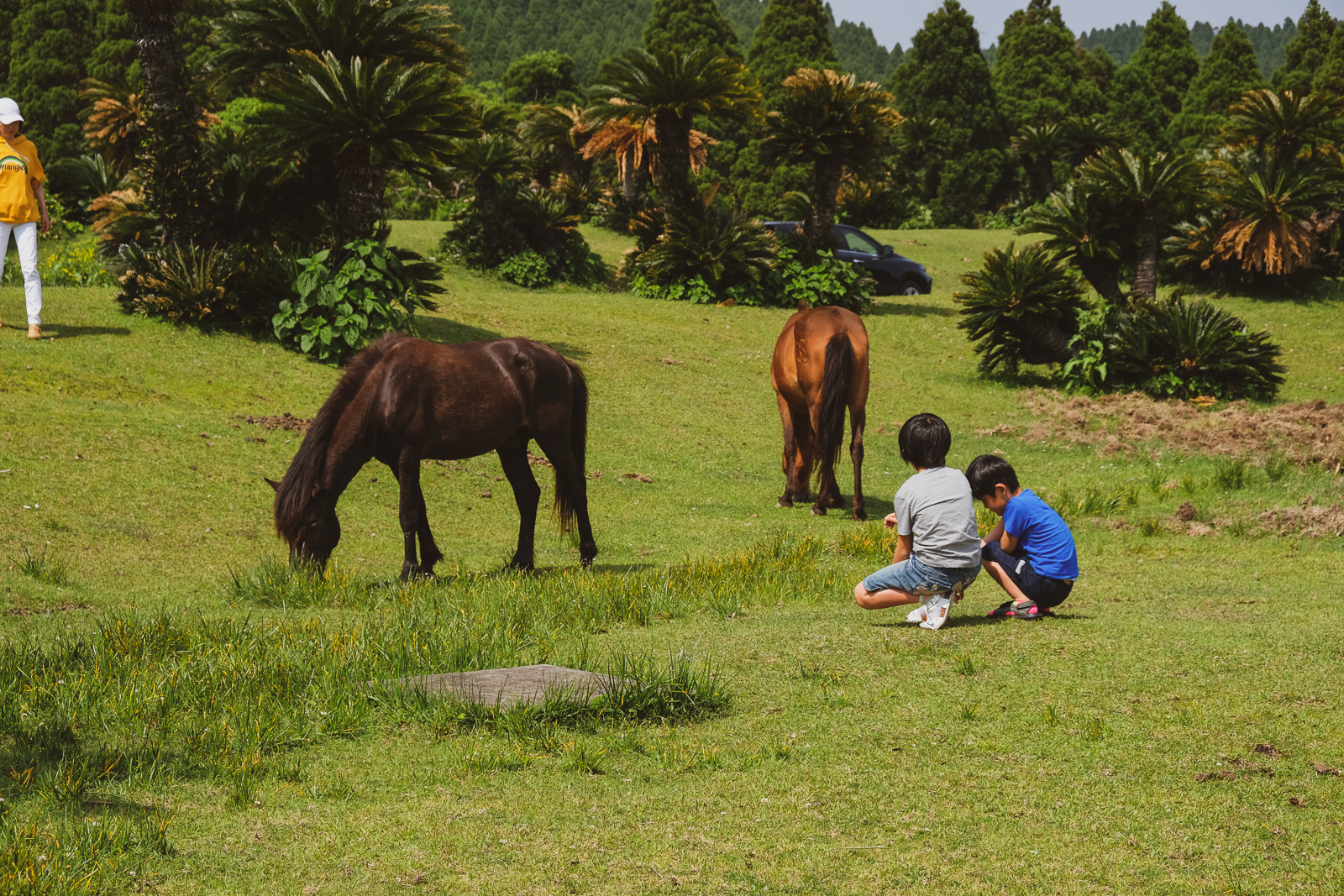
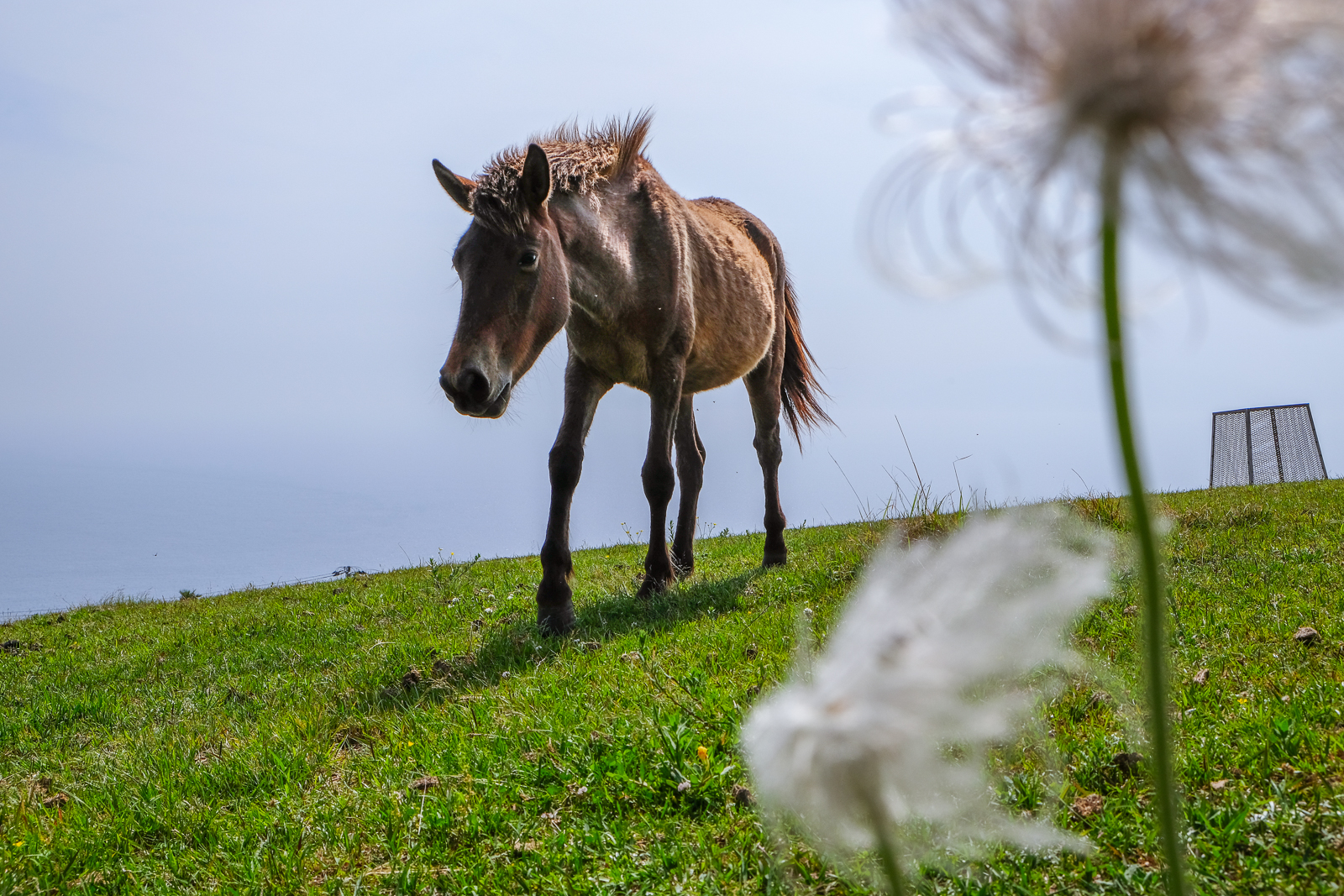
Feral Status: The horses roam freely across the cape as a feral population. They stand relatively short, around 130–135 cm tall (like large ponies), and are predominantly dark-colored.
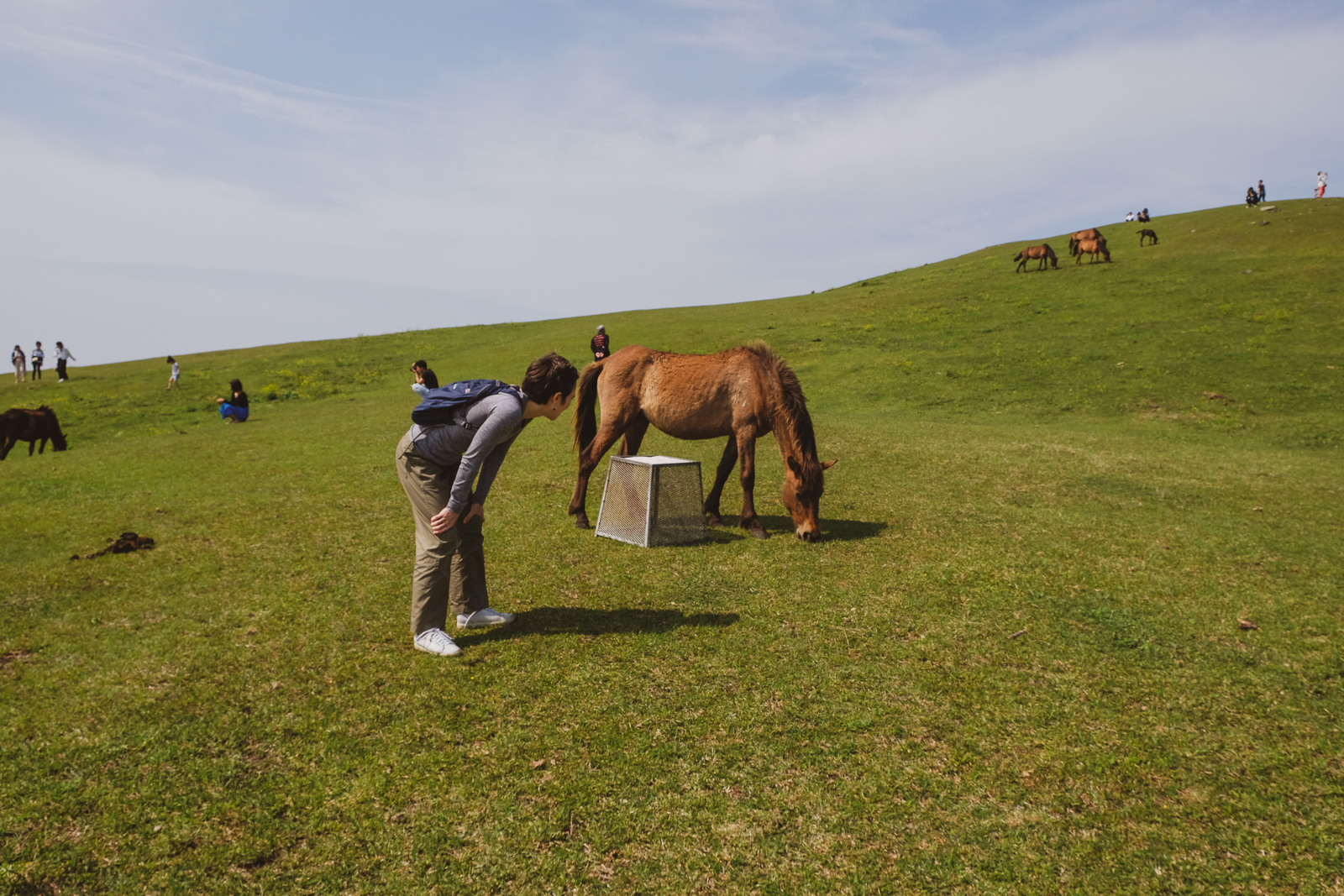
Conservation: The Misaki-uma population is considered critically endangered by some organizations, making their survival on the cape crucial. Your exciting encounter highlights the importance of keeping a safe distance, as they are truly wild animals.
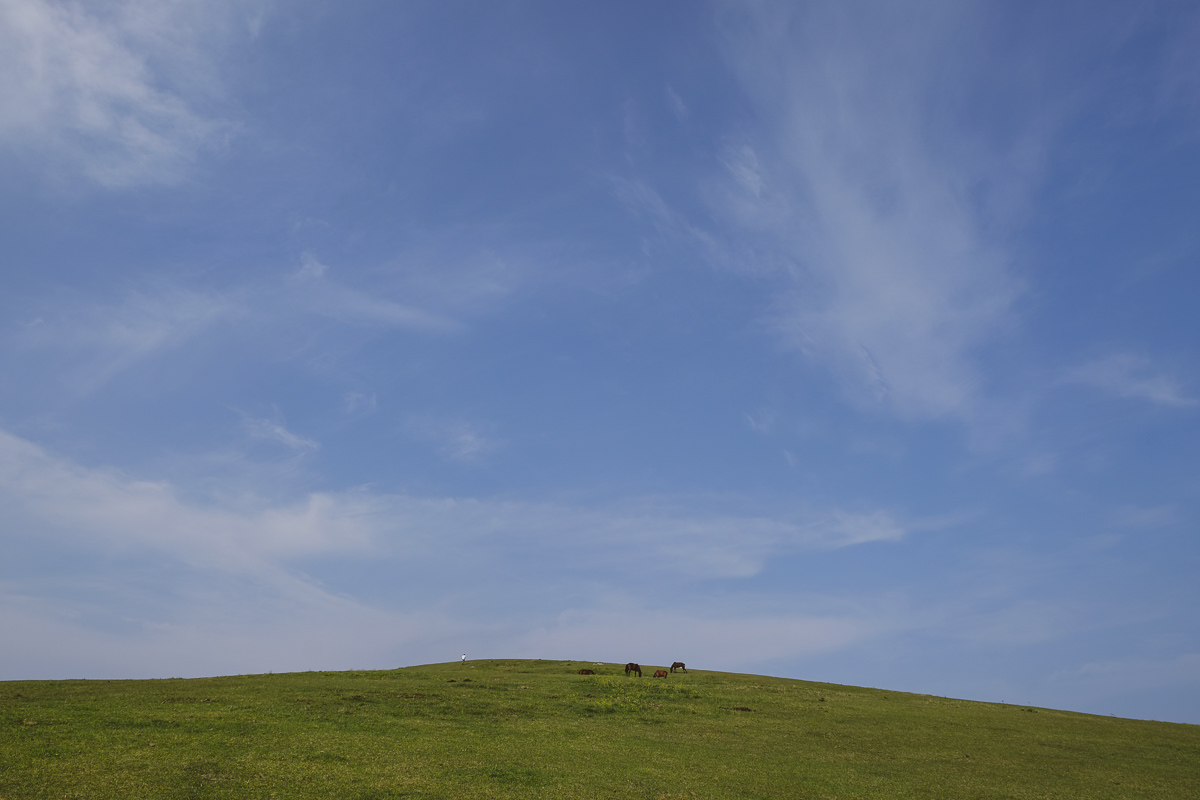
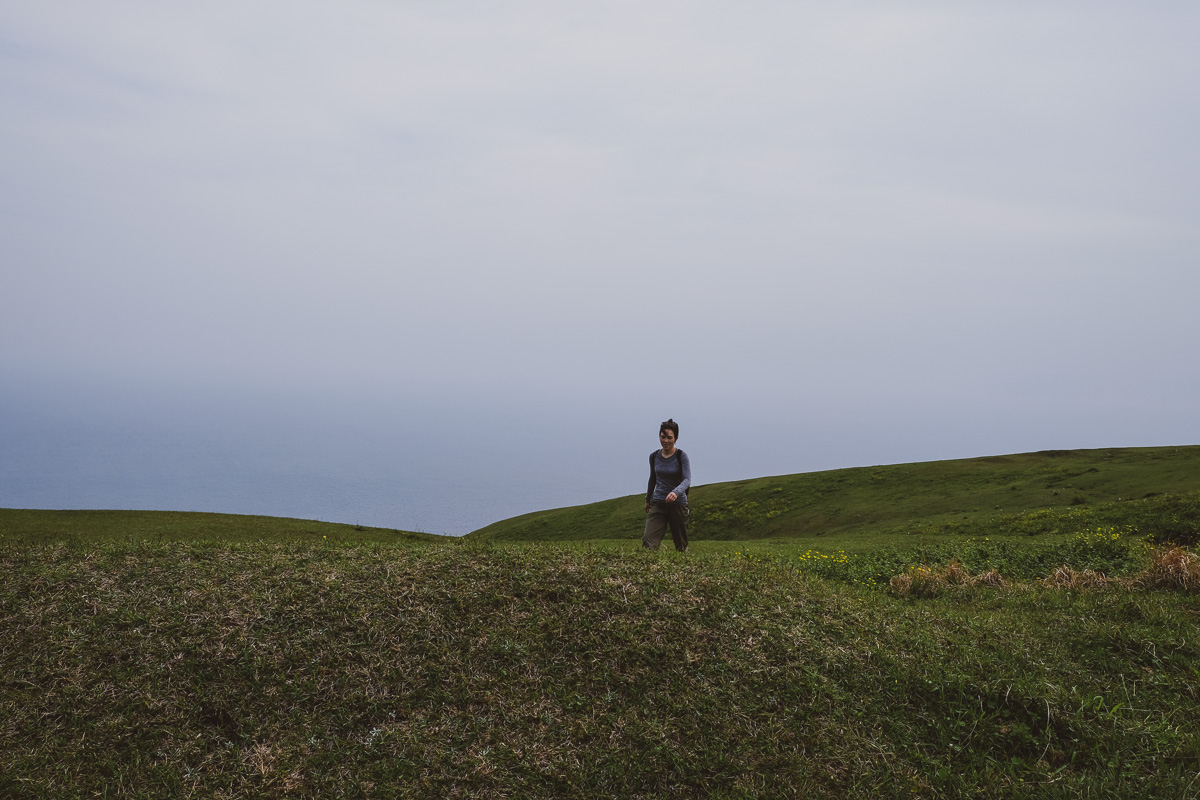
As we drove up to the rolling green hills, we started spotting horses in the distance. It was springtime, and the foals were sticking close to their mothers. These horses are wild: at one point, I heard a gallop behind me and was startled when a horse stampeded right past me towards another male, an intense display of their aggressive instincts. It was a strong reminder to keep a safe distance!
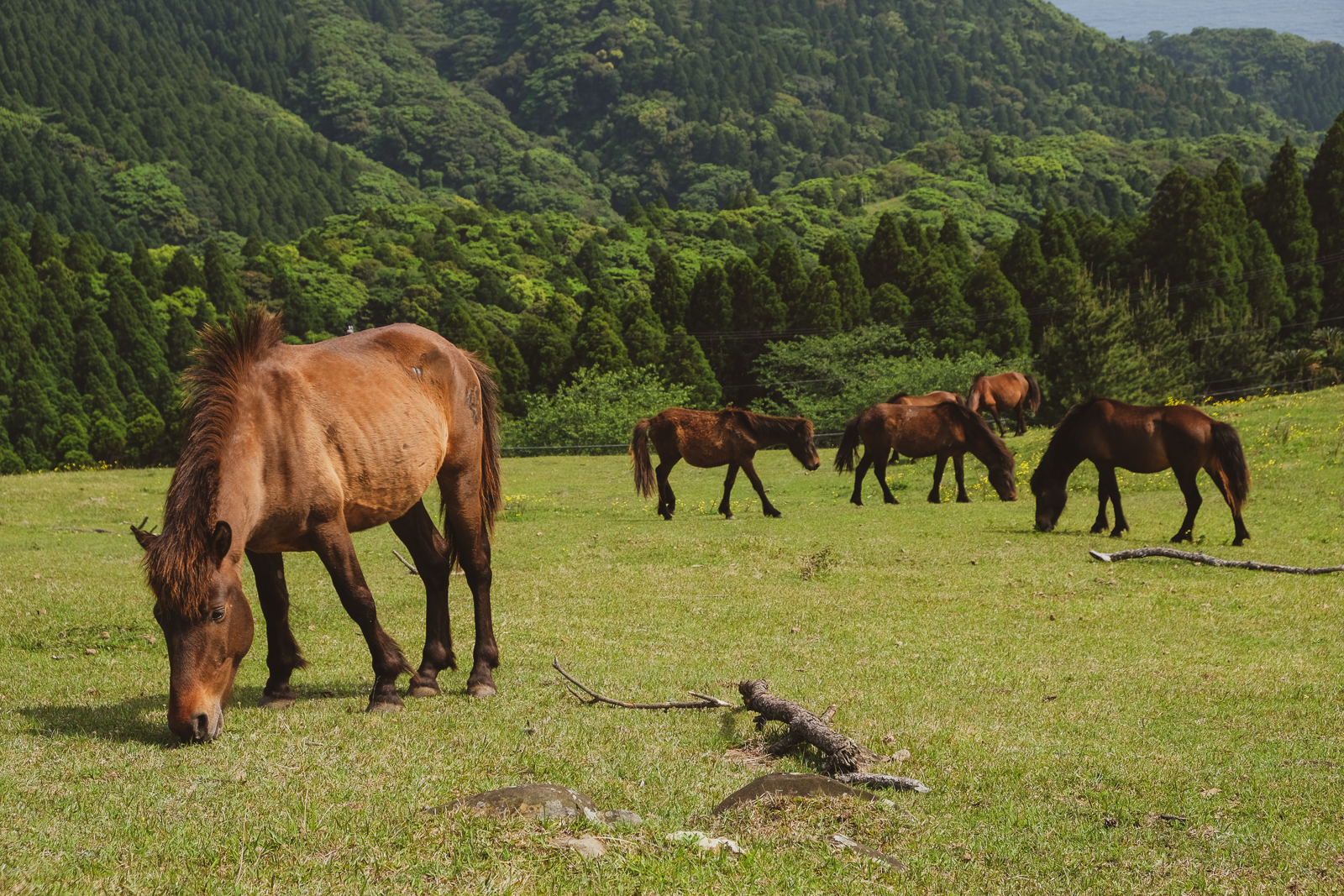
It was a full, beautiful day of driving and unforgettable sightseeing before we headed back to the hotel for a well-deserved rest.
Day 3: Chasing the Divine Waterfalls of Takachiho Gorge
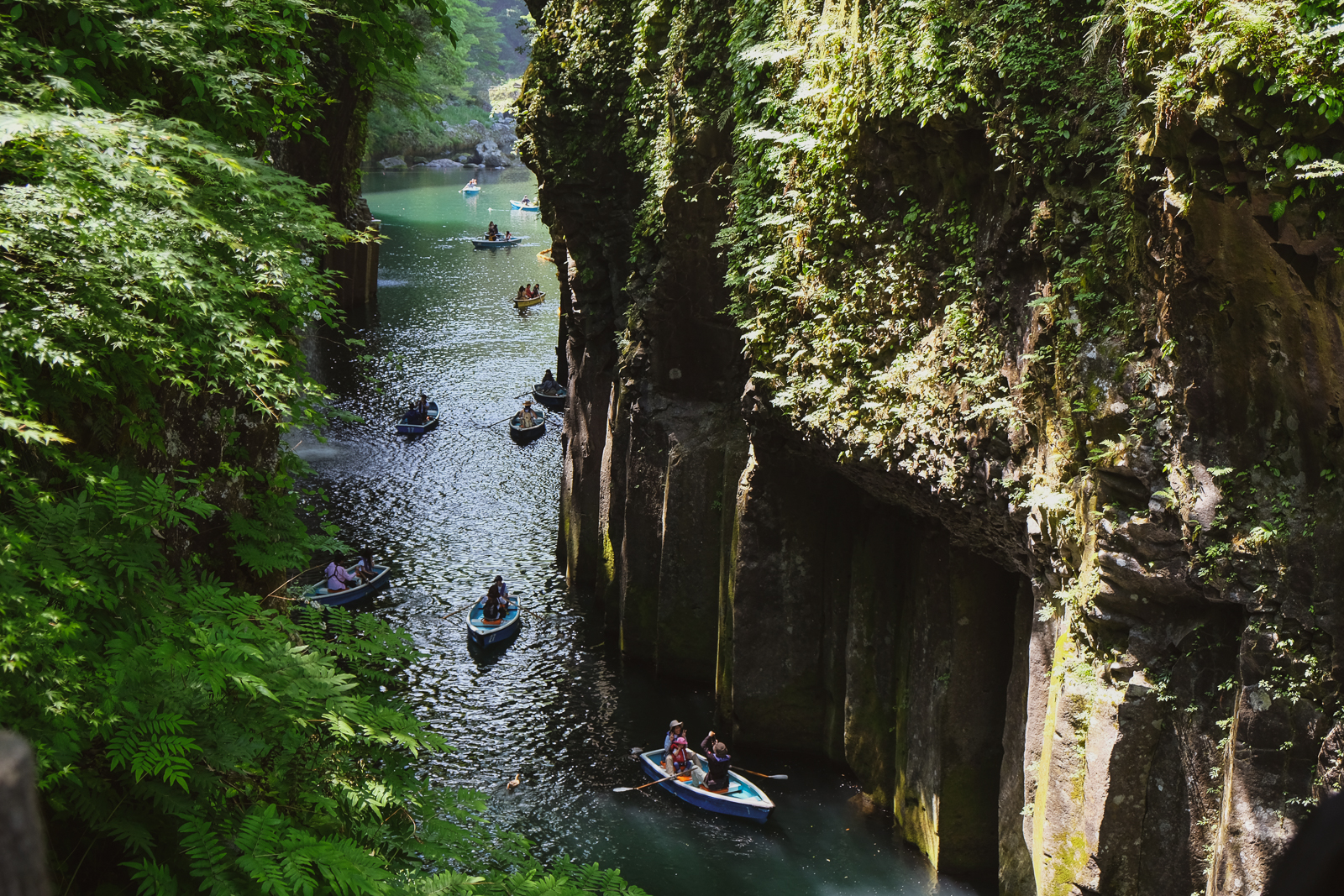
We saved one of the biggest must-sees for our last day: Takachiho Gorge (高千穂峡). Renowned for its unique volcanic ravines and cascading waterfalls, we were dreaming of renting one of the turquoise blue boats to look up at the gorge and waterfalls.
Morning: The Divine Volcanic Gorge
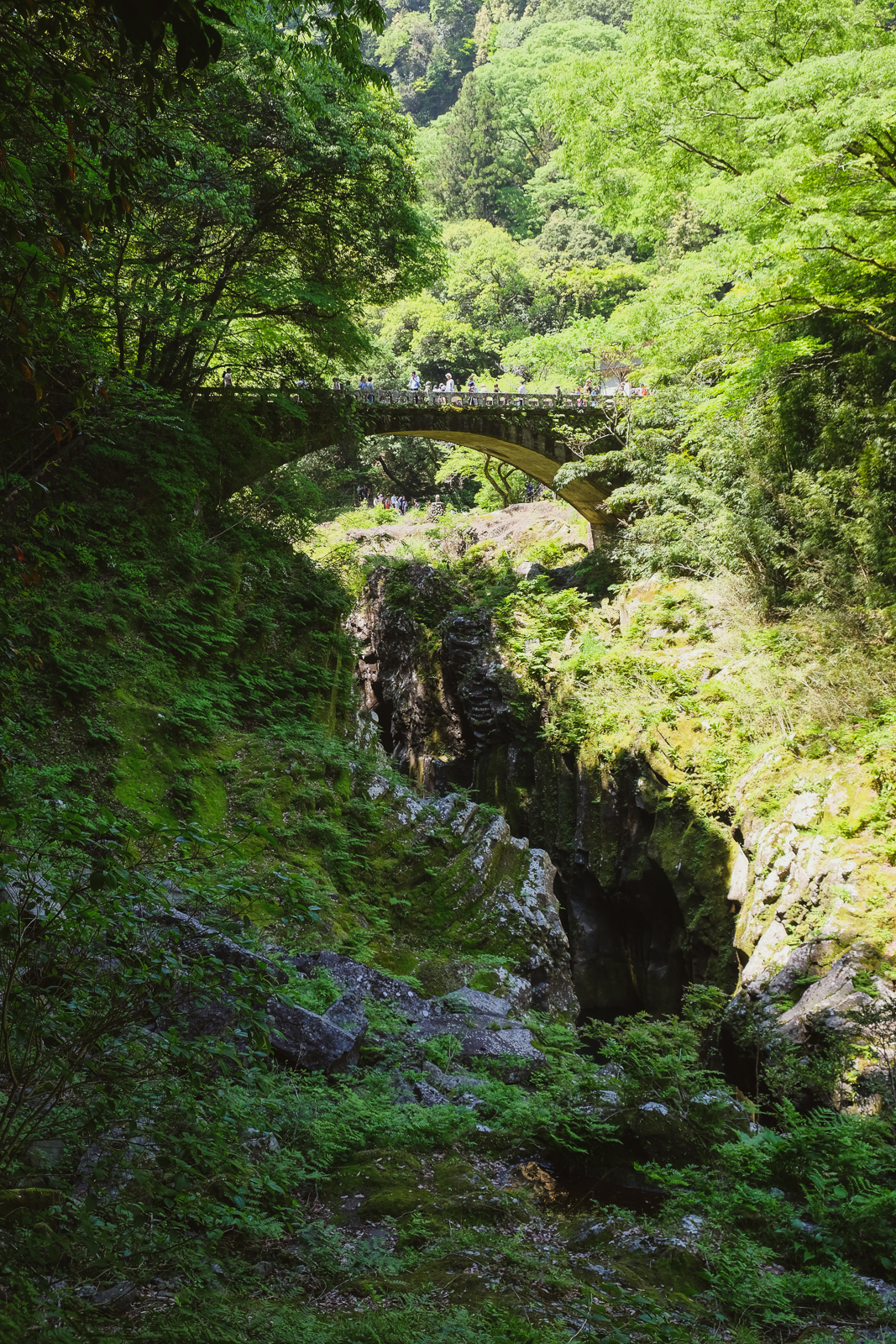
The gorge was not carved by water alone but was formed by the pyroclastic flow (volcanic debris) from an eruption of Mt. Aso (a volcano in neighboring Kumamoto) hundreds of thousands of years ago. The rapid cooling of this fast-flowing lava led to the spectacular columnar jointing—the sheer, layered cliffs you saw—that plunge 80 to 100 meters down to the Gokase River.
Knowing that Golden Week crowds were a beast and that the boat rentals could close early due to high demand, we set our alarms for a 5:30 a.m. start. Even with the early wake-up, the drive inland took about two-and-a-half hours. We arrived to find a long line of cars desperately searching for parking. After an hour, we finally found a makeshift lot and took a 15-minute walk to catch a shuttle bus to the main attraction.
Disappointment and Breathtaking Views
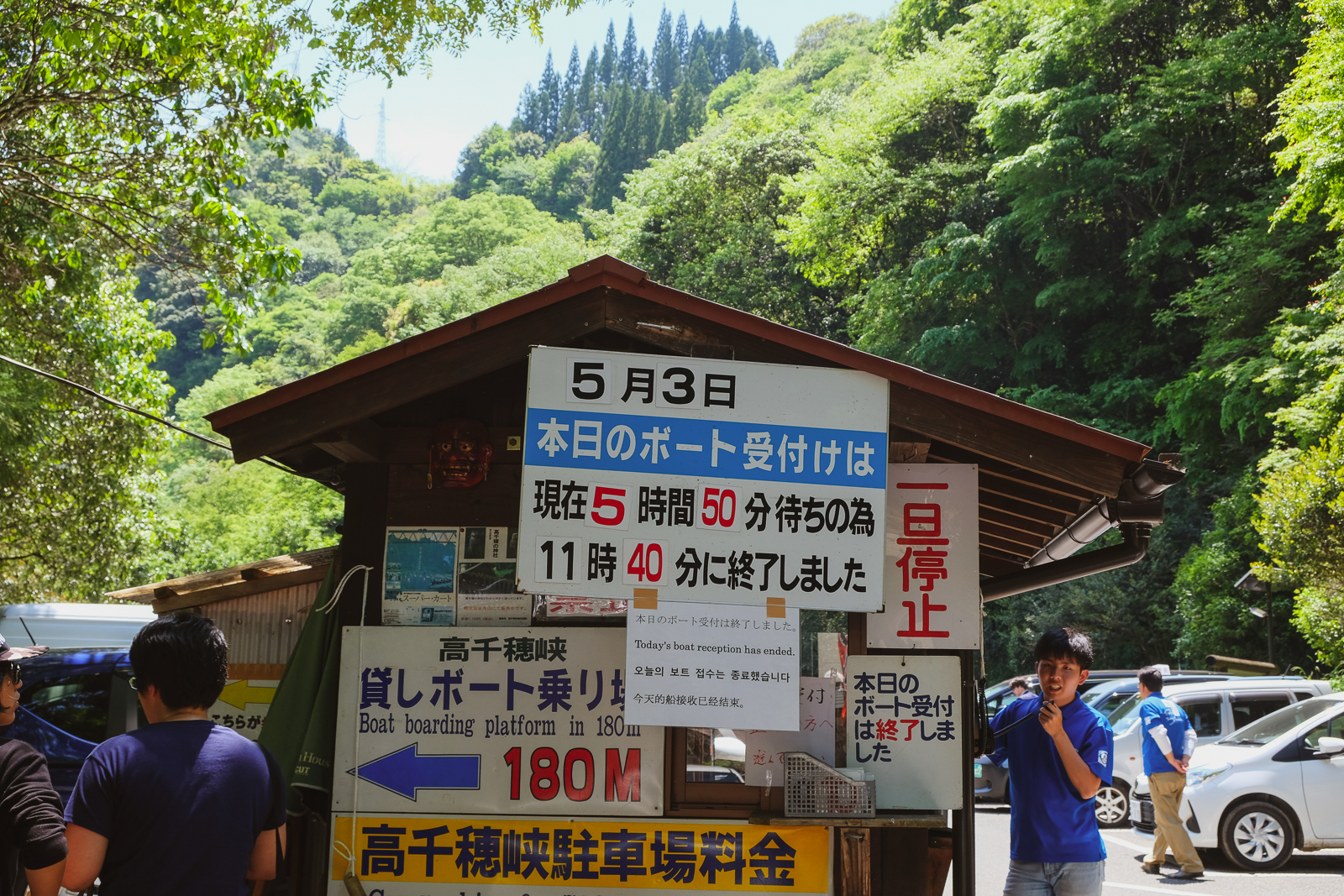
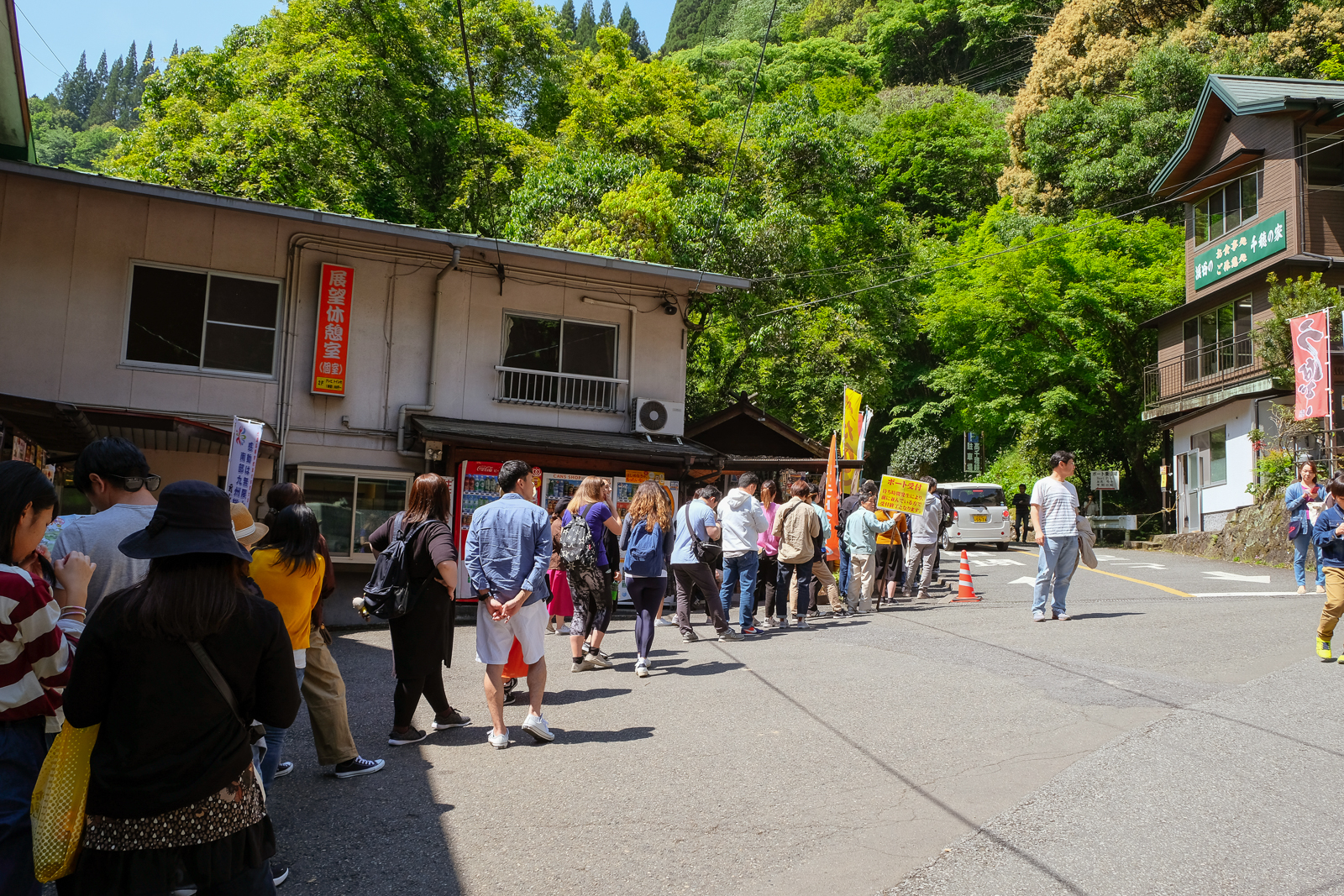
When we finally got to the boating area, we saw the line of eager tourists, but the truly disappointing news hit after a 30-minute wait: a sign indicated all rental boats had shut down at 11:40 a.m. with a six-hour waiting list. The Golden Week crowds had defeated us!
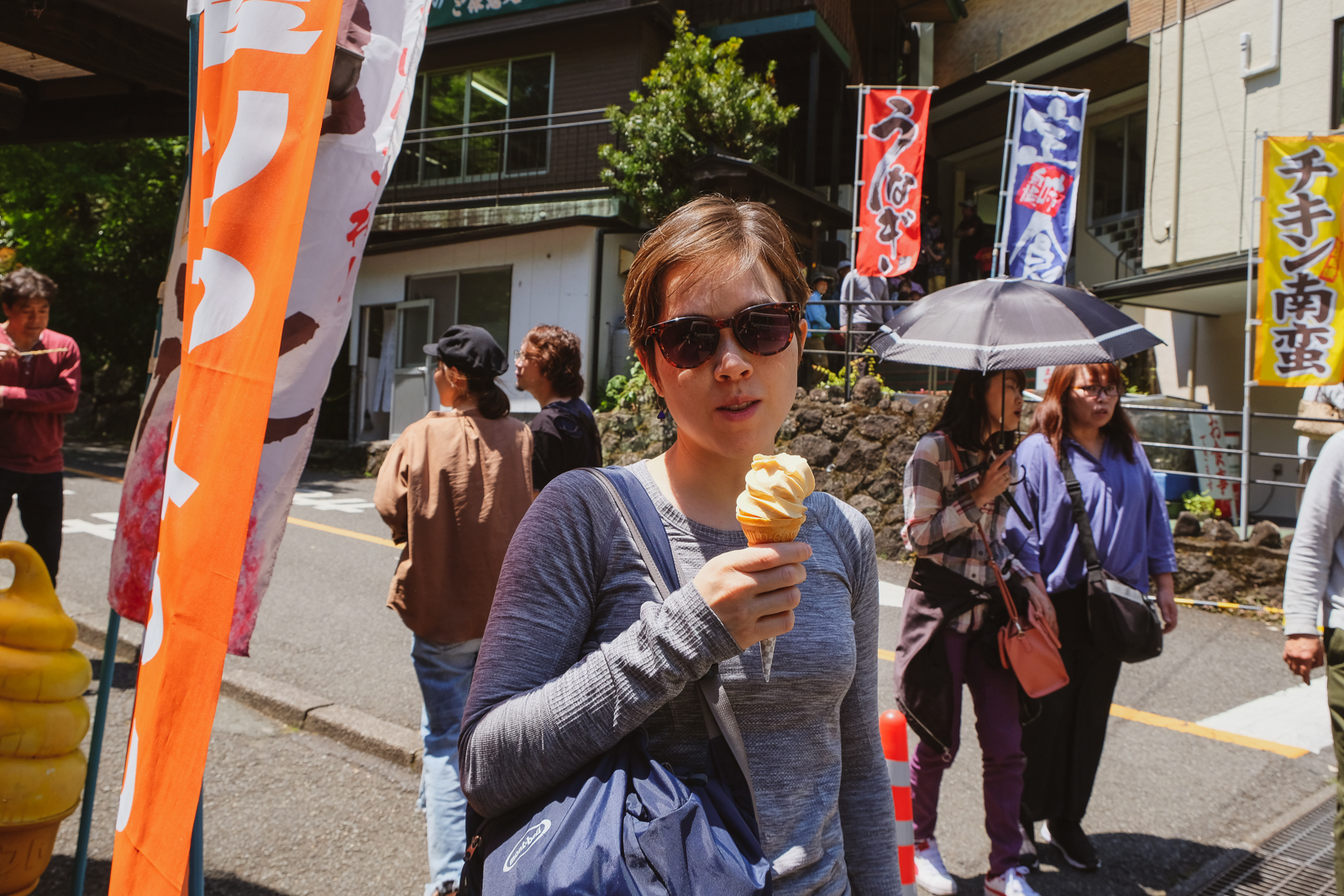
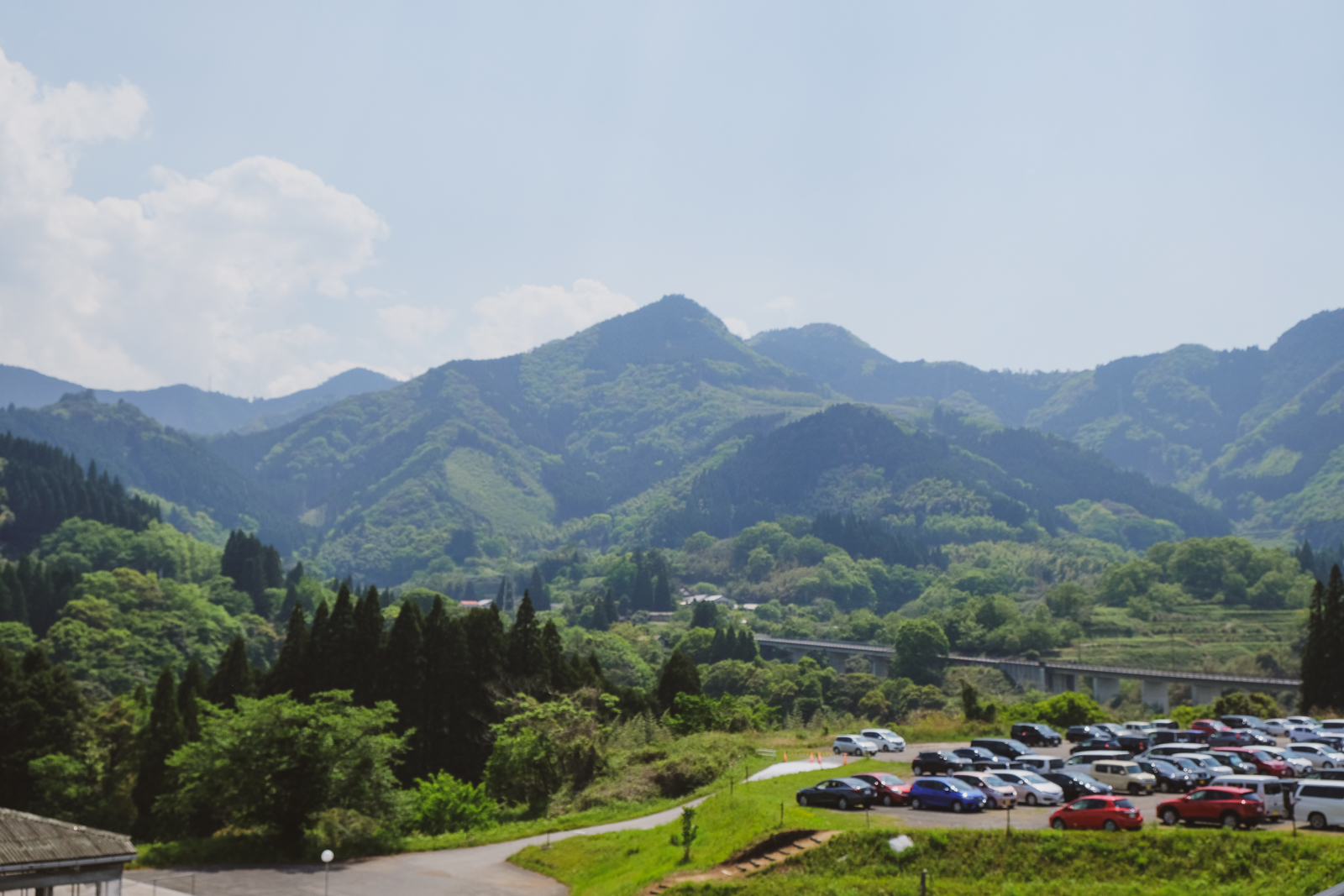
Instead of being dejected (after a quick cheer-up with some mango ice cream), we decided to ascend to the highest point of the gorge. And honestly, the splendour of the vistas more than made up for the initial setback.
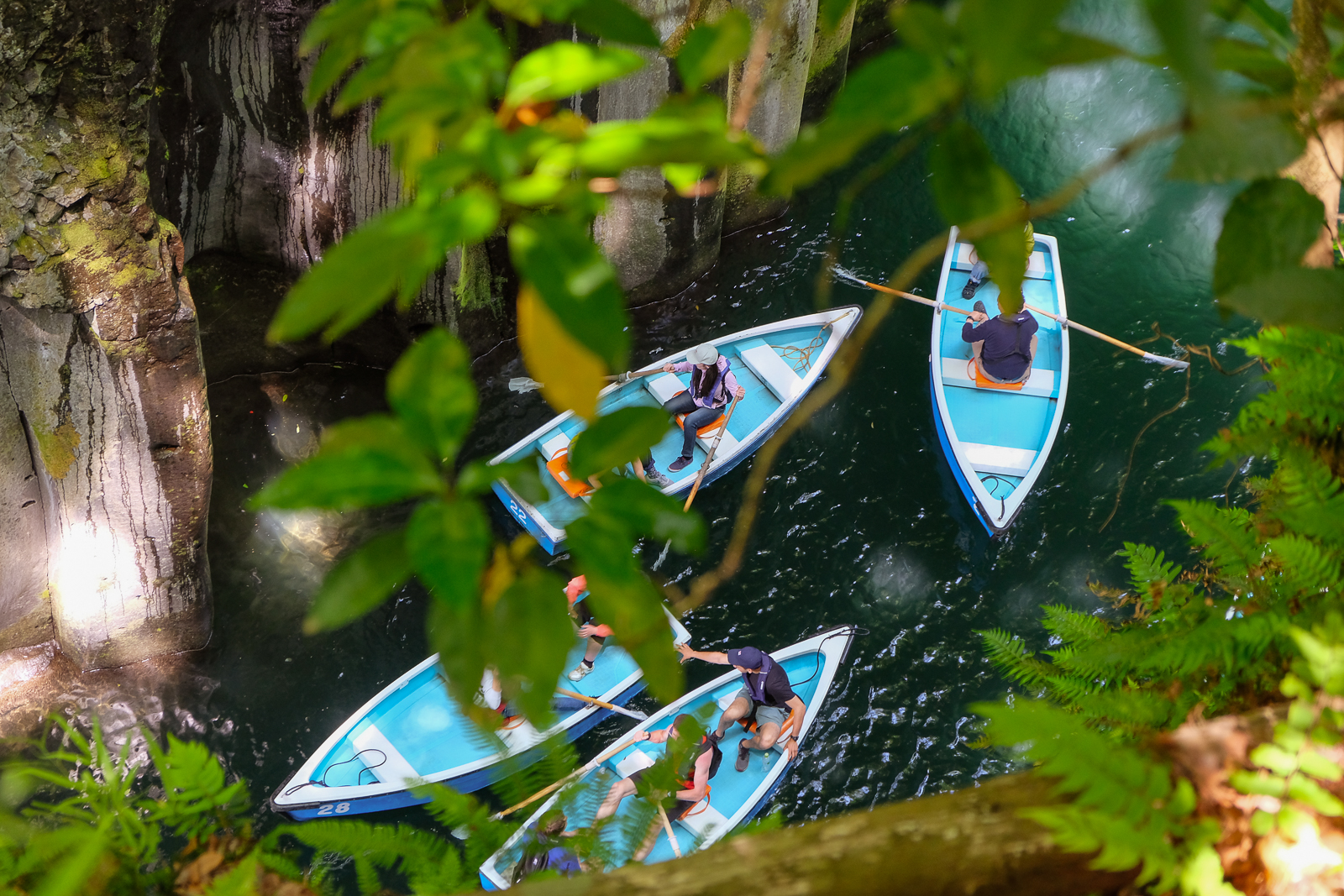
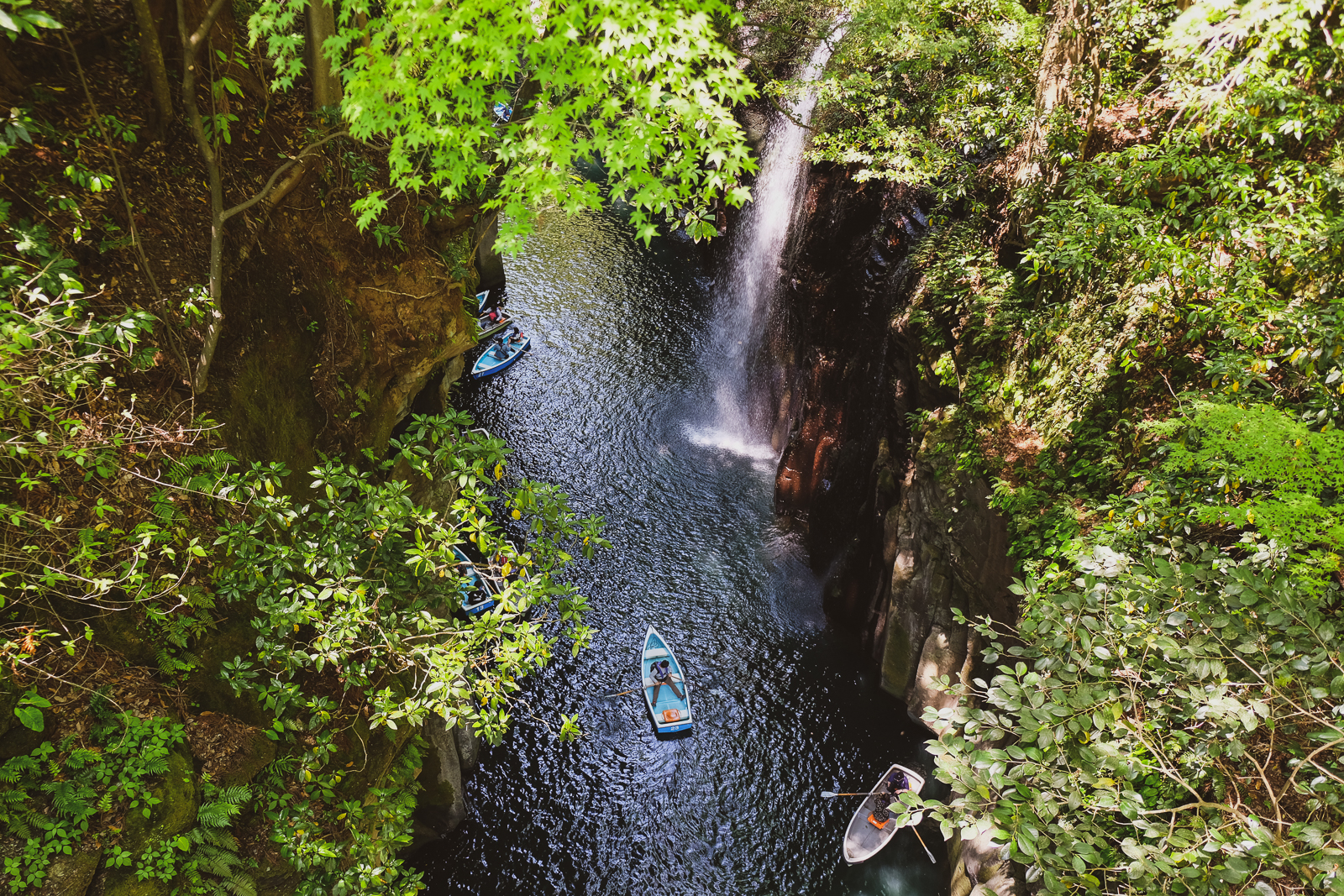
The gorge, formed by a volcanic eruption and now filled with mesmerizing seafoam blue water, is truly stunning. Watching the boats glide across the water below, framed by the lush greenery, made any disappointment vanish.
Afternoon: Takachiho Shrine and Mythological Legends
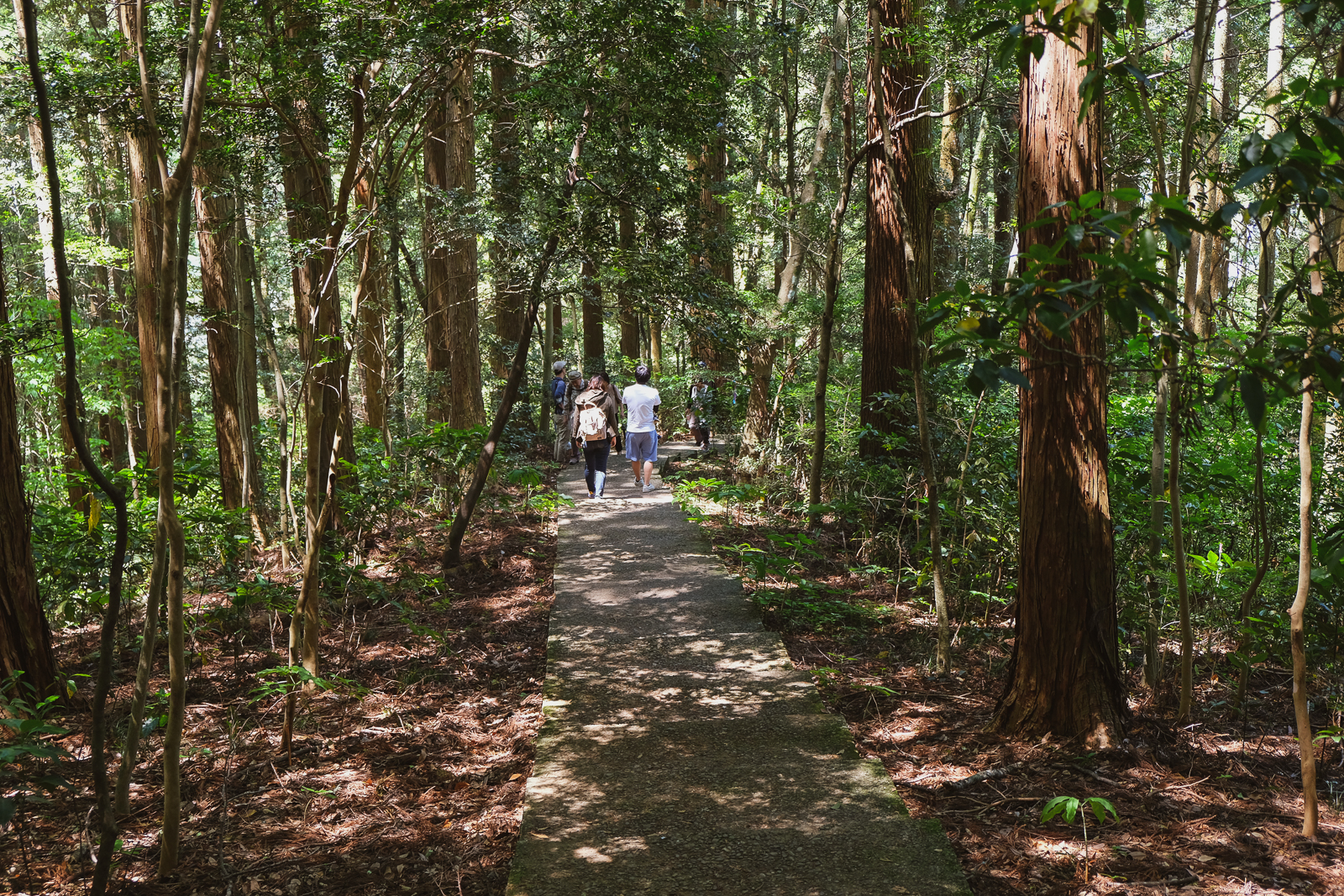
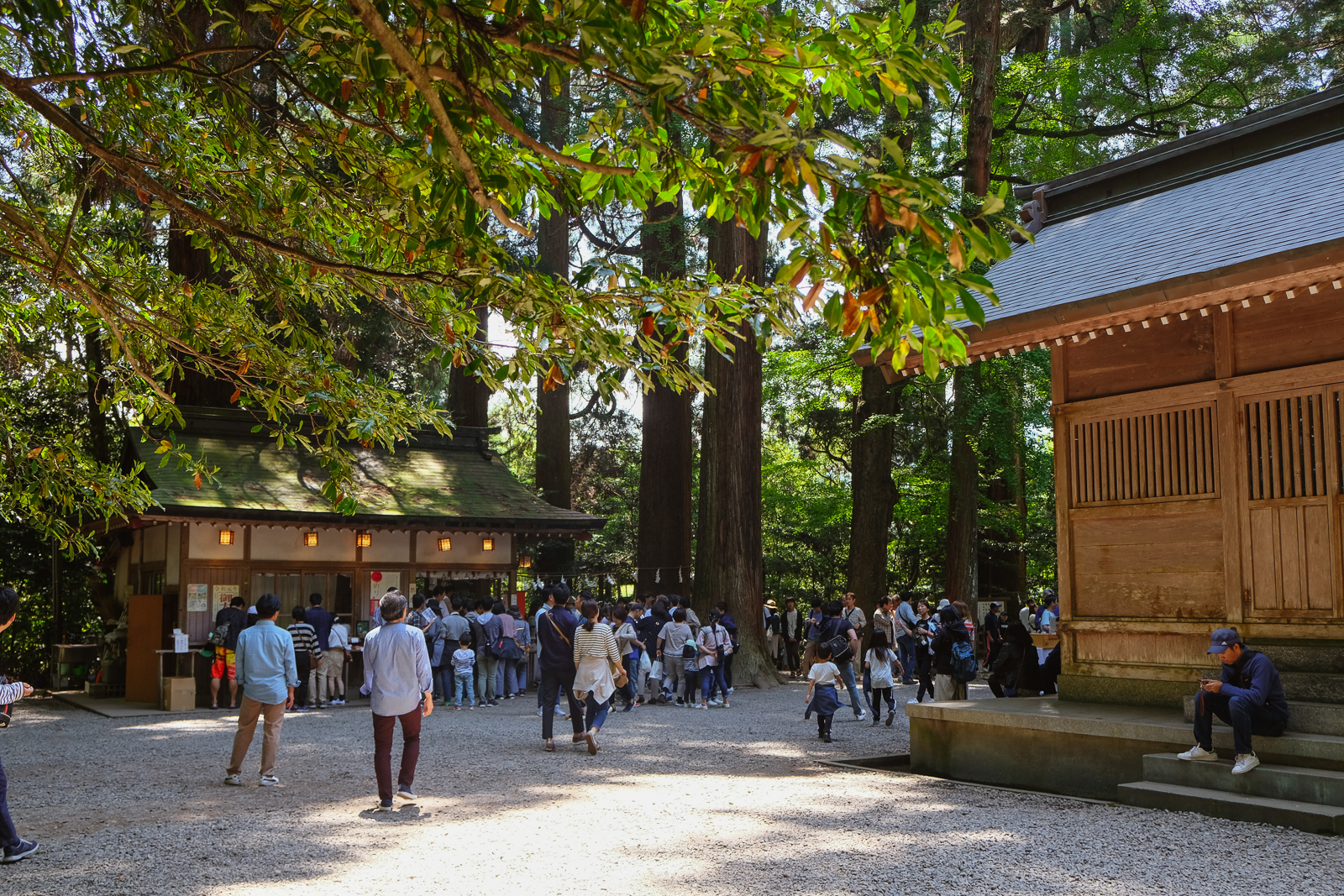
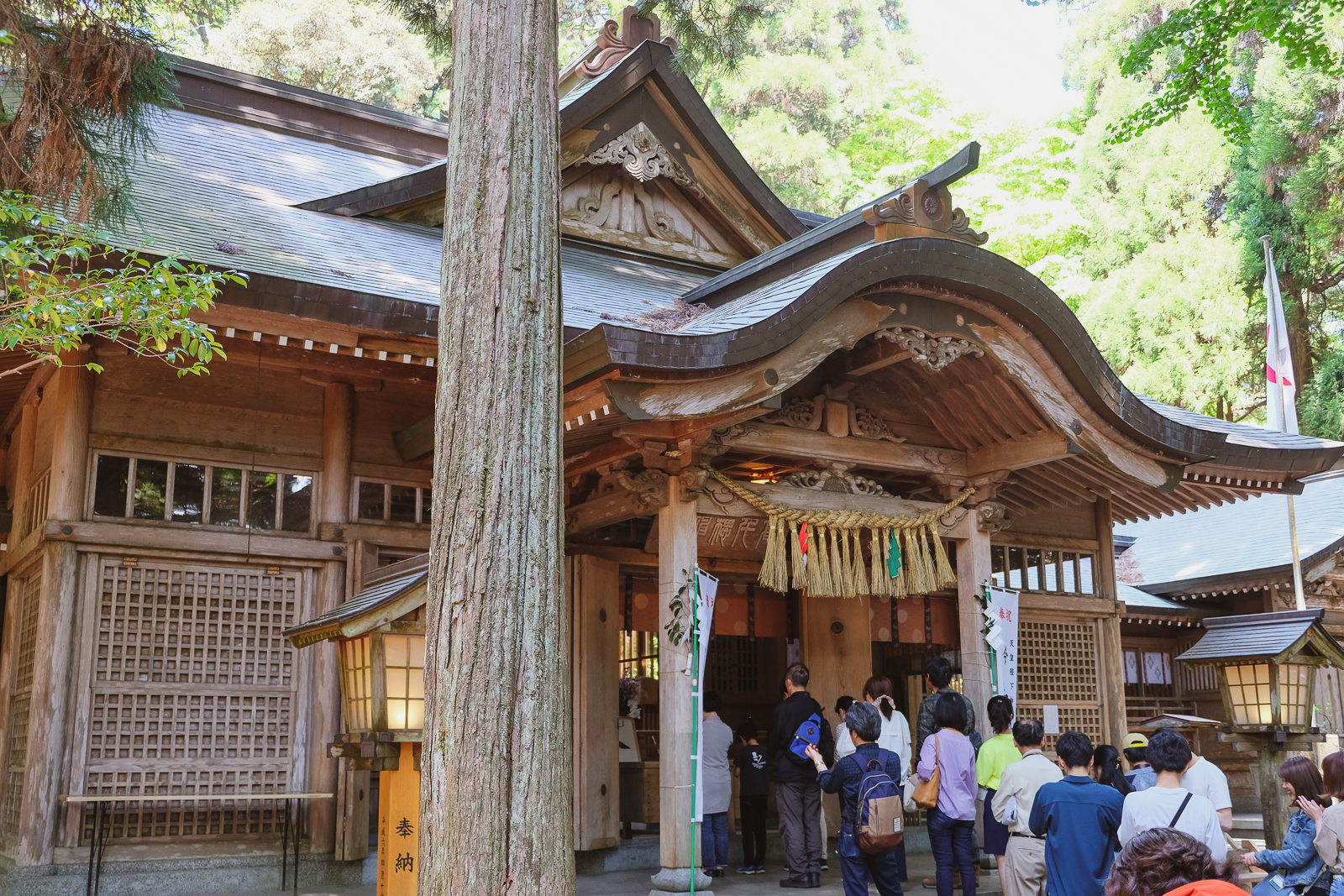
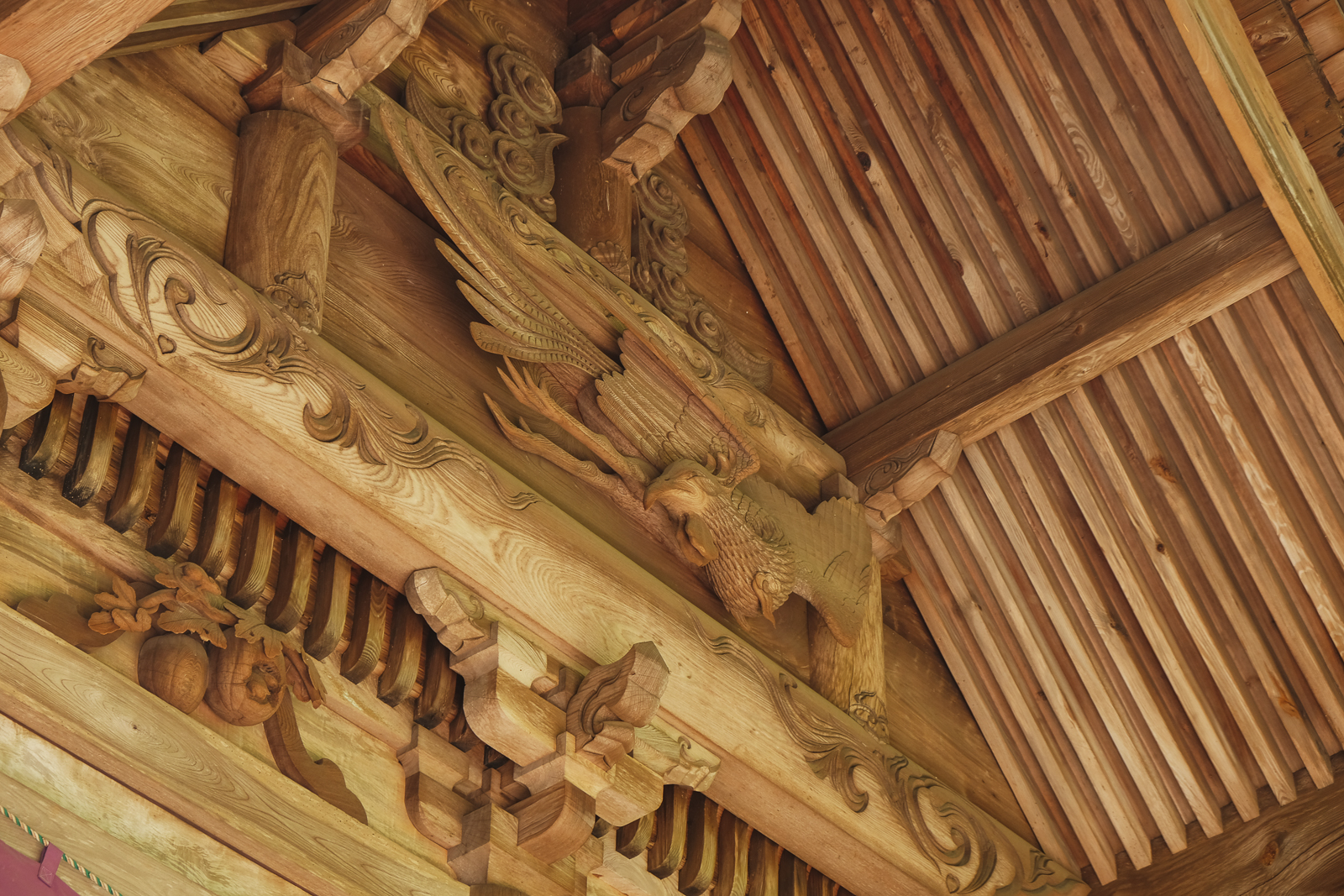
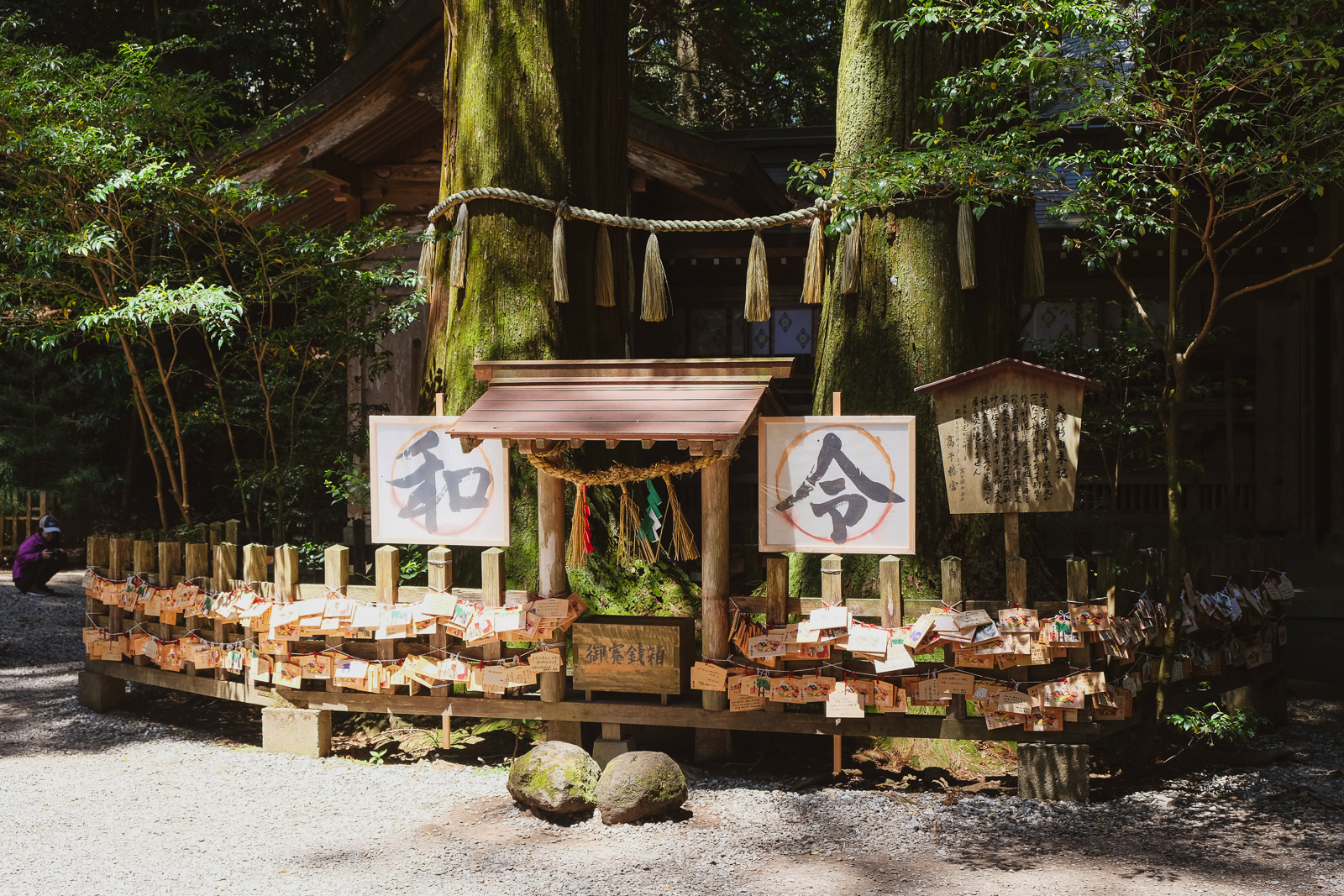
After taking in the gorge views, we took a short hike up to Takachiho Shrine.
Takachiho is also considered the spiritual heart of Japan and is the location for many stories from the Kojiki (Japan’s oldest historical record), including the famous myth about Amaterasu (the sun goddess) hiding in the Amano-Iwato cave after a tantrum.
Legend has it that Amaterasu withdrew into a cave, plunging the world into darkness. It wasn’t until a group of deities put on an impassioned, amusing performance outside the cave that coaxed her out of her hiding place, restoring light to the world.
The 800-year-old ceremonial Shinto dance called Kagura, performed at the nearby Takachiho Shrine (in winter) re-enacts the humorous dance used by the other deities to lure her out and restore light to the world.
Lunch with a View
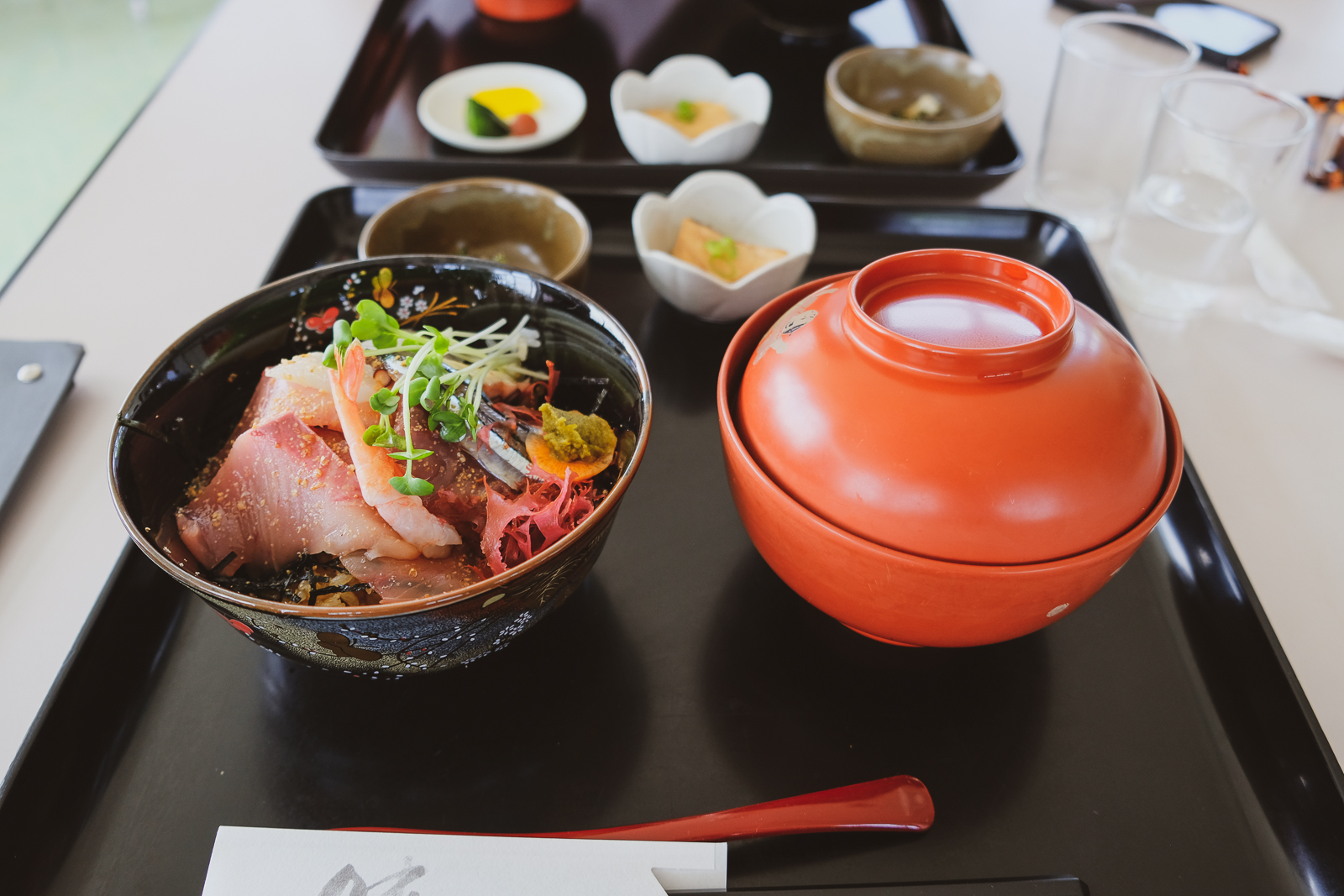
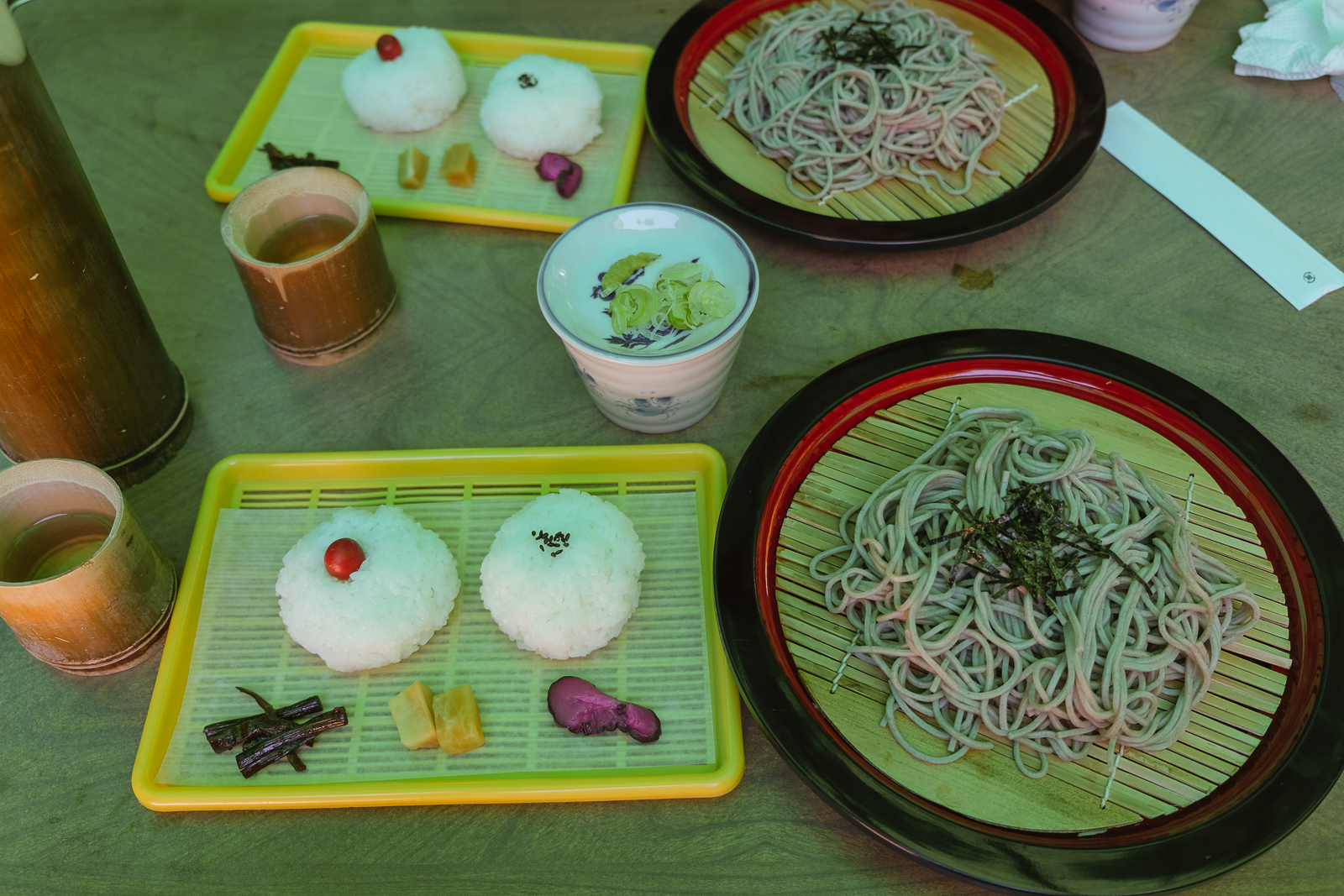
We stopped for a simple, satisfying lunch of soba noodles, salted rice balls, and pickles at a small rest stop. Enjoying the simple meal while sitting outside, taking in the gorgeous view, was the perfect way to wrap up our adventure.
Exploring Miyazaki prefecture during the Golden Week holidays has been an unforgettable adventure. Despite the initial disappointment of missing out on the boat rental at Takachiho Gorge, we found solace in the breathtaking views and the rich historical and cultural experiences the region had to offer.
How to Get There & Getting Around
Miyazaki’s major attractions are quite spread out. They sit along the coast and inland. We highly recommend renting a car because of this. A car gives you the flexibility to navigate between the coastal shrines and the inland gorge. You won’t rely on infrequent public transport connections.
Getting to Miyazaki Prefecture
- By Air (Most Convenient): Fly into Miyazaki Airport (KMI) from outside Kyushu. Daily flights run from major cities like Tokyo (Haneda/Narita), Osaka, and Fukuoka. The Fukuoka flight is short (45 minutes). The airport connects easily to Miyazaki City via a 10-minute train ride.
- By Train: Take the Shinkansen (bullet train) from Tokyo or Osaka to a Kyushu hub. Kagoshima-Chuo or Hakata (Fukuoka) are common hubs. Then, transfer to a local limited express train, like the JR Nichirin, to Miyazaki City. The full journey can take 8-10 hours from Tokyo.
- By Bus: Direct highway buses connect Miyazaki City to major Kyushu cities. These include Fukuoka (Hakata) and Kagoshima (Kagoshima-Chuo).
Getting Around Within Miyazaki
- Rental Car (Recommended): A car is the most efficient way to link the coastal stops. This includes Aoshima, Udo-Jingu, Cape Toi, and the inland Takachiho Gorge.
- Public Transport: Miyazaki City has an adequate bus network. The VISIT MIYAZAKI BUS PASS is a great, low-cost option. This pass is only for foreign tourists. It offers unlimited rides on most local buses for a day. It covers key coastal attractions like Aoshima and Udo-Jingu.
- Special Trains: For a scenic journey, ride the limited express Umisachi Yamasachi train. It runs along the Nichinan Line.
From the turquoise waters of the gorge to the ancient traditions of the Takachiho Shrine, and the simple pleasure of enjoying soba noodles with a scenic view, every moment added to the richness of our journey. It’s been an incredible three days of sightseeing in Miyazaki, and we know we’ll be back to create more lasting memories in this region!




What an adventure! I haven’t looked at part 2 yet BUT I love the pictures. I love the waterways filled with Carp in Obi town too 🙂
They were clearly beloved pets. They were fat and came right up to us when we peered in. Looking for a tasty snack ?