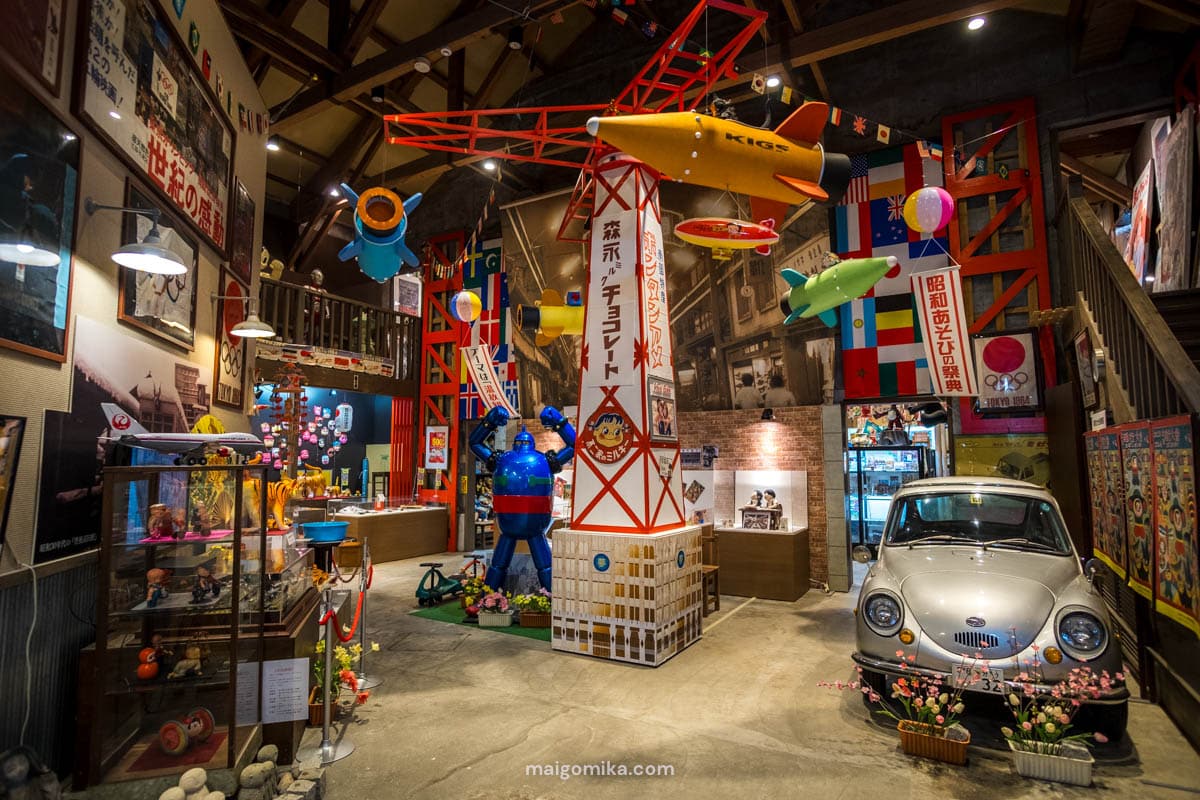
I’m not a fan of theme parks. However, I make an exception for Showa-themed parks and museums. They’re vibrant, wonderfully kitschy, and an utterly delightful explosion of retro design, pop culture gems, and old-school toys your nostalgic heart might remember (or wish you did!).
As a foreigner, the closest way I can describe this feeling is like the nostalgic comfort of listening to an Elvis Presley ballad or a Four Tops classic. Or, for a ’90s kid like me, it’s the familiar, heart-tugging sounds of TLC and Mariah Carey booming from that cherished cassette tape. Since my first visit to a Showa-themed park back in 2019, I’ve been obsessed with these kaleidoscopic havens of Showa-era paraphernalia.
What You’ll Find in This Guide
- The Showa Era Explained: Understanding the history and cultural significance of the 1926–1989 period and why it evokes such powerful nostalgia today.
- Showa no Machi (Oita Prefecture): A detailed look at Bungo Takada’s sprawling retro shopping street, its multi-museum complex, and the fun, modern art interactive exhibits.
- Yufuin Showakan (Oita Prefecture): Explore this vibrant museum featuring recreated shops, a small cinema, and an arcade where you can actually play classic pinball and cassette games.
- Pokopen Yokocho (Ehime Prefecture): Discover Ozu City’s charming indoor museum and its weekend outdoor vintage market for finding unique retro treasures.
- Travel Tips & Takeaways: Practical travel notes, plus a map of all the listed retro museums and parks.
The Legacy of Japan’s Showa Era (1926–1989)
The Showa era, which spanned from 1926 to 1989, was defined by the long reign of Emperor Hirohito (posthumously known as the Showa Emperor). It was a transformative period in modern Japanese history, fundamentally split by the trauma of World War II. The first half was defined by a steady march toward militarism and aggressive expansionism, culminating in the complete devastation and national collapse of 1945. The subsequent Allied Occupation (1945–1952) dismantled the old imperial system, demilitarized the nation, and created a new democratic constitution, setting the stage for Japan’s complete redirection of its national energy.
Following the occupation, the nation embarked on the “Japanese economic miracle,” the era’s second and more prosperous phase (1945–1989). By focusing entirely on high-quality manufacturing and technological innovation, Japan transformed into a global economic superpower. This period saw the rise of iconic brands in electronics and automotive industries, the creation of a vast and stable middle class, and an overwhelming sense of optimism about the future.
For many, the later decades of this period, known affectionately as Showa Retro, evoke a strong sense of nostalgia, stemming from romanticized memories of that economic boom and the cultural dynamism it produced. Life was characterized by simplicity, strong community bonds (especially in neighborhood shopping streets), and an aesthetic that captured the shared experience of national recovery. The contrast between this shared prosperity and the subsequent economic struggles of the 1990s makes the “golden age” of late Showa a deeply cherished and potent collective memory.
So, without adieu, here are some of my favourite Showa-themed destinations I’ve visited in Japan:
Showa no Machi (Bungo Takada, Oita Prefecture)
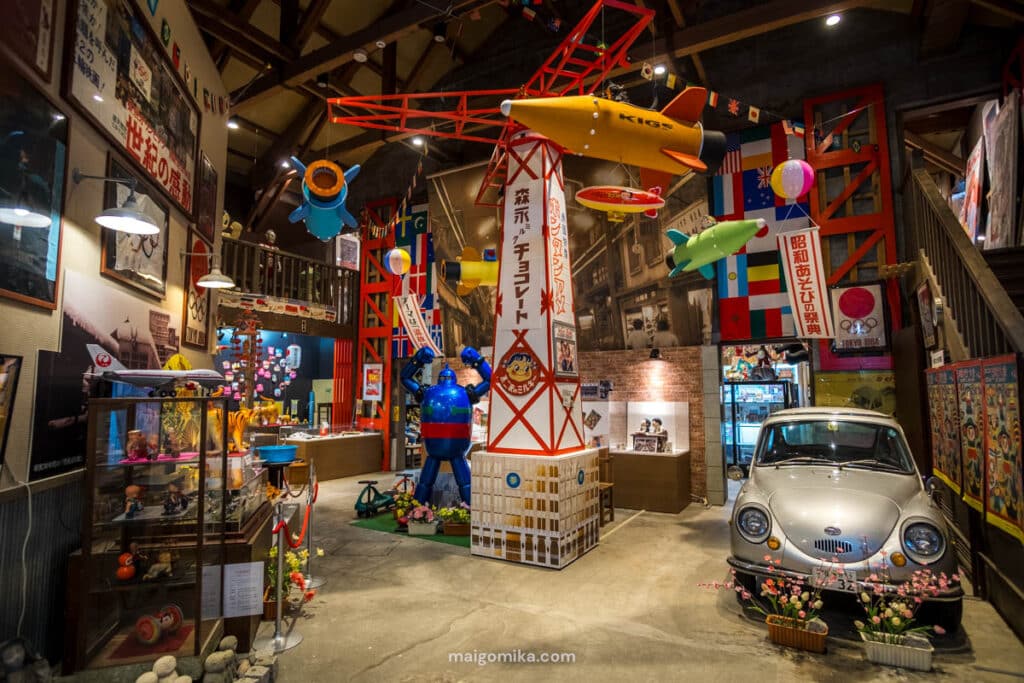
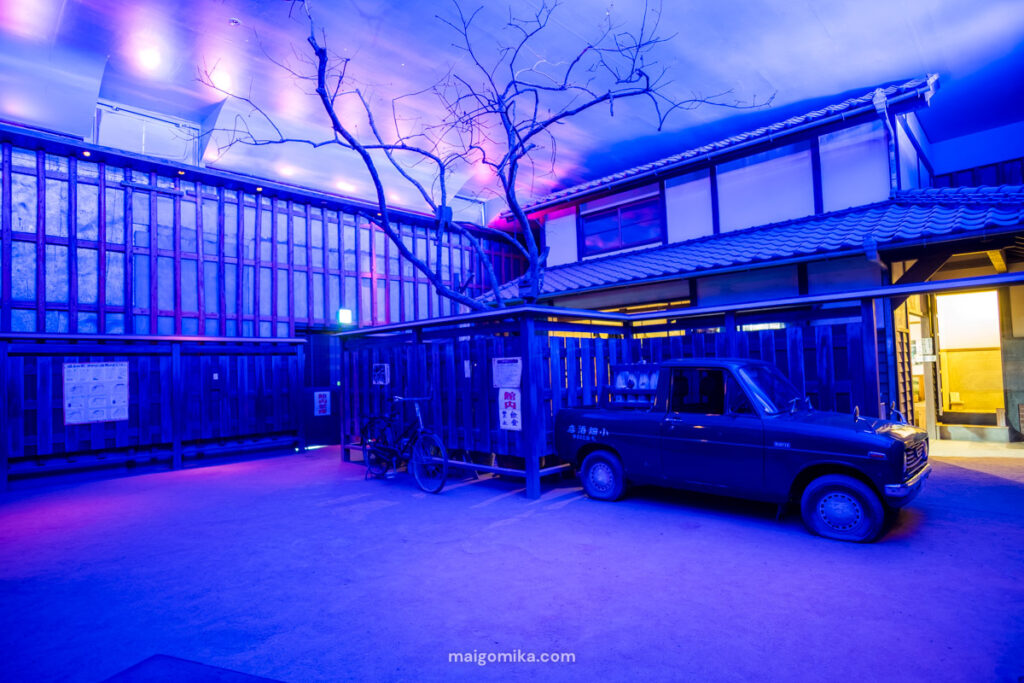
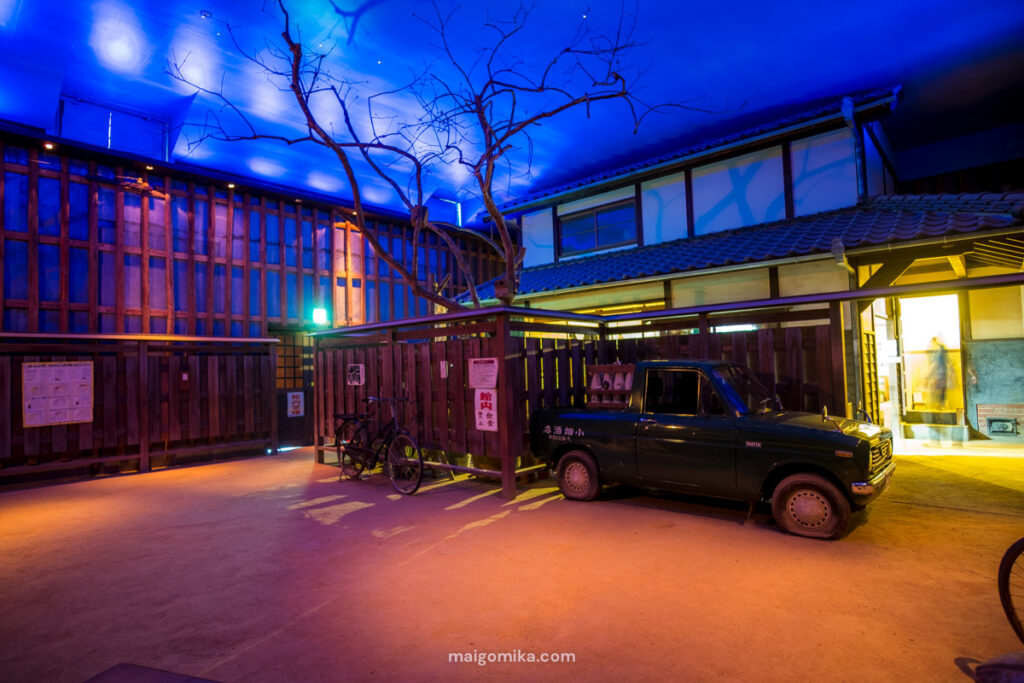
My deep dive into Japan’s Showa era kicked off in Bungo-Takada, Oita Prefecture, at Showa no Machi. Imagine a shopping street that’s not just for browsing, but also a series of fascinating museums housed in renovated old warehouses, each telling a different story of the Showa years.
Since that initial visit, Showa no Machi has blossomed into a sprawling, multi-building immersive adventure. This includes the Showa Yumemachi Elementary School—a free-admission reproduction of a Showa-era classroom—and a corner selling souvenirs and limited-edition goods from Bungotakada Showa Town.
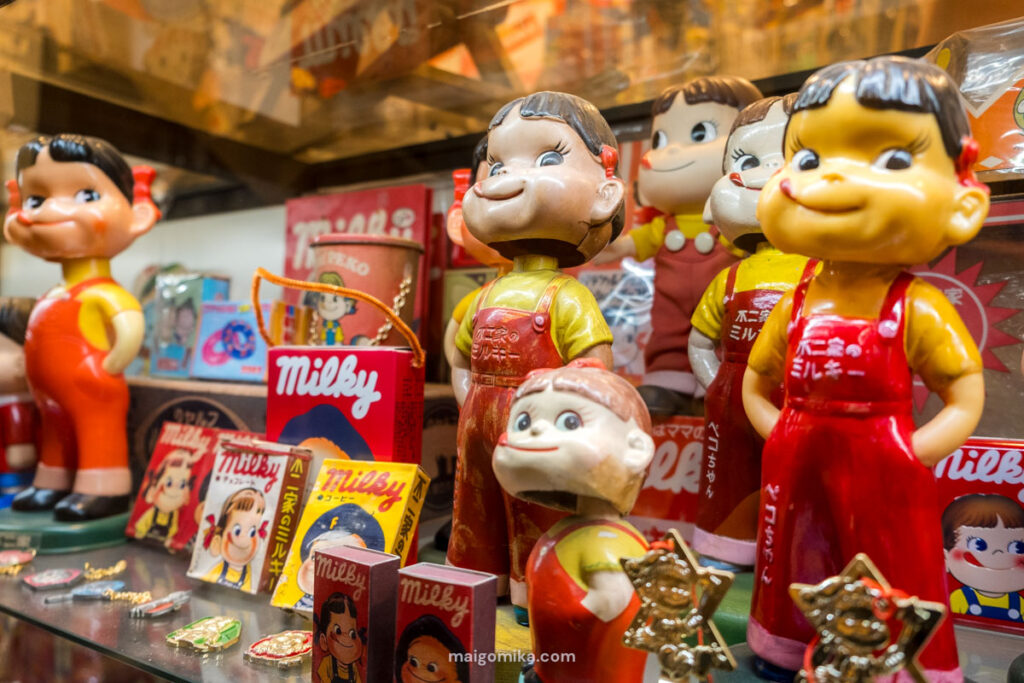
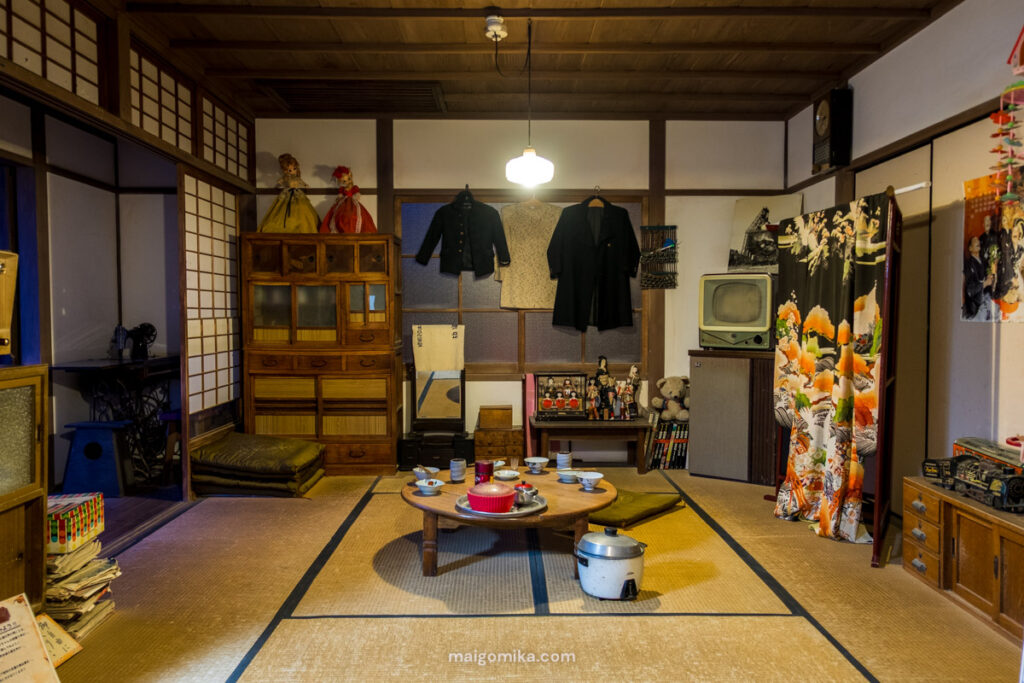
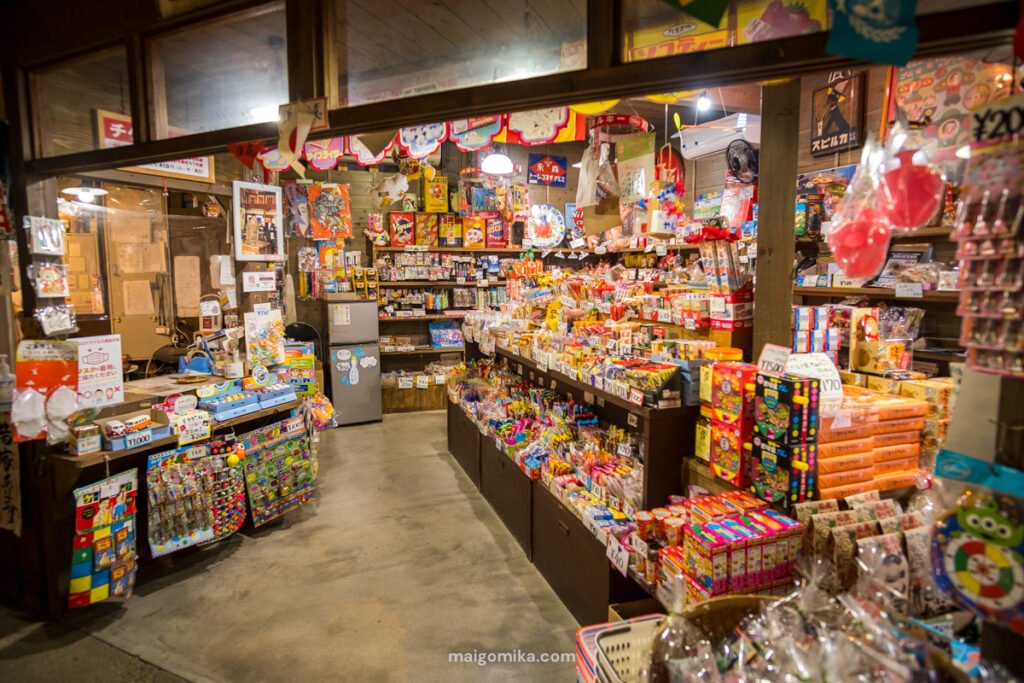
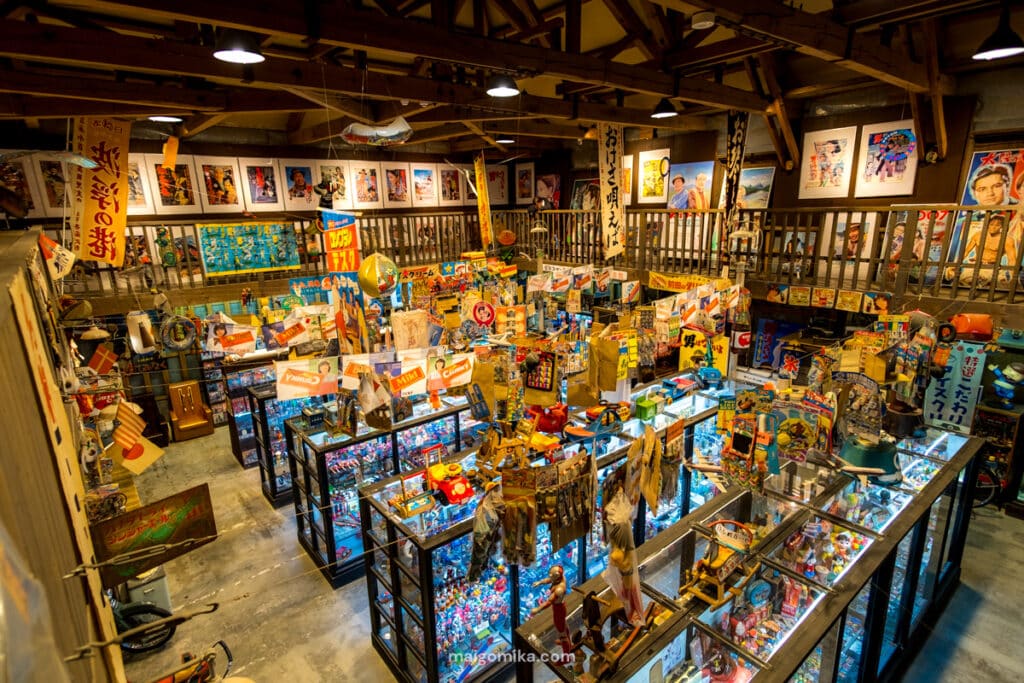
The Candy Store Dream Museum (駄菓子屋の夢博物館) is a retro toy museum featuring over 300,000 treasures, a whimsical miniature shopping street packed with tiny, recreated Showa-era stores – including barbershops, candy stores, and more.
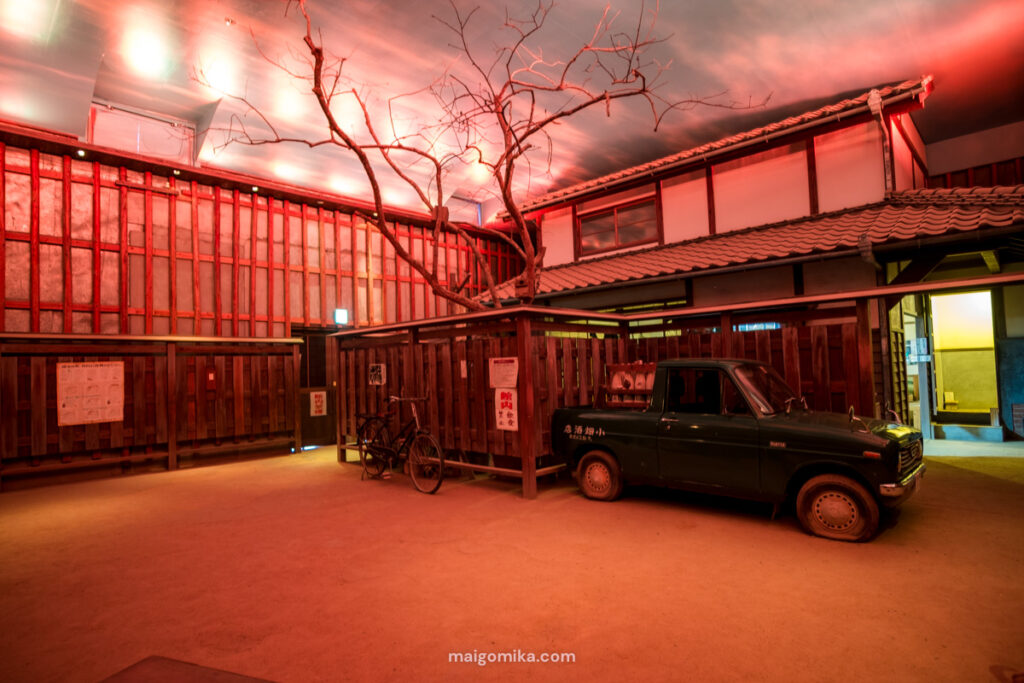
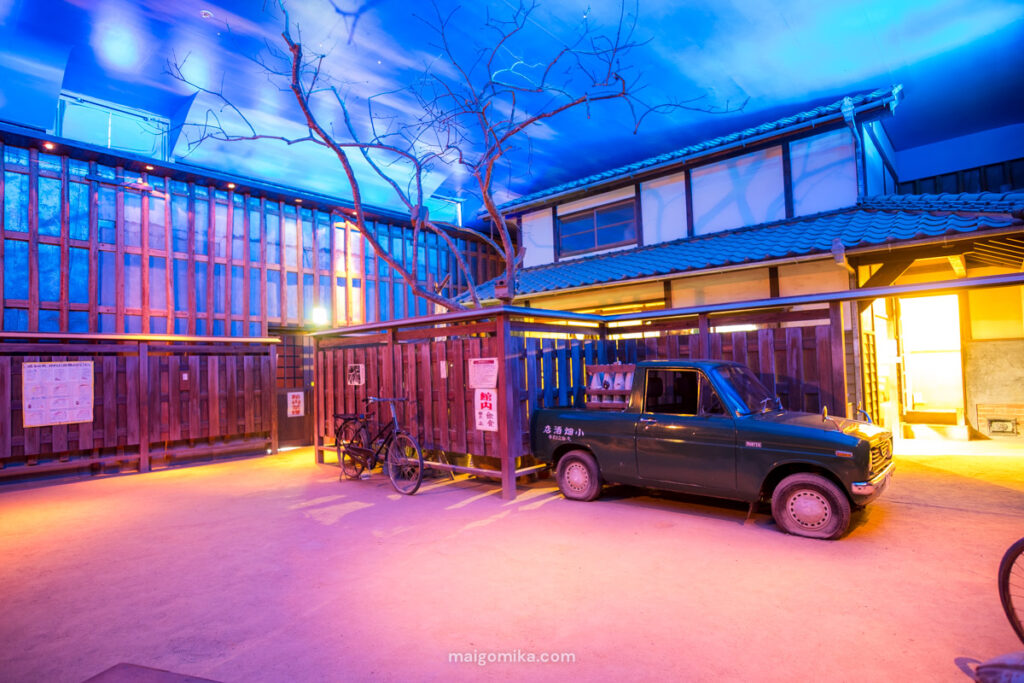
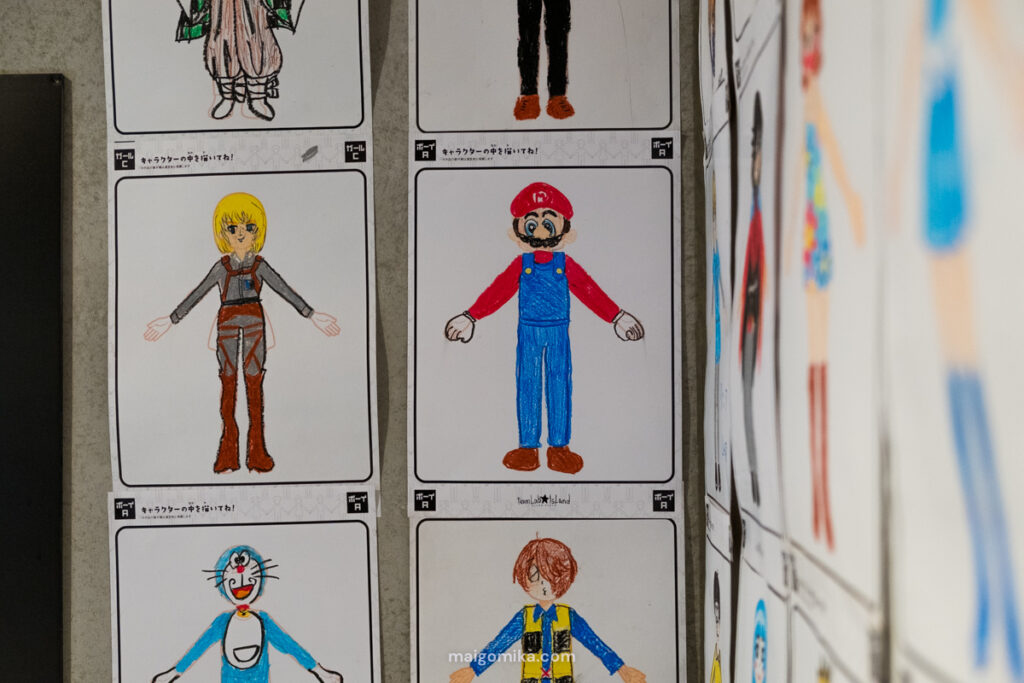
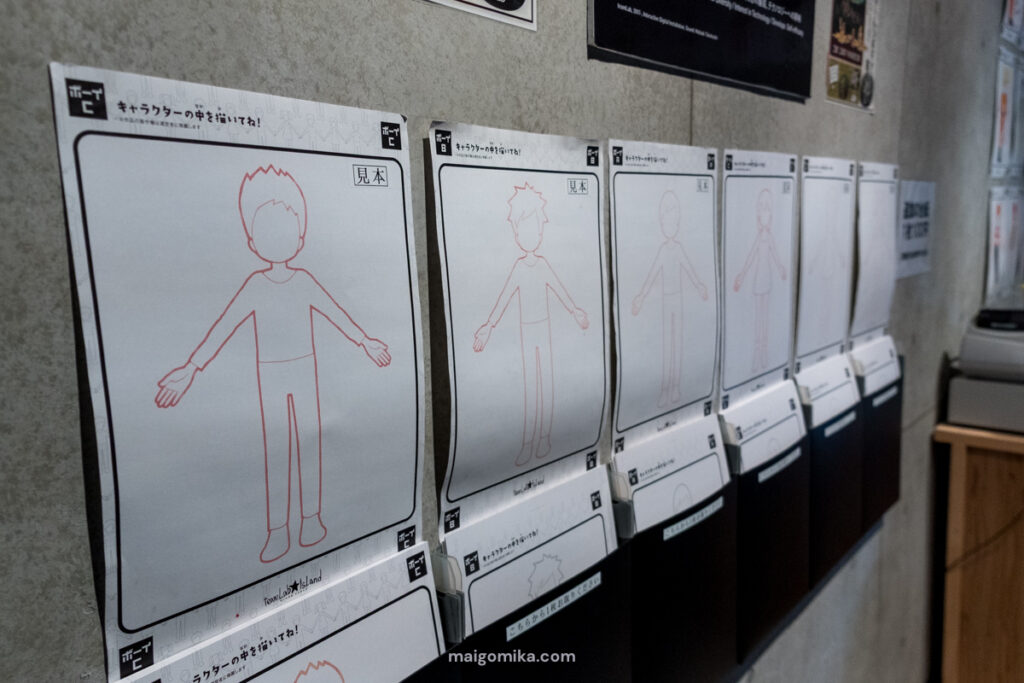
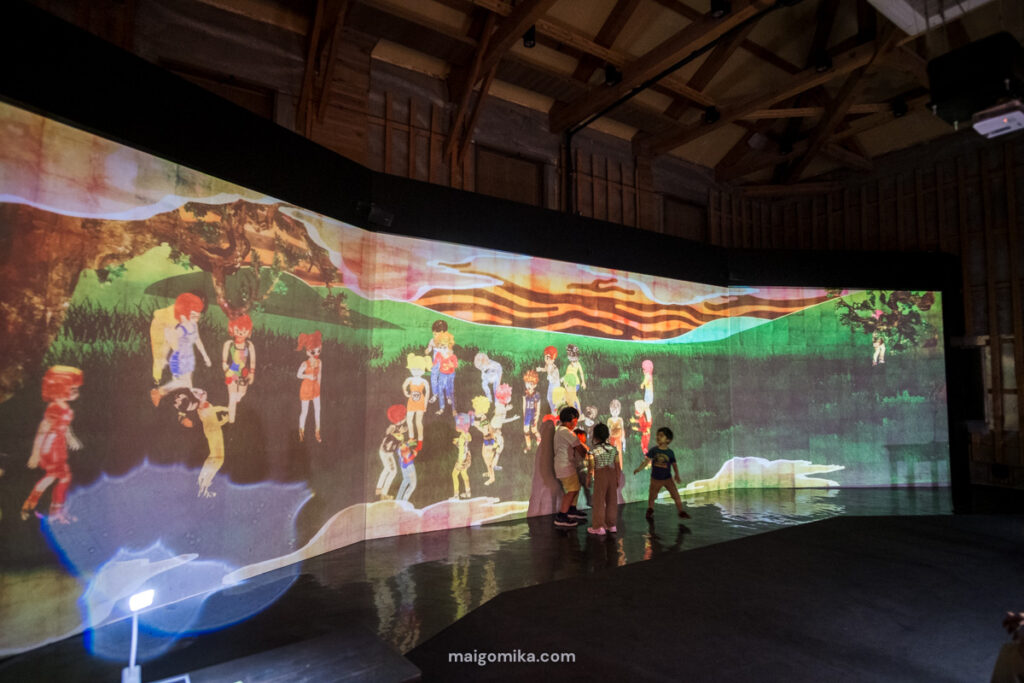
For a delightful modern twist (and a huge hit with kids), they even have a small TeamLab Gallery Showa no Machi exhibit. Color in one of the silhouettes on paper with crayons provided at the venue, then watch as your creation comes alive on a big screen. It’s seriously fun for all ages.
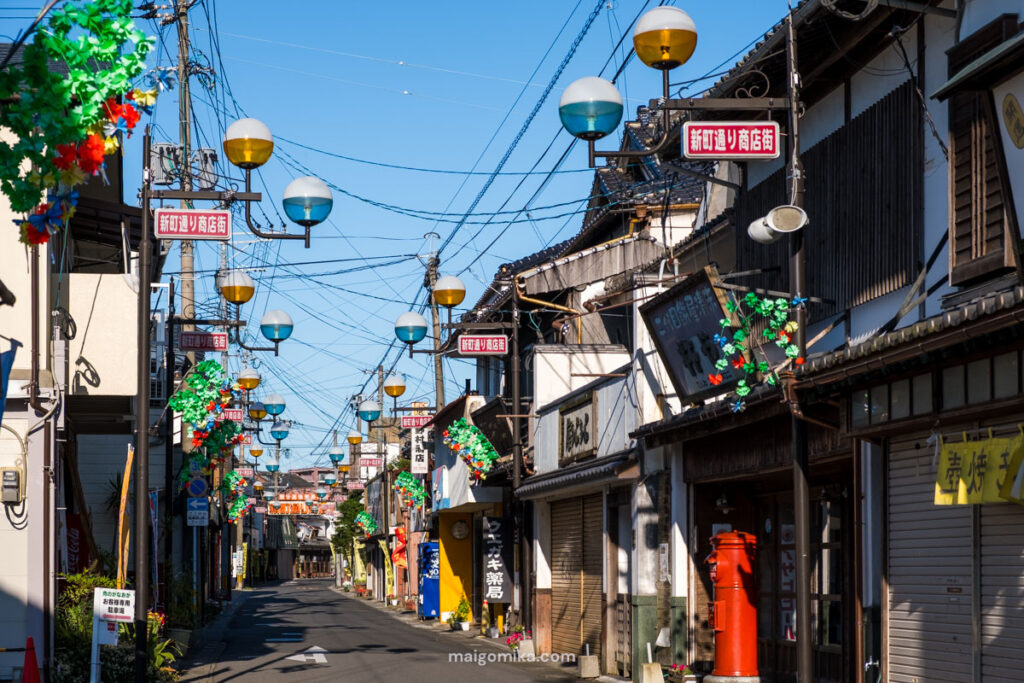
The surrounding town of Bungo-Takada itself feels like a preserved snapshot of the Showa period. Its heart sits mainly on three streets, with the main Shin-machi-dori street about 500 meters long.
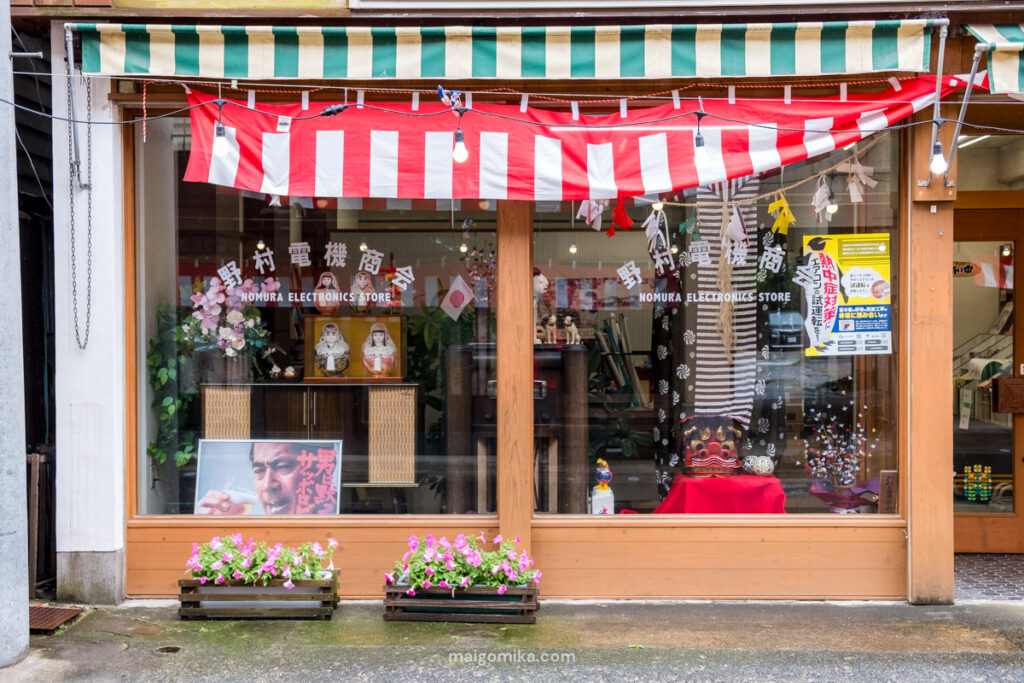
Strolling down the shopping streets, with their amber and green lamps, you’ll still find some of the original businesses standing alongside more contemporary restaurants and shops, creating this wonderful blend of past and present.
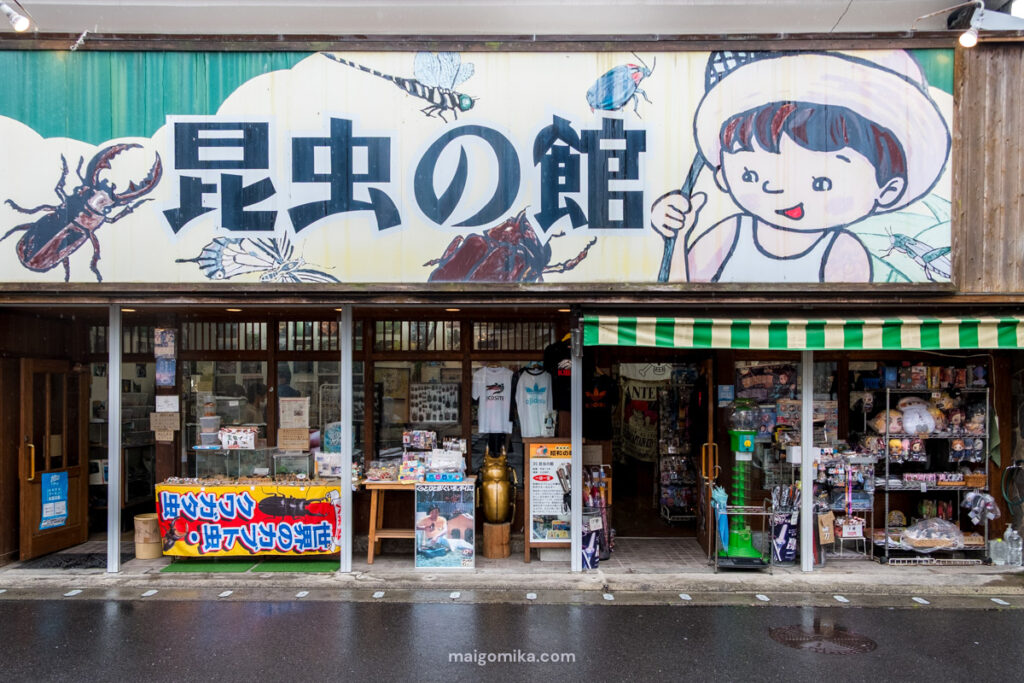
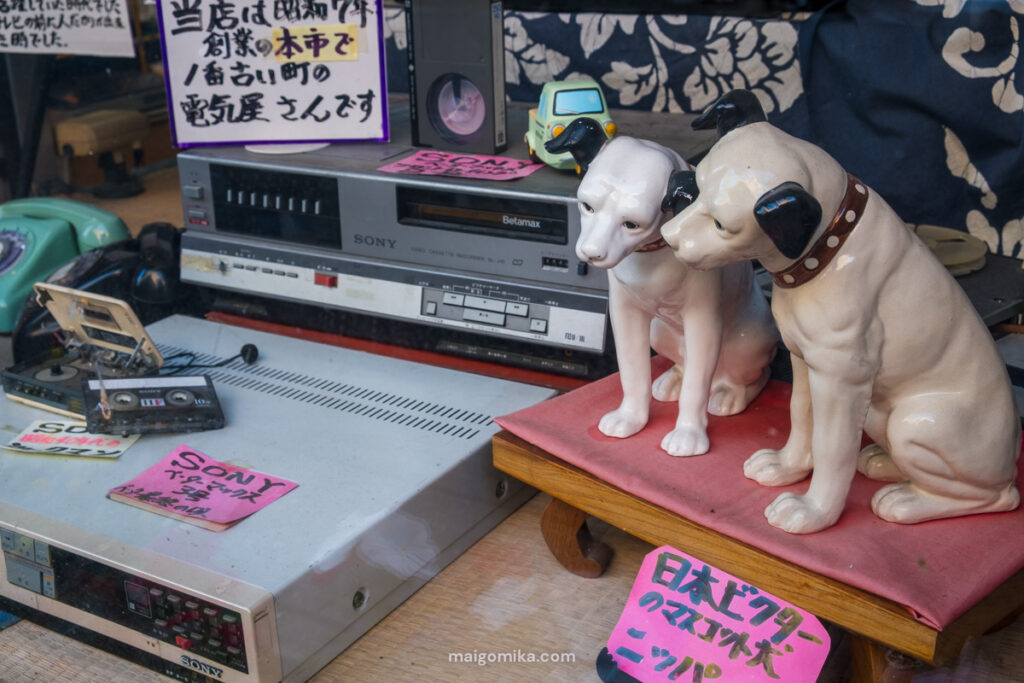
While the various attractions have separate entry fees, I highly recommend opting for the package ticket for easy access to everything this incredible museum has to offer.
Yufuin Showakan (Yufuin, Oita Prefecture)
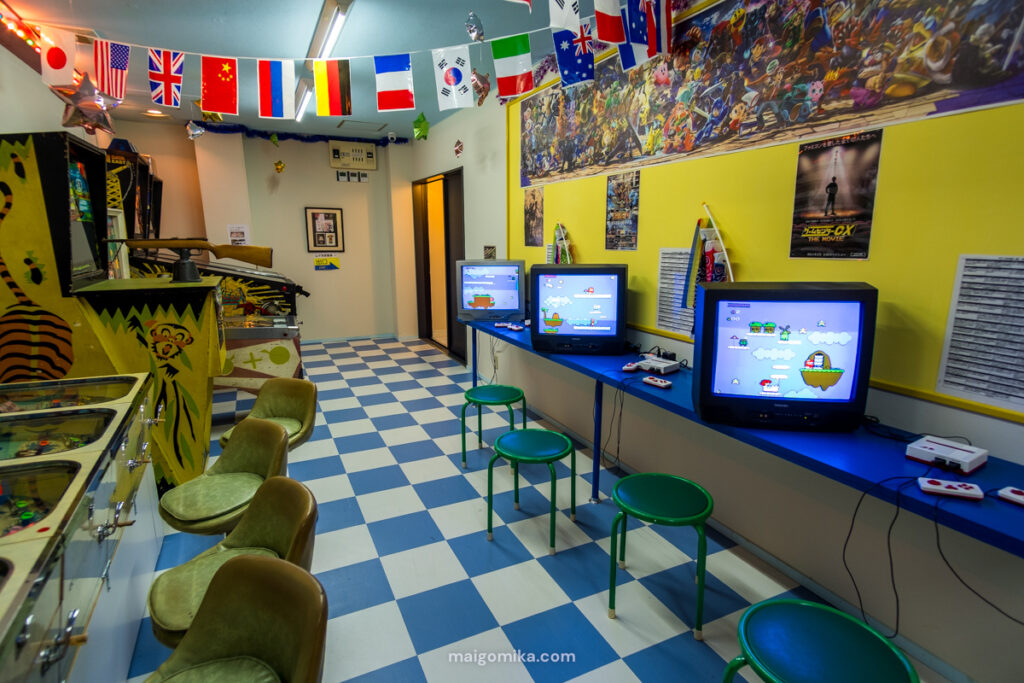
While exploring the very touristy Yunotsubo Street in Oita prefecture, be sure to step into this wonderful retro museum at Yufuin Showakan. The first floor recreates a charming old shopping street with barber shops and children’s stores, but the more recently updated second floor was what really set this Showa museum apart for me.
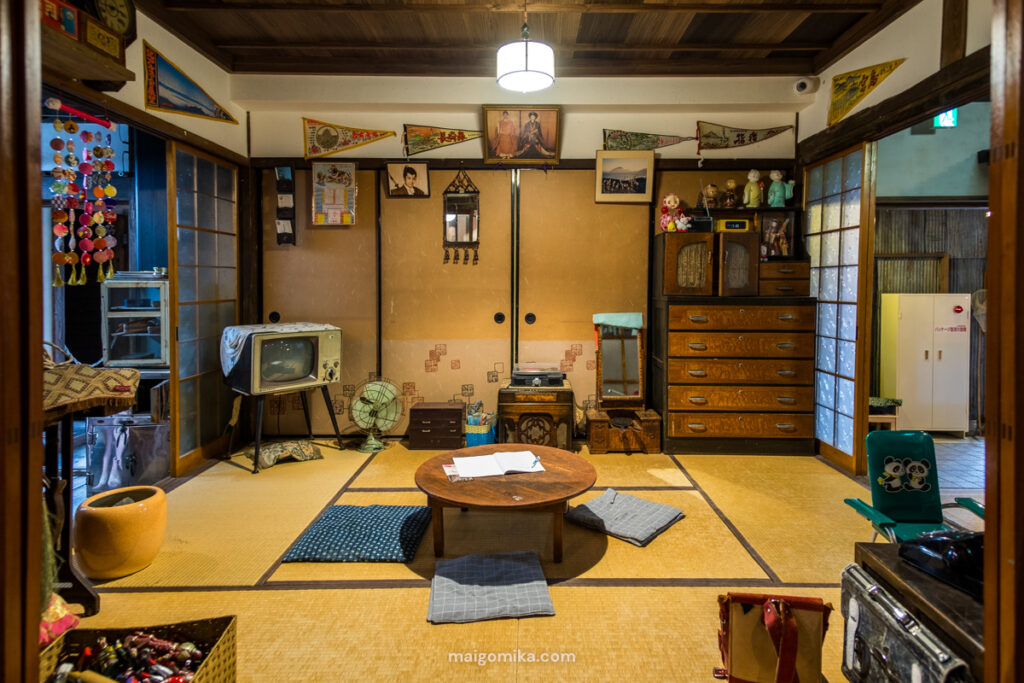
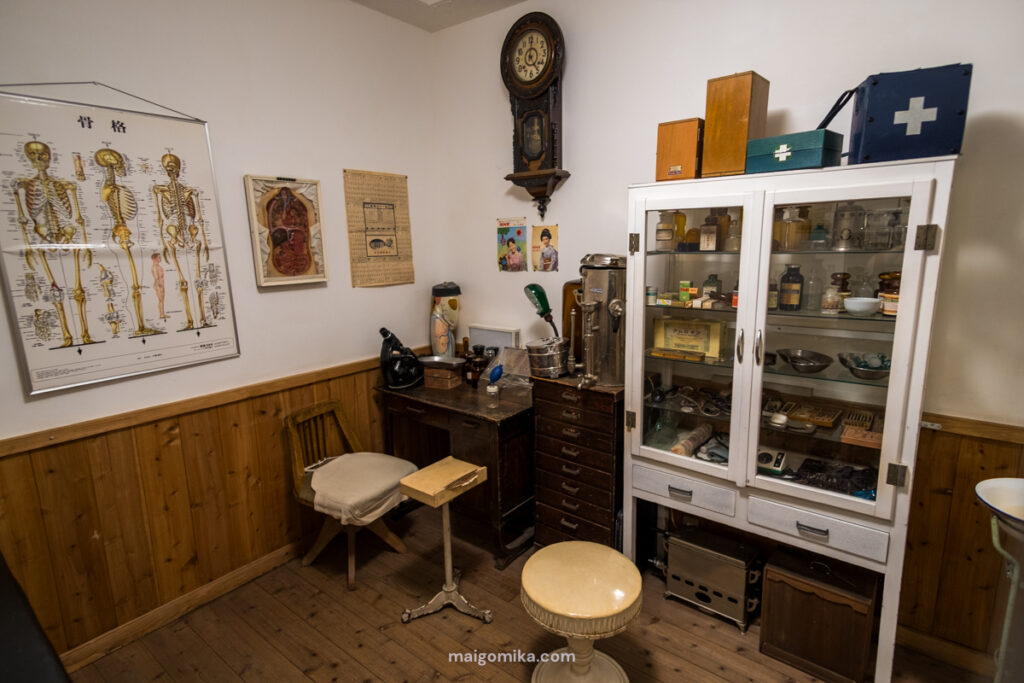
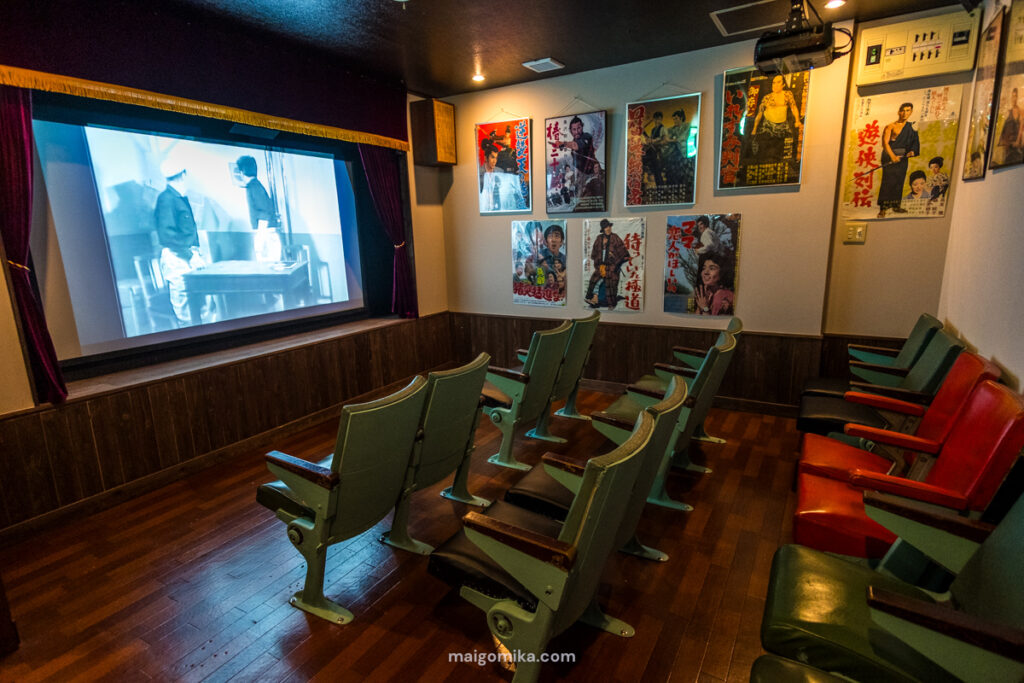
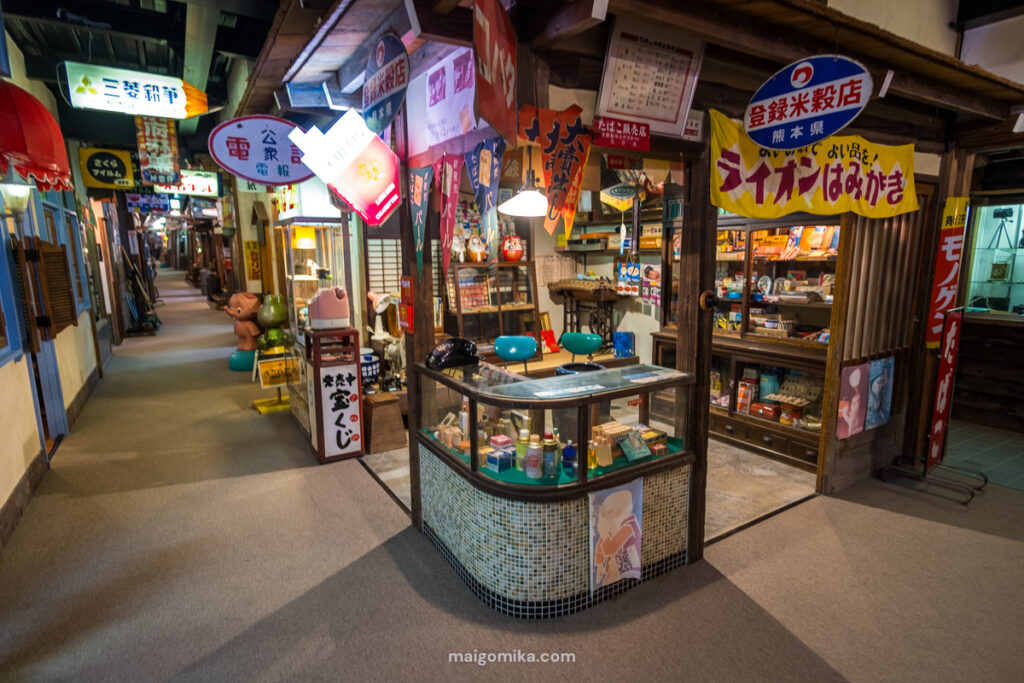
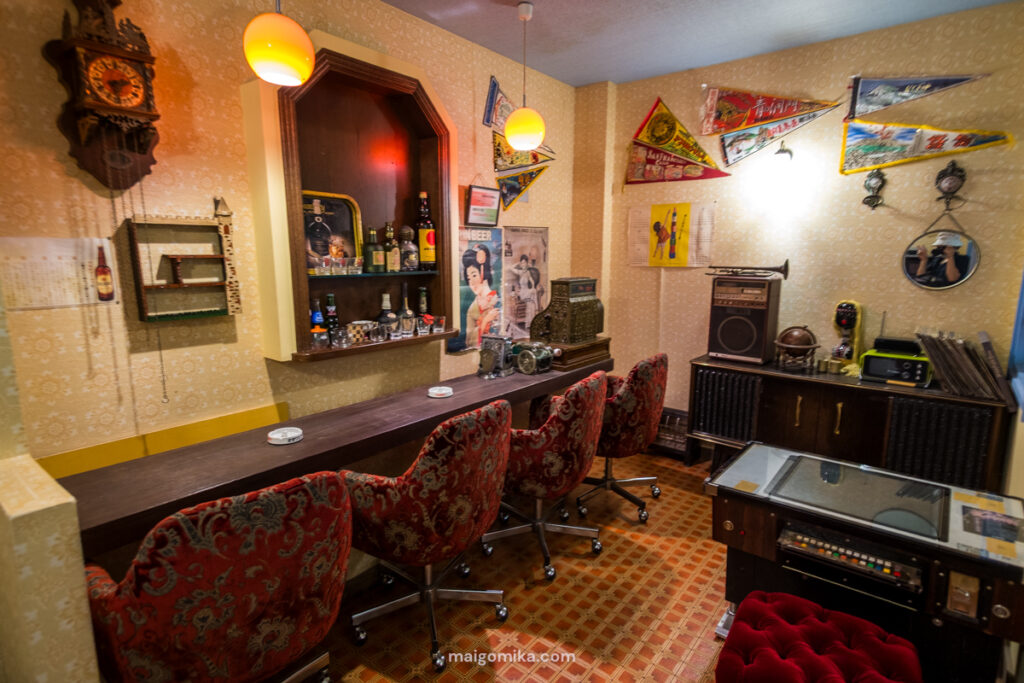
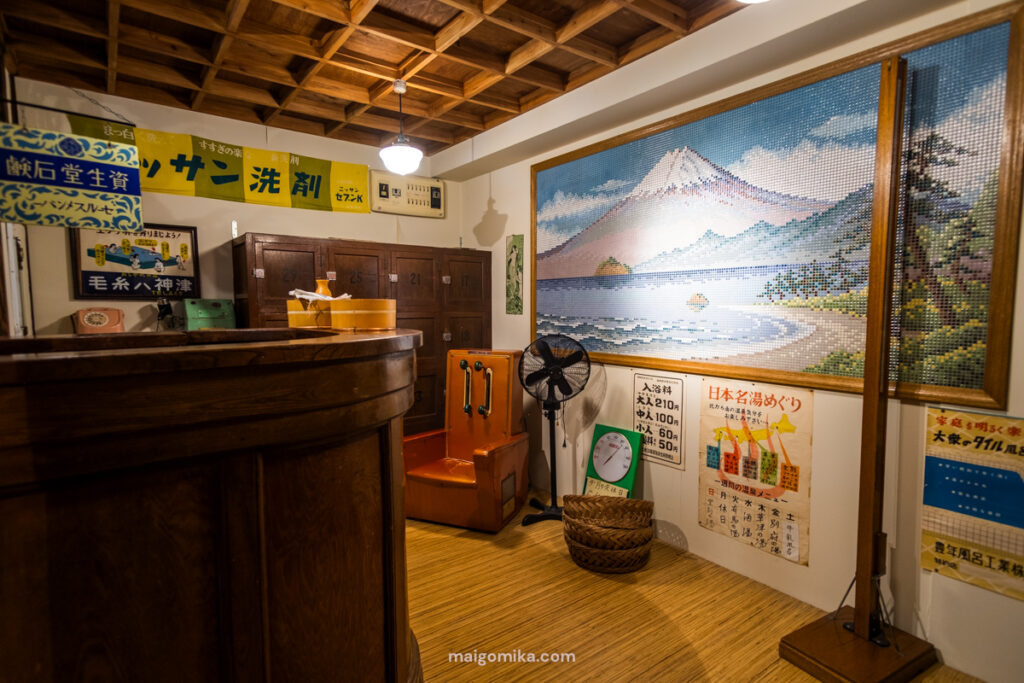
There’s a small cinema, a music display, and a video arcade room where you can actually play old-school pinball and those classic TV consoles that used cassette games (a nostalgic throwback for ’90s kids!).
Pokopen Yokocho Market (Ozu, Ehime Prefecture)
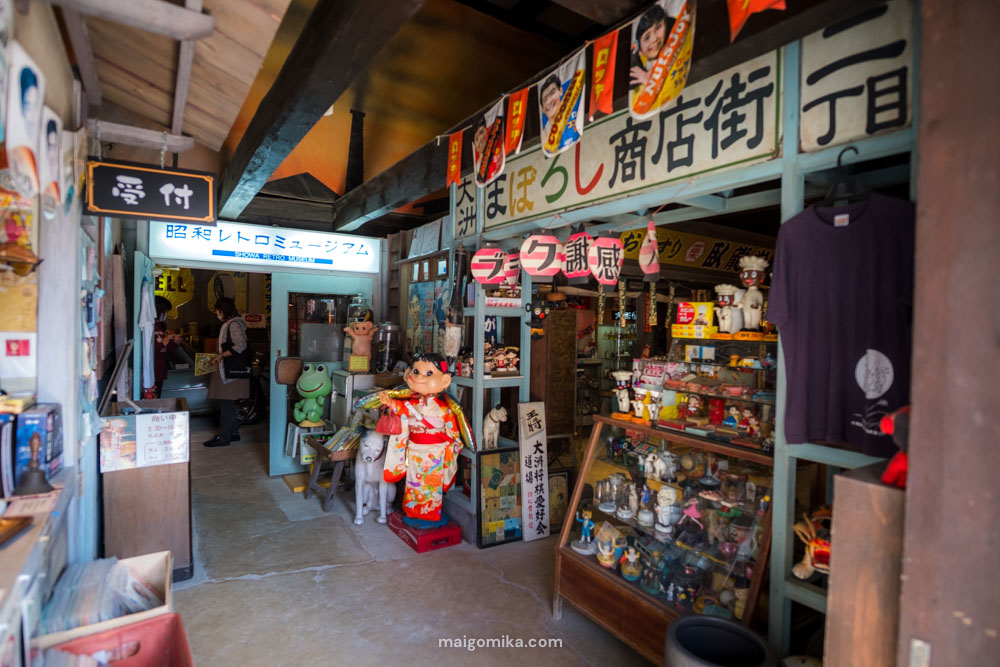
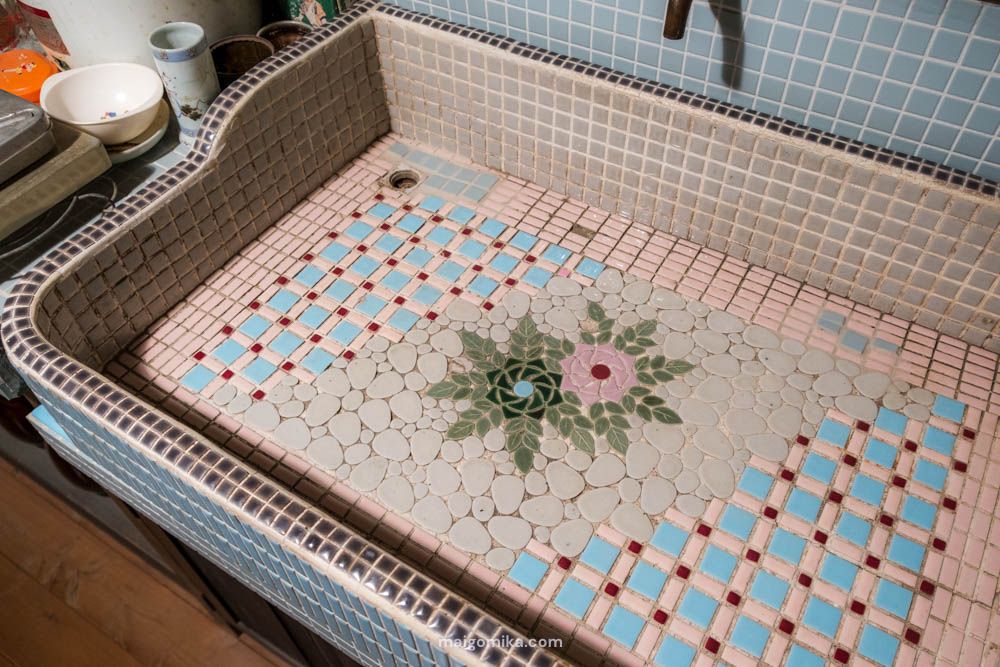
While perhaps not as grand as its counterparts, Ozu City’s Pokopen Yokocho Market is a wonderful discovery for Showa lovers. This indoor museum has a miniature shopping street, a peek inside a traditional Showa-era home (complete with a porcelain toilet!), and a quirky Coca-Cola-themed room.
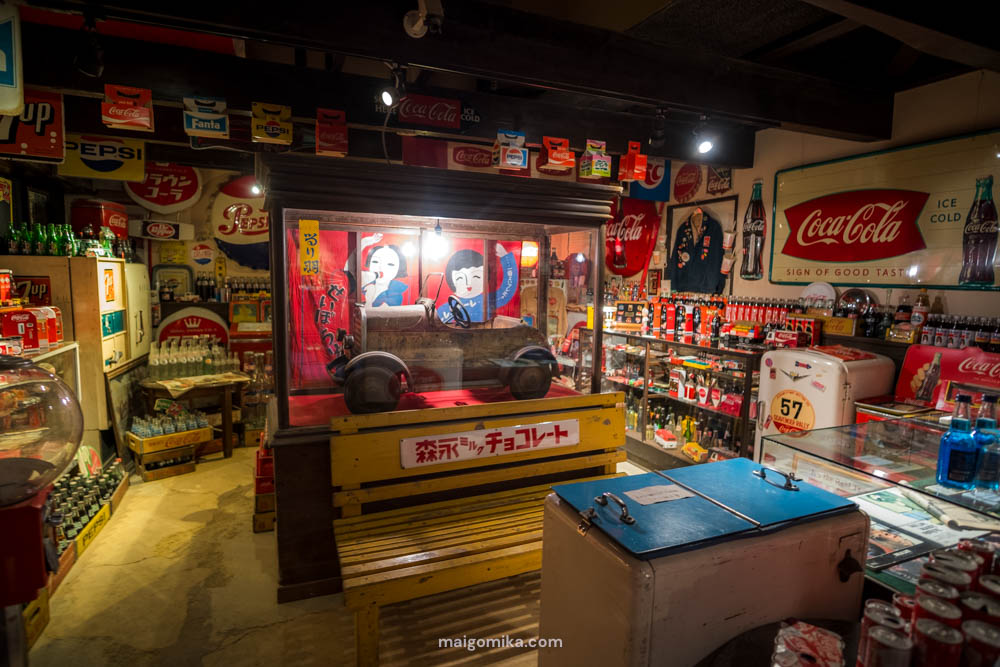
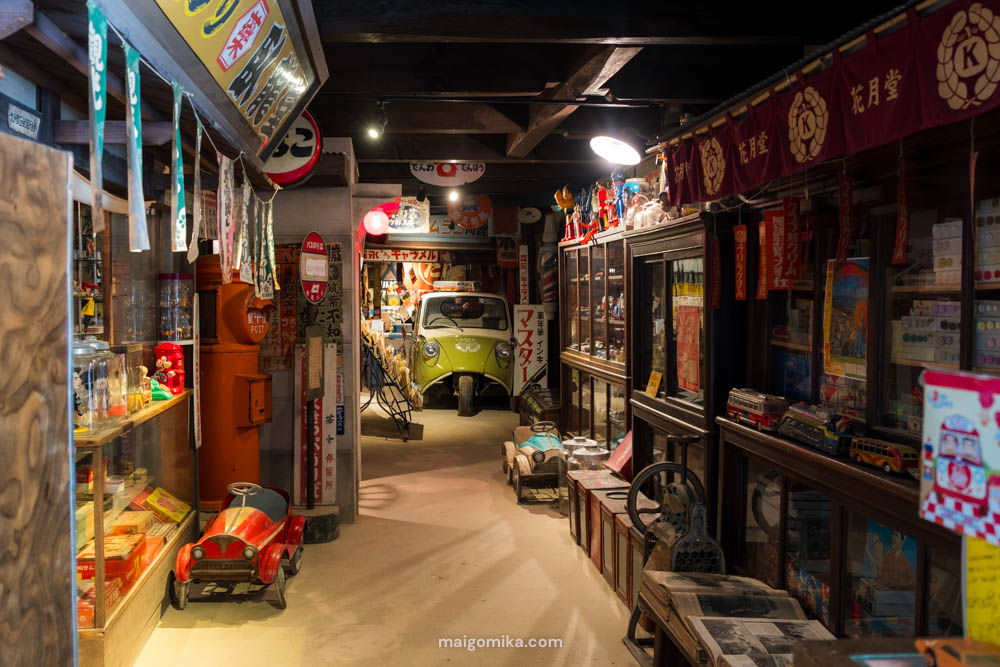
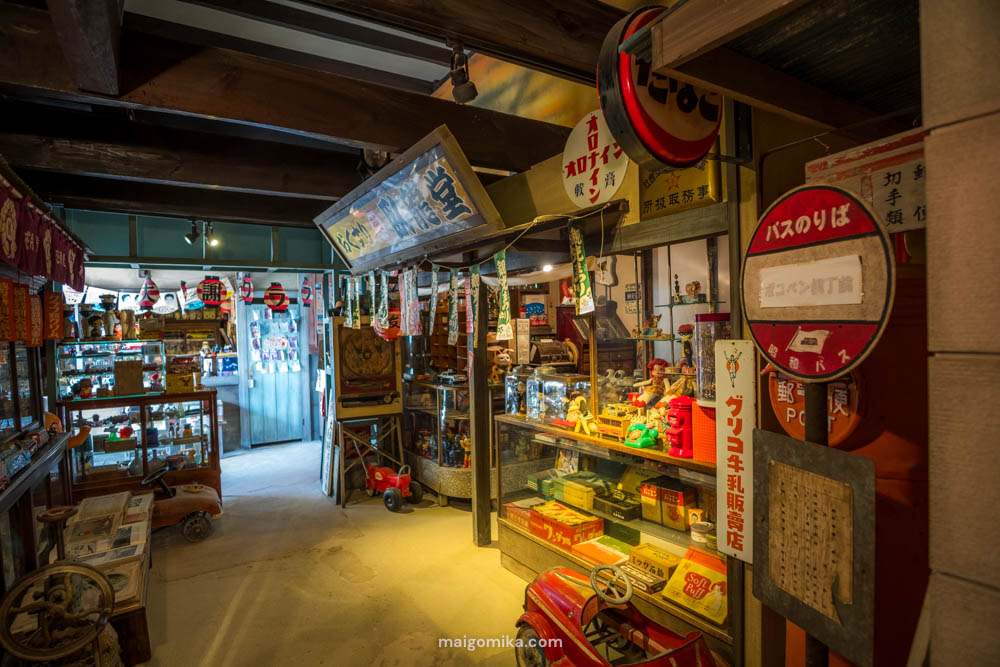
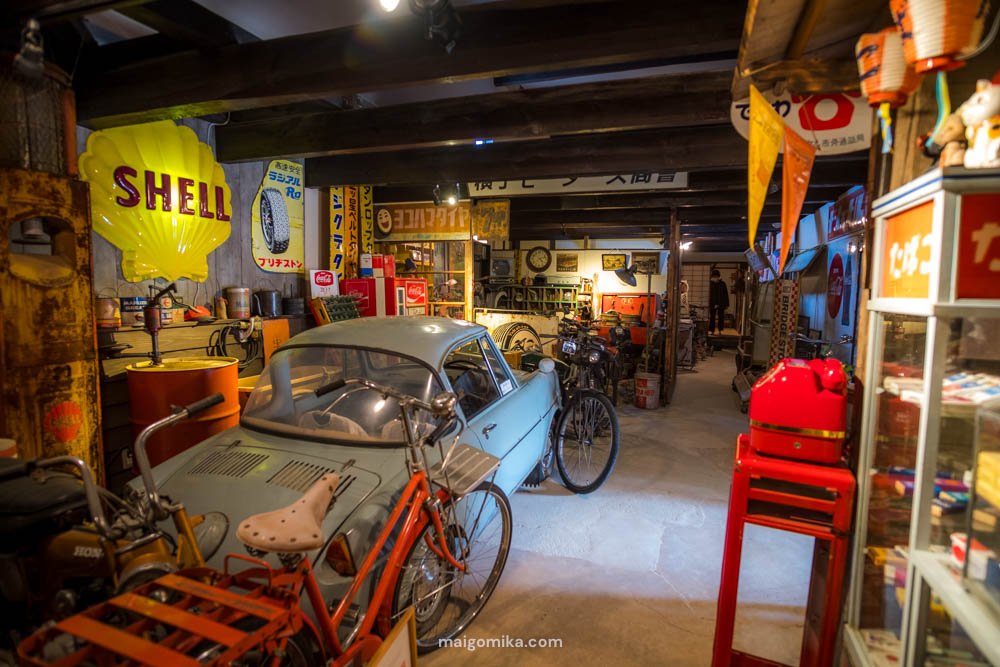
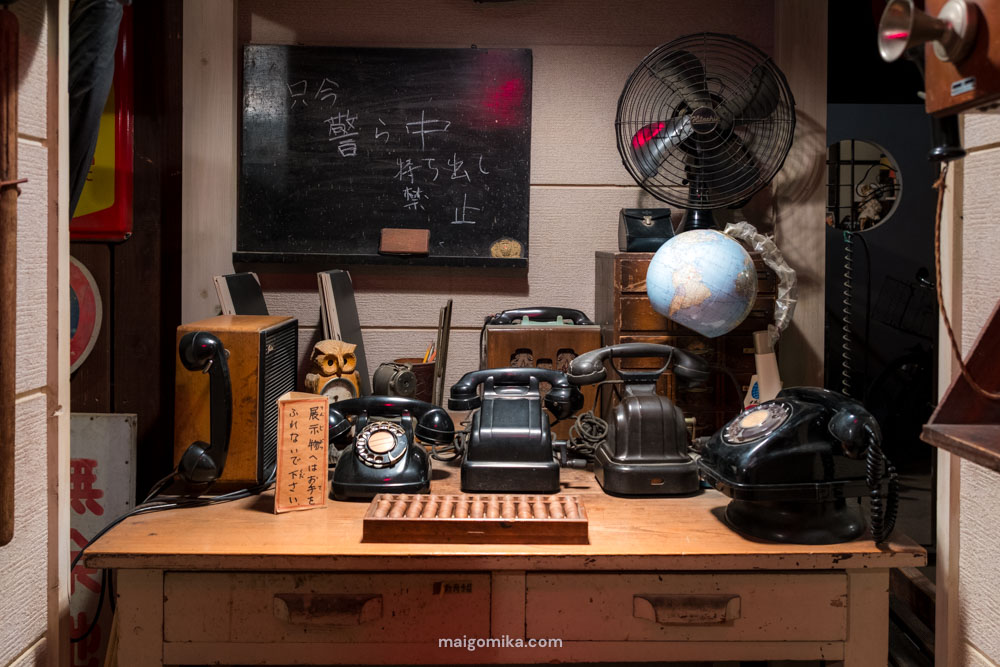
Come Sunday, the market expands outdoors, featuring wooden stalls that sell vintage towels, small gemstones, and retro clocks. During a recent trip, my friend, a logo designer from Canada, was utterly obsessed with the fantastic enamel signs leading up to the museum—they truly are a feast for retro design inspiration!
Travel Tips & Takeaways
From vibrant shopping streets to forgotten cassette games, these Showa-era destinations offer a deep, delightful dive into a crucial part of Japan’s modern history. Now that you’ve seen the highlights, let’s cover a few essential travel tips to make your nostalgic journey smooth.
Rental Car vs. Public Transit
All three featured destinations are located within walking distance of their closest train stations, but your travel method depends on your itinerary:
- Yufuin Showakan (Oita) & Pokopen Yokocho (Ehime): These locations are easily accessible by train and are ideal for a day trip. The surrounding areas are compact and best explored on foot.
- Showa no Machi (Bungo Takada, Oita): The museum is walkable (about 20 minutes from the station), but if you plan to explore the rest of the Kunisaki Peninsula, I recommend renting a car. Many regional sights outside the main town are not accessible by public transport.
Note: All museums mentioned in this guide are marked in yellow on the map below.
From vibrant shopping streets to forgotten cassette games, these Showa-era destinations offer a deep, delightful dive into a crucial part of Japan’s modern history. I hope you take a detour from the usual temples and modern marvels to explore one of these meticulously recreated Showa-era streets and museums.
Have you visited any Showa-era destinations that should be on this list? Let me know in the comments below! Happy travels and happy reminiscing!